Busan Hot Springs and Public Bath Guide: Spa Tips

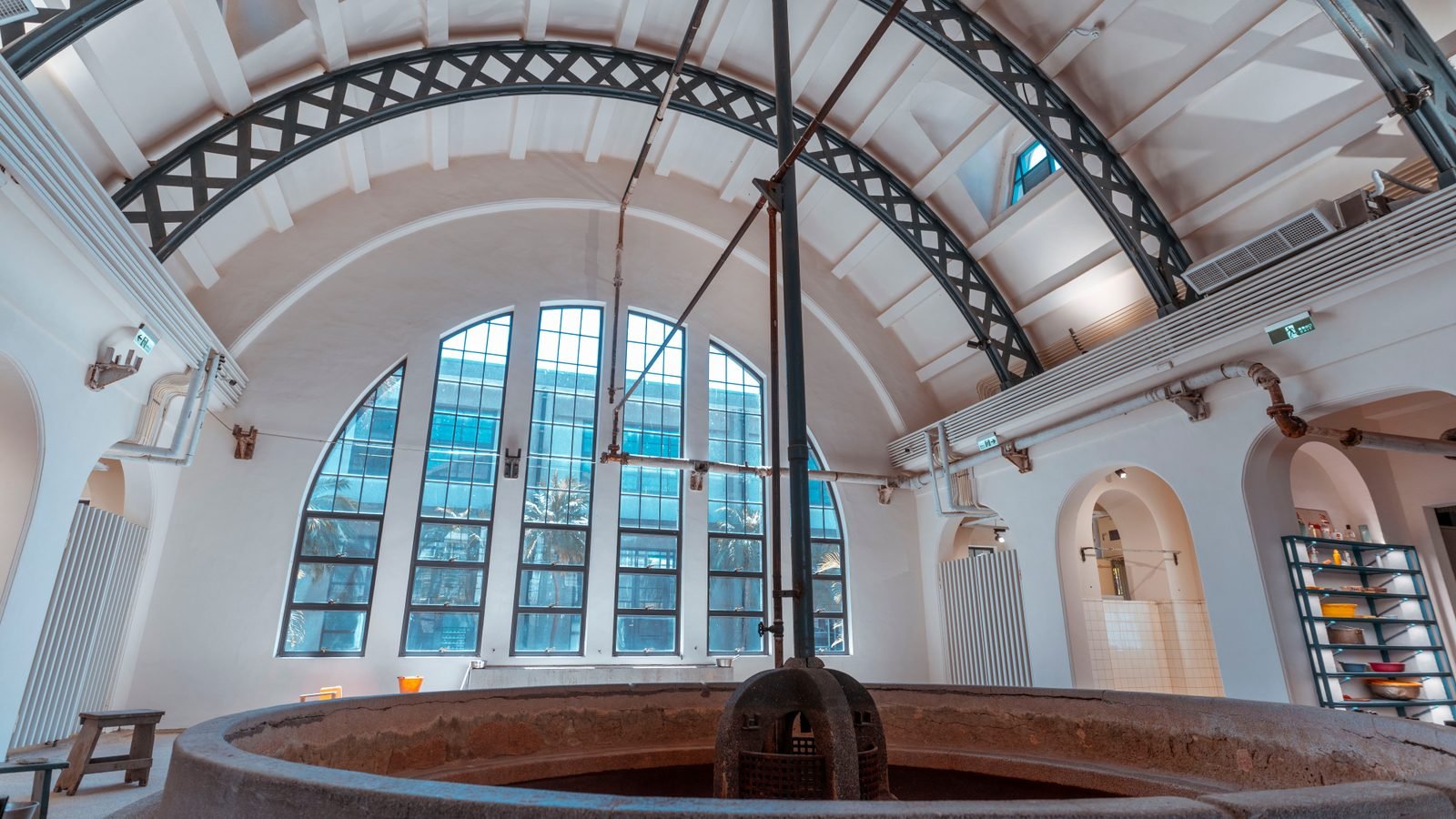
Stepping out of Oncheonjang Station into the damp morning air of northern Busan, the smell of sulfur and wet stone hits you before you even spot the signs. Natural magnesium-rich thermal water has bubbled out of Oncheon-dong for over a thousand years, drawing everyone from Silla dynasty kings to exhausted shipyard workers. Today, the centerpiece of this historic district is Heosimcheong, a grand thermal bath complex capable of holding 3,000 bathers beneath a soaring stained-glass atrium. It remains one of the finest communal bathing spaces in East Asia.
This Busan hot springs and public bath guide gives you everything required to walk into Korea’s largest hot spring facility without a trace of anxiety. I live in Seoul and take the train down here several times a year just to soak. Whether you are adding this to a broader Busan 3 day itinerary or arriving via the high-speed line covered in our Seoul to Busan KTX guide, here is how the locker keys, naked soaking zones, vigorous body scrubs, and relaxation rooms work in practice.
Busan Hot Springs and Public Bath Guide: Getting to Heosimcheong
Oncheon-dong sits in Dongnae-gu, tucked against the eastern base of Geumjeongsan mountain. While most visitors spend their time along the coast between Gwangalli and Haeundae, taking the subway inland brings you straight into the city’s historic spa quarter. To get here, ride Busan Metro Line 1 north to Oncheonjang Station. A single transit card ride costs ₩1,600 (about $1.20). Take Exit 1, walk over the pedestrian overpass crossing the central road, and follow the street signs west for five minutes. You will spot the massive Hotel Nongshim complex looming ahead, with Heosimcheong occupying its dedicated lower wings.
If you prefer a cab from central transit hubs like Seomyeon, expect a twenty-minute ride costing roughly ₩12,000 (about $9.00), starting from the Busan taxi base fare of ₩4,800 (about $3.60). Walking into the cavernous second-floor reception lobby, you will immediately see automated ticketing machines and a manned English-friendly reception counter. Regular adult admission to the spring baths costs ₩15,000 (about $11.25) on weekdays and ₩18,000 (about $13.50) on weekends and public holidays.
When paying your entrance fee, the clerk hands you a plastic electronic key band. This wristband is your lifeline inside the complex. It operates your assigned shoe locker, unlocks your personal clothes locker, and records every single internal purchase you make, from iced drinks to body scrubs. No cash or physical credit cards are allowed past the front turnstile. You settle your final bill at the automated payment kiosks or the counter before leaving.

Tip: Weekday Timing Saves Cash
Visit between Monday and Thursday before 11:00 to avoid the weekend family crowds and save ₩3,000 on admission. The vast pools are quietest in the early morning.
Locker Tokens and Navigating Gender-Specific Zones
Immediately beyond the entry turnstiles, you enter a transitional hall lined with thousands of compact shoe cubbies. Find the small shoe locker matching the exact number printed on your wristband token. Slide your shoes inside, close the door, and push the wristband against the electronic sensor until it clicks locked. Never lose this band. Carrying it securely around your wrist is mandatory, as lost keys incur a replacement penalty of ₩30,000 (about $22.50).
From the shoe hall, the path splits irrevocably by gender. The entrance for men (nam-tang, 남탕) is clearly signposted in blue, while the women’s section (yeo-tang, 여탕) is marked in red. Passing through your respective doorway brings you into the sprawling primary changing locker room. Strip down completely here. No swimsuits, underwear, or outside clothes are permitted inside the bathing halls. It feels completely natural. Everyone around you is entirely naked, from energetic toddlers to octogenarians catching up on local neighborhood news.
The men’s locker area provides stacks of complimentary cotton hand towels right beside the mirrors. In the women’s changing room, attendants hand you two small towels at check-in; additional towels cost a nominal laundry fee of roughly ₩500 (about $0.38). Use your key band to open your large wardrobe locker, store all clothing, electronics, and valuables, and take only your small hand towel inside. Bring your own trial-size shampoo if you have sensitive skin, though the facility provides basic soap bars free of charge at every washing station.


Heads up: Strict Smartphone Ban
Using a smartphone inside the locker rooms or bathing zones is strictly illegal in South Korea and carries severe criminal penalties. Lock your phone securely in your wardrobe.
Soaking Pool Etiquette and Bathhouse Customs
The glass double doors slide open to reveal Heosimcheong’s legendary central bathing hall. Sunlight streams through the grand domed ceiling, illuminating steam rising off twenty distinct pools arranged across multiple marble tiers. Before your toes even graze the pool water, walk straight to the washing stations. Never skip this step. Bathing in Korea is divided strictly into two distinct phases: cleaning your body thoroughly, followed by passive soaking. Stepping into a shared tub without scrubbing down first is considered an offensive breach of etiquette.
Choose an open sit-down station equipped with a plastic stool, basin, and mirror. Sit down, adjust the handheld spray nozzle, and wash your hair and body completely using soap. Rinse away every bubble before standing up. Tie long hair back securely using an elastic band so it does not trail in the water. Your small hand towel should never touch the soaking pool water; fold it into a tidy rectangle and balance it on top of your head, or leave it neatly draped on the stone pool ledge.
The spring water here is alkaline, drawn from deep granite fissures and rich in silica, sodium, and magnesium. Ease yourself into the central Great Bath, kept at a comfortable 39°C (102°F). From there, you can explore the specialized herbal pools infused with mugwort, red clay, and cherry blossom extract, or brave the piping-hot 43°C (109°F) cedarwood tub. Alternate between high heat and the 18°C (64°F) cold plunge pool to stimulate circulation. Drink water before you enter. Free filtered water fountains stand beside the entrance to keep you properly hydrated between long soaks.

How to Book a Professional Sesin Body Scrub
Tucked into a steamy corner of the bathhouse floor is the sesin (세신) station, where professional scrub masters work their magic on vinyl-covered massage tables. In the women’s section, these seasoned practitioners are known as scrub ajummas; in the men’s area, they are seasoned ajeossis. Undergoing a vigorous Korean body exfoliation is an unforgettable local ritual that leaves your skin silky smooth. You do not need to book your session in advance of arriving at Heosimcheong, but you should reserve your slot the moment you finish your initial shower.
Walk over to the desk beside the scrub corner and speak to the attendant. Basic full-body scrubs start at roughly ₩30,000 (about $22.50) for a 25-minute treatment, while extended services including seaweed body wraps, oil massages, and mini facials range from ₩50,000 to ₩80,000 (about $37.50 to $60.00). The scrub master will glance at your wristband, scan your token, and write down an approximate queue number or tell you to return in twenty minutes.
Use that waiting window to soak in hot water. Steeping in a 40°C pool softens dead skin cells, making the exfoliation far more effective and considerably less abrasive. When your turn arrives, lie flat on the plastic table. The scrub master will use rough textured viscose washcloths—commonly known as Korean Italy towels—to scrub every inch of your limbs and torso in firm, systematic strokes. Grey rolls of dead skin slough away instantly. Your skin will glow. Afterward, they splash warm water over you to rinse away the debris, sending you back to the pools feeling ten pounds lighter.

From a local: Soak Twenty Minutes First
Never hop onto the scrub table cold. Spending at least twenty minutes in the 40°C mugwort or mineral tub softens the stratum corneum, ensuring an effortless, pain-free scrub.
Relaxing in the Jjimjilbang and Communal Lounges
After soaking and scrubbing in the wet baths, you have the option to visit the co-ed relaxation floor, known across Korea as a jjimjilbang. To access this level at Heosimcheong, stop by the interior desk in the changing locker room and request jjimjilbok (찜질복)—the loose-fitting cotton t-shirt and shorts uniform. The uniform rental adds a flat ₩3,000 (about $2.25) to your wristband bill. If you want a deeper look at national sauna culture, read our complete Jjimjilbang guide for foreigners in Seoul for broader historical context.
Slip into your cotton uniform, walk through the designated interior stairway, and enter the communal atrium where men, women, and families mingle freely. The floor is lined with traditional ondol heated linoleum, perfect for stretching out flat with a firm leather headrest block. Around the perimeter, specialized dry sauna chambers offer varying therapeutic heat levels. Step inside the dome-shaped yellow clay room baked to 65°C (149°F), lounge on heated germanium stone slabs, or cool your core temperature down inside the frosted igloo chamber.
No Korean bathhouse visit is complete without classic sauna refreshments from the snack counter. Tap your wristband at the register to order a large plastic cup of sikhye—a sweet, chilled fermented rice drink served over crushed ice—and a set of brown, slow-roasted maekbansok eggs. A drink and three eggs cost about ₩6,000 (about $4.50). Crack the roasted eggs against your forehead or the wooden floor, dip them lightly in coarse salt, and sip the cold rice malt while relaxing between sauna sessions.

Where to Eat in Oncheon-dong After Your Soak
A two-hour soak combined with high-heat sweating drains your energy and sparks a ravenous appetite. Fortunately, Oncheon-dong has served nourishing comfort meals to bathers for over a century. When you exit Heosimcheong and pass the checkout counter, turn toward the side alleys behind the spa complex to discover the culinary pride of the district: Dongnae pajeon (동래파전). This local Busan pancake is distinctly different from crisp Seoul-style scallion pancakes, prepared thick and velvety with tender green onions, glutinous rice flour, fresh squid, oysters, and beaten eggs poured across the top.
For the definitive version, walk ten minutes south toward Dongnae Halmae Pajeon, a heritage restaurant operating continuously since the Japanese colonial period. A medium scallion pancake here costs roughly ₩25,000 (about $18.75) and pairs perfectly with a frosty bowl of local Busan makgeolli fermented rice wine. The texture is soft, savory, and loaded with coastal seafood flavor. Tear pieces off using your chopsticks and dip them into the tart vinegar-chili sauce provided on your side table.
If you prefer a lighter, faster bite before taking the subway back downtown, explore the small noodle alley directly adjacent to Oncheonjang Station Exit 1. Here, modest storefronts serve piping-hot bowls of handmade kalguksu (knife-cut wheat noodles in anchovy broth) for just ₩6,500 (about $4.90). Topped with blanched garland chrysanthemum, shredded seaweed, and crushed sesame seeds, the rich broth restores your lost electrolytes and finishes an authentic northern Busan afternoon.

What it costs in Busan
| Item | Local price | USD |
|---|---|---|
| Heosimcheong adult entry (weekday) | ₩15,000 | $11.25 |
| Heosimcheong adult entry (weekend) | ₩18,000 | $13.50 |
| Jjimjilbang clothing uniform rental | ₩3,000 | $2.25 |
| Full-body basic sesin scrub | ₩30,000 | $22.50 |
| Chilled sikhye drink and roasted eggs | ₩6,000 | $4.50 |
| Dongnae pajeon scallion pancake | ₩25,000 | $18.75 |
| Busan Metro single journey fare | ₩1,600 | $1.20 |
| Estimated half-day total per person | ₩80,600 | $60.45 |
Prices checked October 2026. Always confirm with the provider before you book.
Where to stay in Busan
Budget
Oncheonjang Station area, for affordable business hotels within walking distance of the baths
Staying steps from the hot springs lets you enjoy early morning soaks before day-trippers arrive from the southern beaches. Clean business motels here sit five minutes from Metro Line 1 and generally charge between ₩50,000 and ₩75,000 (about $37.50 to $56.25) per night.
Mid-range
Seomyeon, for modern mid-rise hotels near the city's central transit junction
This commercial hub provides direct access to both Subway Lines 1 and 2, placing Oncheon-dong twenty minutes north and coastal sights fifteen minutes south. Quality boutique hotels in the district average ₩95,000 to ₩140,000 (about $71.25 to $105.00) per night.
Splurge
Haeundae Beach, for coastal high-rise hotels overlooking the Korea Strait
Perfect for travelers who want oceanfront balcony views while keeping Oncheon-dong within a convenient thirty-minute taxi ride. Premium full-service properties along the beachfront promenade run from ₩220,000 to ₩380,000 (about $165.00 to $285.00) per night.
Mistakes to avoid
- Stepping into the soaking pools before scrubbing down at the sit-down wash stalls
- Letting your cotton hand towel soak or float inside the mineral tubs
- Carrying a smartphone or camera into the locker room and bathing zones
- Attempting to pay cash or physical credit cards inside the bathhouse rather than tapping your wristband token
- Skipping the hot tub soak before getting a sesin scrub, which makes exfoliation abrasive and painful
FAQ
Do I have to be completely naked at Heosimcheong?
Yes, inside the gender-separated wet bathing halls, everyone must be entirely nude; swimsuits, wraps, and underwear are prohibited. If you visit the co-ed jjimjilbang relaxation lounges upstairs, you wear the rental cotton t-shirt and shorts provided by the facility.
Are visible tattoos allowed inside Busan public baths?
Modest, discreet tattoos are generally overlooked at large commercial facilities like Heosimcheong, especially on foreign tourists. However, extensive full-body tattoos associated with organized crime may cause staff to politely ask you to cover up or exit.
How does the electronic locker token work?
Your wristband acts as your room key and cashless wallet throughout the spa. You tap it to lock your shoes, secure your clothes locker, and charge food, drinks, and body scrub services, paying the total balance when exiting through the lobby.
Can children enter the opposite-gender bath areas?
Under South Korean national public health regulations, children over the age of four or taller than 100 centimeters are strictly barred from entering the opposite-gender bathhouse hall. Families can reunite on the shared jjimjilbang floor upstairs.