Korea Travel Planning Checklist: A Local’s Guide

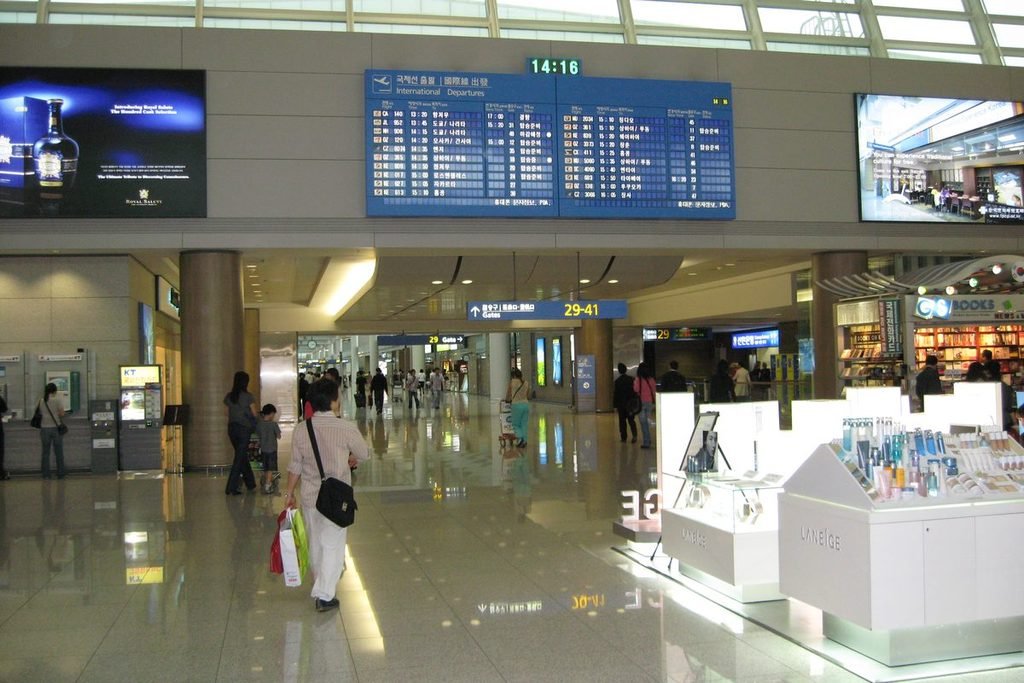
A traveler stepped off the flight at Incheon Airport last week, opened Google Maps to find their hotel in Myeongdong, and discovered walking directions did not work at all. It is the single most common shock for first-timers arriving in South Korea. The country runs on its own digital ecosystem, specific payment habits, and calendar quirks that catch even seasoned travelers off guard.
This Korea travel planning checklist breaks down everything you need to sort out before boarding your flight. Living in Seoul, I see visitors stumble over the same logistical hurdles every month: blocked restaurant apps, unexpected holiday shutdowns during major harvest festivals, and confusion over where foreign credit cards fail. Here is your step-by-step preparation plan to land ready.
Korea travel planning checklist: visa status and entry forms
Entry regulations for South Korea have shifted several times over recent years, making entry paperwork the logical starting point for your pre-trip planning. Citizens from many visa-exempt countries (including the United States, United Kingdom, Canada, Australia, and EU member states) currently enjoy temporary exemptions from the K-ETA (Korea Electronic Travel Authorization) requirement through the end of 2026 under tourism promotional programs. However, rules can change with short notice, so verifying your nationality’s current status on the official government K-ETA portal remains essential.
If your nationality does require the K-ETA, apply only through the official government portal (k-eta.go.kr) at least 72 hours before departure. The fee is ₩10,000 (about $7.50). Beware of third-party copycat websites charging quadruple that amount to process the exact same form. Approval typically arrives by email within hours, though peak holiday periods can cause delays.
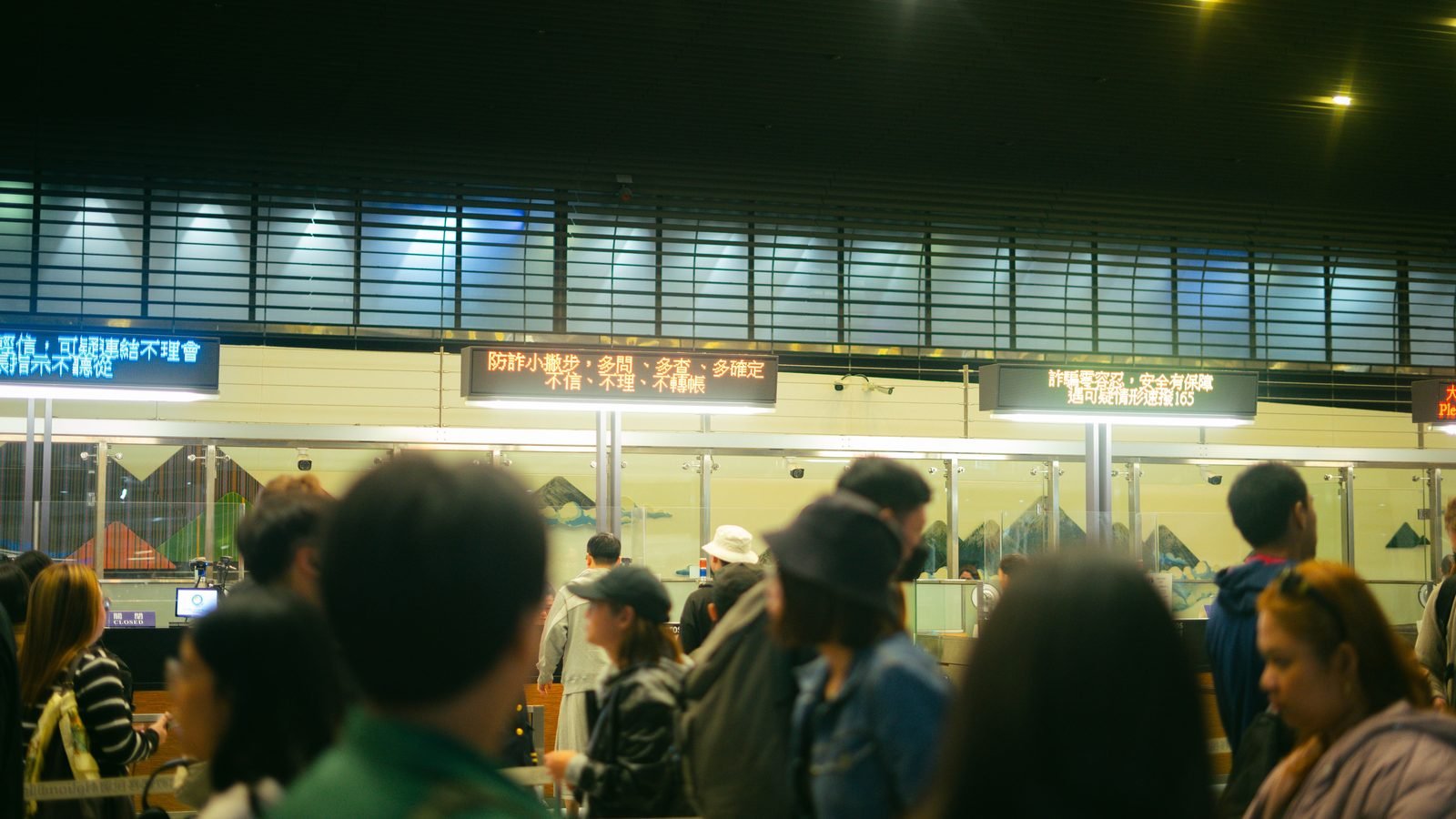
Before touching down at Incheon or Gimhae airport, you can fill out the online e-Arrival Card (e-arrivalcard.go.kr) up to three days before landing, or complete the paper arrival card handed out by cabin crew. Travelers holding an approved K-ETA skip the arrival card entirely. Keep your accommodation address and a contact phone number written down in English and Korean on your phone’s offline notes. Keep your passport accessible. Border control queues move briskly, but missing address details will send you to the back of the queue.
Heads up: Avoid Third-Party Visa Scams
Only submit electronic travel authorizations through the official government website ending in .go.kr. Commercial intermediary sites charge up to ₩70,000 (about $52) for a standard application.
When to go and avoiding major holiday shutdowns
Timing your trip to South Korea requires checking the lunar calendar alongside the weather forecast. Spring (April through May) and autumn (September through November) offer crisp air, clear skies, and mild temperatures averaging 15°C to 22°C. September brings pleasant daytime warmth, though late-season typhoons can occasionally bring heavy rain. July and August bring the monsoon season (jangma) accompanied by oppressive humidity and temperatures climbing above 33°C, while winter months plunge well below freezing across northern regions like Seoul and Gangwon-do.
The critical logistical factor is steering clear of major holiday closures. Chuseok (Korean Thanksgiving) and Seollal (Lunar New Year) create nationwide shutdowns and massive transport bottlenecks. Chuseok shifts every single year. During these three-to-four-day windows, millions of locals travel from major cities to ancestral hometowns. High-speed train tickets sell out within minutes of release, highways freeze in gridlock, and independent mom-and-pop restaurants, traditional markets, and specialty boutiques close their doors for multiple days straight.
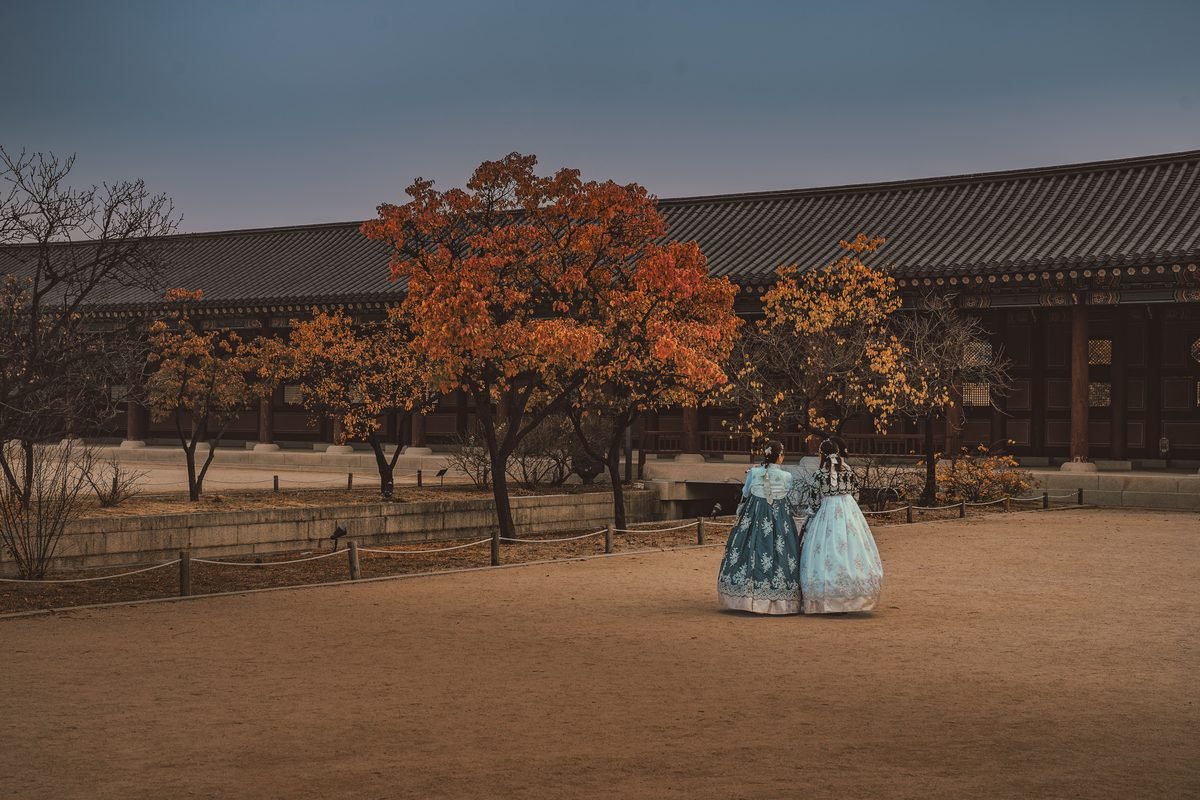
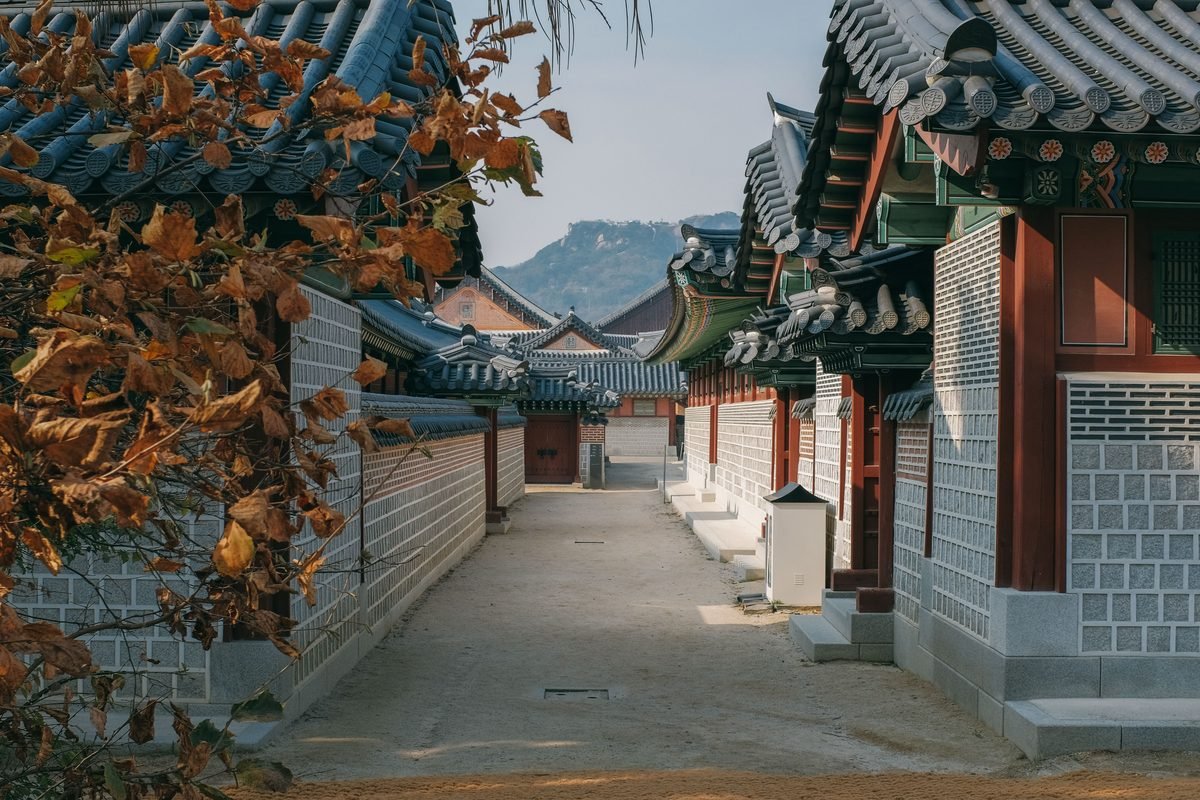
Major palace grounds and national museums in Seoul usually remain open during national holidays, often offering free admission and folk performances. However, neighborhood dining spots in areas like Euljiro, Seongsu, or Yeonnam-dong will be shuttered. If your travel dates coincide with Chuseok or Seollal, book your long-distance transport months ahead and plan your meals around hotel dining or large department store basements.
Tip: Chuseok Travel Planning
If you find yourself in Korea during Chuseok or Seollal, base yourself in Seoul rather than attempting cross-country travel. The capital is pleasantly quiet while intercity expressways grind to a halt.
Essential apps that work without a Korean phone number
Navigating daily life in Korea requires a specific suite of domestic smartphone applications. International staples like Google Maps cannot provide accurate walking, driving, or public transit directions due to national security regulations regarding local mapping data servers. To find your way through subway stations and winding alleys, download either Naver Map or KakaoMap before you board your flight.
Both mapping apps feature English interfaces, real-time bus arrivals, subway transfer paths, and platform exit numbers that tell you exactly which carriage door puts you nearest the stairs. Download both before departure. Naver Map tends to have stronger English search indexing for cafes and shops, while KakaoMap often provides superior public bus tracking down to the second.
For calling taxis, install Kakao T (Kakao Taxi). While Uber operates under the name UT in major cities, Kakao T has vastly larger driver coverage across the country. Crucially, Kakao T allows international travelers to select the “Pay to driver” (General Request) payment option, letting you pay the cab driver directly with physical cash or your foreign credit card upon arrival without needing a domestic bank account or Korean phone identity verification.
Translation is equally critical. Google Translate works for basic text, but Papago (developed by Naver) handles Korean idioms, honorific speech levels, and image-based menu translation with far greater accuracy. Finally, download Subway Korea for rapid offline transit mapping across Seoul, Busan, Daegu, Daejeon, and Gwangju subway systems.
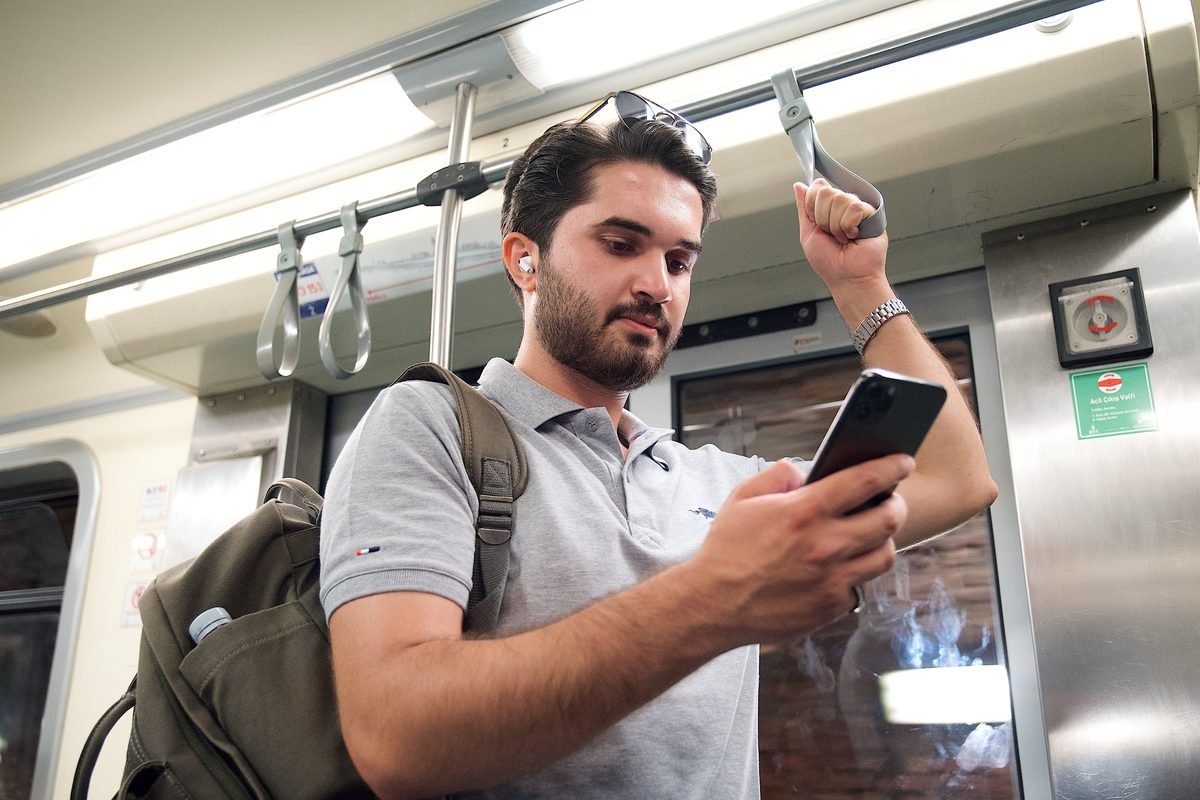
From a local: Searching Korean Maps
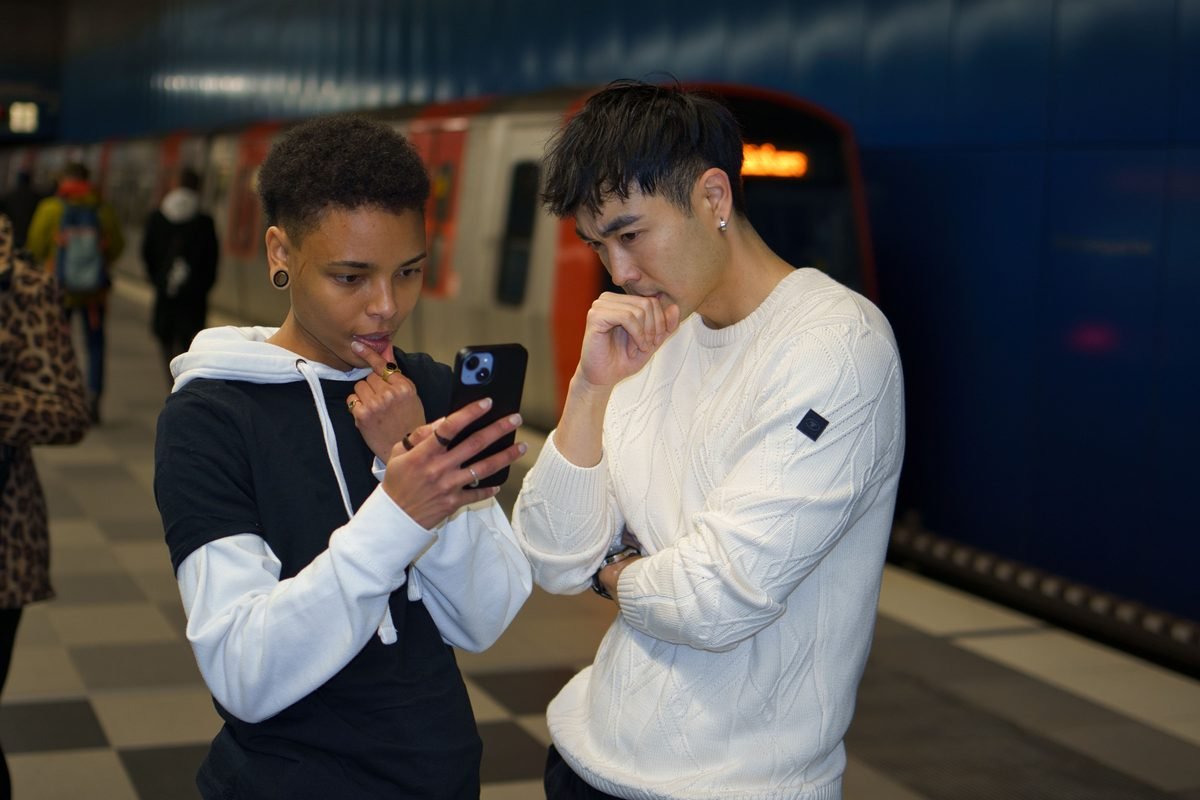
If an English name fails to appear in Naver Map, copy and paste the Korean Hangeul name or the direct street address from Google search to pinpoint the exact location immediately.
Cash vs card: understanding payments and T-money cards
South Korea is one of the most cashless societies on earth, with virtually every convenience store, taxi, cafe, and retail shop accepting international Visa and Mastercard credit cards. Even an espresso costing ₩2,500 (about $1.85) at a street kiosk is routinely settled with a quick card tap or chip insertion. However, relying entirely on plastic will leave you stranded at the subway turnstile. Cash still has its place.
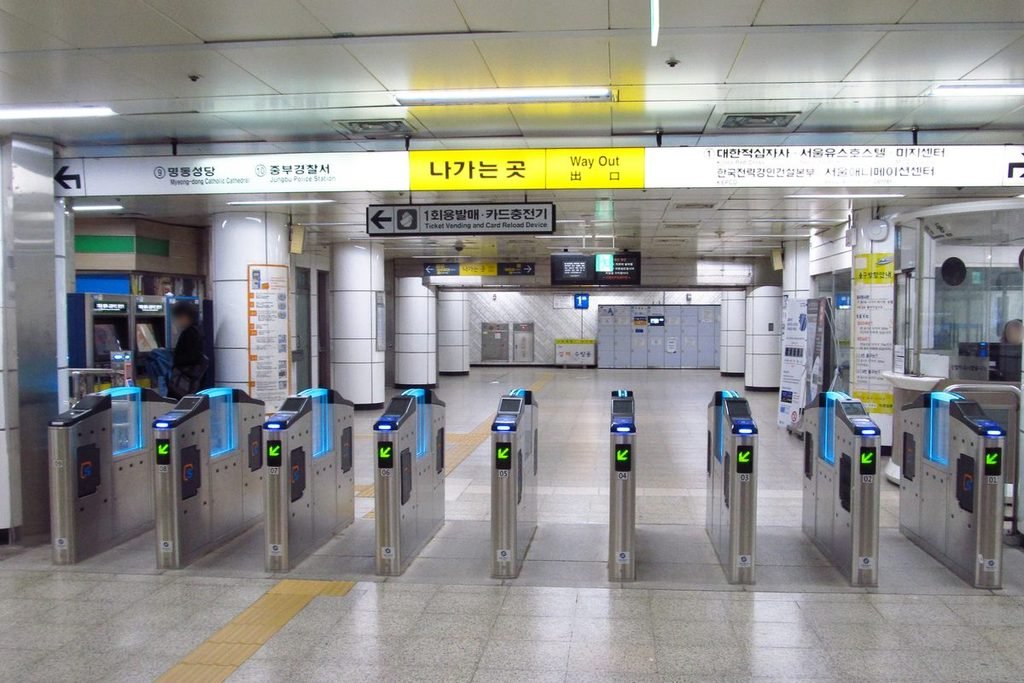
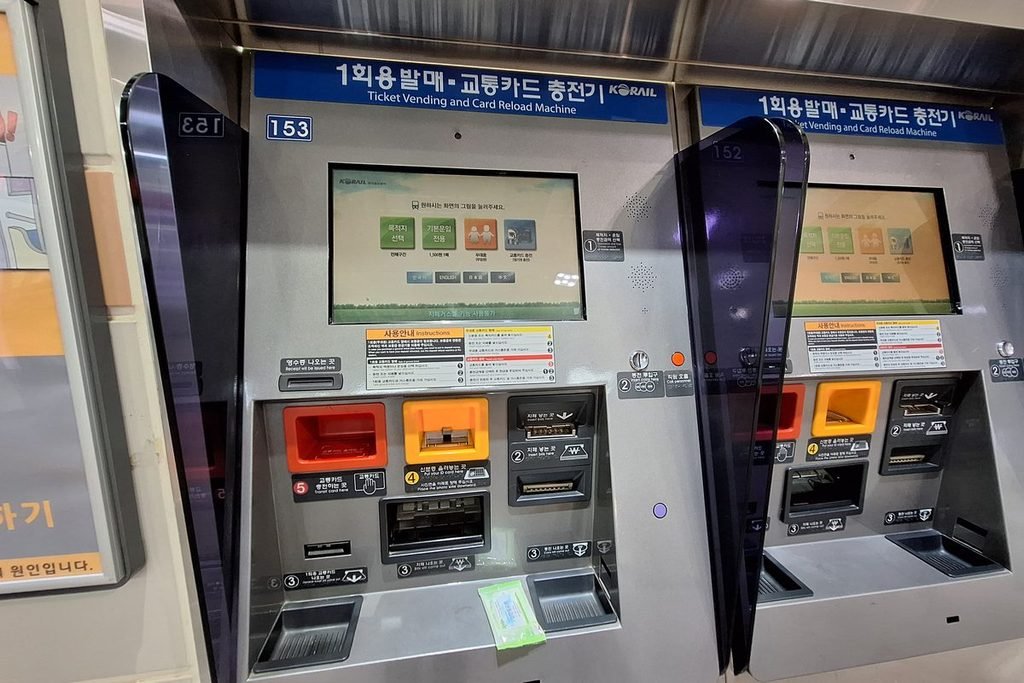
Public transit requires a physical transit card, most commonly a T-money card or Cashbee card. You can purchase an empty T-money card for roughly ₩4,000 (about $3) at any convenience store chain—such as CU, GS25, or 7-Eleven—or at automated machines inside subway stations. The catch for international visitors is that T-money reload machines inside stations and convenience store top-up counters strictly accept physical Korean Won banknotes. They do not accept credit cards or Apple Pay for transit card top-ups.
Carry at least ₩50,000 to ₩100,000 (about $37 to $75) in physical cash throughout your trip. Beyond transit reloads, you will need cash for street food vendors in markets like Gwangjang Market or Busan’s Jagalchi, luggage storage lockers at train stations, and coin laundry facilities. When withdrawing Won from bank ATMs, seek out machines labeled “Global ATM” found inside major banks like Shinhan, Hana, or KB Kookmin, as standard domestic ATMs often reject foreign-issued debit cards.
How to book KTX trains and regional transport in advance
Traveling between major Korean cities is remarkably swift thanks to the KTX (Korea Train Express) bullet train network and SRT (Super Rapid Train) lines. A journey from Seoul Station to Busan takes just two hours and fifteen minutes, while reaching Jeonju takes roughly an hour and a half. However, popular routes sell out quickly on Friday afternoons, Sunday evenings, and holiday weekends.
Tickets on Korail KTX trains open for reservation exactly one month prior to departure date at 07:00 KST. Book your seats directly on the official Korail English website (letskorail.com) or via the official KorailTalk mobile application. A standard one-way KTX ticket from Seoul to Busan costs approximately ₩59,800 (about $45), while Seoul to Jeonju runs about ₩34,400 (about $26). You do not need to print physical tickets; saving the PDF confirmation with your car and seat number on your phone is sufficient.
If you plan to visit regions not served by high-speed rail, such as the eastern coastal towns of Sokcho or Mount Seorak, express buses offer plush, reclining seats at budget-friendly prices. You can search schedules through the Kobus or T-money Bus portals, though international credit cards sometimes face payment gateway errors online. In such cases, purchasing your bus ticket at the terminal ticket counter on the day of travel or a day prior works smoothly outside of peak holidays.
Book ahead: KTX Reservation Window
Set a calendar reminder for 30 days before your desired travel date to secure high-speed rail seats between Seoul and Busan, especially for morning departures.
Practical gear, internet connectivity, and packing essentials
Staying connected the moment your plane touches down is straightforward in South Korea. While public Wi-Fi is widespread across subway cars and cafes, having constant cellular data is vital for on-the-go navigation and translation. For solo travelers or couples with unlocked phones, an eSIM is the most seamless option. You can purchase an unlimited data eSIM online prior to departure from providers like LG U+, KT, or SK Telecom, scanning the QR code upon arrival. The setup takes two minutes.
If you travel in a small family group or carry devices that lack eSIM compatibility, renting a portable Wi-Fi pocket router (commonly called an “egg”) from airport arrival counters is cost-effective, running roughly ₩3,300 to ₩5,500 (about $2.50 to $4.10) per day. Book your pocket Wi-Fi router online a few days ahead to guarantee availability and secure lower web-only rates.
Electrical outlets in South Korea supply 220V at 60Hz and utilize Type C and Type F plugs with two round pins (identical to standard continental European sockets). Travelers from North America, the UK, or Australia must carry grounded plug adapters. In addition, pack slip-on walking shoes. Korean exploration involves substantial walking—frequently exceeding 15,000 steps daily across hilly terrain—and numerous traditional restaurants, hanok stays, and temple halls require guests to remove shoes at the entrance.

What it costs in Korea
| Item | Local price | USD |
|---|---|---|
| Blank T-money transit card | ₩4,000 | $3.00 |
| Seoul subway / city bus base ride | ₩1,550 / ₩1,500 | $1.15 / $1.10 |
| KTX express train (Seoul to Busan, standard) | ₩59,800 | $45.00 |
| Casual meal (Bibimbap, Kalguksu, or Kimchi Jjigae) | ₩9,000 – ₩14,000 | $6.75 – $10.50 |
| Korean BBQ dinner with side dishes and beer | ₩25,000 – ₩40,000 | $18.75 – $30.00 |
| Unlimited data eSIM (7-day pass) | ₩27,500 | $20.50 |
| Mid-range business hotel in Seoul (per night) | ₩120,000 – ₩180,000 | $90.00 – $135.00 |
| Typical daily budget (transport, food, modest stay) | ₩160,000 – ₩230,000 | $120.00 – $170.00 |
Prices checked September 2026. Always confirm with the provider before you book.
Mistakes to avoid
- Relying exclusively on Google Maps for walking and public transit routing, which leads to dead ends and missing route options.
- Failing to carry physical cash banknotes to reload T-money transit cards at subway station kiosks and convenience stores.
- Scheduling cross-country train journeys on major lunar holidays (Chuseok and Seollal) without reserving seats thirty days in advance.
FAQ
Why is a Korea travel planning checklist important for first-time visitors?
South Korea uses specialized domestic digital platforms and specific banking methods that differ from Western destinations. A Korea travel planning checklist ensures you download functioning navigation apps, understand cash requirements for transit, and avoid major holiday transport bottlenecks before landing.
Can I use foreign credit cards everywhere in South Korea?
Foreign Visa and Mastercard credit cards work across almost all retail stores, hotels, cafes, and restaurants in South Korea. However, you must carry cash Won to top up physical T-money transit cards and shop at traditional street food stalls.
Do I need a Korean phone number to order food or call taxis?
You do not need a domestic phone number to hail taxis if you use Kakao T’s ‘Pay to driver’ feature or use the UT app. However, domestic delivery apps like Baemin generally require Korean identity verification, so dining out or picking up takeout directly is simpler for travelers.
How much cash should I carry per day in Korea?
Carrying around ₩20,000 to ₩30,000 (about $15 to $22) per person per day is plenty for subway card top-ups and market snacks, as your regular dining and shopping can be charged directly to a credit card.
What power adapter do I need for South Korea?
South Korea operates on 220V electrical systems at 60Hz and uses Type C and Type F power plugs with two round pins. Travelers from countries with flat-prong or three-prong plugs will need a standard continental European adapter.