
Osaka Street Food Guide: Beyond Takoyaki

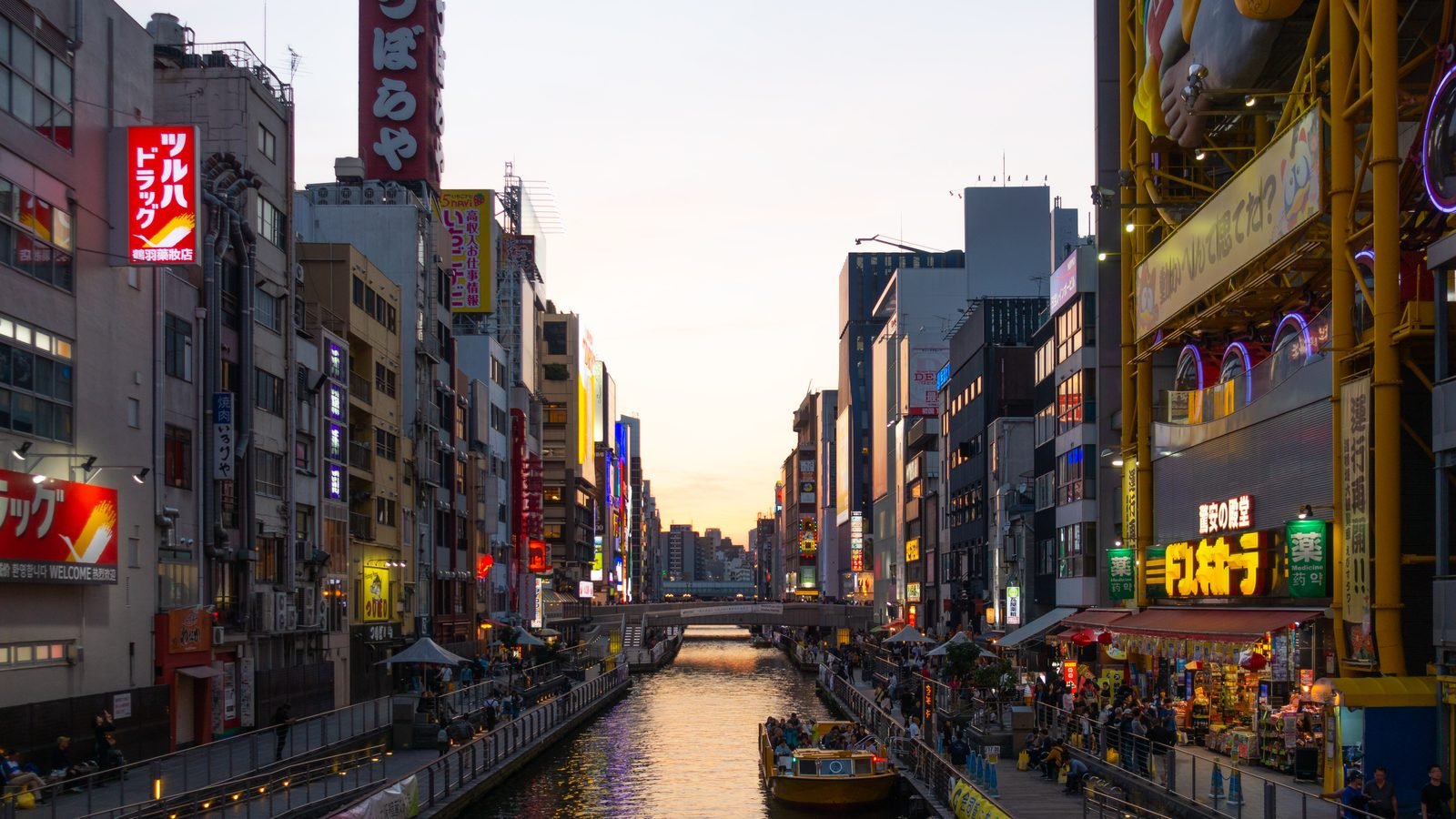
A hiss of steam rises from a massive steel griddle as a vendor flips forty octopus balls with a metal pick. It is 9:00 PM in southern Osaka, and the air smells of savory dashi, sweet soy sauce, and toasted seaweed. This city does not sleep on an empty stomach. If you want to eat like a local, you need a practical roadmap that bypasses the tourist traps.
This Osaka street food guide is built for independent travelers who want to skip the long, hyped lines and find the real back-alley flavors. We will cover the exact timing for the famous markets, the unspoken rules of local dining, and how to explore the neighborhood drinking alleys without spending a fortune.
How to get to Osaka and navigate the food districts
Navigating Osaka is simple once you understand the city’s north-south layout. Most travelers arrive at Shin-Osaka Station via the Shinkansen bullet train from Tokyo, which costs about ¥14,700 (about $102) for a one-way reserved seat. From there, the Midosuji subway line is your main artery. It runs straight down the middle of the city, connecting the major hubs of Umeda in the north to Namba in the south. A single subway ride costs between ¥190 (about $1.30) and ¥390 (about $2.70) depending on the distance.
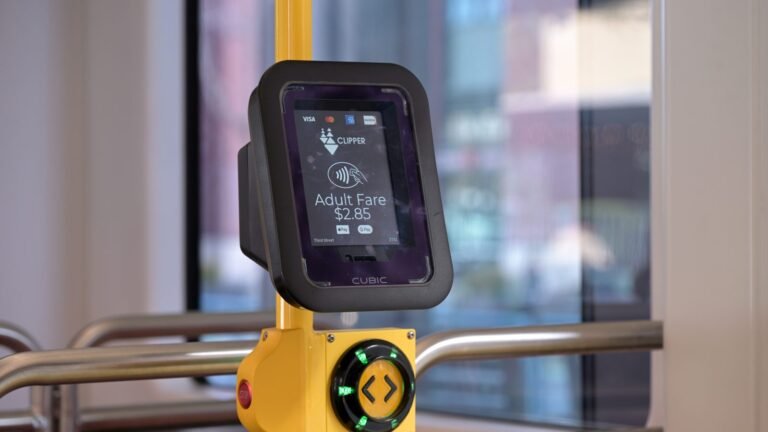
To make travel seamless, load a digital ICOCA or Suica card on your phone before you arrive. You can tap this at any ticket gate without waiting in line. Osaka is a culinary playground. Much of your food exploration will happen on foot. The walk from Shinsaibashi through Dotonbori down to Namba is a continuous stretch of covered shopping arcades and neon-lit side streets.
If you plan to jump between distant food neighborhoods like Tenma in the northeast and Shinsekai in the south, the Osaka Loop Line operated by JR is highly efficient. Taxis are clean and reliable, with fares starting around ¥680 (about $4.70) for the first two kilometers, but you rarely need them. Stick to the subways to save your budget for the food stalls. Keep your transit card topped up with at least ¥2,000 (about $14) daily to ensure you never get stuck at a turnstile during the evening rush hour.
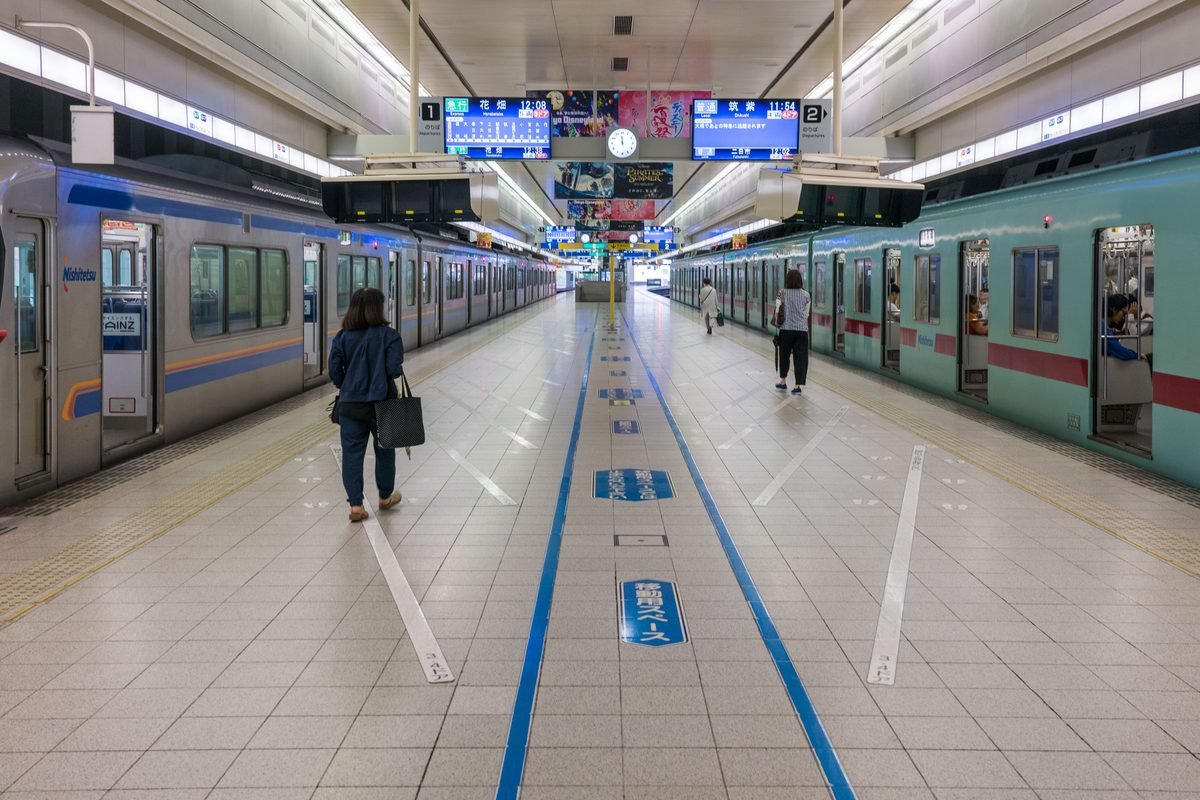
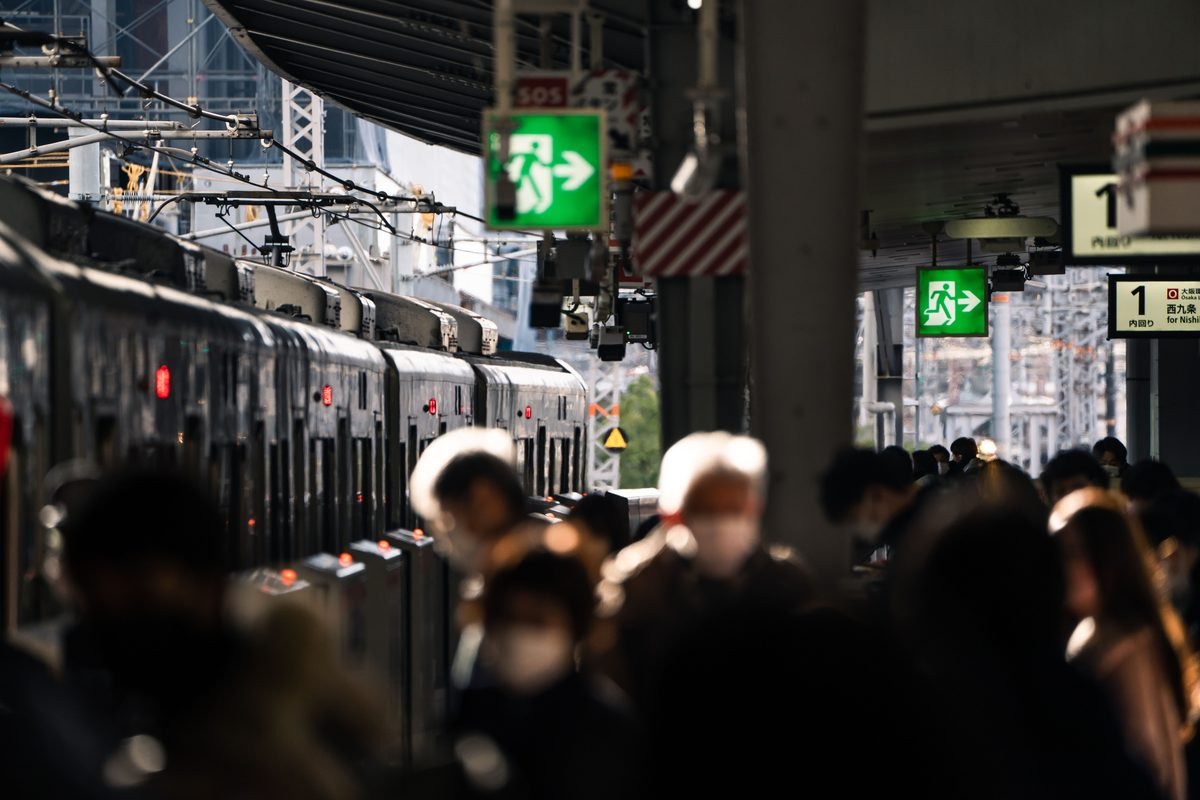
Heads up: Escalator Etiquette Differences
Unlike in Tokyo where people stand on the left, commuters in Osaka stand on the right side of the escalator. Keep the left side clear for people who are walking past.
The ultimate Osaka street food guide to Kuromon Market timing
Kuromon Ichiba Market has been Osaka’s kitchen for over a century, but visiting it today requires strategic timing. The covered market spans about 600 meters and contains roughly 150 shops specializing in fresh seafood, meats, and seasonal fruits. If you arrive too late, you will find yourself shuffling shoulder-to-shoulder behind massive tour groups. The best time to walk these aisles is between 9:30 AM and 11:00 AM.
Most vendors are fully set up by 9:30 AM, but the heavy lunch crowds have not yet arrived. By 11:30 AM, the lanes pack out, and some vendors raise prices on premium items like grilled wagyu skewers or sea urchin. Expect to pay about ¥3,000 (about $21) for a small tray of fatty tuna sashimi, or roughly ¥1,500 (about $10.50) for a giant grilled scallop served in its shell.
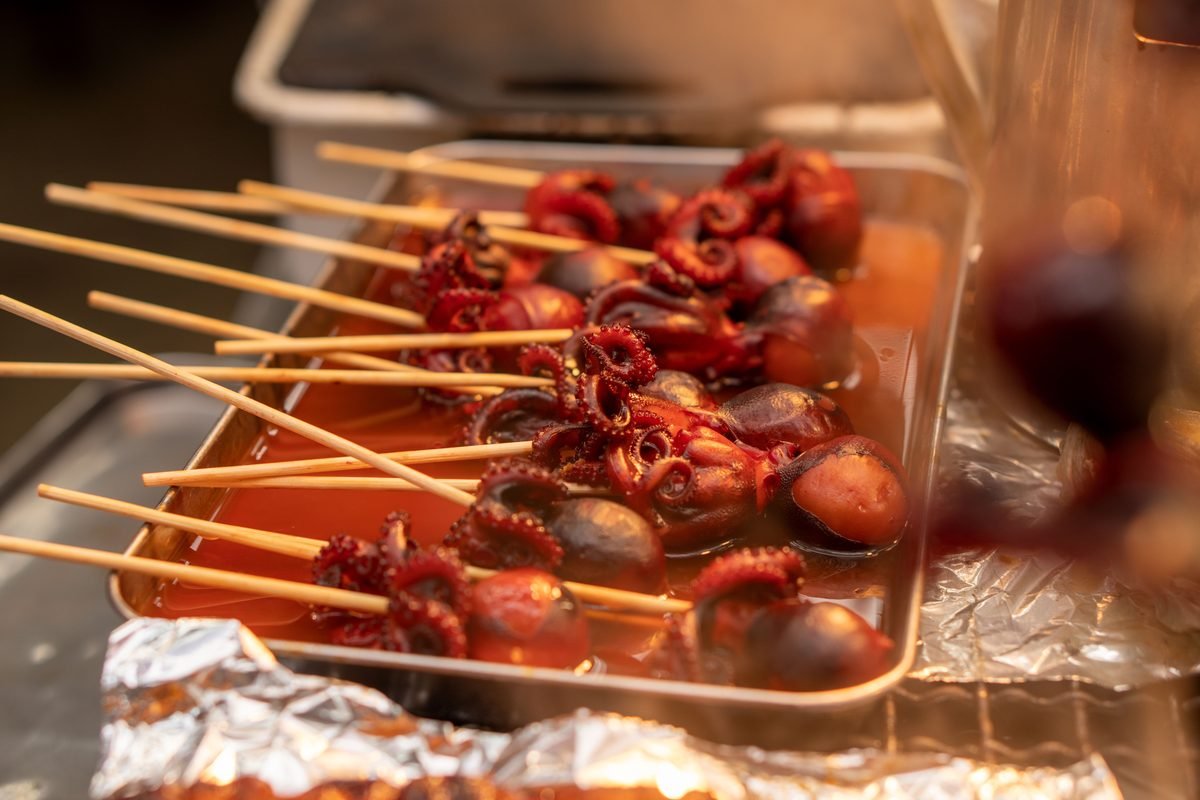
While some critics argue that Kuromon has become too tourist-oriented, you can still find authentic, reasonably priced bites if you look closely. Avoid the flashy stalls with English-only signs near the main entrances. Instead, seek out the smaller, older stalls deeper in the side alleys. Look for shops where local home cooks are buying their daily groceries. Here, you might find a cup of freshly squeezed soy milk for ¥150 (about $1) or a skewer of marinated baby octopus for ¥400 (about $2.80). Always carry small coins.
Tip: Discount Supermarket Alternative
If you want to try premium wagyu beef without the high market prices, look for local supermarket chains like Life or Tamade in the evening when they slash prices on fresh meat sets by up to fifty percent.
What to eat in Dotonbori beyond takoyaki
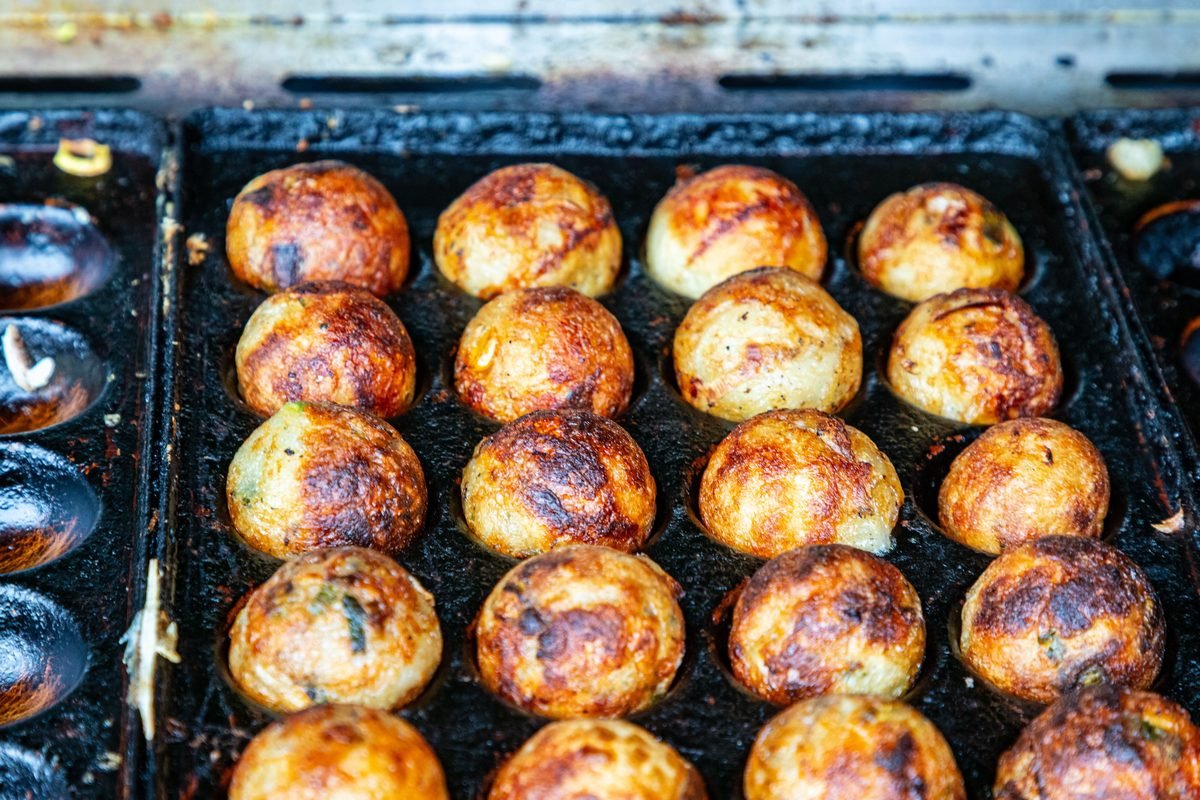
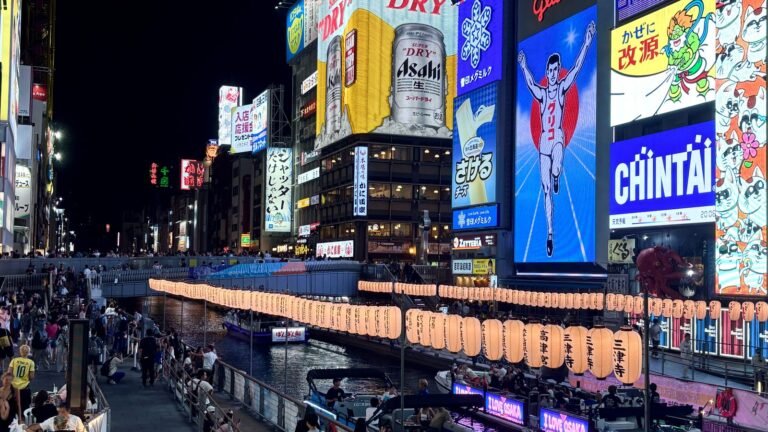
Dotonbori is the undisputed epicenter of Osaka’s nightlife, famous for its giant mechanical crabs and glowing neon signs. While almost every visitor lines up for takoyaki, this district has far more to offer. Skip the massive lines at the canal-side octopus ball stalls and look for okonomiyaki, Osaka’s signature savory cabbage pancake. A classic version loaded with pork belly, squid, and sweet brown sauce costs about ¥1,200 (about $8.30) at local basement parlors.
Another local favorite is gyoza. You can spot the famous Osaka Ohsho branch by the massive plastic dumpling mounted on its facade. A plate of six pan-fried pork dumplings costs roughly ¥350 (about $2.40) and comes with a perfectly crispy skirt. For a sweet treat, seek out freshly baked melonpan. This sweet melon-flavored bread is sliced open and stuffed with cold vanilla ice cream for about ¥500 (about $3.50). The contrast of hot, crunchy bread and freezing cream is spectacular.
If you want seafood, skip the sit-down restaurants and buy a pair of charcoal-grilled crab legs from the street-facing grill at Kani Doraku for roughly ¥1,000 (about $7). The neon lights blink above. As you wander, look for the narrow alley of Hozenji Yokocho just a block south of the canal. This stone-paved lane feels like a different century. It is home to tiny taverns serving deep-flavored beef tendon stew, known as doteyaki, for about ¥600 (about $4.20) per bowl.
How to eat kushikatsu without breaking the rules
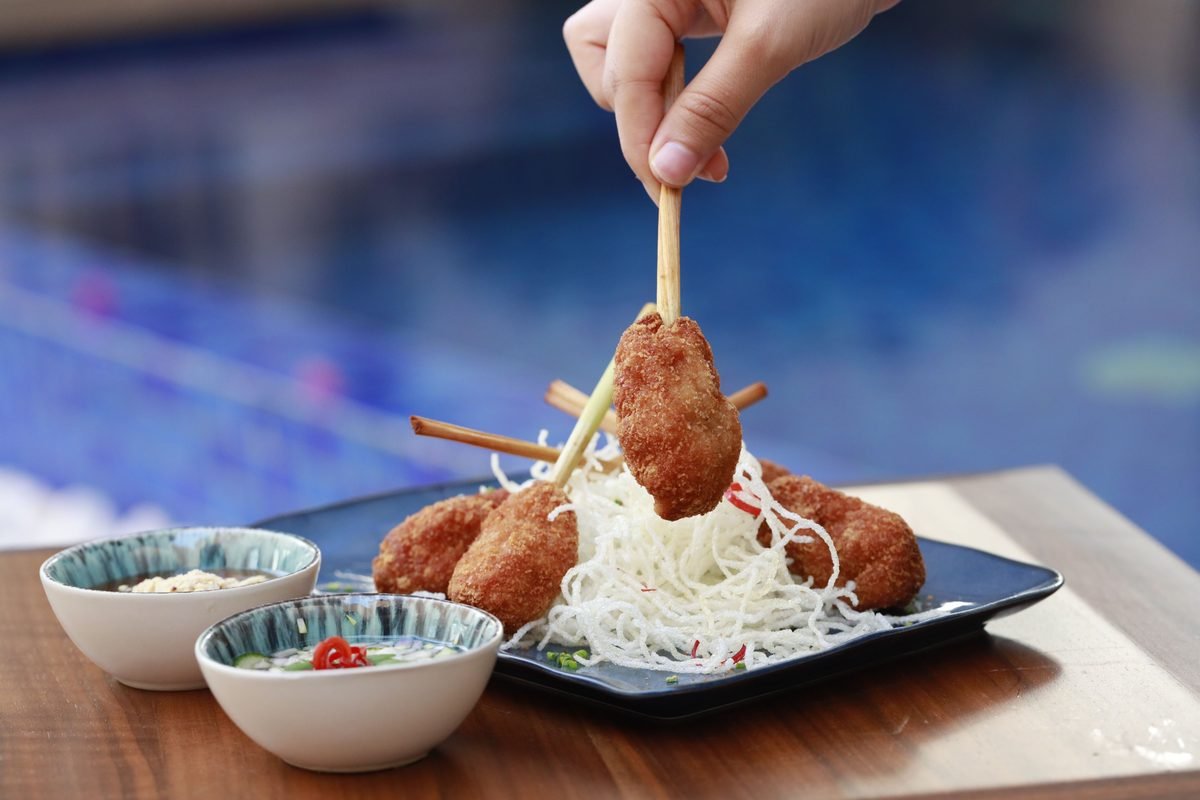
Shinsekai is the spiritual home of kushikatsu, which consists of skewered meat, seafood, and vegetables coated in panko and deep-fried to a golden crunch. The neighborhood was built in 1912 with the Tsutenkaku Tower at its center, and it still retains a gritty, retro charm. When you sit down at a kushikatsu counter, you will face a communal stainless-steel vat of dark, sweet Worcestershire-style sauce. Do not double dip.
This is the absolute law of the kushikatsu shop. Because the sauce container is shared among all customers throughout the day, you must dip your skewer exactly once before taking a bite. If you need more sauce, use the free pieces of raw cabbage provided at your seat as a spoon to scoop sauce from the vat onto your plate. Many modern shops have transitioned to squeeze bottles to prevent hygiene issues, but the traditional communal vats still exist in older establishments.
Expect to pay about ¥120 (about $0.80) to ¥300 (about $2.10) per skewer depending on the ingredient. Beef, quail eggs, lotus root, and cheese are local favorites. A cold draft beer pairs perfectly with these hot, crunchy skewers, costing about ¥500 (about $3.50). Grab a cold beer. It cuts through the grease beautifully. Order your skewers in small batches of three or four at a time so they stay piping hot.
Heads up: Strict Dipping Rules
Never double dip your skewer into the communal sauce container even if you think no one is watching. If you need more sauce, use a piece of raw cabbage to ladle it onto your plate.
Where to find local standing bars in Tenma
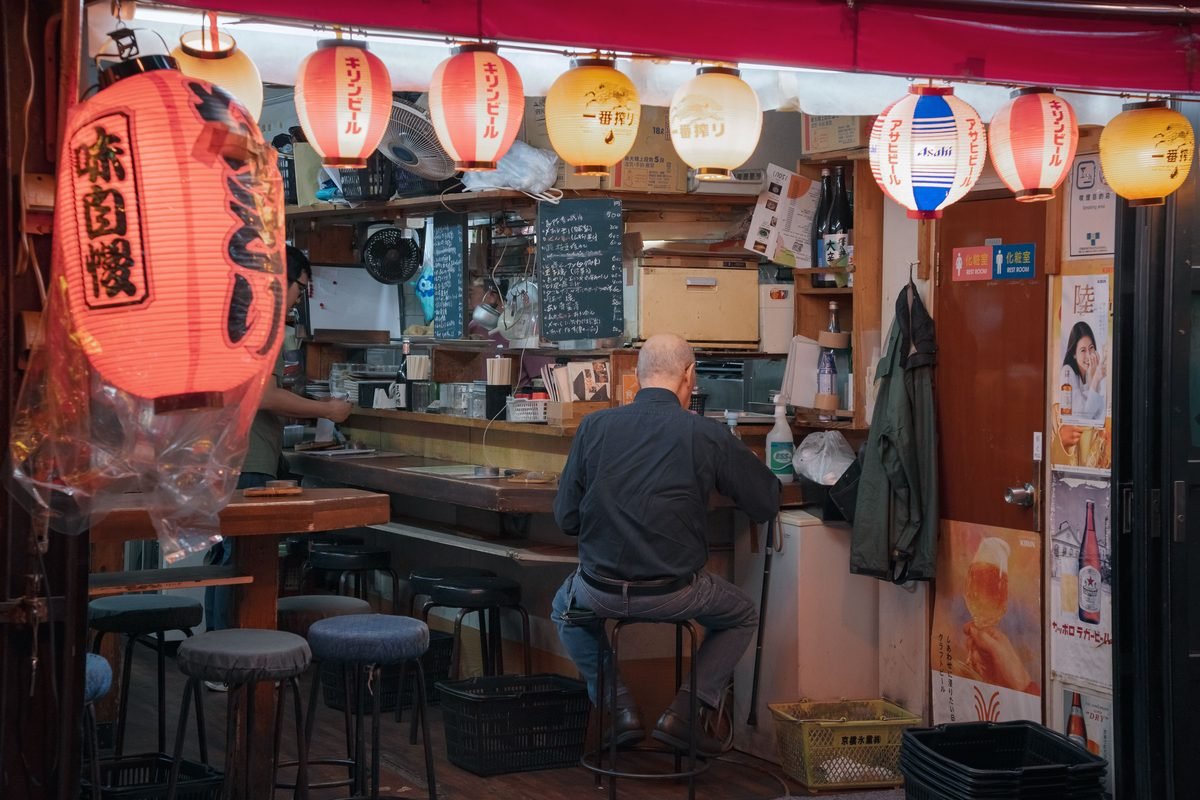
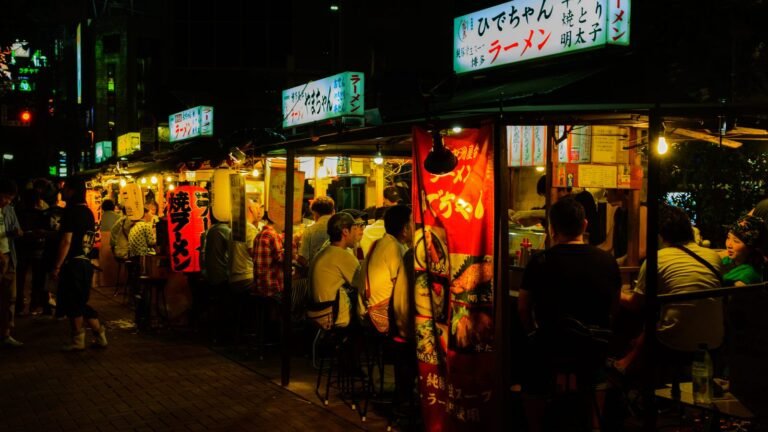
To experience where Osaka’s working class winds down after dark, take the JR Loop Line to Tenma Station. This northern neighborhood is home to Tenjinbashi-suji, the longest shopping arcade in Japan. Once the sun sets, the narrow streets surrounding the station transform into a maze of tiny standing bars, known locally as tachinomi. These bars have no seats, which keeps the prices low and the atmosphere incredibly social.
You will stand shoulder-to-shoulder with salarymen and creative locals, sharing space at narrow wooden counters. The food here is cheap, fresh, and designed to accompany alcohol. You can order a plate of daily sashimi for about ¥450 (about $3.10), grilled chicken skewers for ¥150 (about $1) each, or a bowl of simmered daikon radish for roughly ¥200 (about $1.40). A large bottle of domestic lager typically costs around ¥400 (about $2.80).
It is common practice to order one drink and two small plates before moving on to the next bar. This style of bar-hopping is called hashigozake, or ladder drinking. Do not be intimidated by the lack of English menus in the deeper alleys. Many bartenders are incredibly welcoming and will help you order using translation apps or by pointing at what your neighbor is eating. Keep your cash visible on the counter, as some traditional tachinomi operate on a pay-as-you-go system.
From a local: Joining the Crowd
If a standing bar is completely full, gently squeeze in and say ‘sumimasen’ (excuse me). Locals will often happily make room for you to squeeze onto the edge of the counter.
How much does an Osaka food crawl cost
Budgeting for an Osaka street food adventure is highly manageable compared to other global culinary capitals. While high-end sushi and wagyu dinners can easily drain your wallet, a dedicated street food crawl is remarkably affordable. To eat well without holding back, plan for a daily food budget of roughly ¥6,000 (about $42) per person. This budget allows you to try five or six different specialties, enjoy a couple of local beers, and grab a sweet dessert.
For example, a morning snack of fresh scallops at Kuromon Market costs about ¥1,500 (about $10.50). A lunch of okonomiyaki in Dotonbori adds roughly ¥1,200 (about $8.30). An afternoon snack of takoyaki costs about ¥600 (about $4.20) for a boat of eight pieces. For dinner, a dozen kushikatsu skewers in Shinsekai along with a drink will run you about ¥2,500 (about $17.30). Cash is still king here.
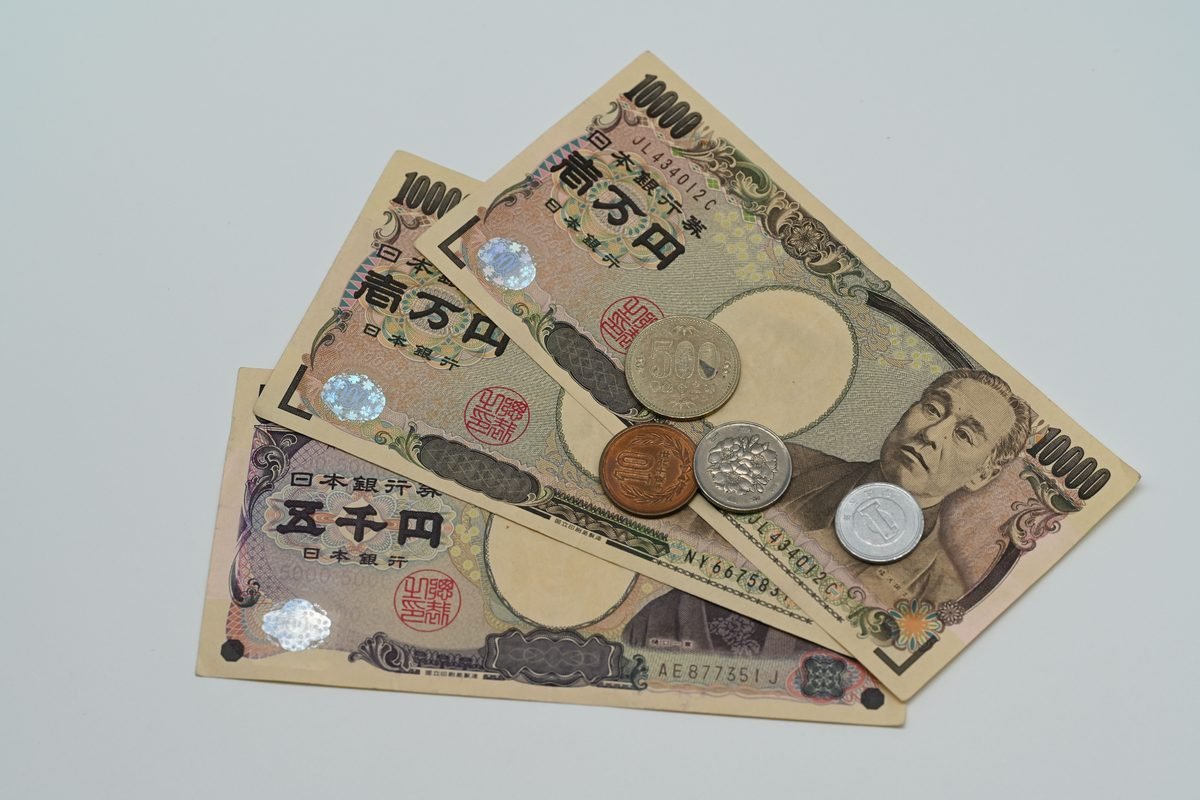
While major convenience stores and modern restaurants accept credit cards, many of the best alleyway stalls and standing bars do not. Always carry a pocketful of ¥100 and ¥500 coins along with ¥1,000 bills. ATM withdrawals are easiest at 7-Eleven or FamilyMart convenience stores, which charge a small fee of about ¥110 (about $0.80) to ¥220 (about $1.50) per transaction. If you want to stretch your yen further, seek out the lunch sets offered by local diners between 11:30 AM and 2:00 PM.
What it costs in Osaka
| Item | Local price | USD |
|---|---|---|
| Subway single ride | ¥240 | about $1.70 |
| Takoyaki boat (8 pieces) | ¥600 | about $4.20 |
| Okonomiyaki pancake | ¥1,200 | about $8.30 |
| Kushikatsu skewer | ¥150 | about $1.00 |
| Large domestic draft beer | ¥500 | about $3.50 |
| Grilled scallops at Kuromon | ¥1,500 | about $10.50 |
| Daily food crawl total | ¥6,000 | about $42.00 |
Prices checked September 2026. Always confirm with the provider before you book.
Mistakes to avoid
- Trying to pay with credit cards at small alleyway food stalls.
- Visiting Kuromon Market after midday when massive tour groups arrive.
- Standing on the left side of the escalator as you would in Tokyo.
FAQ
Is this Osaka street food guide suitable for vegetarians?
Honestly, vegetarian street food can be challenging in Osaka because most savory dishes contain dashi (fish stock) or pork fat. However, you can find vegetarian-friendly options like grilled skewered rice cakes, sweet potato desserts, and vegetable kushikatsu if you ask the vendor to prepare them without meat or seafood products.
What is the best time of year to visit Osaka for street food?
Spring and autumn offer the most comfortable weather for outdoor dining and walking between food stalls. September and October are especially pleasant as the summer heat fades, making it ideal for evening food crawls through Dotonbori.
Do I need to tip at standing bars in Osaka?
No, tipping is not practiced in Japan and can sometimes cause confusion or embarrassment. If a standing bar has a small cover charge, it will be clearly listed on the bill or presented as a small mandatory appetizer called otoshi.
Can I eat while walking down the street in Osaka?
Generally, eating while walking is considered bad manners in Japan. It is best to stand near the stall where you purchased your food, finish eating there, and use their trash can to discard your wrappers and skewers before moving on.
How do I get from Kansai Airport to the Namba food district?
The fastest option is the Nankai Electric Railway Rapi:t limited express train, which takes about 38 minutes and costs roughly ¥1,450 (about $10). Alternatively, the regular Nankai airport express train takes 44 minutes and costs ¥970 (about $6.70).

One Comment