Gangneung coffee street and beaches: Weekend guide

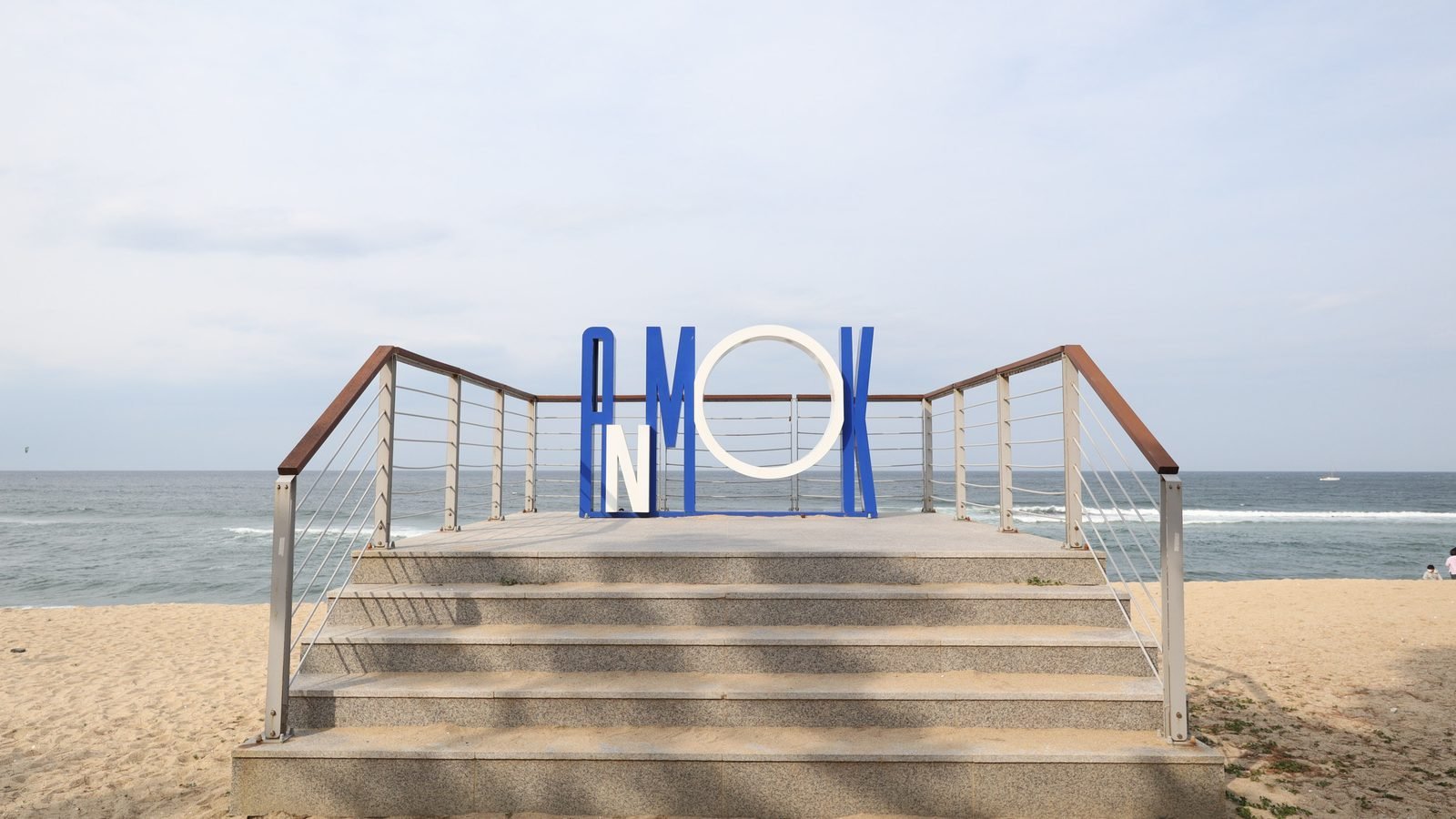
I still remember my first winter trip to Gangneung, shivering on the sand with a paper cup of sweet, steaming vending machine coffee that cost exactly ₩500 (about $0.35). The East Sea was a deep, shocking blue, completely different from the muddy yellow waters of the west coast near Seoul. That humble paper cup was my introduction to Korea’s most famous coastal coffee culture, a tradition that has since evolved into a sprawling seaside phenomenon.
This guide to the Gangneung coffee street and beaches is written for independent travelers who want to escape the capital for a weekend of fresh sea air, incredible food, and deep coastal history. We will cover how to navigate the famous shoreline, compare the major sandy stretches, and find the best local meals without getting lost in the crowds.
How to reach the Gangneung coffee street and beaches from Seoul
Getting out of Seoul and heading to the east coast is remarkably simple thanks to the high-speed KTX Gangneung Line. The train departs regularly from Seoul Station and Cheongnyangni Station, whisking you across the mountainous spine of the peninsula in just under two hours. A standard one-way ticket from Seoul Station to Gangneung Station costs about ₩27,600 (about $20). The train ride is smooth. I highly recommend booking your tickets exactly thirty days in advance through the official Korail website, especially if you plan to travel on a Friday afternoon or Saturday morning when half of Seoul seems to head east.
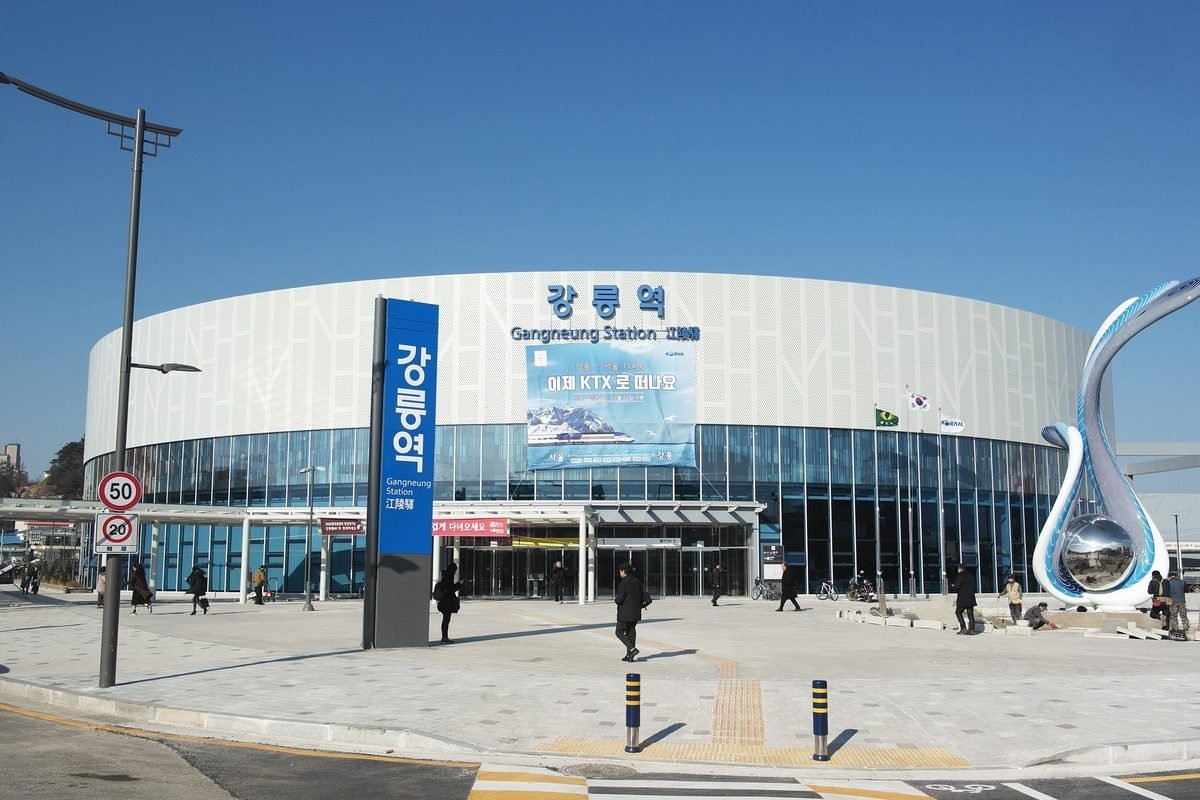
Once you arrive at Gangneung Station, you will find yourself in a modern, light-filled terminal. Since Google Maps does not provide reliable walking or transit directions in South Korea, you must download Naver Map or KakaoMap before you arrive. These apps will show you exactly which local bus to take. To reach Anmok Beach directly from the station, you can hop on Bus 223 or 302, which takes roughly twenty-five minutes and costs ₩1,500 (about $1.10) with a transportation card. If you prefer a faster route, a taxi from the station queue will get you to the coast in about ten minutes for roughly ₩7,000 (about $5.20). Base taxi fares in this region start at ₩4,800 (about $3.50), making short rides highly affordable for small groups.
If you have extra time, consider taking a slower, scenic journey. While the KTX is the fastest option, express buses also run from the Seoul Express Bus Terminal to the Gangneung Intercity Bus Terminal for about ₩23,000 (about $17). This journey takes nearly three hours depending on weekend traffic along the Yeongdong Expressway, but it offers a look at the rugged Gangwon Province countryside.
Book ahead: Book your KTX seats early
Weekend trains to the east coast sell out rapidly. Set a calendar reminder for 10:00 AM Korean Standard Time exactly one month before your trip to secure your tickets on the official Korail site.
When to visit Gangneung and how locals spend weekends
September is arguably the finest month to experience this coastal city. The intense heat of the Korean summer has finally broken, leaving behind crisp, clear skies and water that remains warm enough for dipping your toes. September brings cool breezes. During this shoulder season, you avoid the massive crowds of July and August when school vacations turn the beaches into seas of parasols and inner tubes. It is a transitional time when the light softens, making it ideal for photography along the shoreline.
For Seoul residents, Gangneung is the ultimate weekend escape. The typical local itinerary is slow and deliberate. Rather than rushing from one landmark to another, locals come here to do what they call mul-meong—a modern Korean term that translates to staring blankly at the water to clear your mind. You will see friends sitting on the steps of beachside cafes, sipping iced Americanos, and watching the waves roll in for hours. It is a form of collective therapy after a stressful week in the capital.
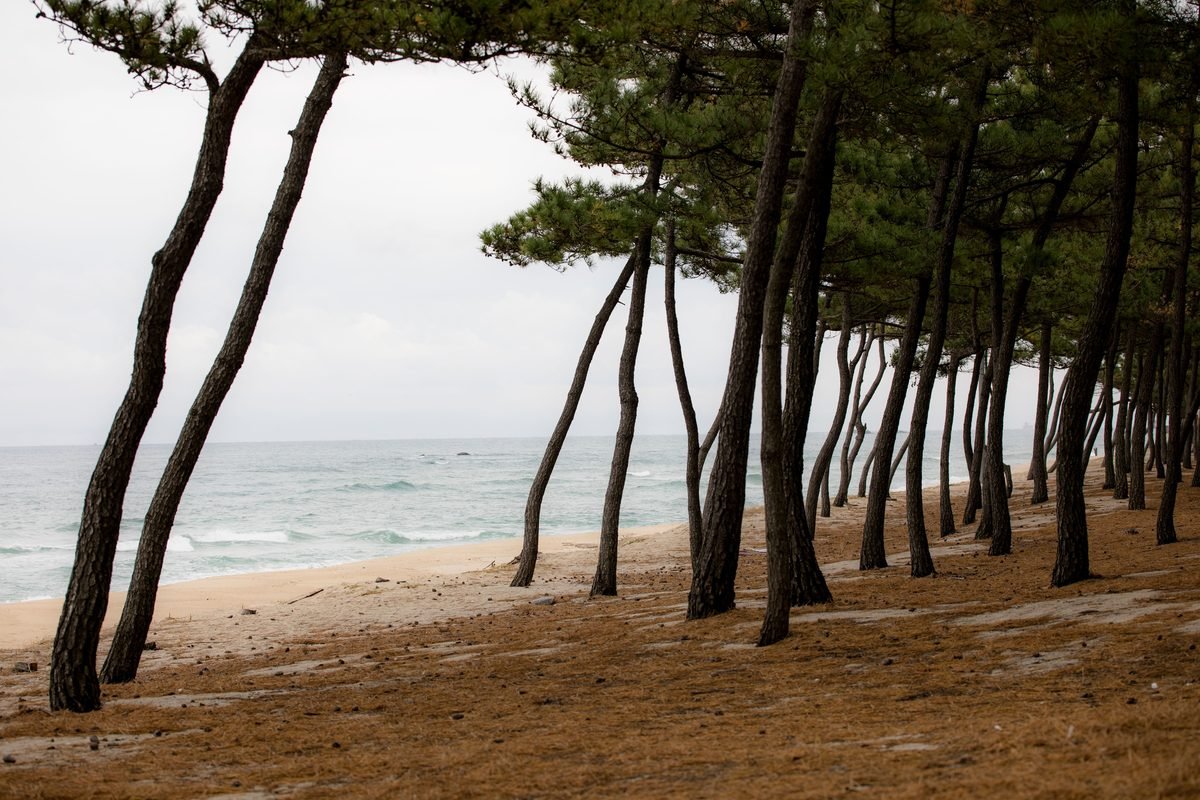
On a typical Saturday, a local weekend begins early with a comforting bowl of warm tofu soup, followed by a long, lazy walk along the coastal pine forest paths. In the afternoon, the crowd shifts toward the cafes, where people read, chat, or simply watch the changing colors of the sea. As evening falls, the focus turns to the local fish markets, where plates of sliced raw fish are paired with cold beer or soju. It is a simple, refreshing routine that prioritizes rest over checking off sightseeing boxes.
From a local: Join the mul-meong ritual
Find a quiet bench away from the main cafe strip around 4:00 PM. Put your phone away and just watch the waves for twenty minutes; it is the most authentic local experience you can have.
Comparing Gyeongpo Beach and Jumunjin Beach
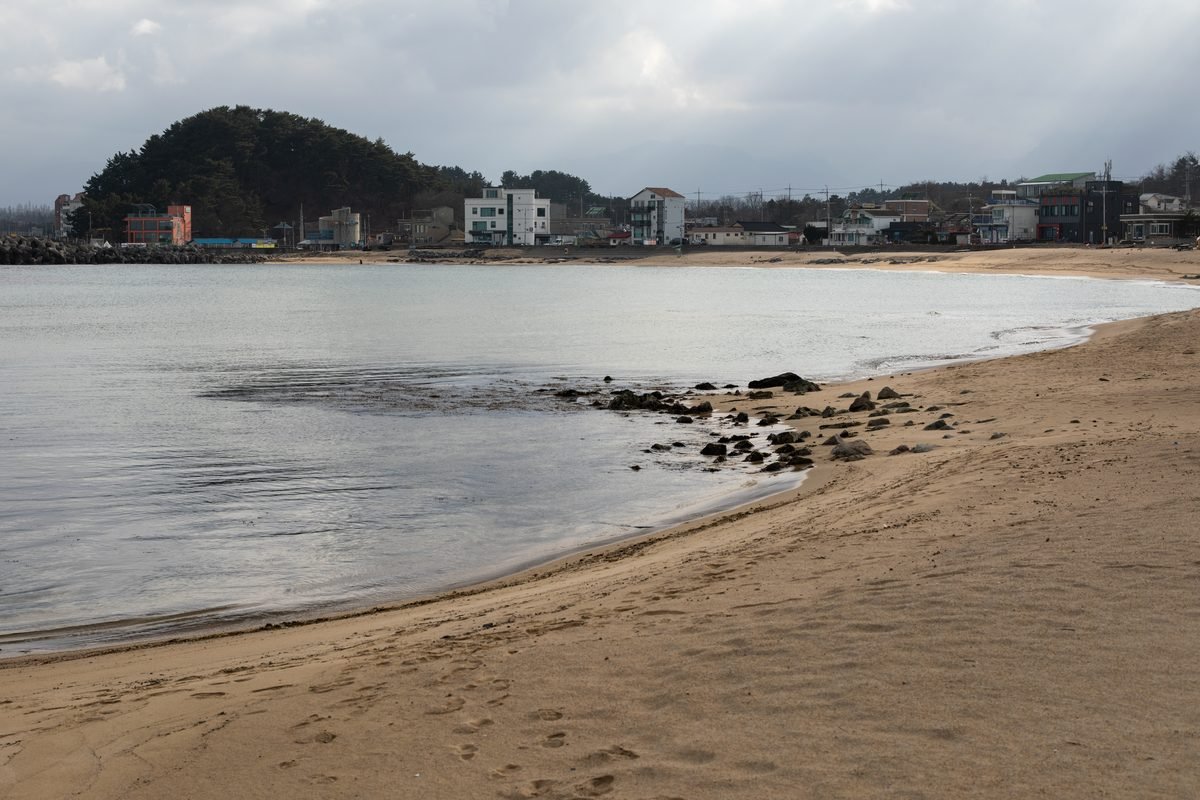
When planning your coastal itinerary, it helps to understand the distinct personalities of the city’s two most famous stretches of sand. Gyeongpo Beach is the grand dame of Gangneung. It stretches for several kilometers, flanked by a magnificent forest of ancient pine trees that provides cool shade even on sunny days. The sand is remarkably fine. Behind the beach lies Gyeongpo Lake, where you can rent tandem bicycles for about ₩10,000 (about $7.40) per hour to ride along the flat, scenic path. Gyeongpo is highly developed, featuring a wide wooden boardwalk, plenty of convenience stores, and a long line of traditional raw fish restaurants.
Jumunjin Beach, located about fifteen kilometers north of Gyeongpo, offers a completely different atmosphere. It is world-famous among music fans as the location of the Jumunjin Bus Stop, a shelter built specifically for a BTS album cover photo shoot. Visitors queue patiently on the sand to take the exact same photo. Beyond the pop culture appeal, Jumunjin has a rugged, maritime character. The nearby Jumunjin Port is a working fishing harbor where you can watch fishermen unload their morning catch of squid and red crab.
Just south of Jumunjin Beach is Sodol Adeulbawi Park, where unusual rock formations have been carved by wind and waves over thousands of years. While Gyeongpo is perfect for long, uninterrupted walks on soft sand, Jumunjin is better for those who want a mix of coastal scenery, local fishing culture, and a bit of pop culture fun. If you have to choose, Gyeongpo feels more classic and expansive, while Jumunjin feels more active and varied.
Tip: How to visit both beaches
Do not try to walk between them. Take local Bus 300 or 302, which connects Gyeongpo and Jumunjin directly for ₩1,500 (about $1.10), saving you a costly taxi fare.
The history and coffee culture of Anmok Beach
To understand why Gangneung is considered the coffee capital of South Korea, you have to look back to the 1980s. Long before espresso machines and specialty beans arrived on the peninsula, Anmok Beach was famous for its long row of coffee vending machines. These were not ordinary machines; local vendors customized them, adjusting the ratios of instant coffee, powdered creamer, and sugar to create unique flavor profiles. College students and young couples from Seoul would ride the train down, walk along the beach, and debate which specific machine poured the best cup. It was a cheap, romantic escape.
This unique subculture caught the attention of professional baristas. In the early 2000s, pioneering coffee figures, including Park Yi-chu, established roasting houses in the city, elevating the local scene from instant powder to hand-dripped specialty brews. Today, those humble vending machines have mostly been replaced by multi-story, glass-fronted cafes. However, if you look closely, a few of the original machines still stand near the sand, offering a nostalgic cup of sweet coffee for just ₩500 (about $0.35).
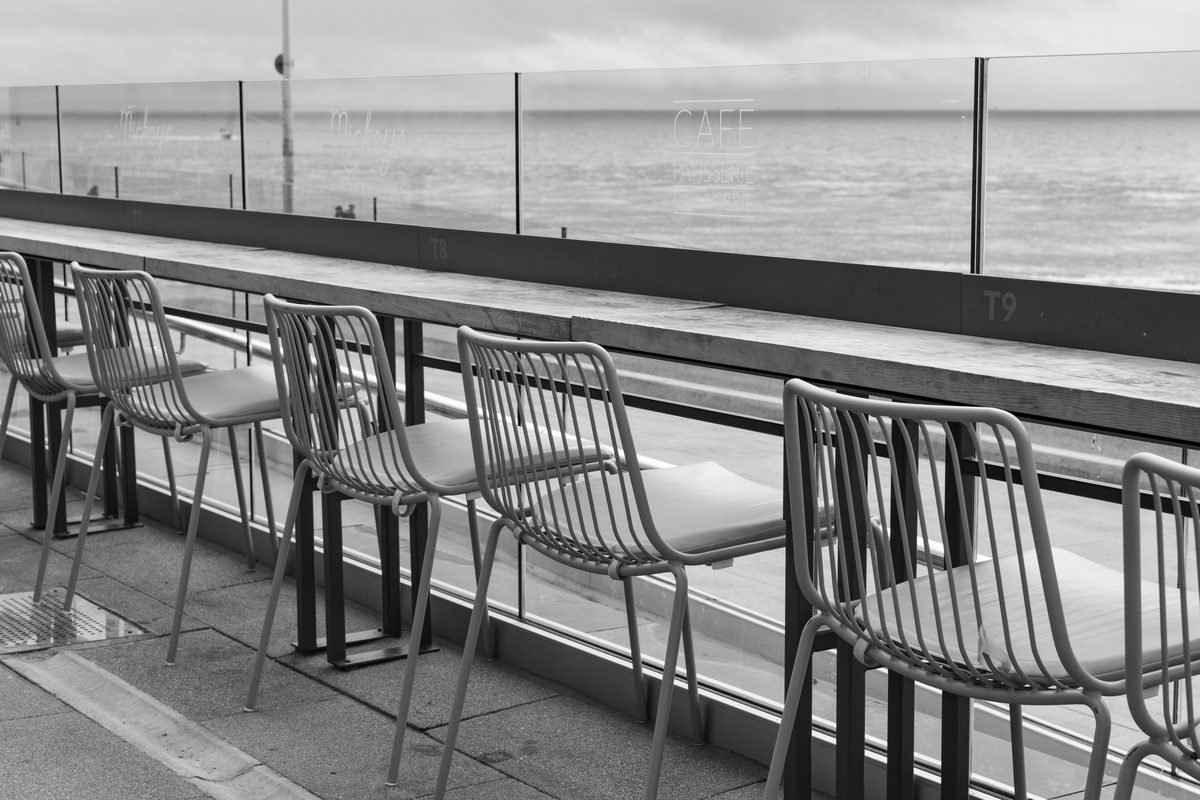
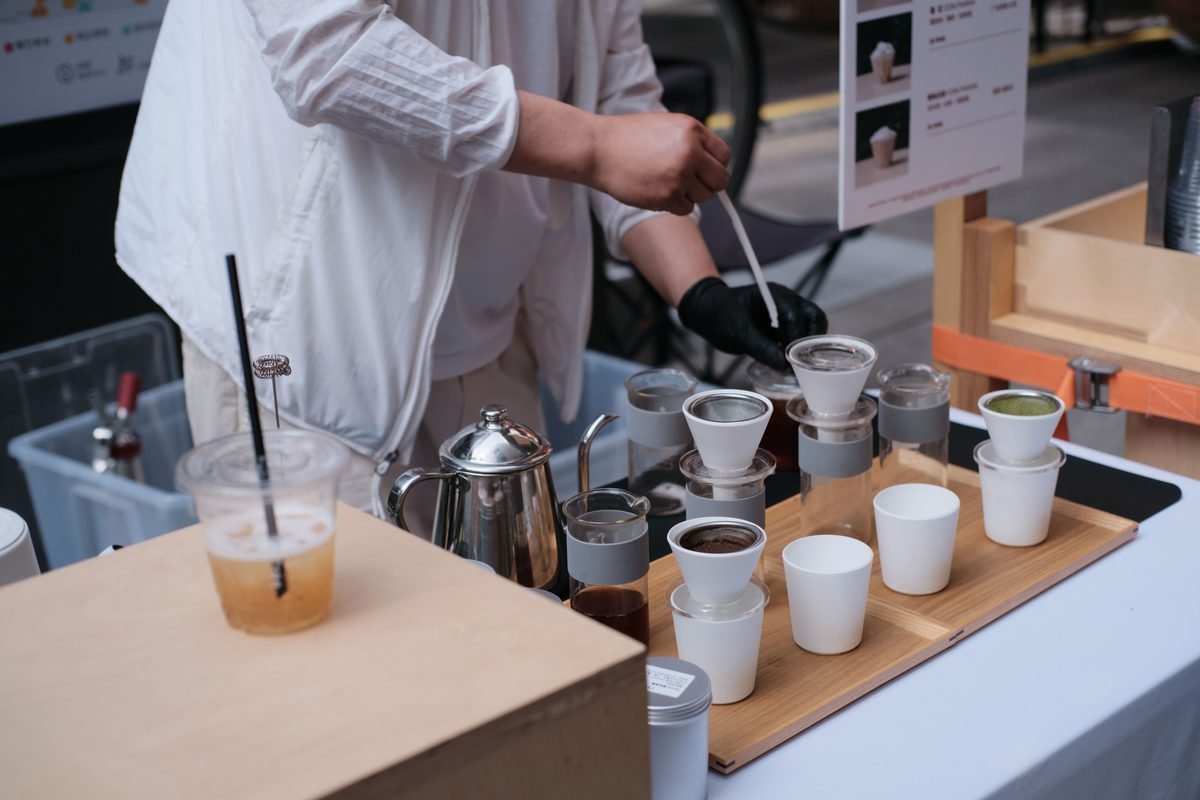
Walking down the modern Anmok Coffee Street today is a sensory experience. The aroma of freshly roasted coffee beans mixes with the salty sea air. Famous establishments like Coffee Cupper, which even has its own small coffee museum, and Bossa Nova Coffee Roasters dominate the strip. These cafes feature rooftop terraces where you can sit with a pour-over coffee, costing around ₩6,000 (about $4.40), and enjoy unobstructed views of the East Sea. This is not instant coffee. It is a highly developed craft that honors the city’s unique history while serving some of the best beans in the country.
Where to eat in Gangneung: Chodang Sundubu Village
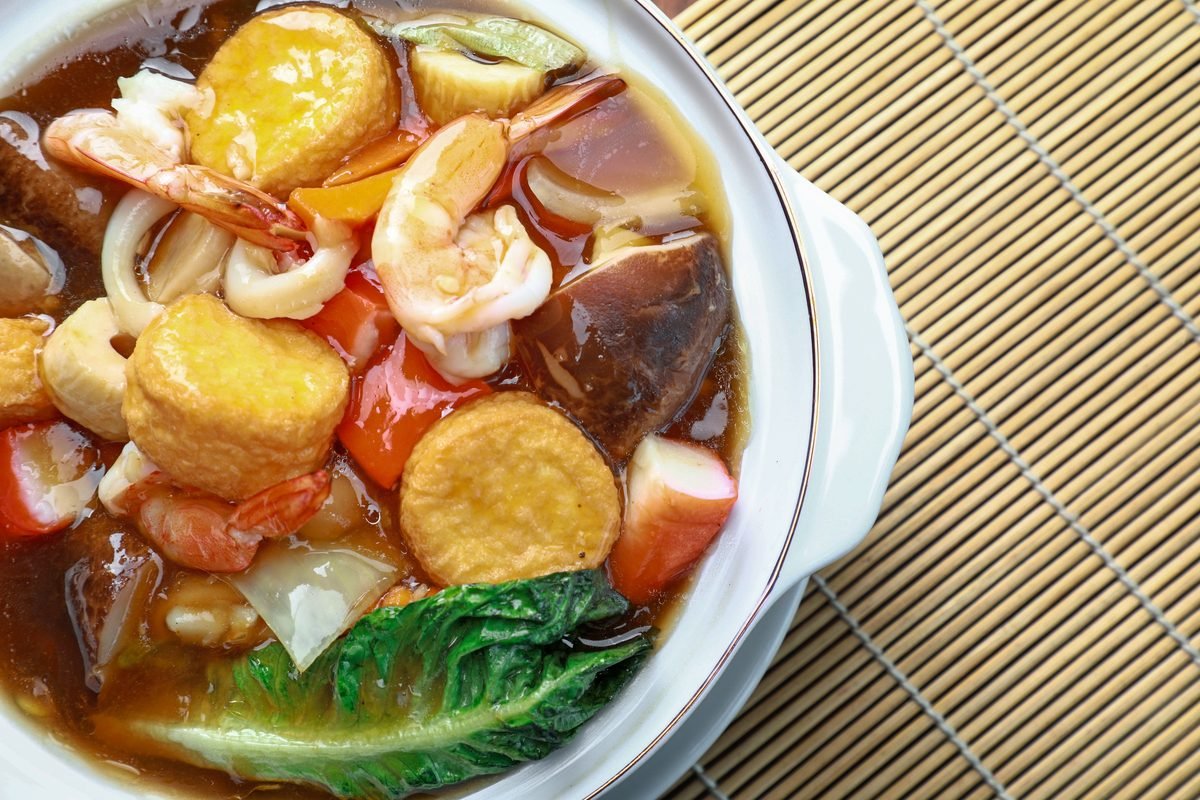
No trip to this coastal city is complete without visiting Chodang Sundubu Village, a culinary enclave located just a short walk inland from Gyeongpo Beach. The specialty here is sundubu, an incredibly soft, uncurdled tofu. What makes Chodang tofu unique is the traditional production method. Instead of using chemical coagulants, local makers use clean, mineral-rich seawater drawn directly from the deep East Sea. This process gives the tofu an exceptionally delicate, velvety texture and a subtle, natural saltiness that requires very little seasoning.
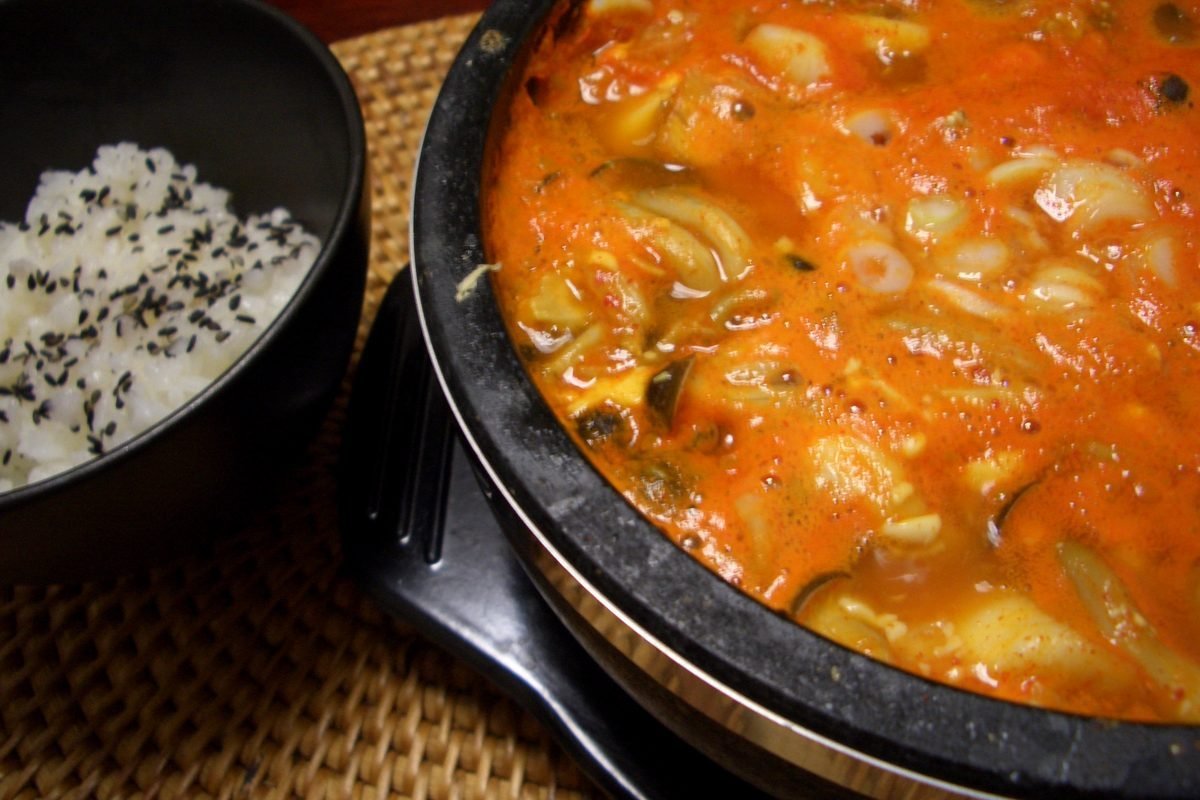
The history of this village dates back to the Joseon Dynasty, named after the noble family of Heo Yeop, whose pen name was Chodang. Today, dozens of specialized restaurants line the pine-shaded streets. The most famous spot is Donghwa Garden, which pioneered Jjambbong Sundubu. This dish combines a fiery, smoky seafood broth packed with squid and mussels with a generous mound of creamy soft tofu. The soup is incredibly spicy. A bowl costs about ₩13,000 (about $9.60) and is worth the wait, though queues can easily exceed an hour on weekends.
If you prefer something milder, order the traditional white sundubu set, often called Chodang Sundubu Baekban, for about ₩10,000 (about $7.40). It is served warm in its own cooking liquid with a side of seasoned soy sauce and assorted local banchan (side dishes). After your meal, stop by one of the local dessert shops for a cup of soft-serve sundubu ice cream, costing roughly ₩4,000 (about $3). The ice cream has a surprisingly rich, savory-sweet flavor that tastes remarkably like toasted sesame and fresh soy milk.
Practical tips for navigating Gangneung
While Gangneung is incredibly welcoming, a few practical details will make your journey much smoother. First, understand the geography of the city. The main attractions are quite spread out along the coast. Jumunjin Beach in the north is roughly eighteen kilometers away from Anmok Beach in the south. Trying to walk between them is impossible. Plan your days by grouping northern sights together (Jumunjin and Sodol) and southern sights together (Anmok, Chodang Village, and Gyeongpo).
Public transportation is reliable but runs less frequently than in Seoul. You can use your standard T-money card, which costs about ₩4,000 (about $3) for a blank card at any convenience store, to pay for local buses. Bus fares are flat at ₩1,500 (about $1.10). If you find yourself in a quieter area like Jumunjin and need a ride back, use the Kakao T app to call a taxi. It works exactly like Uber and connects you with licensed local drivers. This avoids the frustration of waiting on empty streets for a passing cab.
Finally, keep in mind that many of the most popular restaurants and cafes close relatively early compared to Seoul. While the capital stays awake all night, many traditional tofu spots in Chodang close by 7:00 PM or 8:00 PM. Always check operating hours on Naver Map before heading out for dinner.

Heads up: Beware of early closing times
Unlike Seoul, where restaurants stay open past midnight, many of Gangneung’s famous eateries, especially in Chodang Village, close their doors by 7:30 PM. Plan to eat dinner early to avoid missing out.
What it costs in Gangneung
| Item | Local price | USD |
|---|---|---|
| KTX train (Seoul to Gangneung, one-way) | ₩27,600 | (about $20) |
| Local bus fare (single ride) | ₩1,500 | (about $1.10) |
| Bowl of Jjambbong Sundubu | ₩13,000 | (about $9.60) |
| Pour-over coffee at Anmok Beach | ₩6,000 | (about $4.40) |
| Tandem bike rental (Gyeongpo, 1 hour) | ₩10,000 | (about $7.40) |
| Mid-range hotel room (per night) | ₩110,000 | (about $81) |
| Realistic daily total (excluding lodging) | ₩65,000 | (about $48) |
Prices checked September 2026. Always confirm with the provider before you book.
Where to stay in Gangneung
Budget
A cozy guesthouse near Gangneung Station
Perfect for solo travelers who want quick access to the KTX train and local bus lines, costing roughly ₩35,000 to ₩50,000 (about $26 to $37) per night.
Mid-range
A modern boutique hotel overlooking Gyeongpo Lake
Ideal for couples who want to be close to both the pine forests and the beach boardwalk, with prices ranging from ₩90,000 to ₩140,000 (about $66 to $103) per night.
Splurge
A luxury high-rise resort directly on Gyeongpo Beach
Best for those seeking infinity pools, private balconies with panoramic ocean views, and premium amenities, costing roughly ₩250,000 to ₩450,000 (about $185 to $333) per night.
Mistakes to avoid
- Using Google Maps for walking directions, which often leads to dead ends or incorrect bus stops in Gangneung.
- Arriving at Chodang Sundubu Village after 7:30 PM expecting a sit-down dinner, as most traditional shops close early.
- Assuming you can easily walk from Anmok Beach to Jumunjin Beach along the sand, when they are actually eighteen kilometers apart.
FAQ
Is Gangneung coffee street and beaches worth a day trip from Seoul?
Yes, it is entirely feasible. Thanks to the KTX Gangneung Line, you can reach the coast in under two hours, allowing you to spend a solid eight hours exploring the Gangneung coffee street and beaches before catching an evening train back to Seoul.
How do I get from Gangneung Station to Anmok Beach?
The easiest way is to take local Bus 223 or 302 from the station bus stop, which takes about twenty-five minutes and costs ₩1,500 (about $1.10). Alternatively, a taxi queue is right outside the exit, costing roughly ₩7,000 (about $5.20) for a ten-minute ride.
Can you swim in the ocean at Gangneung in September?
While official lifeguards usually pack up by late August, the water remains relatively warm in early September. You can easily dip your feet or wade in the water, though full swimming may be discouraged depending on wave conditions and local beach regulations.
What is the famous food to eat in Gangneung?
The most famous local dish is Chodang Sundubu, a silky soft tofu curdled using natural seawater. You can enjoy it as a mild, comforting white soup or in a spicy, smoky seafood broth called Jjambbong Sundubu.
Do I need a car to get around Gangneung?
No, you do not need a car. While a vehicle offers maximum flexibility, the local bus network and affordable taxis make it very easy for independent travelers to navigate between the major coastal spots using KakaoMap or Naver Map.