Jeju 3 Day Itinerary Without a Car: Bus Guide

At exactly 6:15 AM, the blue 201 bus pulled up to the curb in Seogwipo, its brakes hissing in the damp morning air. I tapped my transit card, sat by the window, and watched the sun rise over the volcanic coastline as we rattled toward the east. For years, guidebooks have insisted that you must rent a vehicle to see Jeju Island. That is simply not true. As someone who lives in Seoul and visits Jeju several times a year, I prefer the bus. It is cheap, highly efficient, and lets you look at the sea instead of stressing over foreign road signs.
This guide is for independent travelers who want to experience the island’s dramatic volcanic landscapes, coastal hikes, and legendary food scene without driving. We will cover the logistics of the island’s key coastal bus routes, map out a perfect three-day loop, and show you exactly where to eat and sleep along the way. Skip the car rental entirely.
How to navigate Jeju using bus 201 and 202
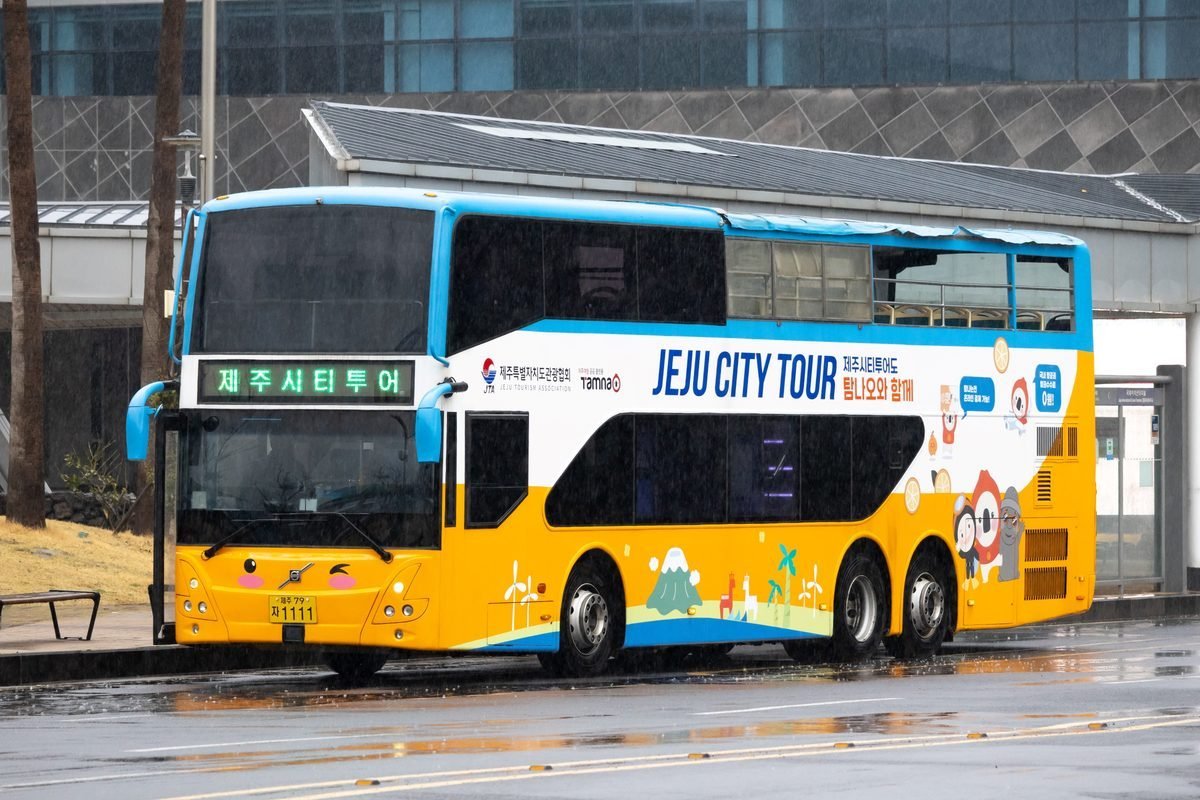
The secret to exploring Jeju without a personal vehicle lies in understanding the island’s two main coastal artery routes: Bus 201 and Bus 202. Think of them as giant, circular conveyor belts that hug the perimeter of the island. Bus 201 runs along the eastern half of Jeju, connecting Jeju Intercity Bus Terminal in the north to Seogwipo Intercity Bus Terminal in the south. Bus 202 does the exact same thing but along the western coast. They are incredibly reliable, frequent, and easy to use.
A single ride on these blue trunk buses costs a flat rate of ₩1,150 (about $0.85) when you use a standard transit card like T-money. They run roughly every 15 to 20 minutes from early morning until late at night. Because they stop at every small village along the coast, they are slower than express buses, but they drop you off within walking distance of almost every major coastal attraction. If you need to travel faster between the north and south hubs, you can use the red express buses like the 101 or 102. These cost ₩2,000 to ₩4,000 (about $1.50 to $2.95) depending on distance and use the highway to shave off significant travel time.
To make this work, you must understand how the stops are structured. Every bus stop has an electronic screen showing exactly how many minutes until the next bus arrives. The announcements inside the buses are made in Korean and English, and the screens inside display the next stop clearly. If you are worried about getting stranded, do not be. The coastal routes are heavily serviced, and taxis are plentiful and cheap if you ever miss the last bus of the night.
Tip: Use Local Transit Cards
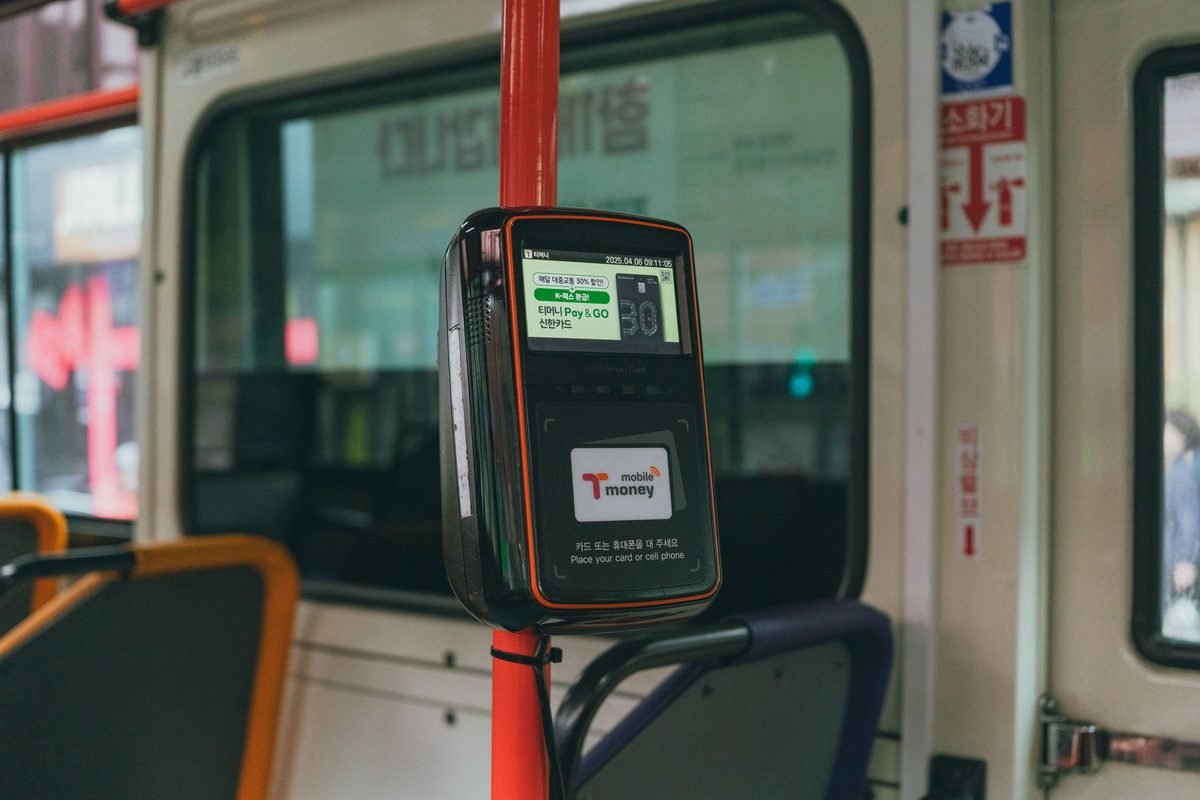
You can purchase and top up a T-money card at any convenience store in Jeju, including GS25, CU, and 7-Eleven. It works seamlessly on all Jeju buses and saves you the hassle of carrying exact cash change.
Where to base for a Jeju 3 day itinerary without a car
When planning your Jeju 3 day itinerary without a car, where you sleep is the most critical decision you will make. For a short three-day trip, splitting your stay between different hotels on opposite sides of the island is a major mistake. You will waste precious hours hauling your bags on public buses or spending a fortune on taxis. Instead, pick one central base and stay there for the entire trip.
I highly recommend basing yourself in Seogwipo City, specifically near the Seogwipo Intercity Bus Terminal or the Jungang-ro roundabout. Seogwipo is much more relaxed than Jeju City in the north. It sits right on the southern coast, putting you in prime position for coastal hikes, waterfalls, and the east-coast bus lines. From Seogwipo, you can easily catch the 201 bus eastward to Seongsan Ilchulbong or walk straight onto the coastal walking paths.
If you prefer a livelier urban environment with plenty of craft beer bars and late-night dining, Jeju City near the City Hall district is a solid alternative. It makes your arrival and departure from Jeju International Airport incredibly fast, as local buses can get you to the terminal in under twenty minutes. However, Seogwipo remains the superior choice for nature lovers who want to wake up close to the cliffs and the sea. Whichever city you choose, make sure your accommodation is within a five-minute walk of a major bus stop to minimize daily walking times.
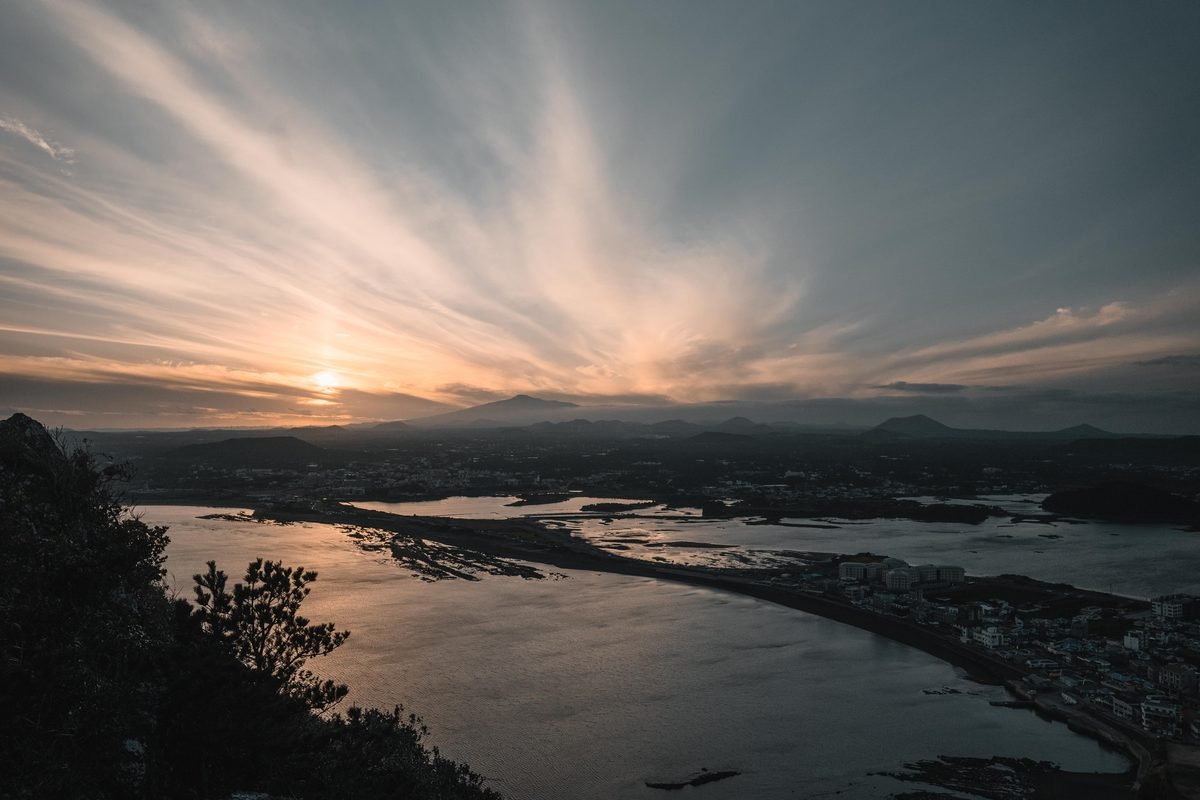
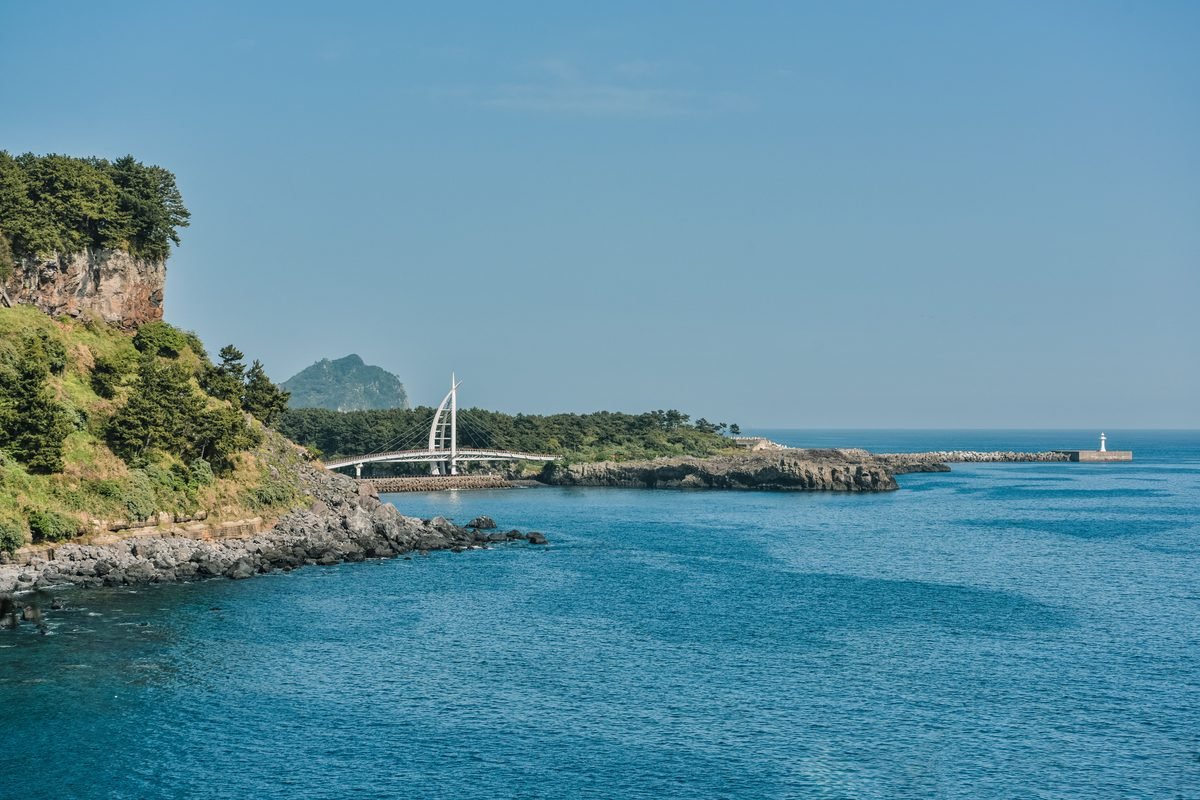
Day 1: Seongsan Ilchulbong at opening and the east coast
Start your first day as early as possible to beat the tour buses. Seongsan Ilchulbong, also known as Sunrise Peak, is a massive volcanic tuff cone that rises dramatically from the eastern edge of the island. The ticket booth opens at 7:00 AM, and admission is ₩5,000 (about $3.70); if you walk in before 7:00 AM for the sunrise, entry is free. To get here from Seogwipo, catch the 201 bus around 5:45 AM. The ride takes about an hour and fifteen minutes, depositing you right at the base of the mountain. It is entirely doable.
The climb up the steep wooden stairs takes about twenty minutes of steady walking. At the top, you are rewarded with a view of the giant grassy crater and the surrounding ocean. After descending, walk down to the rocky cove on the left side of the peak. Here, if you time it right, you can watch the Haenyeo, Jeju’s legendary female divers, plunge into the freezing water without oxygen tanks to harvest sea urchins and abalone. Their demonstrations usually happen at 1:30 PM and 3:00 PM daily.
For lunch, head into the small town of Seongsan at the base of the peak. Try a steaming bowl of haemul kalguksu (seafood knife-cut noodles) loaded with local clams and crab for about ₩12,000 (about $9.00). In the afternoon, take a quick ten-minute taxi ride costing roughly ₩6,000 (about $4.40) to Seopjikoji, a scenic cape known for its wild coastal paths and striking yellow canola fields in the spring. Walk along the cliffs to the lighthouse before catching the 201 bus back to your base in the evening.
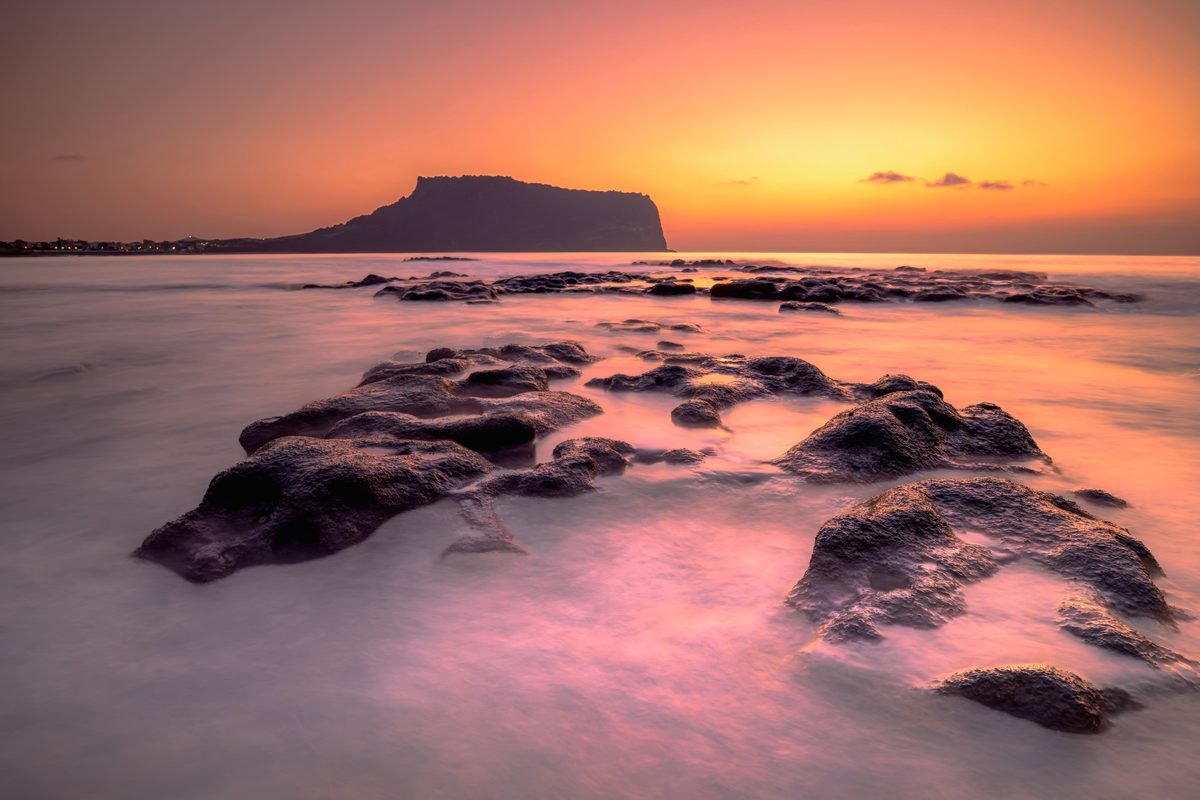
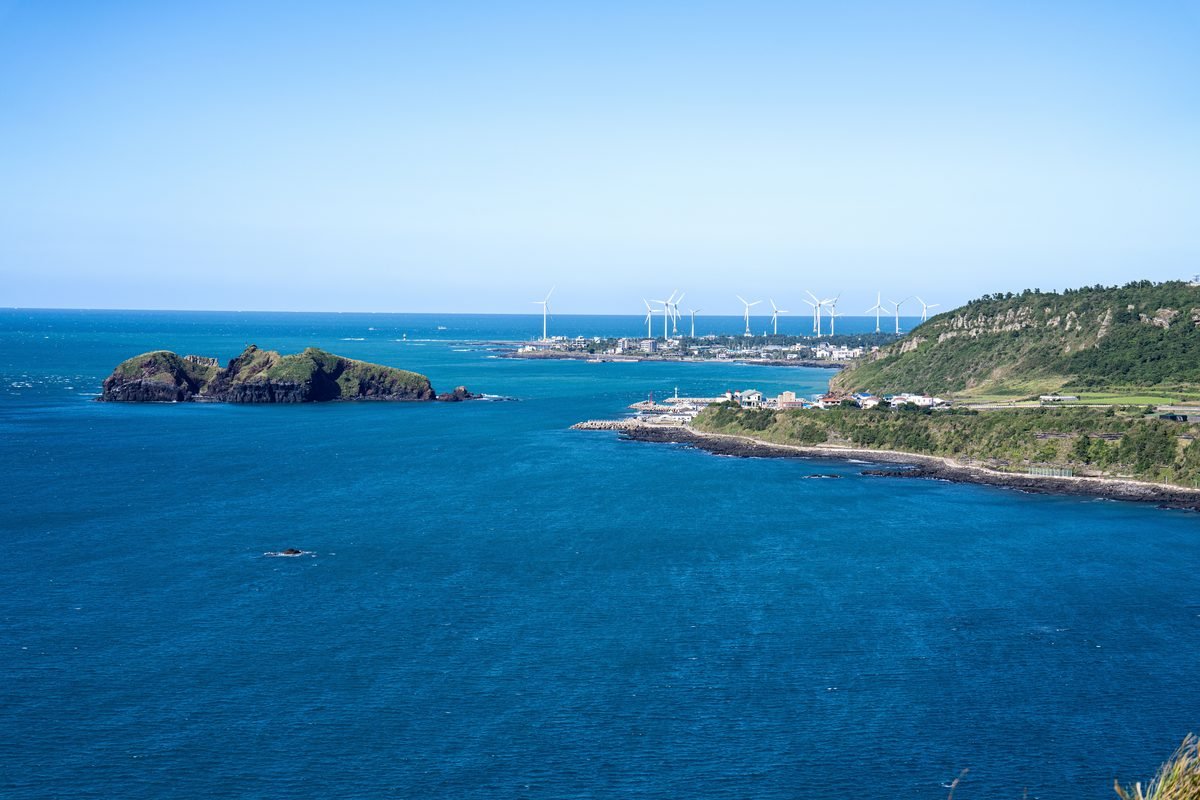
Day 2: Walking Olle Trail 7 and Seogwipo's waterfalls
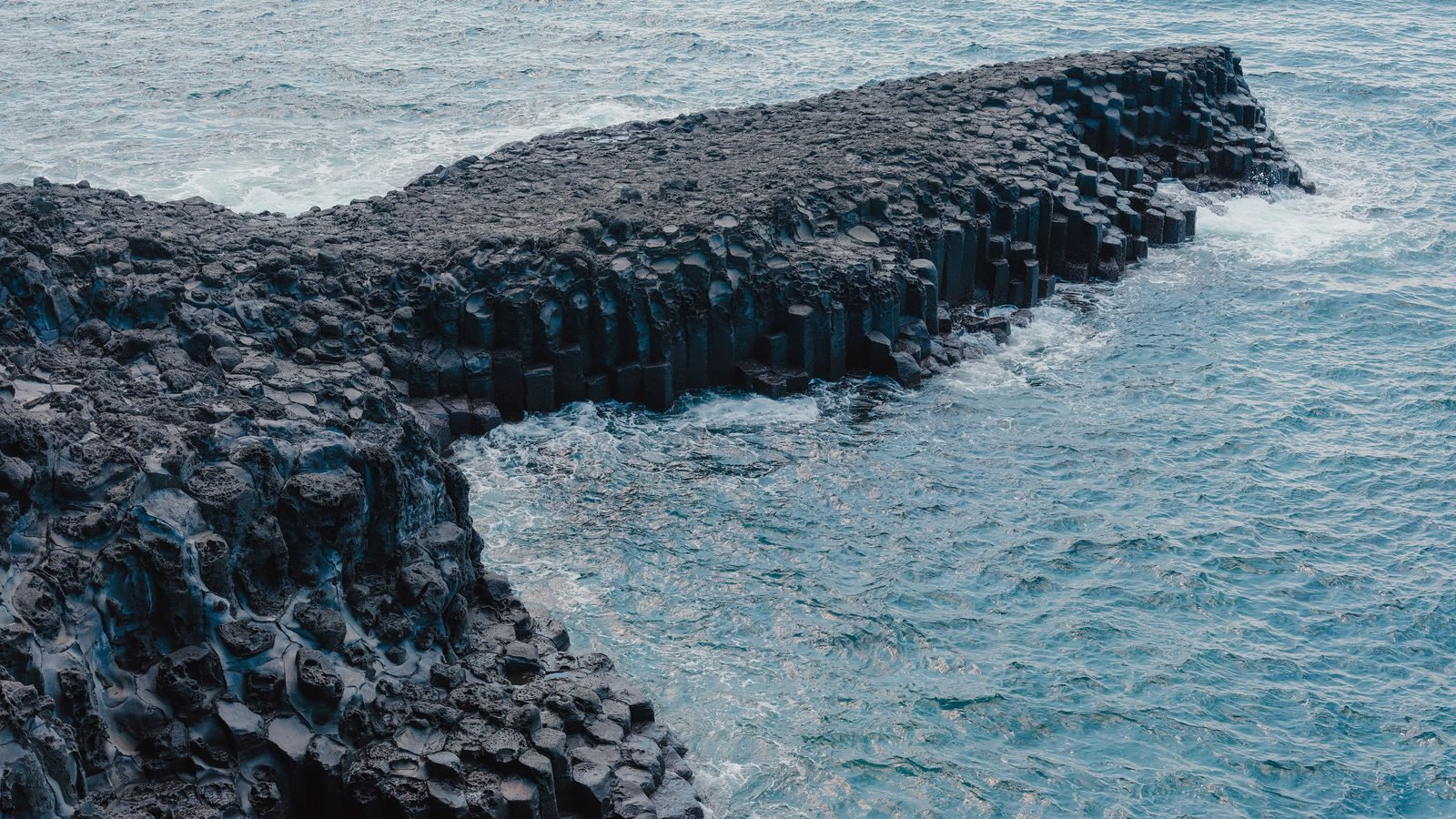
On your second day, explore the southern coast on foot. The Jeju Olle Trail is a massive network of 27 connected walking paths that circle the entire island. Route 7 is widely considered the most beautiful coastal stretch of them all. The trail hugs the coast. It starts near the Jeju Olle Tourist Center in Seogwipo and winds westward for about 17 kilometers, but you do not need to walk the entire distance to appreciate it.
Start your walk at Oedolgae Rock, a solitary 20-meter-tall stone pillar that stands tall in the sea just off the coast. The trail from Oedolgae toward Beophwan Port is flat, well-paved, and winds through pine forests and volcanic rock formations. You will get clear views of Beomseom Island across the water. There is no entry fee for the trail, and the path is clearly marked with blue and orange ribbons tied to tree branches. Walk for about two hours until you reach Beophwan Port, a quiet fishing village where you can stop for a cold cup of hallabong juice for ₩4,000 (about $3.00).
In the afternoon, catch local bus 521 or take a short taxi back to central Seogwipo to visit Cheonjiyeon Waterfall. The path to the waterfall is flat and shaded by rare plants. Entry is ₩2,000 (about $1.50). The waterfall is illuminated at night and stays open until 10:00 PM, making it a peaceful spot for an evening stroll.
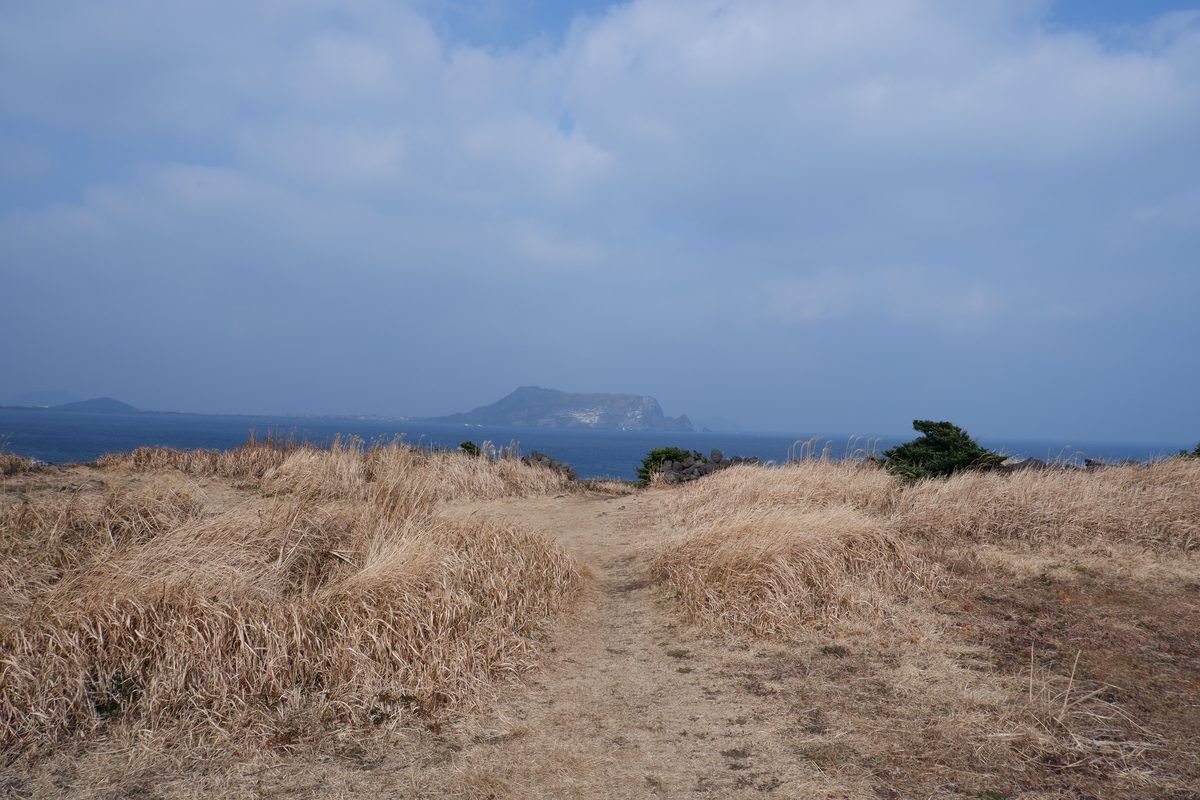
From a local: The Free Peak Path
If you do not want to pay the entry fee or climb the steep stairs at Seongsan Ilchulbong, there is a separate left-hand path that is completely free. It leads down to the beach and offers fantastic views of the volcanic cliffs from below.
Day 3: Seogwipo Maeil Olle Market and black pork alley
Dedicate your final day to Jeju’s incredible food culture. Start your morning at the Seogwipo Maeil Olle Market, a covered traditional market that has been operating since the 1960s. Unlike the more touristy markets in the north, this one retains a strong local feel. Walk through the clean aisles to see stalls piled high with giant orange hallabong citrus fruits, dried seaweed, and fresh seafood. Try the famous garlic fried chicken or a skewer of grilled black pork for about ₩9,000 (about $6.70).
In the afternoon, take the 201 bus back up toward Jeju City if you are departing tonight, or stay in Seogwipo to explore the nearby Lee Jung-seop Street. This creative pedestrian street is lined with independent craft shops, cafes, and art galleries dedicated to the famous Korean painter who lived here during the Korean War. It is a great place to buy unique souvenirs that are actually made on the island rather than imported mass-produced trinkets.
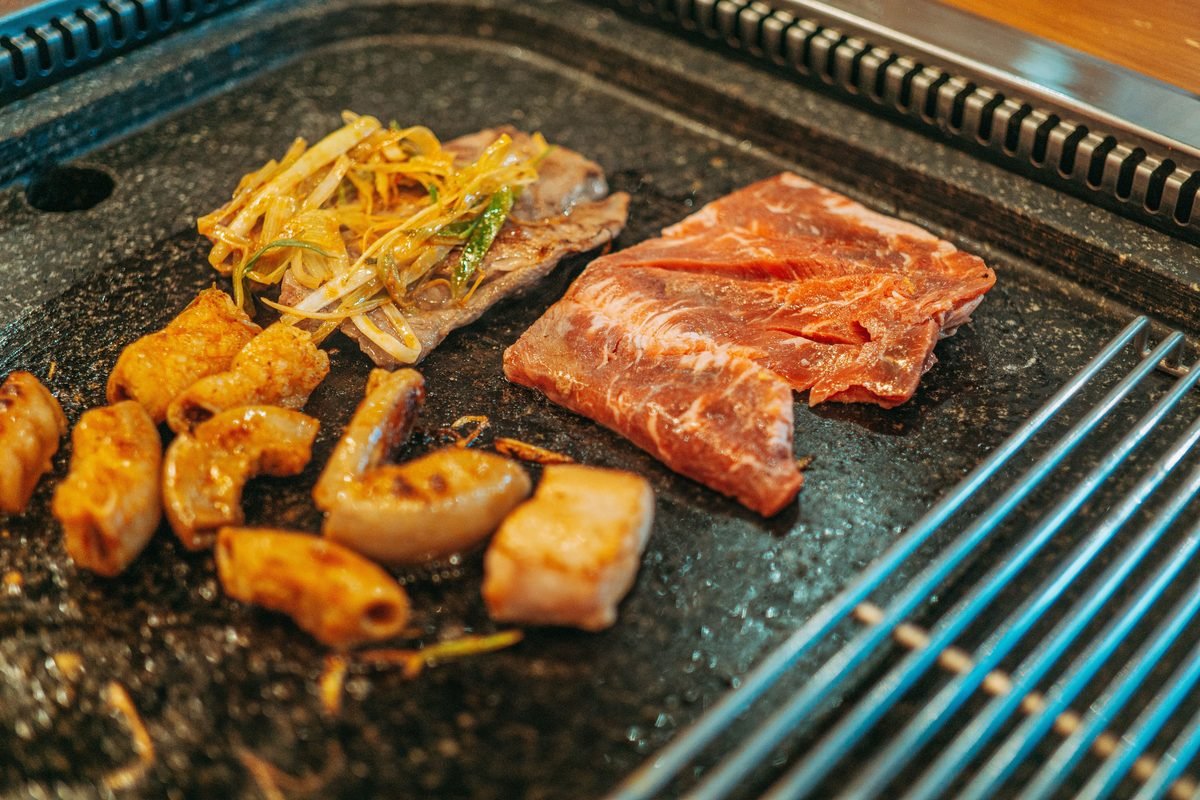
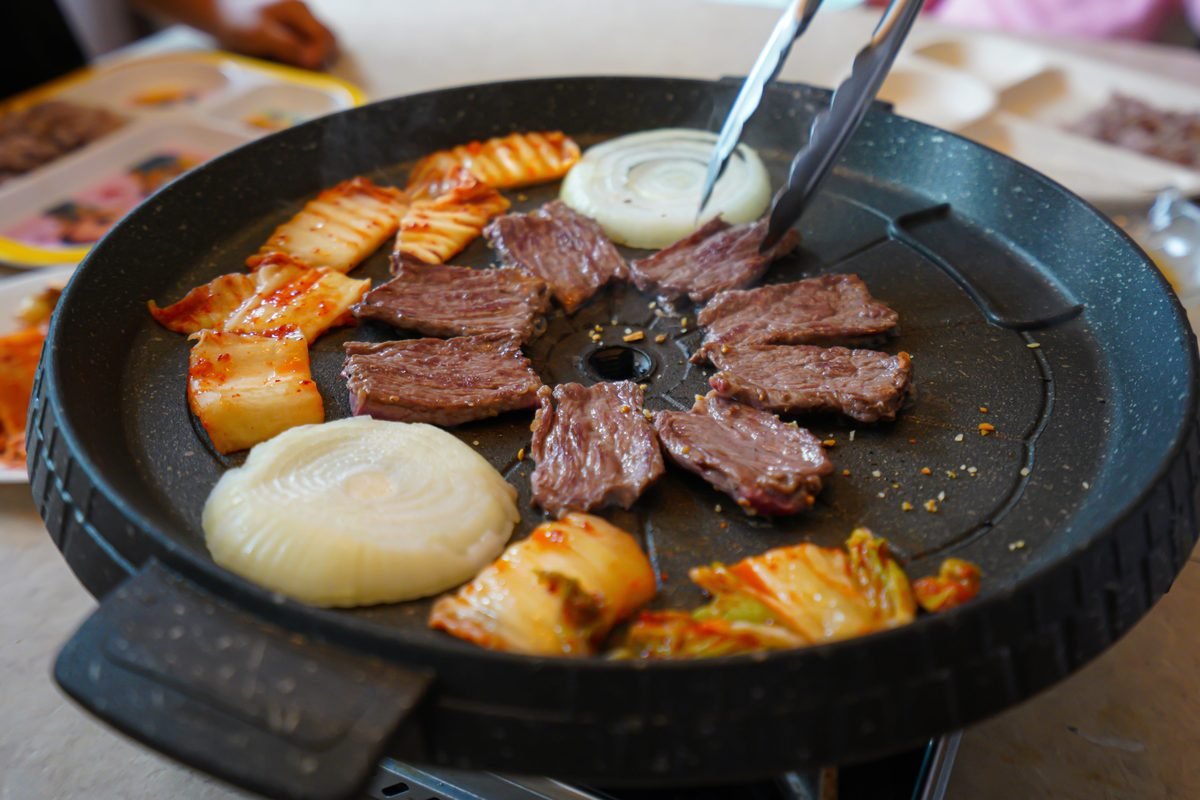
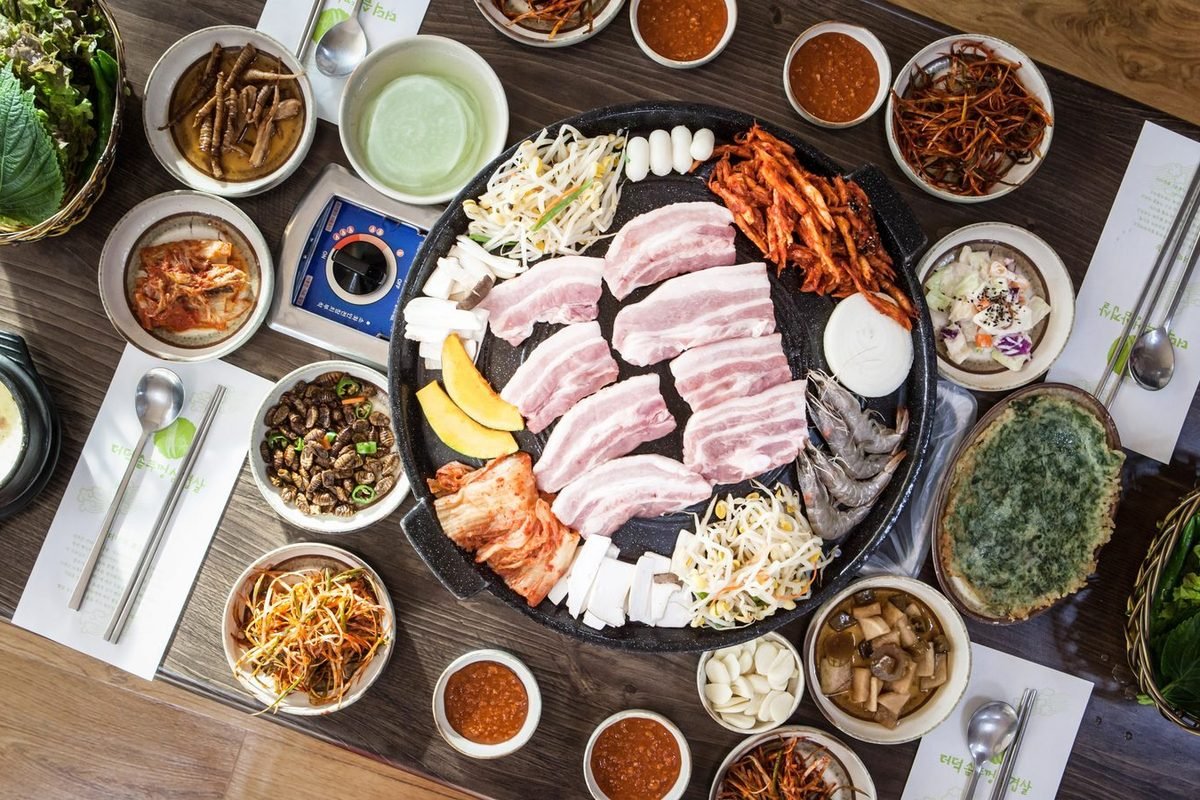
For your final dinner, you must experience Jeju black pork, known locally as Heukdwaeji. Jeju black pork is famous. This meat comes from a domestic pig breed native to the island, prized for its rich, marbleized fat and deep flavor. Head to Seogwipo’s unofficial black pork street near the harbor. A standard portion of thick-cut belly meat cooked over real charcoal costs about ₩22,000 (about $16.30) per person. It is served with a dipping sauce made of salted anchovies called meljeot, which is simmered directly on the grill’s coals. It is the ultimate taste of Jeju.
How to navigate Jeju buses without getting lost
Navigating public transit in a foreign country can feel intimidating, but a few simple tools make Jeju incredibly straightforward. First and most importantly, do not use Google Maps. Google Maps does not work for walking or transit directions in South Korea due to government data restrictions. Instead, download KakaoMap or Naver Map before you arrive. Both apps have excellent English interfaces and provide real-time GPS tracking of every bus on the island, including exactly which platform to stand on.
When boarding any bus in Jeju, you must tap your T-money card on the reader next to the driver. Tap your card when exiting as well. This is crucial. If you do not tap when you get off, the system will charge you the maximum possible distance fare when you board your next bus. Tapping off also unlocks free transfers between different bus routes within a 40-minute window, which is highly useful if you need to switch from a coastal trunk bus to a local village line.
Finally, keep in mind that bus drivers in Jeju are highly efficient and will not wait around if they think no one is boarding. When you see your bus approaching, stand close to the curb and make eye contact with the driver. If it is dark, waving your phone screen is a smart way to ensure they see you and stop. Keep your transit card in your hand so you can board quickly and keep the schedule running smoothly.
Heads up: Hail the Bus
Jeju bus drivers will occasionally pass by stops if no one is visibly waiting or waving. Stand near the edge of the shelter and wave your hand as the bus approaches to guarantee it stops for you.
What it costs in Jeju
| Item | Local price | USD |
|---|---|---|
| Local Bus Ride (with T-money) | ₩1,150 | about $0.85 |
| Express Bus Ride (Airport to Seogwipo) | ₩3,000 | about $2.20 |
| Seongsan Ilchulbong Entry Fee | ₩5,000 | about $3.70 |
| Cheonjiyeon Waterfall Entry Fee | ₩2,000 | about $1.50 |
| Seafood Noodle Lunch | ₩12,000 | about $9.00 |
| Jeju Black Pork Dinner (per person) | ₩22,000 | about $16.30 |
| Mid-range Hotel in Seogwipo (per night) | ₩85,000 | about $63.00 |
| Realistic Daily Budget (excluding lodging) | ₩55,000 | about $41.00 |
Prices checked September 2026. Always confirm with the provider before you book.
Where to stay in Jeju
Budget
A central business hotel near Seogwipo Maeil Olle Market
Perfect for solo travelers and budget backpackers who want to be steps away from cheap street food and the main bus lines for ₩50,000 to ₩70,000 (about $37 to $52) per night.
Mid-range
A modern seaside pension in Hamdeok Beach
Ideal for couples who want ocean views and easy access to the northern beaches via the 201 bus for ₩90,000 to ₩140,000 (about $67 to $104) per night.
Splurge
A traditional garden villa near Seongsan
Best for travelers seeking a quiet, luxury retreat with private stone walls and outdoor volcanic baths for ₩250,000 to ₩400,000 (about $185 to $296) per night.
Mistakes to avoid
- Relying on Google Maps for bus schedules, which will lead to incorrect route recommendations and missed connections.
- Splitting your lodging between the north and south coasts on a short three-day trip, wasting hours moving luggage on public buses.
- Forgetting to tap your transit card when exiting the bus, which results in being charged the maximum distance fare on your next ride.
FAQ
Is a Jeju 3 day itinerary without a car really realistic?
Yes, it is highly realistic if you plan your days around the main coastal bus routes like the 201 and 202. By staying in a central transit hub like Seogwipo, you can easily reach major sights like Seongsan Ilchulbong and the Olle Trail without spending money on car rentals.
Which transit card should I use for Jeju buses?
You should use a standard T-money card, which is the same card used in Seoul and Busan. You can buy one at any convenience store on the island and top it up with cash at local stores or subway stations before arriving.
Do Jeju buses have English announcements?
Yes, all major public buses on Jeju Island have digital screens showing the upcoming stops in English and Korean, accompanied by clear English voice announcements before each stop.
How much do taxis cost in Jeju if I miss the bus?
Taxis are relatively affordable in Jeju, with a base fare starting around ₩4,800 (about $3.20). A 20-minute ride will typically cost between ₩12,000 and ₩15,000 (about $9.00 to $11.00), making them a great backup option.
Can I pay for Jeju buses with cash?
While you can pay with cash, it is highly discouraged because drivers do not always carry change for large bills, and you will miss out on the free transfer discounts that transit cards provide.