
Train Travel in Europe Tips: Master the Rails

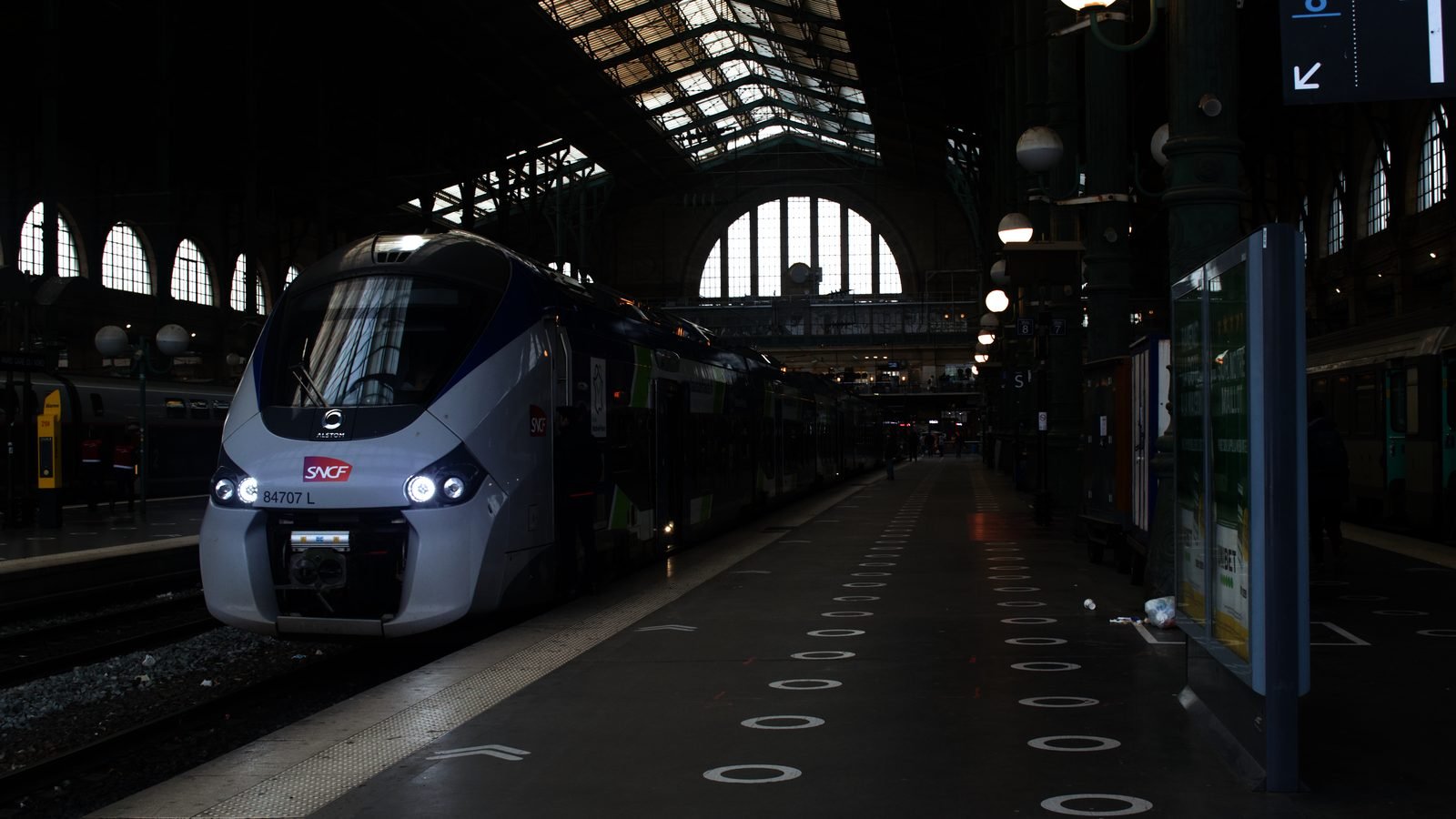
Book a Munich to Salzburg train a few weeks ahead and the fare can drop to around €19 (about $21); buy the same seat on the day and it often costs several times that. Navigating European rail networks can feel like solving a massive puzzle. This guide shares my best train travel in Europe tips to help you save money and avoid stress.
This guide is for independent planners who want to master the rails without overpaying. We will break down the math of rail passes, dissect booking windows, and look at sleeper trains. You will also learn which apps to download before you leave.
Train travel in Europe tips: Eurail pass or point-to-point tickets?
Whether a Eurail pass actually saves you money comes down to simple math. If you plan to take long, high-speed journeys across multiple countries on a whim, a rail pass is incredibly valuable. A standard 5-day Eurail Global Pass costs €318 (about $353). This allows you to hop on almost any train in thirty-three countries. It gives you ultimate flexibility.
However, if your itinerary is fixed and consists of short, regional hops, buying individual point-to-point tickets in advance is almost always cheaper. For example, a regional train from Brussels to Bruges costs just €16 (about $18). Using a pass day for that journey is a waste of money. Furthermore, high-speed trains in France, Italy, and Spain require mandatory seat reservations that are not covered by the pass. These extra fees can quickly add up and erase any potential savings.
I recommend mapping out your route on a spreadsheet first. List the advance-purchase price of each individual ticket next to the daily cost of a rail pass. If you are planning a Europe itinerary with daily travel, the pass might win. If you are staying in each city for three or four days, stick to point-to-point tickets. Do not buy a pass just because it sounds convenient.
Always look at the fine print for the countries you are visiting. In places like Switzerland and Germany, regional trains require no reservations at all, making the pass incredibly seamless. In contrast, trying to use a pass in Spain can be a bureaucratic headache. Take ten minutes to do the math before clicking buy.

Tip: The 10-Euro Rule
If a point-to-point ticket costs less than €10 (about $11), never use a Eurail pass day for it. Save your pass days for long-distance, high-speed routes where tickets are expensive.
How far in advance can you buy train tickets in Europe?
Booking windows are the secret weapon of budget rail travel. Unlike planes, where prices fluctuate wildly, train tickets generally start at their lowest price and only go up as the departure date approaches. However, every country plays by different rules. Germany and Austria usually open their booking systems 180 days before departure. France typically opens sales 90 days in advance, though they often release tickets in seasonal batches for summer and winter holidays. Italy generally allows bookings 120 days out. Spain is the most unpredictable, sometimes opening routes ninety days ahead, and other times just thirty days before departure.
Do not wait. If you know your dates, buy your tickets the moment the booking window opens. A high-speed ticket from Paris to Strasbourg can cost as little as €25 (about $28) if bought three months early. If you wait until the day of departure, that exact same seat can easily cost €90 (about $100). This is especially true if you are planning your first time in Germany or France during the peak summer months.
Set calendar reminders for the booking windows of your specific routes. It can save you hundreds of dollars over a two-week trip. Some state operators also offer email alerts for when seasonal ticket sales go live, which is highly recommended for holiday travel.
Keep in mind that international routes, like the Eurostar connecting London to Paris, often open bookings six months or more ahead. Checking these early is vital if you want to secure the cheapest semi-flexible fares.


Book ahead: Set a Calendar Alert
French TGV tickets for peak summer dates often open in mid-March. Set an alert to book on day one, as the cheapest tickets sell out within hours.
How do seat reservations work on European trains?
Understanding seat reservations is crucial to avoiding stressful platform scrambles. In northern and central Europe, including Germany, Austria, and Switzerland, seat reservations are almost always optional. Your ticket gets you on the train, but it does not guarantee a specific seat. If the train is empty, you can sit anywhere that is not marked as reserved. If the train is packed, you might find yourself standing in the corridor for three hours.
I always reserve a seat. A reservation usually costs about €5 (about $5.50) and is worth every penny for peace of mind. In southern and western Europe, the rules change. France, Italy, and Spain require mandatory seat reservations on all high-speed and overnight trains. You cannot board a TGV, Frecciarossa, or AVE train without a specific seat assignment.
If you are traveling on a Eurail pass, you still must purchase these reservations separately. These fees range from €10 (about $11) for domestic Italian routes to €30 (about $33) for international high-speed routes. During the busy summer season, these mandatory reservations can sell out weeks in advance, even if you already hold a valid rail pass. If you show up to the platform without one, you will be denied boarding or face a heavy fine. Always check the reservation rules for every leg of your journey on the official national railway website.
Look for the small digital screens above the seats inside the carriage. They will display the stations between which that seat is reserved. If you do not have a reservation, look for a screen that is completely blank or shows a segment of the route you are not traveling on.
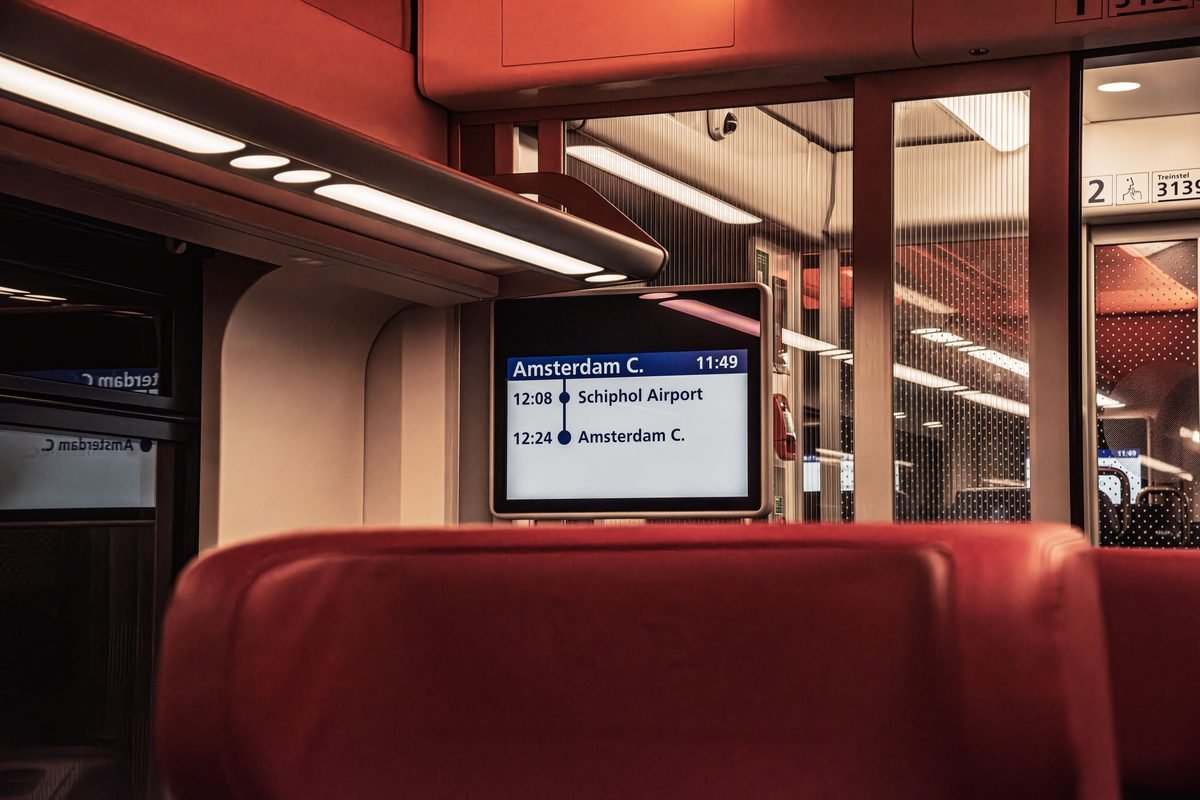
Heads up: The Italian Fine
If you buy a regional paper ticket in Italy, you must validate it in the green or yellow machines on the platform before boarding. Failure to do so can result in an immediate €50 (about $56) fine.
What is it like to take a European night train?
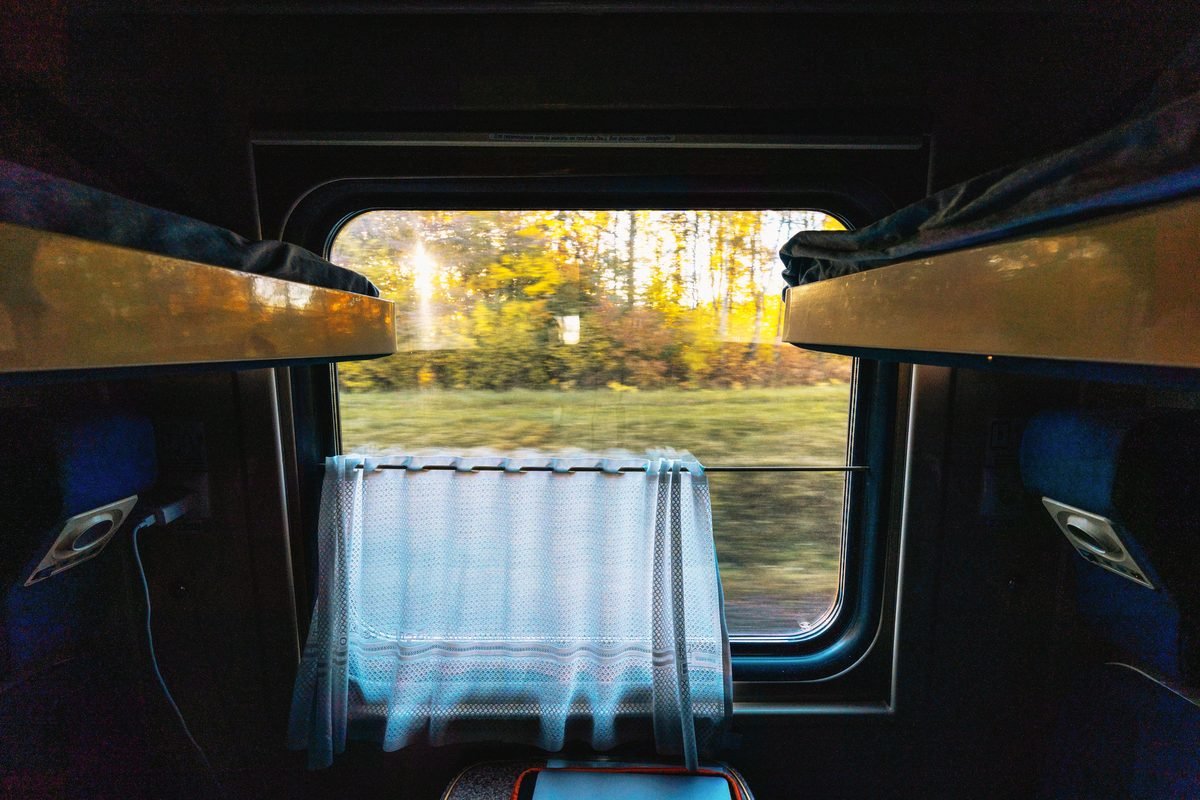
Night trains are experiencing a massive revival across Europe, led largely by Austria’s excellent Nightjet service. Taking a sleeper train is an efficient way to cover long distances while saving the cost of a hotel room. However, you need to manage your expectations. These are transit vehicles, not luxury cruise ships. The cheapest option is a simple seat, which I strongly advise against. You will get very little sleep and arrive exhausted.
Instead, book at least a couchette, which is a shared compartment with four to six padded bunks. A couchette spot from Vienna to Zurich costs around €89 (about $99) and includes basic bedding. For more privacy, opt for a sleeper compartment, which holds one to three passengers and often features a small in-room washbasin. A deluxe sleeper can cost upwards of €250 (about $278) but offers a much quieter, more comfortable experience.
I prefer the lower bunk. It makes it much easier to access your bags and use the restroom during the night without climbing down a ladder in the dark. Bring your own snacks, a bottle of water, and a solid pair of earplugs. The constant clicking of the tracks and the occasional station stop can easily wake light sleepers. Also, remember to pack a dedicated packing list for train travel that keeps your toiletries and pajamas easily accessible in a small daypack, as there is very little space to unpack large suitcases inside the tight compartments.
Most night trains also offer a simple breakfast of coffee and bread rolls in the morning, which is included in the price of sleeper and couchette tickets. It is a wonderful feeling to wake up and watch the sunrise over a brand-new country.
Which transit apps should you download before your trip?
To navigate the European rail network smoothly, you need the right digital tools on your phone. Do not make the mistake of downloading a dozen different national railway apps unless you absolutely have to. Start with DB Navigator, the official app of the German Railways. Even if you are not traveling in Germany, this app has the most comprehensive and reliable database of train schedules for almost every country in Europe. It is the best tool for checking platforms and real-time delays on the go.
For booking tickets across multiple countries, Trainline is incredibly user-friendly. While they charge a very small booking fee, their interface is clean, and they accept major international credit cards without the payment errors that frequently plague state-run websites. If you are using a Eurail pass, the Rail Planner app is mandatory for logging your journeys and showing your digital ticket to conductors.
For local city transit, such as the Lisbon metro where a single ticket costs €1.80 (about $2), download the specific local city app or simply use Google Maps for walking routes. Just remember that transit data can sometimes lag in rural areas. Having these apps pre-configured with your payment details before you leave home will save you a massive amount of stress on the platform. Make sure to download offline maps of your destination stations as well, as cellular service can be spotty when trains pass through deep valleys or long mountain tunnels.
I recommend keeping digital PDF copies of all your train tickets saved in a dedicated folder on your phone. This ensures you can always access your barcodes even if you lose internet connection right when the conductor walks down the aisle.

How early should you arrive at European train stations?
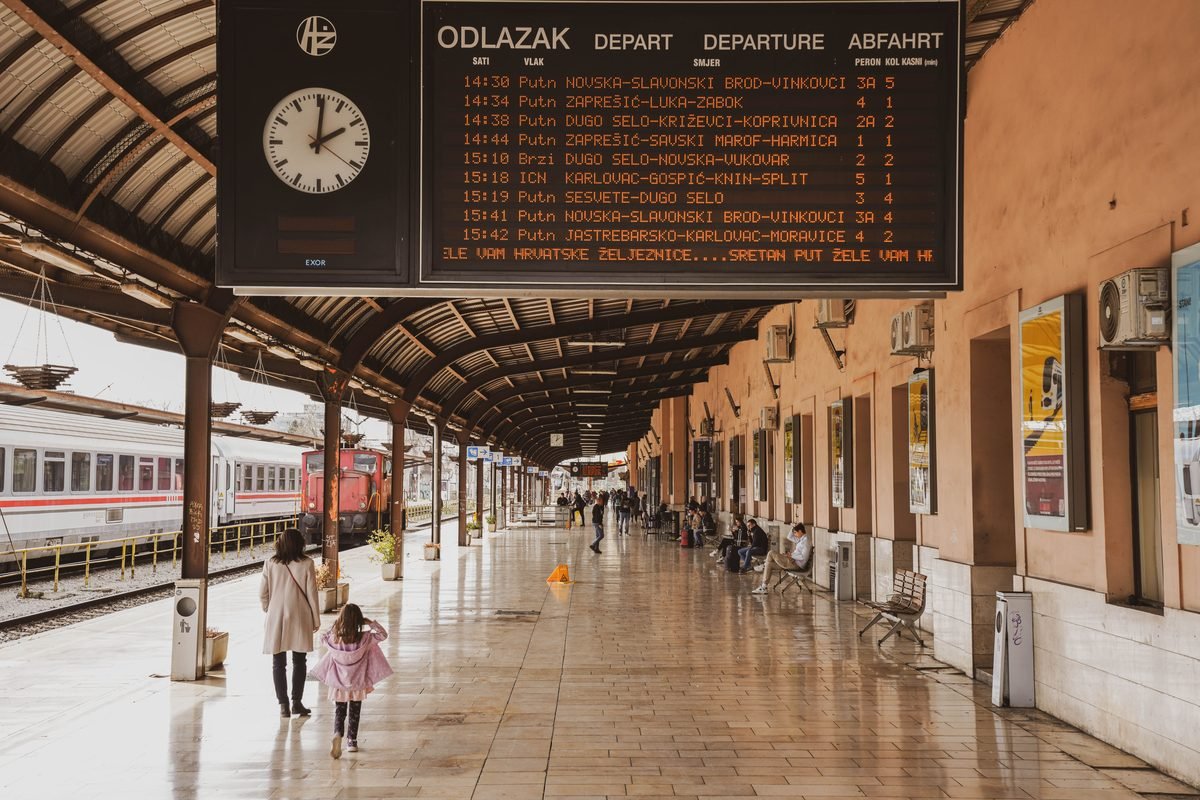
One of the greatest joys of train travel is the lack of airport-style security lines and endless waiting. For most domestic train journeys in Europe, arriving fifteen to twenty minutes before departure is perfectly adequate. This gives you enough time to find your platform, check the departure boards, and board the train without rushing. However, there are a few major exceptions.
If you are taking the Eurostar from London to Paris or Brussels, you must go through passport control and security screening. For these international routes, you should arrive sixty to ninety minutes before departure. The gates close strictly thirty minutes before the train leaves. When you arrive at any major station, do not just rush to the platform. Check the platform screen.
It will often show a diagram of the train layout, indicating where first-class, second-class, and dining cars will stop along the platform. This allows you to position yourself in the correct zone ahead of time. It prevents you from having to struggle through narrow, crowded aisles with heavy luggage once the train arrives. Many European trains only stop at intermediate stations for two to three minutes, so you must be ready to board quickly. If you have large bags, look for the dedicated luggage racks near the entrance doors of each carriage. Keeping your smaller valuables in a backpack at your seat is the safest way to travel.
If you find yourself with extra time, major stations like Zürich Hauptbahnhof or Milano Centrale have fantastic food halls where you can grab high-quality local snacks for your journey. This is always a better and cheaper option than relying on the limited menu of the onboard bistro car.
What train travel in Europe costs
| Item | Local price | USD |
|---|---|---|
| Short hop ticket (e.g., Munich to Salzburg) | €19 | about $21 |
| High-speed ticket booked early (Paris to Lyon) | €35 | about $39 |
| Seat reservation fee (domestic TGV) | €10 | about $11 |
| Nightjet couchette ticket (Vienna to Berlin) | €89 | about $99 |
| Eurail 5-day Global Pass (adult, standard) | €318 | about $353 |
| Average mid-range hotel night near station | €130 | about $144 |
| Typical daily transport & food budget | €75 | about $83 |
Prices checked September 2026. Always confirm with the provider before you book.
Mistakes to avoid
- Assuming a Eurail pass covers all seat reservations on high-speed trains without extra booking steps.
- Buying tickets on third-party reseller sites that charge massive markups and make refunds impossible.
- Forgetting to validate physical paper regional tickets before boarding in Italy.
FAQ
Is it cheaper to buy train tickets in advance in Europe?
Yes, absolutely. High-speed and long-distance trains in Europe operate on dynamic pricing similar to airlines. Booking three months ahead can save you up to 70% compared to buying on the day of travel.
What are the best train travel in Europe tips for packing light?
Stick to a single carry-on backpack or a compact four-wheeled suitcase. Train overhead racks and under-seat spaces are limited, and lifting a heavy 20kg suitcase onto a high train step is exhausting.
Can I use my phone as a ticket on all European trains?
In almost all of Western and Central Europe, a digital barcode on your phone is perfectly fine. However, some regional operators in Eastern Europe still require you to print your ticket at the station before boarding.
What happens if I miss my connection due to a delayed train?
Under European rail passenger rights (CIV rules), if a delay causes you to miss a connection on a single ticket booking, the operator must put you on the next available train for free. If you booked separate tickets, you may have to buy a new one.
Do European trains have luggage limits or extra fees?
Standard European trains do not charge extra for luggage and do not weigh your bags. However, budget operators like Ouigo in France do enforce strict luggage size limits similar to low-cost airlines, so read the rules before booking.



One Comment