How to Avoid ATM Fees Abroad: Ultimate Travel Guide

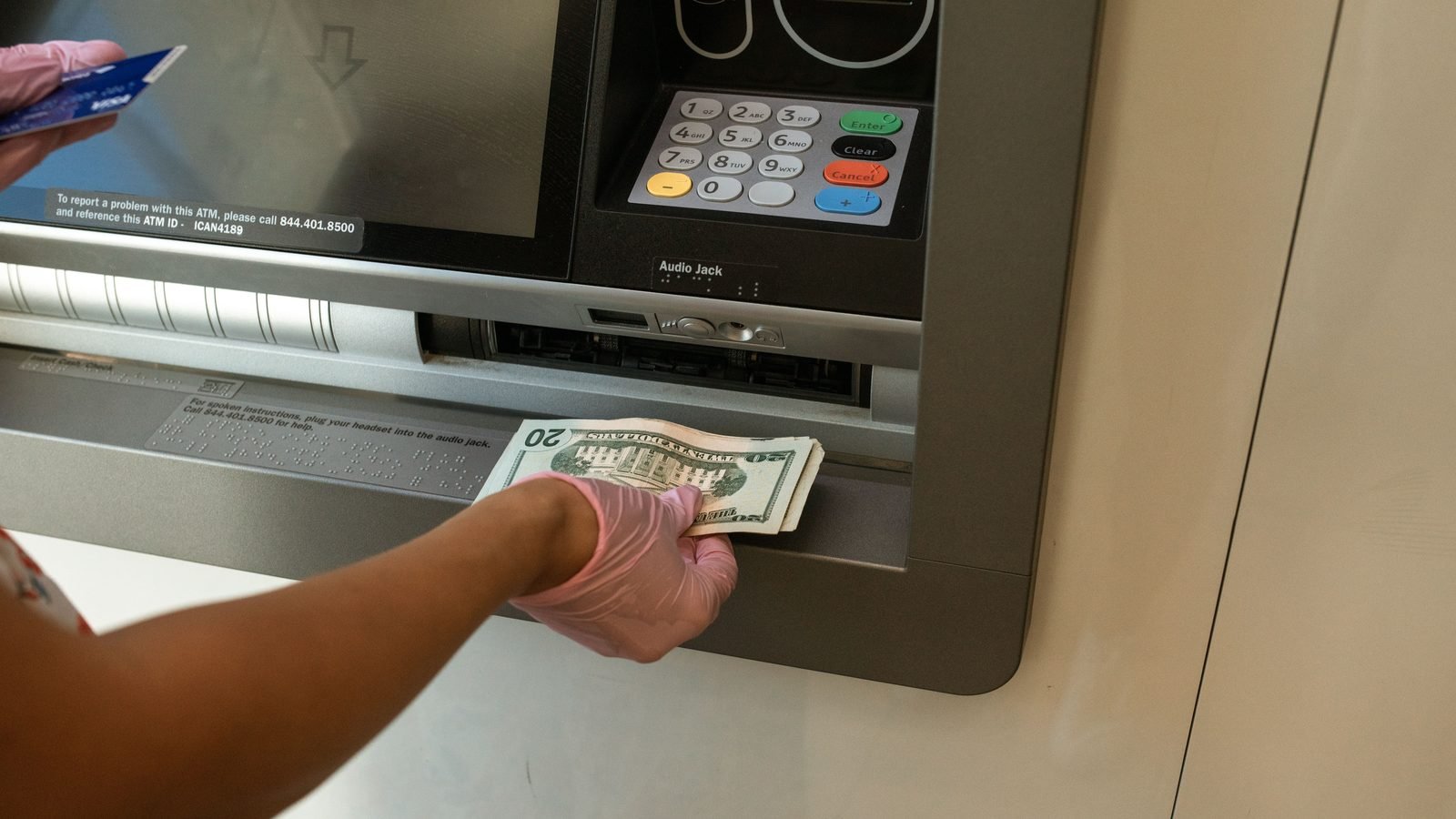
I once stood in front of a glowing ATM in Tokyo’s Shibuya district, watching the screen threaten me with a ¥600 (about $4) local fee on top of my own bank’s $5 charge. I stood there frozen. Paying nine dollars just to access my own money felt like a minor robbery. Over a two-week trip, those small transaction fees can easily swallow $100 or more. It adds up fast.
This guide is for independent travelers who want to keep their money in their own pockets rather than handing it over to foreign banks. We will look at how to avoid ATM fees abroad by choosing the right cards, dodging deceptive currency conversion screens, and outsmarting predatory machines at the airport.
How to choose the best debit cards for travel
Before you even pack your bags, the battle against bank fees is either won or lost. Most traditional banks charge a flat fee of $5 plus a 3% foreign transaction fee for every single withdrawal you make outside your home country. If you pull out the equivalent of €100 (about $110) in Spain, you might end up paying nearly $10 just for the privilege. Fortunately, fees are a choice. You can bypass this entirely by opening a checking account that offers ATM fee rebates. In the US, the Charles Schwab High Yield Investor Checking card is the gold standard because it refunds every single ATM fee worldwide at the end of each month.
For UK and European travelers, digital banks like Wise and Revolut offer fee-free international withdrawals up to a certain monthly limit, usually around £200 (about $260) or €200 (about $220). Once you exceed that limit, they charge a modest 1.75% to 2% fee, which is still far cheaper than traditional retail banks. Another excellent option for Australians is the Macquarie Transaction Account, which charges no international transaction fees and does not add a markup to the Mastercard exchange rate. When you use these cards, the local ATM might still warn you about a fee, but your bank will either decline to pass it on or refund it entirely.
I always keep my Schwab card funded specifically for my international trips, ensuring I never have to worry about local operator fees. It takes about ten minutes to set up online, and the savings over a couple of trips will easily cover a nice dinner. Make sure to order the physical card at least three weeks before your departure date so it arrives in time.
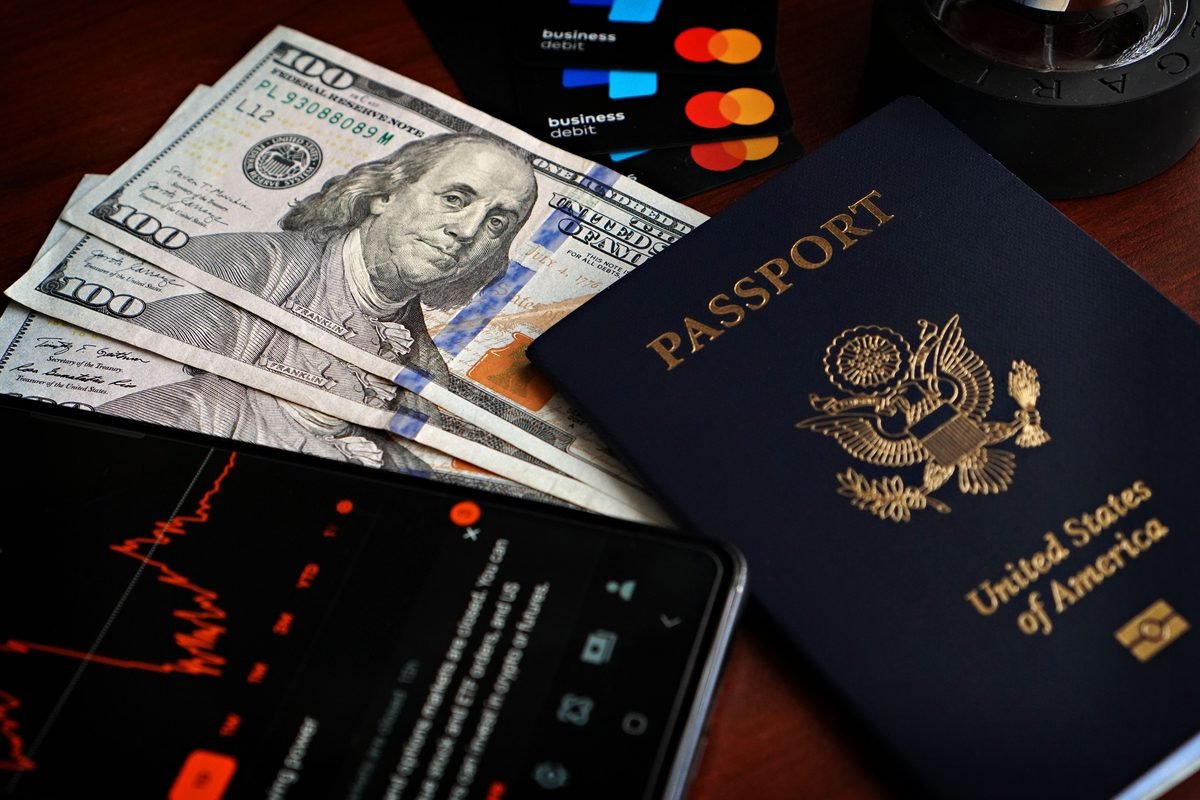
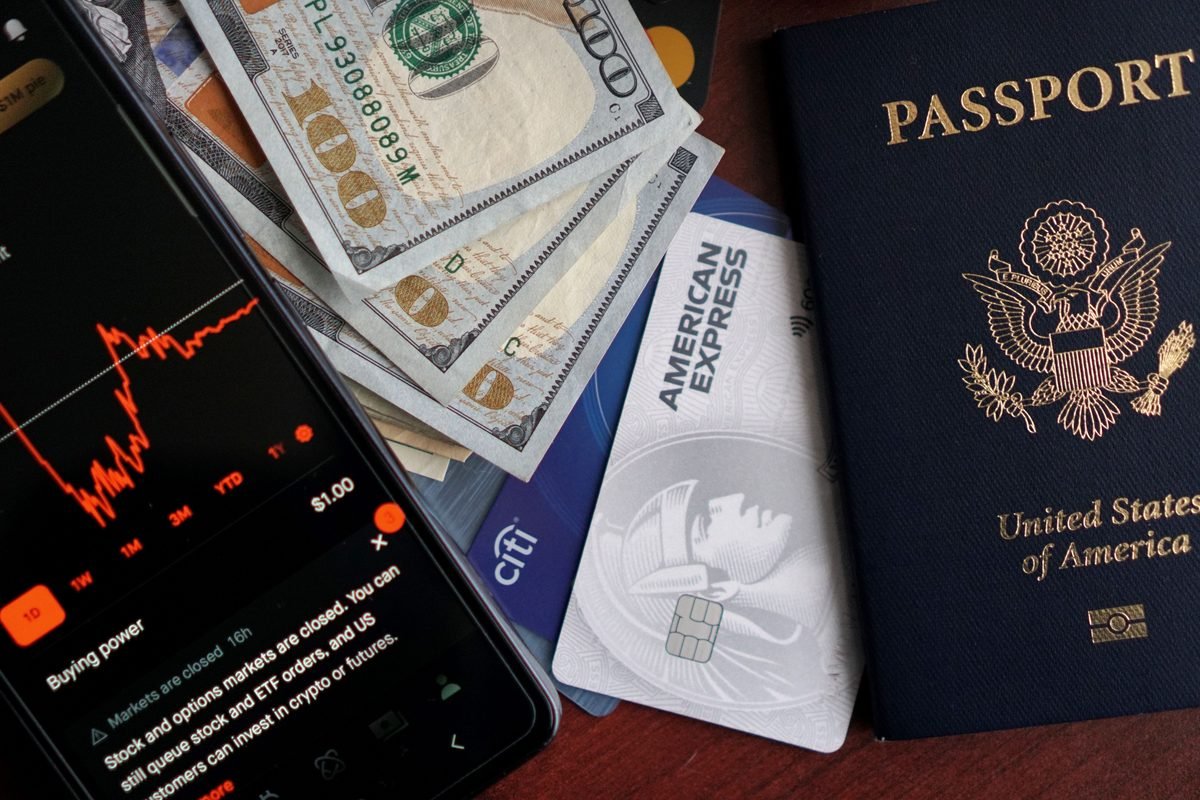
Book ahead: Order Your Travel Cards Early
Make sure to apply for fee-free debit cards like Charles Schwab or Wise at least three to four weeks before your trip to allow for shipping and account activation.
How to avoid ATM fees abroad and the DCC trap
The most expensive mistake you can make at a foreign ATM does not come from a flat fee. It comes from a clever psychological trick called Dynamic Currency Conversion, or DCC. When you enter your PIN and select your withdrawal amount, the machine will often show you a screen with a choice. It will ask if you want to be billed in your home currency (like US dollars or British pounds) or the local currency (like Euros or Korean Won). The screen will look very helpful, showing you the exact conversion rate and the final amount that will be deducted from your account.
Never accept their rate. This is a massive trap designed to siphon off your money. If you choose your home currency, the ATM operator applies their own terrible exchange rate, which often includes a hidden markup of 8% to 15%. For example, if you withdraw ₩100,000 (about $75) at an ATM in Seoul, choosing to be billed in USD might cost you $85, whereas choosing Korean Won and letting your own bank handle the conversion would only cost you $75. The golden rule is simple: always choose the local currency of the country you are standing in. If the screen asks “With Conversion” or “Without Conversion,” always select “Without Conversion.” If it asks “Accept Conversion” or “Decline Conversion,” choose “Decline.” By doing this, you force the machine to process the transaction in the local currency, meaning your home bank will perform the conversion using the highly competitive network rate from Visa or Mastercard.
This simple click can save you enough money to buy a round of drinks or a museum ticket. I have seen travelers lose over $50 on a single large withdrawal just because they clicked the button with their home country’s flag on it. The machine tries to scare you by saying the exchange rate is not guaranteed if you decline, but this is just a marketing tactic to pressure you into accepting their inflated rates.
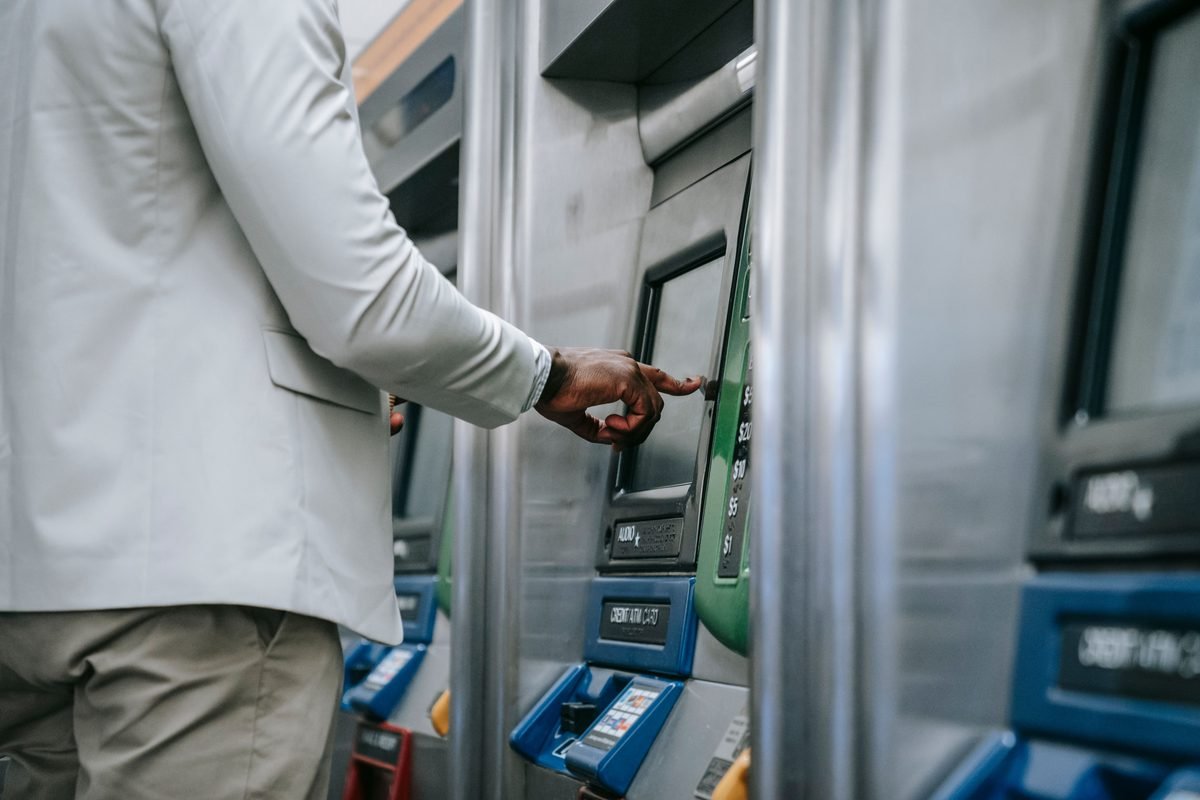
Heads up: The 'With Conversion' Trap
Always select ‘Without Conversion’ or ‘Decline Conversion’ when prompted by a foreign ATM. Accepting it can instantly cost you an extra 10% in hidden exchange markups.
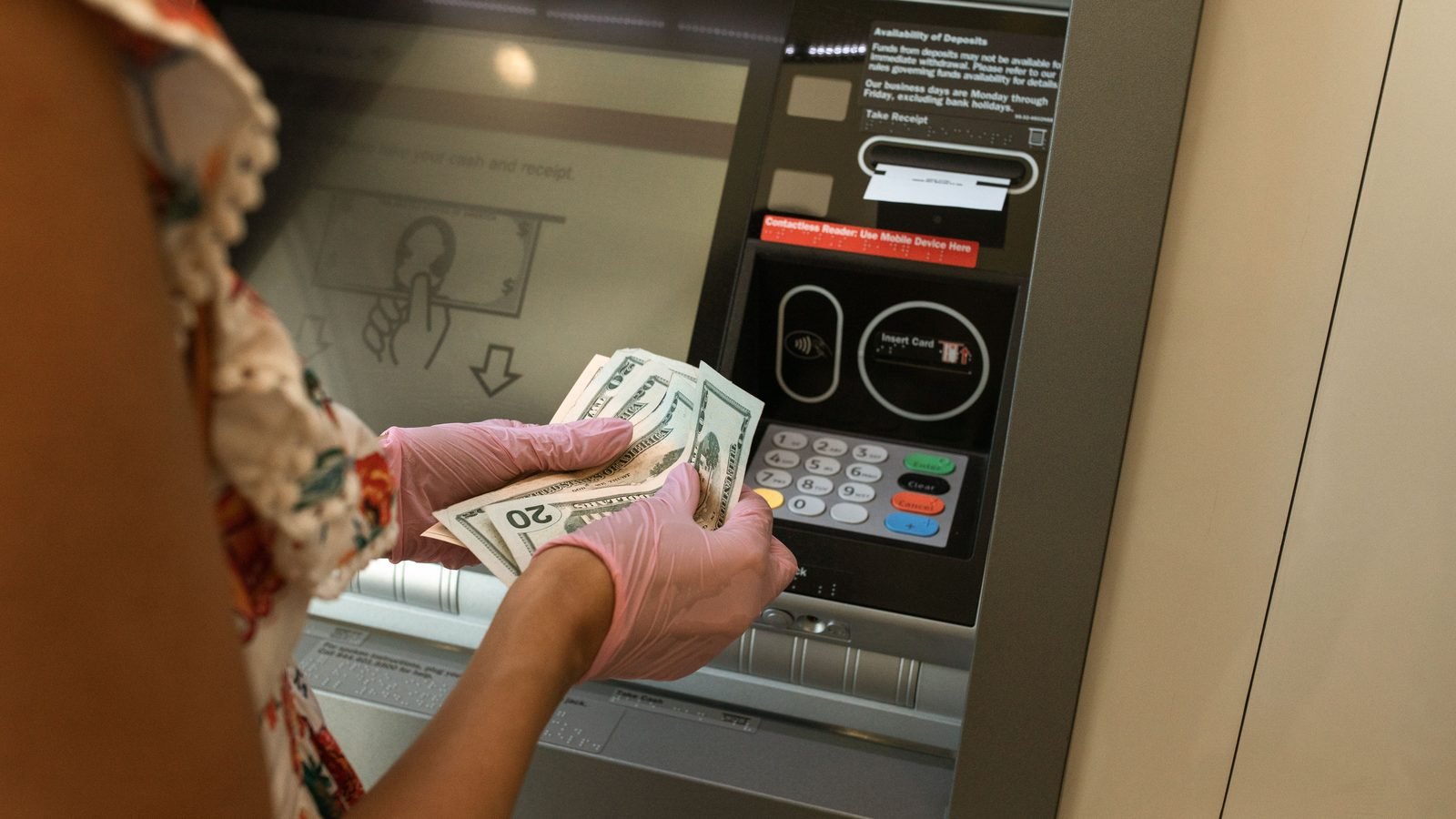
How to spot bank-owned ATMs vs standalone machines
Not all ATMs are created equal, and where you choose to withdraw your money matters immensely. ATMs generally fall into two categories: bank-owned machines and independent, standalone terminals. Bank-owned machines are operated by actual retail banks and are physically attached to a bank branch. In Korea, look for established names like KB Kookmin Bank, Hana Bank, or Shinhan Bank. In Europe, look for major institutions like Deutsche Bank or Santander. These machines are highly regulated, secure, and typically charge very low local fees, if any.
Independent ATMs, on the other hand, are operated by private companies like Euronet, Travelex, or Cardpoint. You will find these glowing boxes in convenience stores, souvenir shops, and nightlife districts. They exist solely to profit from convenience. They charge high flat fees, often starting at €5 (about $5.50) per transaction, and they employ aggressive DCC screens with terrible conversion rates. Even worse, some independent machines have lower daily withdrawal limits, forcing you to make multiple transactions and pay multiple fees. To protect your wallet, make it a rule to only use ATMs that are physically embedded in the wall of a real bank. Not only are these safer from physical skimming devices, but they also offer the fairest terms.
If you must use a convenience store ATM, be prepared for a fee. In Japan, convenience store ATMs at 7-Eleven are actually quite fair, charging only ¥110 to ¥220 (about $0.75 to $1.50), but this is a rare exception to the rule. Elsewhere, stick to bank branches during business hours so staff can help if the machine eats your card. Using a bank ATM also reduces the risk of card skimming. Criminals rarely target ATMs inside or attached to major bank branches because they are monitored by security cameras 24 hours a day. In contrast, a standalone machine in a dark alley or a busy convenience store is a much easier target for tampering. Taking a five-minute walk to find a real bank branch is always worth the effort.
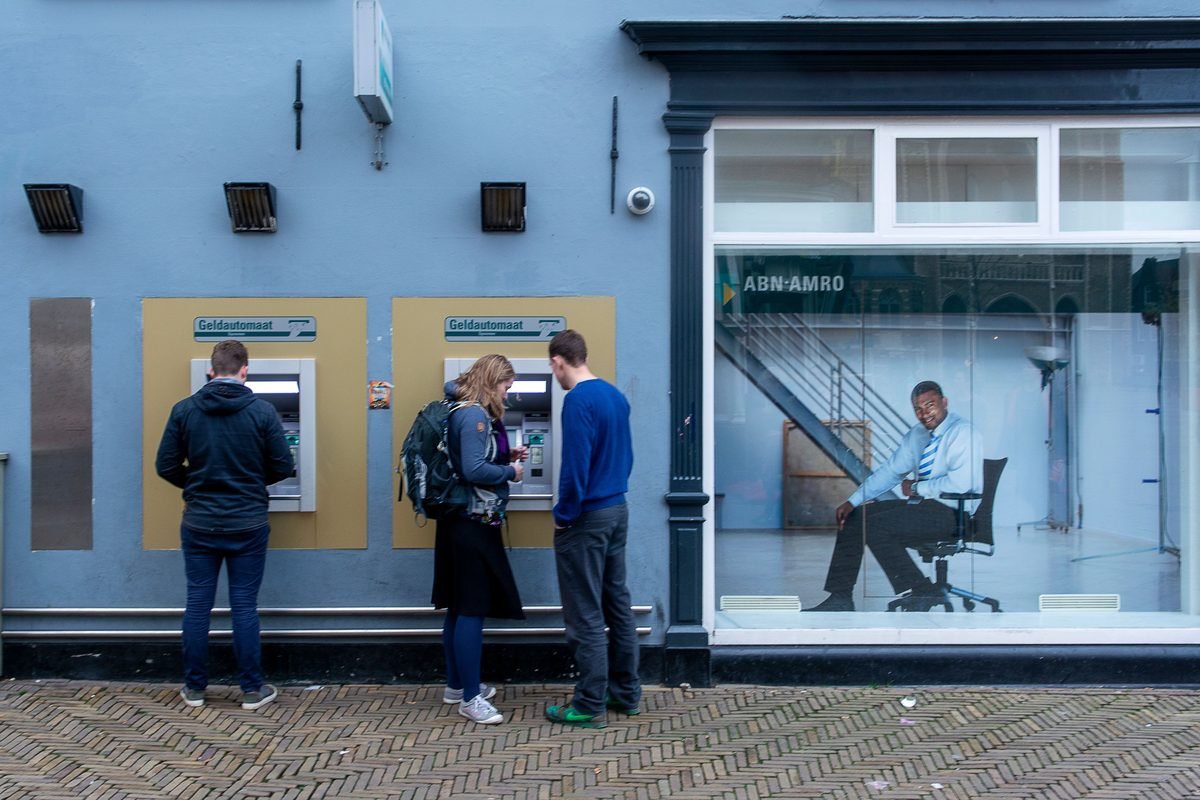
From a local: Finding Fair ATMs in Korea
If you are in Seoul, look for Woori, Hana, or KB Kookmin Bank ATMs inside actual branches. Avoid the generic machines in subway stations which charge higher fees and lack English support.
How to calculate your cash withdrawal amount strategy
If your card does not refund ATM fees, your best defense is a smart withdrawal strategy. Every time you insert your card into a foreign machine, you risk paying a flat fee to both the ATM operator and your own bank. Therefore, making five small withdrawals of $20 will cost you five times as much as making one single withdrawal of $100. To minimize these costs, you need to estimate your cash needs beforehand. Cash is still king sometimes, but the level of cash reliance varies wildly by destination.
If you are traveling in South Korea, you will barely need any cash at all. Almost every vendor, from taxi drivers to street food stalls in Seoul, accepts credit cards or mobile payments. You might only need a small amount of cash, perhaps ₩20,000 (about $15), to load onto a transit card at a convenience store. On the flip side, if you are visiting Germany or Japan, cash is still heavily used in traditional restaurants, small shops, and temples. In those countries, withdrawing a larger lump sum like ¥30,000 (about $200) or €200 (about $220) at the start of your trip makes financial sense. It reduces the number of times you face the ATM screen.
However, you must balance this with physical safety. Carrying massive amounts of cash makes you a prime target for pickpockets. Only withdraw what you realistically plan to spend over three to four days, and keep the bulk of it locked in your hotel safe rather than carrying it all in your wallet. Before you arrive, do a quick search on the payment culture of your destination. If you know you will be paying for accommodation or expensive tours in cash, arrange those withdrawals carefully. Many tour operators in Southeast Asia offer discounts for cash payments, but the local ATM fees can eat into those savings if you do not withdraw the full amount in one go. Always check the maximum withdrawal limit of the machine, which is often around $300 to $500 equivalent, to get the most value out of a single transaction fee.
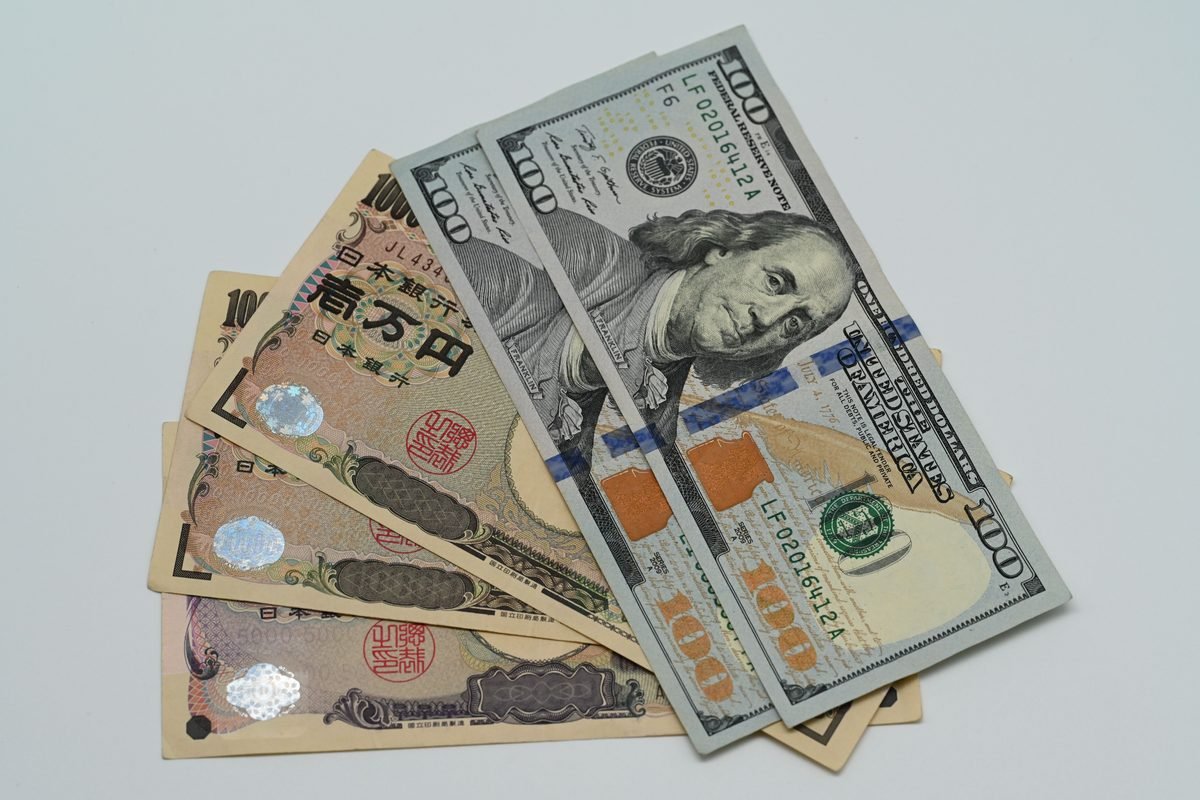
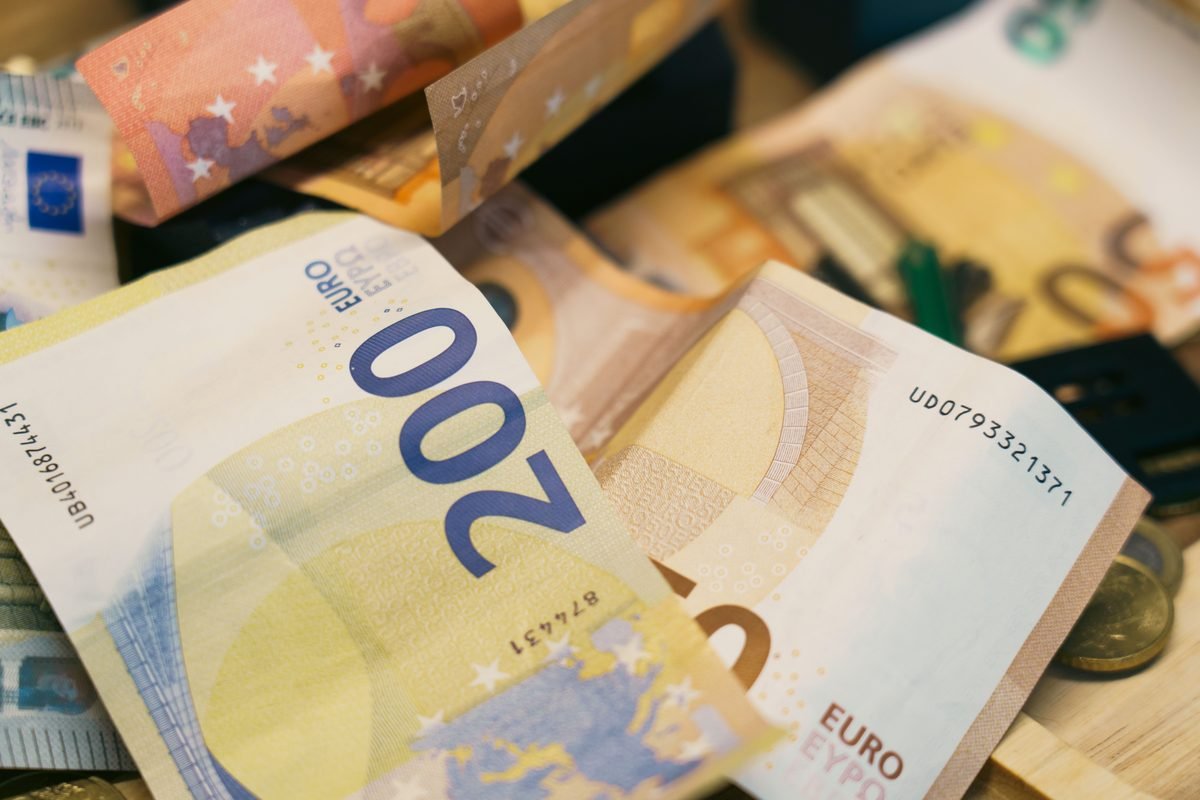
How to handle airport ATMs upon arrival
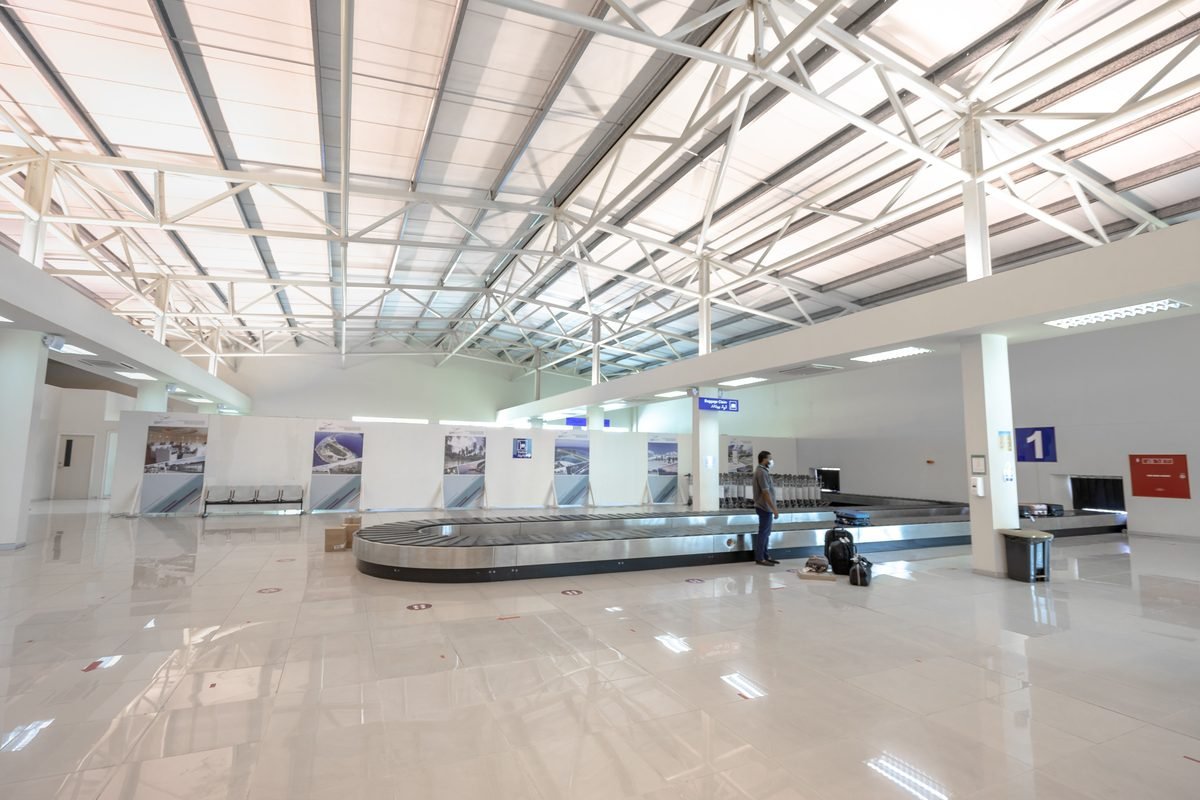
The moment you step off a long-haul flight, you are tired, disoriented, and vulnerable to bad financial decisions. This is exactly what airport ATM operators count on. The baggage claim area and arrival hall are prime real estate for predatory standalone ATMs. Companies like Travelex pay massive premiums to airports to be the exclusive cash machines in the terminal. These machines are notorious for charging exorbitant flat fees and forcing DCC on unsuspecting travelers who just want enough cash to buy a train ticket into the city.
If you absolutely must have cash immediately upon landing, look past the brightly colored tourist kiosks. Walk out of the baggage claim and search the public arrivals hall for a machine operated by a reputable national bank. For example, at Incheon Airport near Seoul, you can find legitimate branches of Woori Bank or Hana Bank. These will offer standard network rates. Alternatively, you can avoid airport ATMs entirely by preparing a small amount of local currency before you leave home, though physical currency exchange booths at home also offer terrible rates.
A better strategy is to use your credit card to pay for your initial transport into the city. Most modern airport trains, metros, and official taxis accept card payments. Once you reach your neighborhood or hotel, you can find a quiet, bank-owned ATM on the street and make your withdrawal in a calm environment without the airport premium. Likewise, if you take a taxi, the driver will gladly accept a Visa or Mastercard, meaning you have zero need for physical cash at the terminal. If you are landing in a city where cash is mandatory for transport, like some destinations in Latin America or Southeast Asia, only withdraw the bare minimum needed for the taxi ride, usually no more than $20 to $30 equivalent. Save your major withdrawals for the city center where competition keeps bank fees reasonable.
How to build a reliable backup card plan
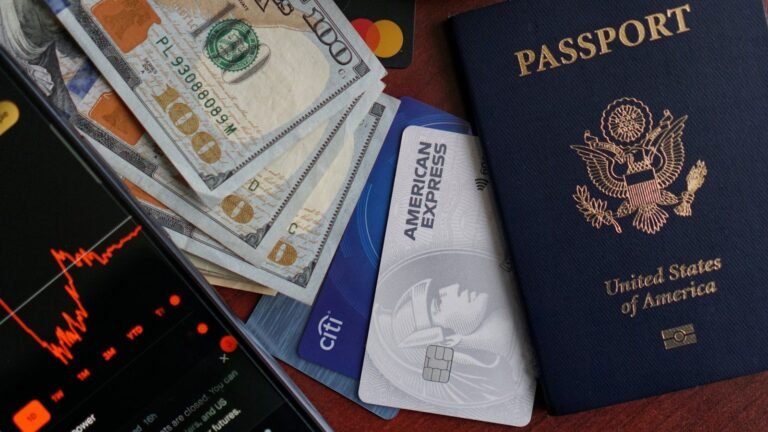
No matter how carefully you plan, travel has a way of throwing curveballs. An ATM might swallow your card, a bank might flag your transaction as suspicious and freeze your account, or a pickpocket might swipe your wallet. If you only travel with one debit card, a simple technical glitch can leave you stranded without any access to cash. This is why a backup card plan is absolutely essential. You should always travel with at least two different debit cards and two different credit cards, ideally split between the Visa and Mastercard networks.
Keep these cards physically separated. I keep my primary debit card in my daily wallet, but my backup cards remain locked in the hotel safe or tucked away in a hidden compartment in my backpack. Do not panic if one card stops working. Having a backup means you can easily log into your banking app, transfer funds, and continue your day without interruption. It is also wise to notify your banks of your travel dates before you leave, though many modern digital banks no longer require this. When setting up your backup cards, choose institutions that do not charge monthly maintenance fees, so keeping the accounts open costs you nothing. This redundancy ensures that even if a foreign ATM eats your primary card, your trip will not be derailed.
I also recommend keeping a digital copy of your cards on your phone via Apple Pay or Google Wallet. While many older foreign ATMs do not support contactless withdrawals, an increasing number of modern machines in Europe and Asia allow you to tap your phone to access cash. This is incredibly useful if you lose your physical card but still have your phone. Just make sure your backup bank accounts are linked to your digital wallet before you depart. Taking these precautions takes very little effort but provides immense peace of mind when you are thousands of miles from home.

What ATM fees actually cost
| Item | Local price | USD |
|---|---|---|
| Predatory Independent ATM Flat Fee | €5.00 | ($5.50) |
| Typical Bank Foreign Transaction Fee (3%) | €3.00 | ($3.30) |
| DCC Markup on €100 Withdrawal (10%) | €10.00 | ($11.00) |
| Standard Bank-Owned ATM Fee | €0.00 | ($0.00) |
| Charles Schwab ATM Fee Refund | €-5.00 | ($-5.50) |
| Average Total Fees on a €100 Predatory Withdrawal | €18.00 | ($19.80) |
Prices checked September 2026. Always confirm with the provider before you book.
Mistakes to avoid
- Using credit cards for cash withdrawals, which triggers immediate high-interest cash advance fees and cash advance interest rates.
- Accepting the ATM’s offered conversion rate (DCC) out of fear that your home bank will charge a higher rate.
- Withdrawing small amounts of cash multiple times, which multiplies the flat fees charged per transaction.
FAQ
What is the best card to avoid ATM fees when traveling?
The Charles Schwab debit card is widely considered the best option for US travelers because it offers unlimited ATM fee rebates worldwide. For UK and European travelers, digital banks like Wise, Revolut, and Starling offer excellent fee-free withdrawal limits.
How do I know if an ATM will charge a fee?
The ATM is legally required to disclose any local operator fees on the screen before you complete your transaction. If the fee is too high, you can always cancel the transaction and find a different machine.
Should I exchange cash before I travel?
Generally, no. Physical currency exchange booths at airports and tourist centers offer some of the worst exchange rates. You will almost always get a better rate by using a fee-free debit card at a bank-owned ATM once you arrive.
What is the secret of how to avoid ATM fees abroad?
The secret is combining a fee-free debit card with the habit of always choosing to be billed in the local currency. This avoids both flat transaction fees and the predatory markups of Dynamic Currency Conversion.
What should I do if an ATM eats my card?
Immediately call your bank using their mobile app or international phone number to freeze the card. This is why you should always carry a backup card and only use ATMs attached to open bank branches where staff can assist you.