Seoul Cafe Hopping Guide: Routes, Costs & Etiquette

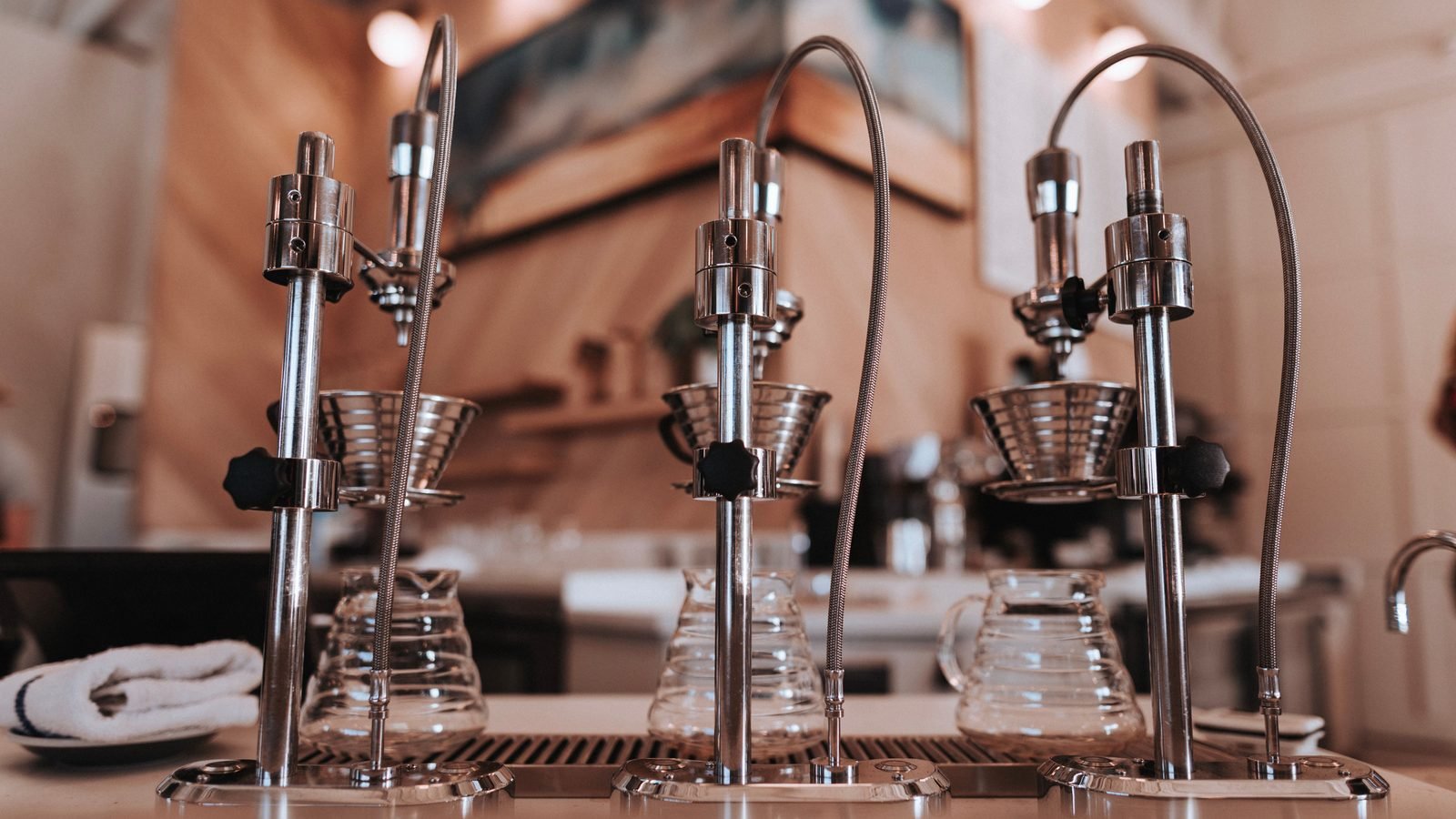
At 11:00 AM on a crisp morning in Seongsu-dong, the smell of freshly roasted specialty coffee drifts past rows of converted red-brick warehouses. Seoul runs on espresso. If you are following this Seoul cafe hopping guide, you will quickly discover that coffee in South Korea is far more than a quick caffeine fix—it is an architectural craft, a culinary art, and an essential pillar of daily social life.
This guide is written for independent travelers who want to explore Seoul’s distinct coffee districts without getting lost or breaking local etiquette. We cover realistic neighborhood walk routes through Seongsu-dong, Yeonnam-dong, and Ikseon-dong, real 2026 prices for specialty pour-overs, laptop rules, and how to navigate opening hours like a local.
How to plan your Seoul cafe hopping guide route by subway
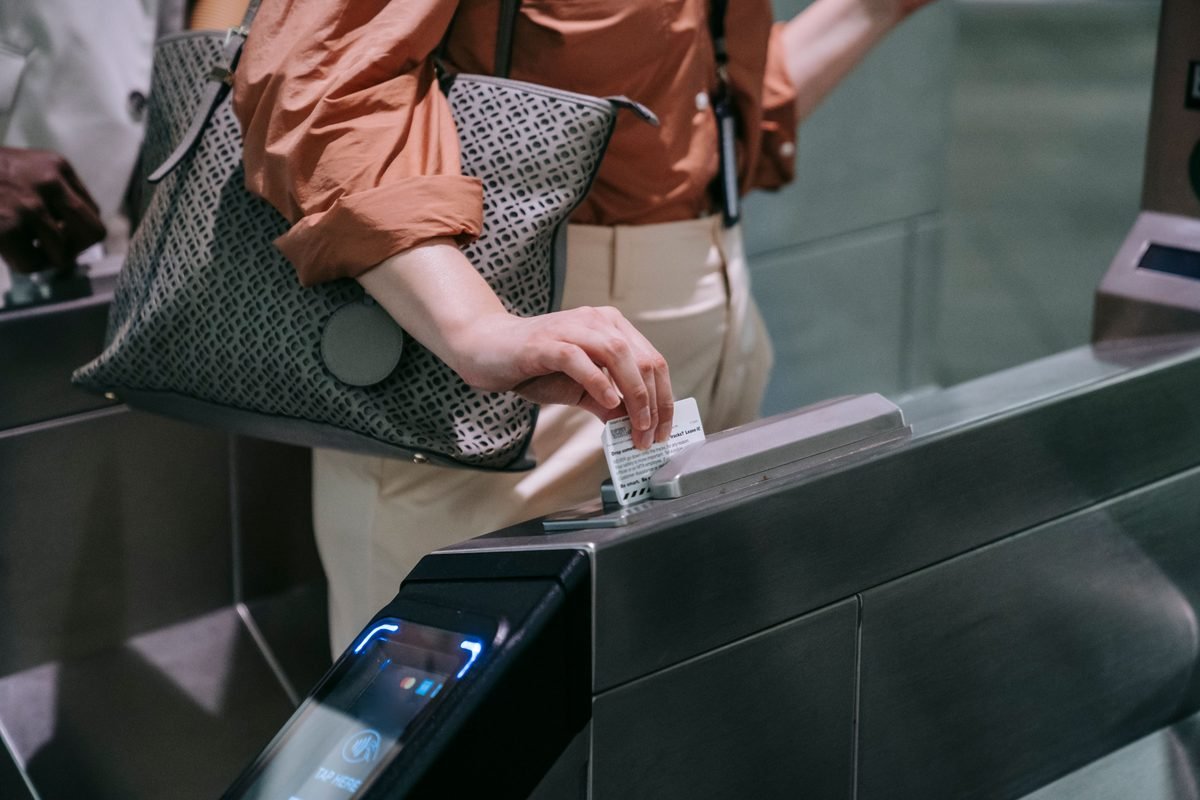
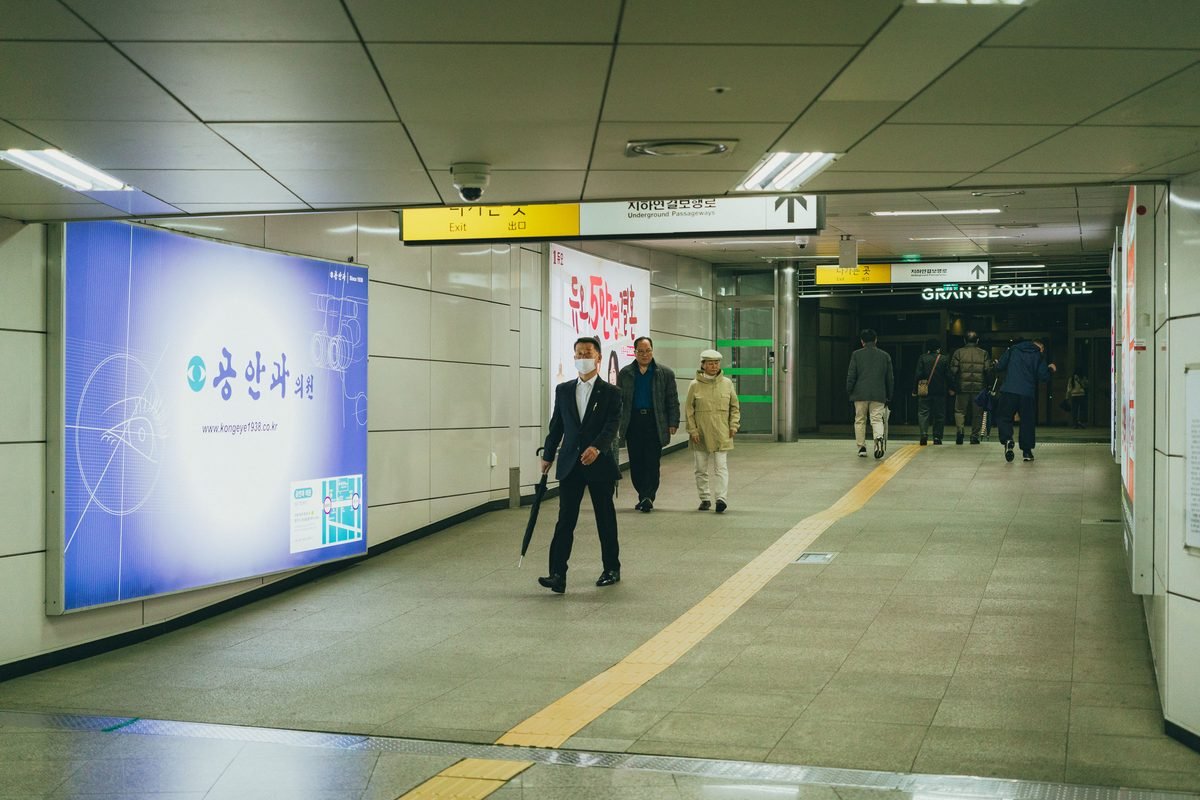
At 8:30 AM on a Tuesday, Seongsu Station is already humming as commuters tap their transit cards through the turnstiles for ₩1,550 (about $1.15). T-money works on subways. If you want to sample the best roasteries in town without wasting half your morning stuck in traffic, the underground network is your single best tool. Seoul’s subway system links every major coffee cluster north of the river cleanly, provided you know where to transfer and which exits to take.
When planning your route, keep geographical clusters tight. Seongsu-dong sits on Line 2, while Yeonnam-dong is a short walk from Hongik University Station (Lines 2, AREX, and Gyeongui-Jungang). Ikseon-dong is right next to Jongno 3-ga Station (Lines 1, 3, and 5). Because all three of these major hubs sit north of the Han River, you do not need to cross the river to jump between them. Moving from Seongsu to Hongdae takes roughly 25 minutes on Line 2, while getting to Ikseon-dong requires a quick transfer at Euljiro 3-ga.
Do not rely on standard Western mapping apps while walking between cafes. Google Maps does not provide walking or public transit navigation in South Korea due to national mapping regulations. Download Naver Map or KakaoMap before you set out. Both apps let you drop pins on individual roasteries, calculate transit times down to the minute, and show which subway car puts you closest to your exit stairway. You can buy a blank T-money card at any 7-Eleven or CU store for ₩4,000 (about $3.00) and top it up with cash at station kiosks.
Understanding opening hours and timing your cafe visits
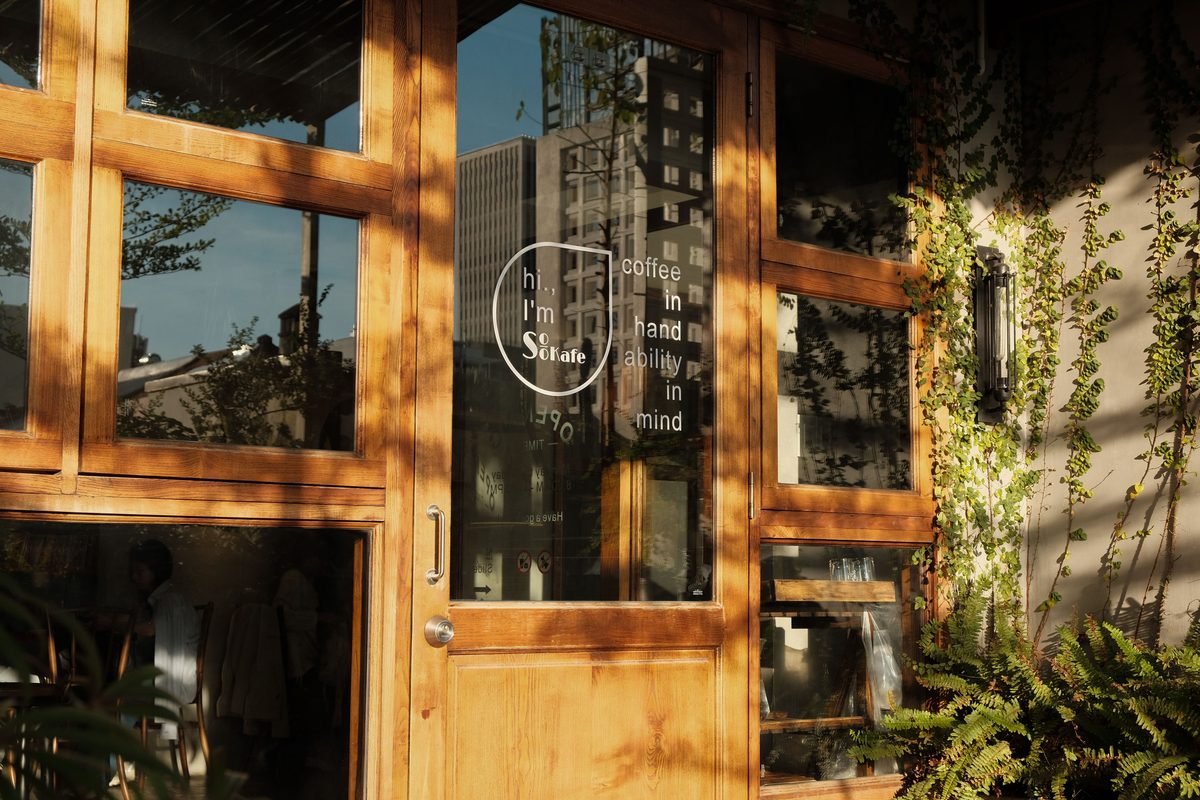
One of the biggest shocks for first-time visitors in Seoul is how late the city’s specialty coffee scene wakes up. While high-volume takeaway chains near business districts open by 7:00 AM, independent roasteries and micro-cafes rarely open their doors before 11:00 AM or midday. If you arrive in Seongsu or Yeonnam-dong at 9:00 AM expecting open doors, you will find locked glass and lowered shutters. Plan your mornings accordingly by starting at larger commercial multi-story spaces or having breakfast at your hotel before heading out.
The afternoon rush unfolds in two distinct waves. The first hit happens right after lunch between 12:30 PM and 2:00 PM, when local office workers leave restaurants to grab their daily iced Americano. The second peak hits around 3:00 PM to 5:00 PM, dominated by students, freelancers, and shoppers. Visiting flagship roasteries on a Saturday afternoon often means waiting in a digital queue for up to 45 minutes just to order. To avoid long waits, schedule your top-priority coffee spots between 11:00 AM and noon, or visit on a Tuesday or Wednesday.
Closing times are surprisingly uniform across major cafe districts. Most neighborhood spots stay open until 9:00 PM or 10:00 PM, making night coffee a huge part of local culture. Kicking back with a pour-over at 8:00 PM is completely standard here. However, pay close attention to kitchen closing hours if you are aiming for signature desserts like croffles or layered cakes. Kitchens usually stop food service an hour before the main doors close. Always double-check operating days on KakaoMap, as many independent roasters choose Monday or Tuesday as their weekly rest day.
From a local: Morning coffee tip
If you need early espresso before 10:00 AM, seek out business district espresso bars near Gangnam or Station precincts instead of trendy residential neighborhoods.
Seongsu-dong cafe route: Industrial roasteries and red-brick labs
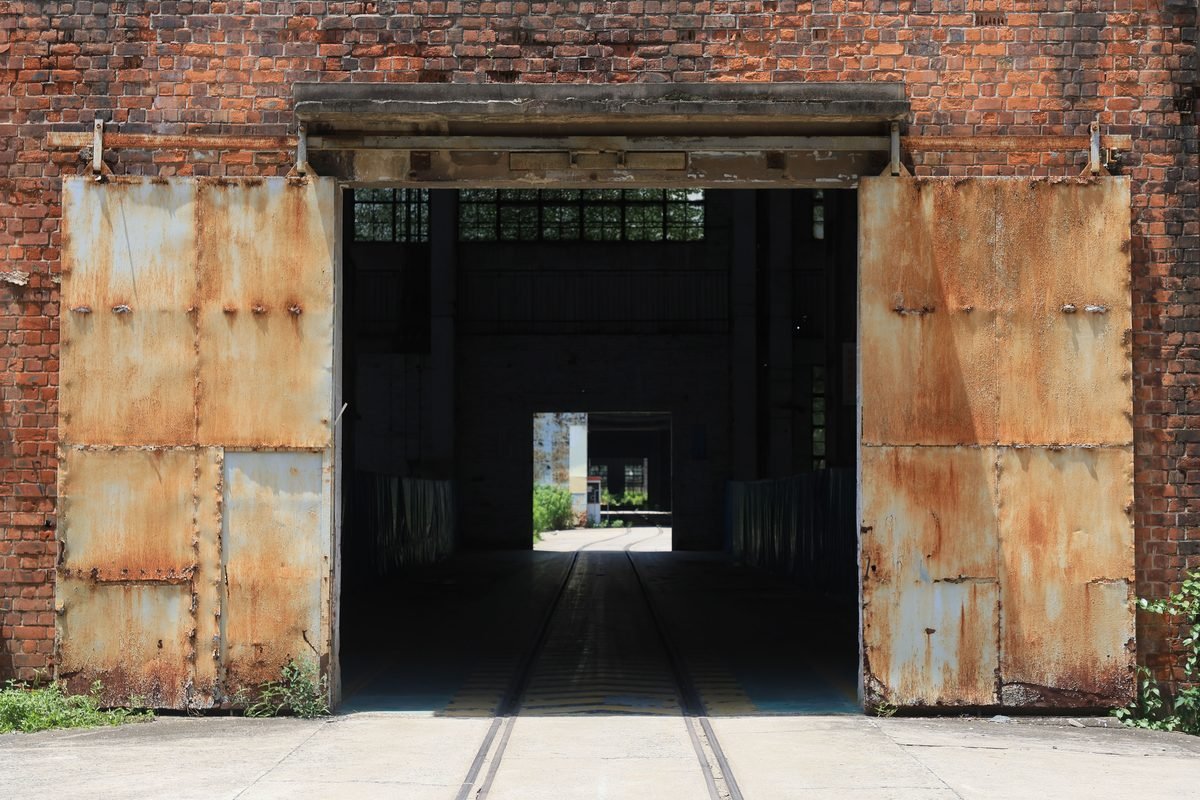
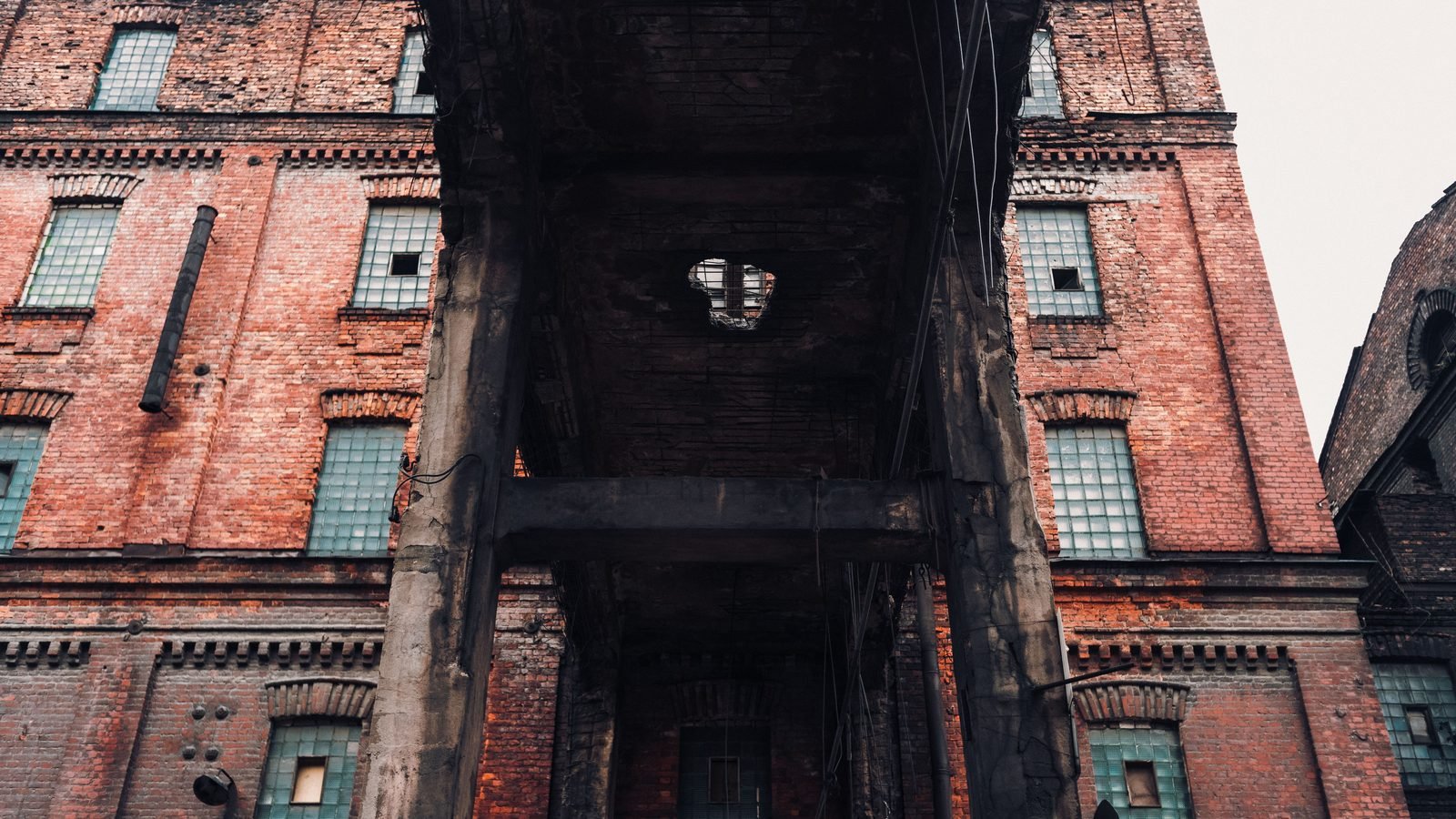
Seongsu-dong earned its reputation as the Brooklyn of Seoul by converting former shoe factories and auto repair shops into high-ceilinged coffee spaces. The neighborhood layout is flat and grid-like, making it an easy area to explore on foot. Exit Seongsu Station at Exit 3 and walk south down Seongsui-ro to begin. You will immediately notice how preserved red-brick facades contrast with brushed concrete interiors, brass espresso machines, and minimalist wooden seating.
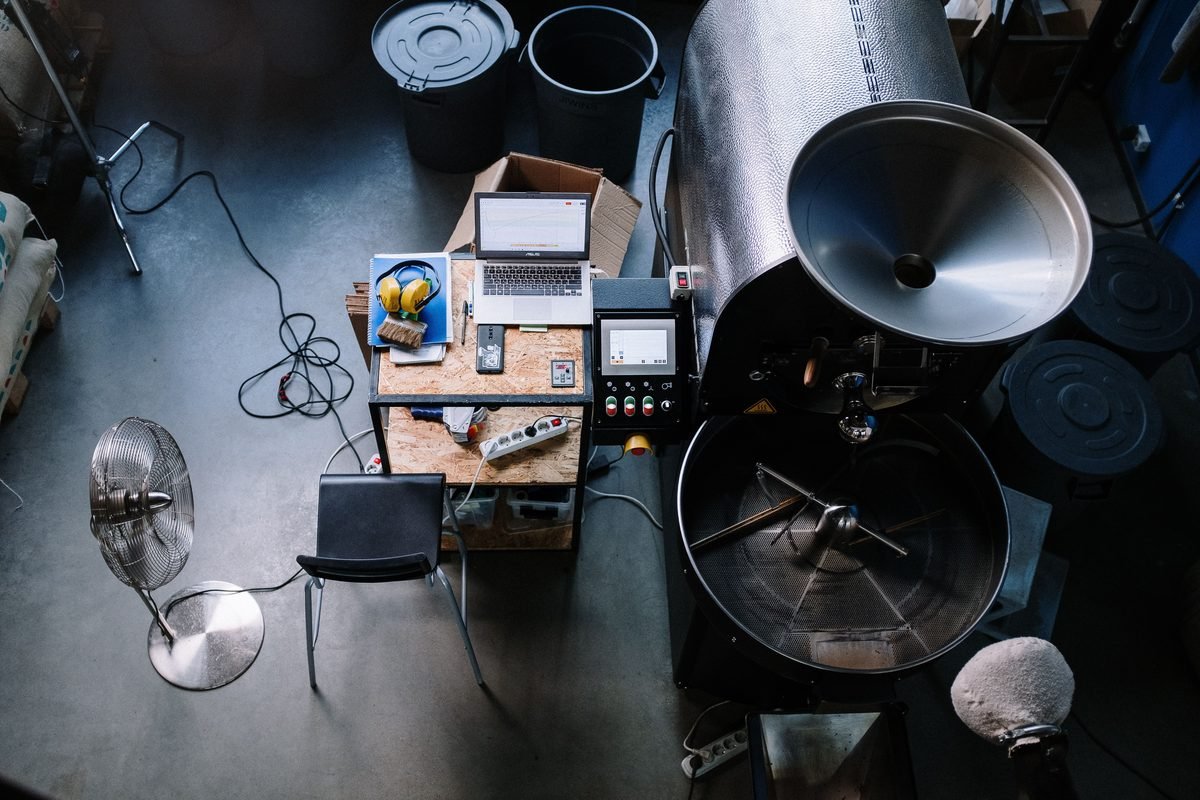
A solid Seongsu route starts along the main industrial corridor before tucking into the quieter alleys near Seoul Forest. Start at one of the flagship industrial conversions near the station, where multi-story layouts incorporate roastery equipment on the ground floor and seating above. Order a seasonal single-origin drip coffee to test their roasting profile before moving deeper into the neighborhood. Coffee here is serious. As you head west toward Seoul Forest, the scale shifts from massive warehouse spaces to quiet residential conversions with small courtyards and tucked-away espresso bars.
Expect high foot traffic on weekends. Popular spots in Seongsu often use tablet queueing systems at the entrance where you enter your local phone number or scan a QR code to reserve a spot. If you do not have a local phone number, speak directly to the door staff; they will manually assign you a number or call out your turn. Budget at least three hours for Seongsu alone so you can take a breather between spots. After getting your fill of coffee, you can explore the nearby boutiques or take a calm walk through Seoul Forest Park.
Tip: Weekend waiting lists
Popular Seongsu roasteries use digital tablets for waitlists; if you lack a Korean phone number, ask staff to manually enter your party.
Yeonnam-dong and Ikseon-dong: Alleyway roasteries and hanok coffee shops
While Seongsu leans into raw industrial steel, Yeonnam-dong and Ikseon-dong showcase the heritage and residential charm of Seoul coffee culture. Yeonnam-dong sits just north of Hongdae’s main shopping streets, built around narrow residential alleyways and the green corridor of the Gyeongui Line Forest Park. Here, old suburban brick homes have been transformed into multi-level micro-roasteries, dessert labs, and tiny five-seat filter bars. Walking these quiet side streets feels like discovering a quiet micro-neighborhood around every turn.
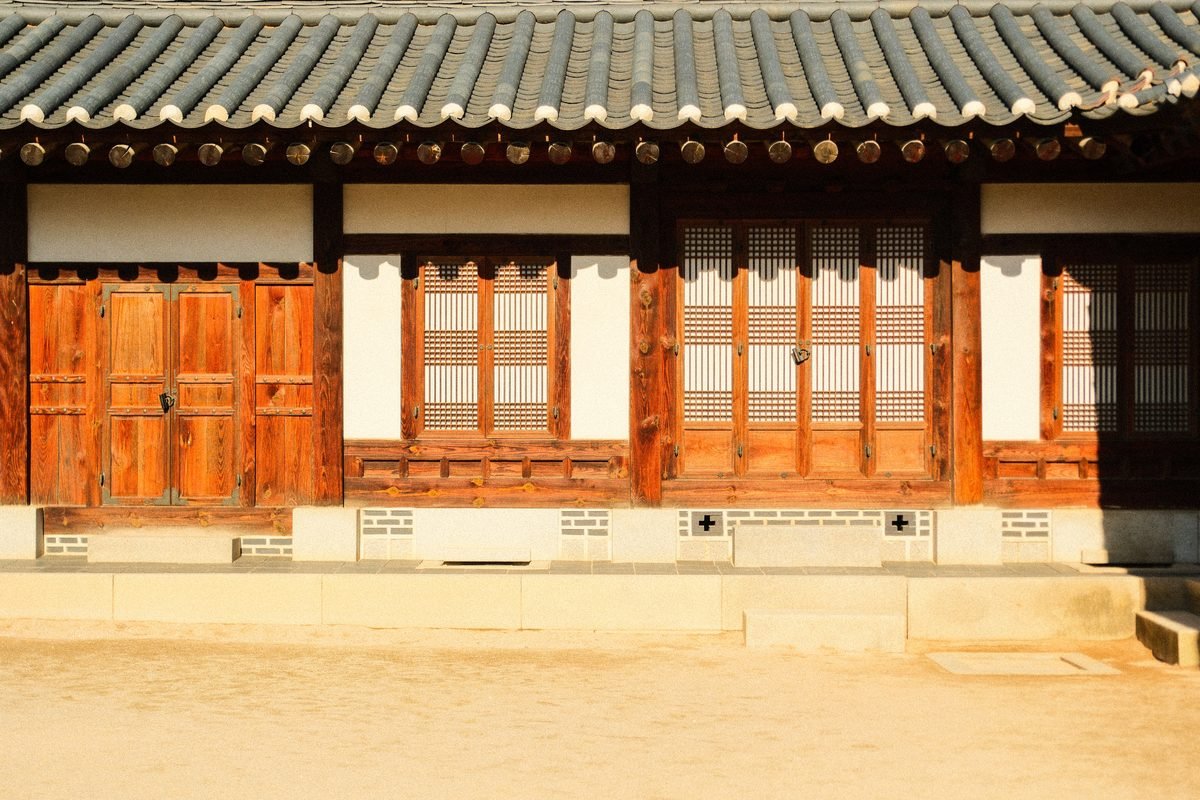
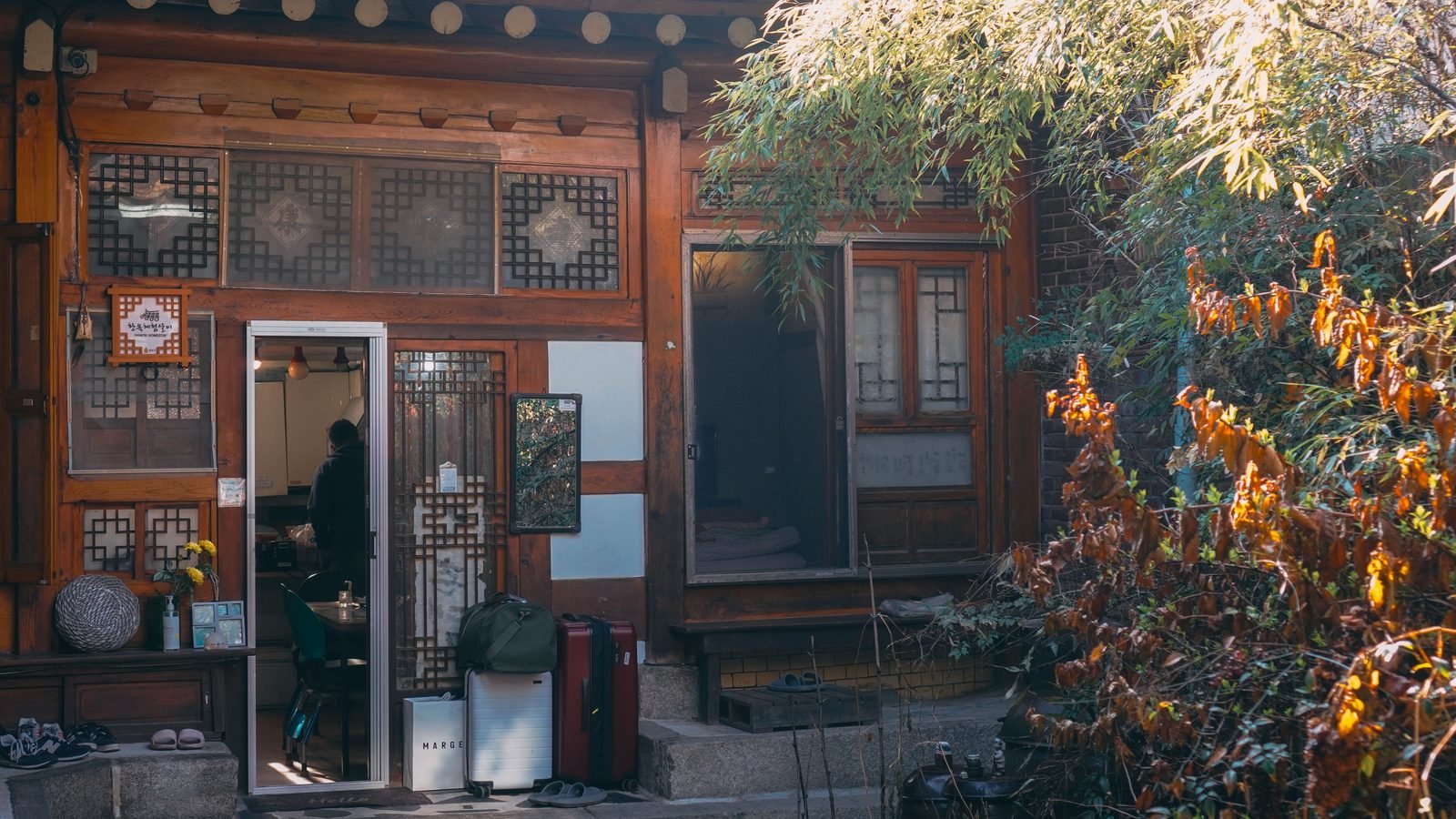
In contrast, Ikseon-dong offers a dense web of narrow alleys filled with converted traditional Korean hanok houses. Dating back to the 1920s, these wooden structures feature curved tile roofs, central courtyards, and exposed timber rafters. Sipping a meticulously brewed filter coffee while sitting on wooden floorboards under glass skylights is a distinct Seoul experience. The contrast between traditional wooden architecture and modern espresso machinery creates a memorable atmosphere that draws big crowds by mid-afternoon.
When hopping between these two areas, keep your routing efficient. Spend your morning weaving through the residential alleys of Yeonnam-dong starting from Hongik University Station Exit 3. After lunch, hop on subway Line 2 to Euljiro 3-ga, transfer to Line 3, and get off at Jongno 3-ga Station Exit 4 for Ikseon-dong. The alleys in Ikseon-dong are tight and narrow, so avoid pulling heavy luggage through the cobblestone paths.
What a specialty coffee costs and what to order in Seoul
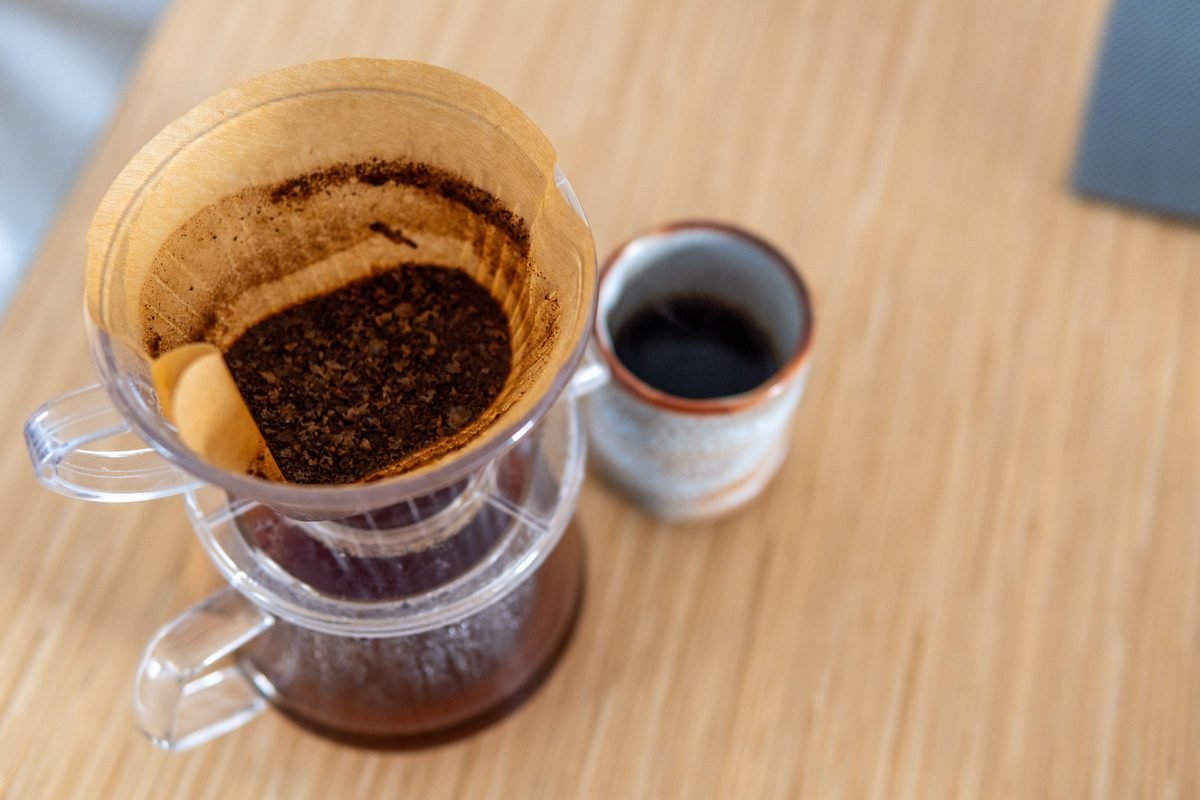
Specialty coffee prices in Seoul are higher than basic takeaway chains like Mega Coffee or Paik’s Coffee, but the quality of bean selection and interior design justifies the cost. A standard Americano at an independent roastery typically costs between ₩5,000 and ₩6,500 (about $3.70 to $4.80). If you upgrade to a specialty latte or flat white, expect to pay around ₩6,000 to ₩7,500 (about $4.45 to $5.55). Single-origin pour-overs using rare guest beans or experimental fermentations range from ₩7,000 to ₩12,000 (about $5.20 to $8.90).
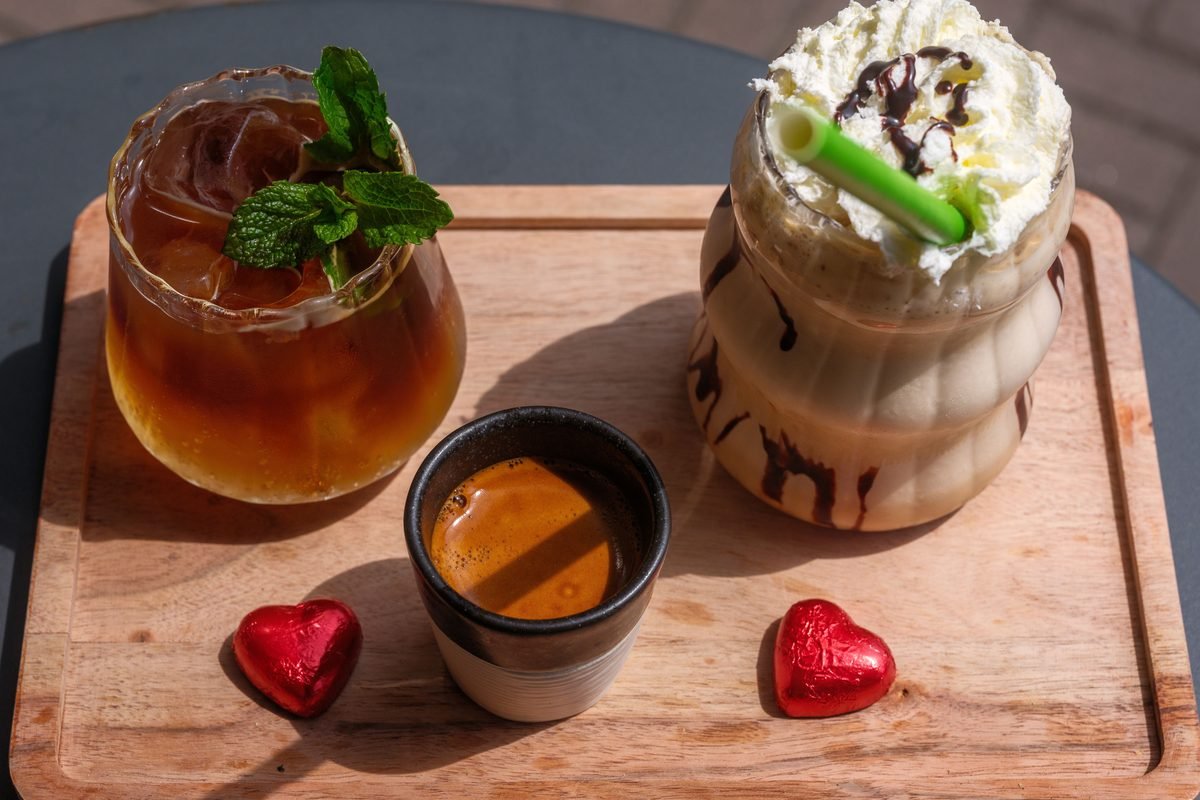
Menu options reflect unique local preferences. Ice is the absolute default in Korea. The phrase “Ah-Ah” (short for Iced Americano) is used constantly across ordering counters. Beyond standard espresso drinks, look out for signature cream lattes. Known as einspänner or cream coffee, these drinks feature a dense layer of sweetened, hand-whipped cream floating on top of strong espresso or cold brew. Signature drinks usually run ₩6,500 to ₩8,000 (about $4.80 to $5.90) and are served without straws so you sip the cold cream and warm espresso together.
Payment is almost entirely cashless across Seoul’s specialty sector. Kiosks and card terminals at the counter accept major foreign credit and debit cards smoothly. Cash is accepted at most registers if needed, but tap-to-pay or chip cards move lines much faster. If you order food like signature salt bread, croffles, or Basque cheesecake, expect to spend an extra ₩4,500 to ₩8,000 (about $3.35 to $5.90) per slice. Always order at least one drink per person, as most establishments enforce a strict individual beverage minimum.
Heads up: One drink per person
Almost all independent cafes enforce a strict policy requiring every customer to order a full beverage, regardless of bakery purchases.
Seoul cafe etiquette, Wi-Fi, and laptop-friendly rules
Understanding cafe culture in Korea means navigating clear social norms around seat selection, order minimums, and technology use. Nearly every cafe requires each guest to order one beverage. Group members cannot share a single drink, even if you buy expensive food items to share. Order at the kiosk or counter before finding a table unless staff direct you to sit first. High-speed Wi-Fi is universal and free; the network name and password are almost always printed at the bottom of your paper receipt or written near the water station.
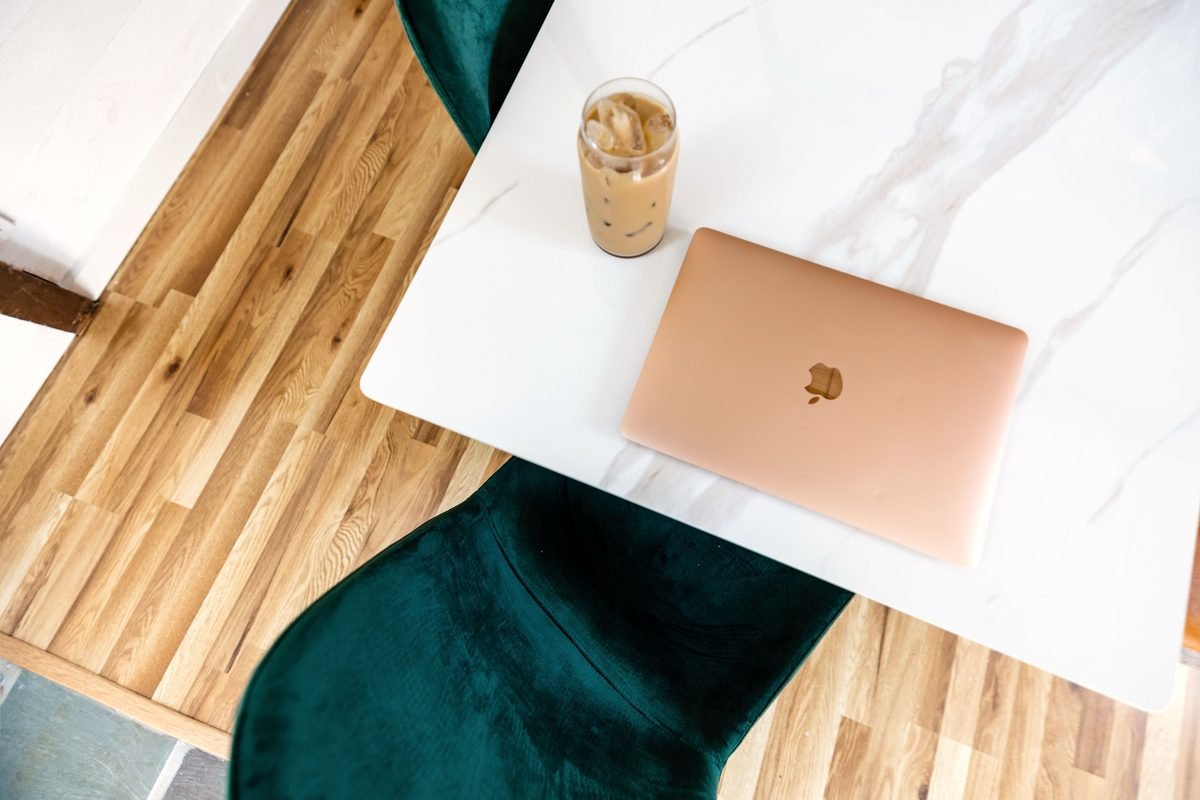
Laptop policies vary dramatically depending on the cafe type and neighborhood. Large multi-story spaces often welcome remote workers and feature dedicated long communal tables equipped with built-in power outlets. However, smaller boutique roasteries and aesthetic dessert bars frequently enforce “no-laptop” policies or limit laptop usage to 1 to 2 hours during peak weekend hours. Look for clear signs at the entrance or on tables, or ask staff before unpacking your computer. If a spot lacks outlets, take it as a hint to put your screen away.
Bus your own table when you finish. Unlike Western cafes where staff clear dishes from tables, Korean cafes expect customers to return used cups, trays, and trash to the designated return counter marked return (리턴). Separate your trash properly; liquid contents, paper cups, plastic cups, and ice often have separate disposal bins near the counter. Leaving dirty dishes on your table when exiting is considered poor form.

What it costs in Seoul
| Item | Local price | USD |
|---|---|---|
| Subway Base Fare (T-money) | ₩1,550 | about $1.15 |
| T-money Transit Card (Blank) | ₩4,000 | about $3.00 |
| Specialty Iced Americano | ₩5,500 – ₩6,500 | about $4.10 – $4.80 |
| Signature Einspänner / Cream Latte | ₩6,500 – ₩8,000 | about $4.80 – $5.90 |
| Single-Origin Hand Drip Pour-over | ₩7,000 – ₩12,000 | about $7.00 – $12.00 |
| Pastry or Slice of Cake | ₩4,500 – ₩8,000 | about $3.35 – $5.90 |
| Mid-Range Hotel (Night in Hongdae/Jongno) | ₩110,000 – ₩180,000 | about $80 – $135 |
| Typical Cafe Hopping Daily Total | ₩30,000 – ₩45,000 | about $22 – $33 |
Prices checked September 2026. Always confirm with the provider before you book.
Mistakes to avoid
- Assuming independent cafes in trend-focused districts like Seongsu or Yeonnam-dong open early in the morning.
- Relying on Google Maps for walking directions between hidden alleyway roasteries instead of using Naver Map or KakaoMap.
- Expecting to sit with a group while ordering only one or two shared drinks instead of adhering to the one-drink-per-person rule.
FAQ
What is the best neighborhood for cafe hopping in Seoul?
Seongsu-dong and Yeonnam-dong are top choices for cafe hopping. Seongsu offers massive industrial warehouse roasteries, while Yeonnam-dong features charming residential alleyways lined with micro-roasters.
How much should I budget for a Seoul cafe hopping guide trip?
When following this Seoul cafe hopping guide, plan to spend about ₩30,000 to ₩45,000 (about $22 to $33) per day on coffee, pastries, and subway rides. A standard specialty latte costs around ₩6,500 (about $4.80).
Do Seoul cafes offer free Wi-Fi and power outlets?
Almost all Seoul cafes offer fast, free Wi-Fi with passwords printed on your receipt. However, smaller boutique spots and dessert bars often lack power outlets or limit laptop use during peak weekend hours.
Can I pay with cash at specialty coffee shops in Seoul?
Most cafes accept cash, but Seoul’s specialty coffee scene is heavily cashless. Paying with foreign credit cards, debit cards, or mobile pay options at self-service ordering kiosks is the standard norm.
What is the most popular coffee drink to order in Seoul?
The iced Americano (commonly referred to as ‘Ah-Ah’) is by far the most popular order year-round. Signature cream lattes like einspänners are also hugely popular specialties at indie roasteries.