Is the Japan Rail Pass Worth It? Post-2023 Math Explained

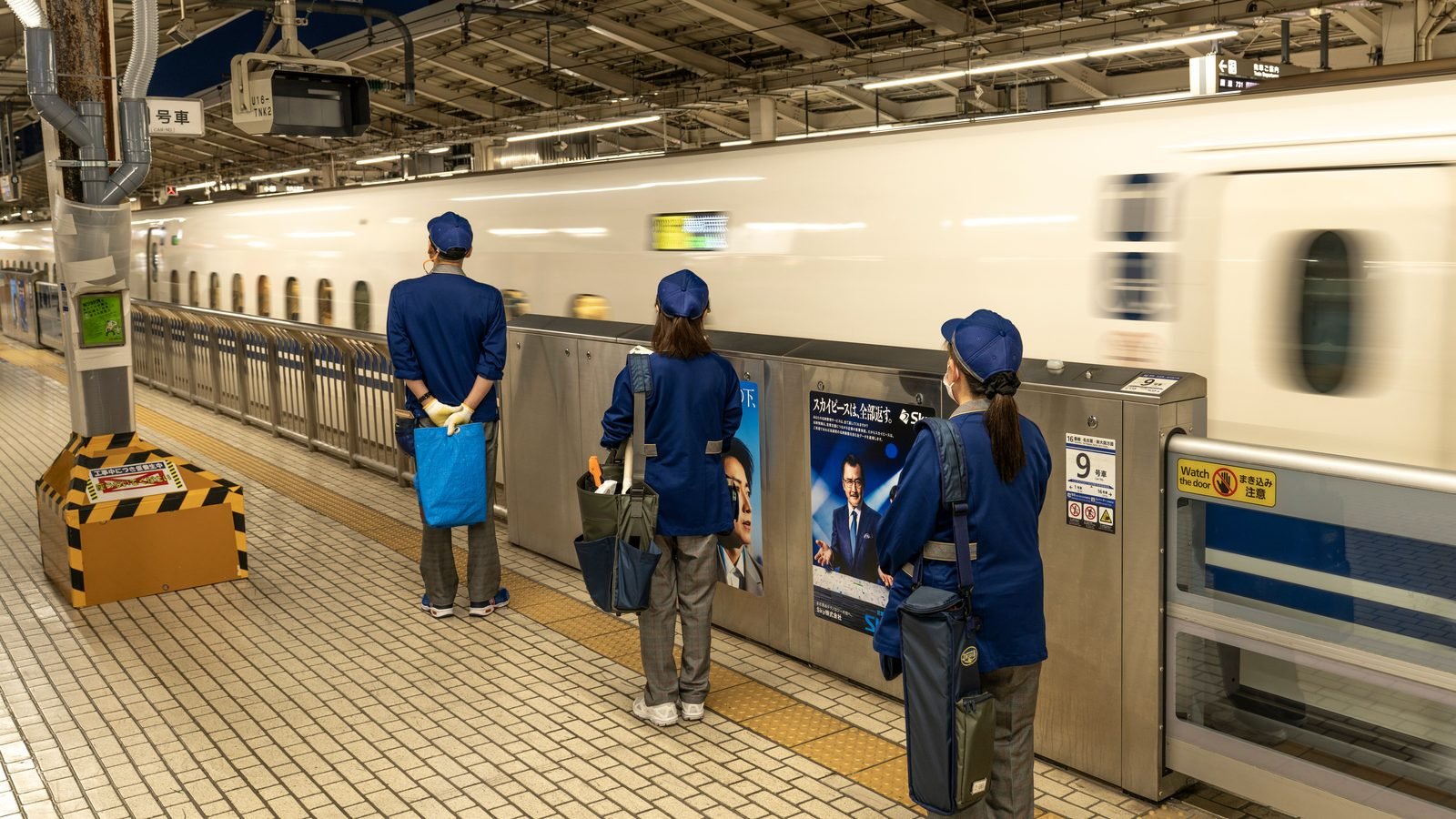
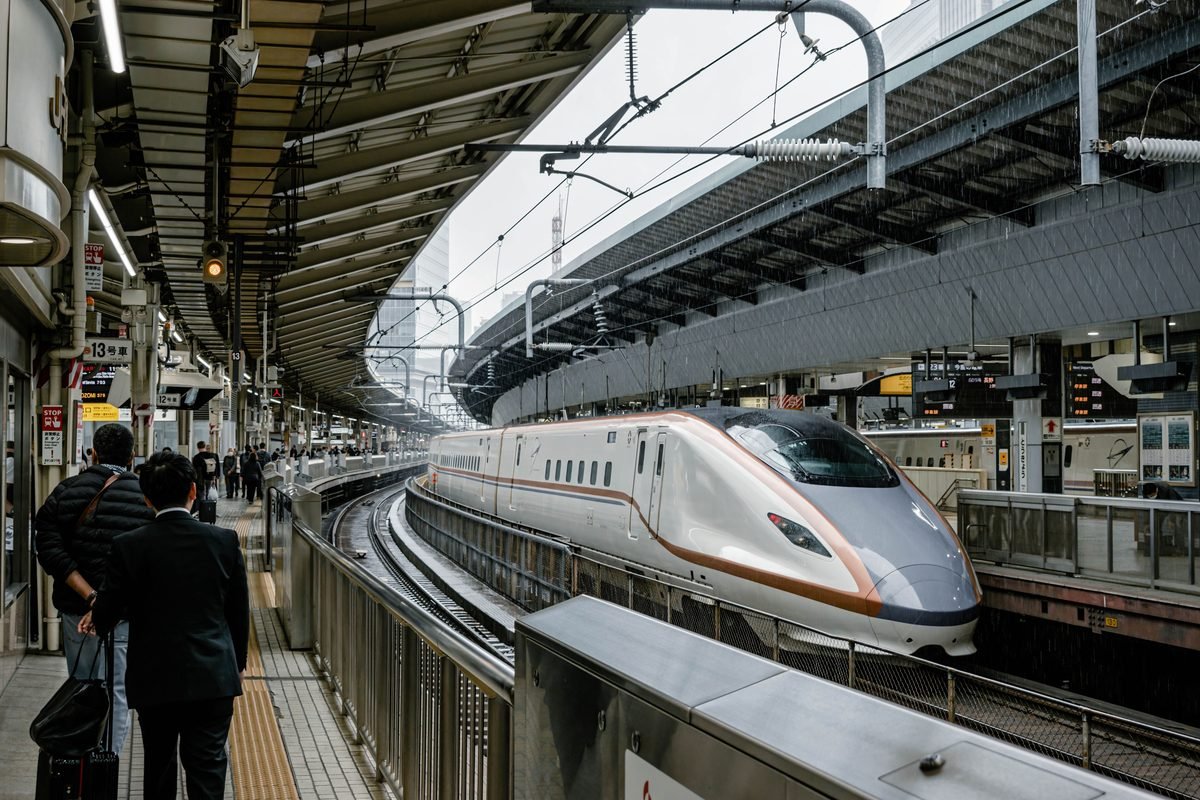
Picture the platform at Tokyo Station on a crisp morning. You are holding a hot can of coffee, watching a sleek Shinkansen glide to a halt. For decades, the ultimate travel hack was buying a national rail ticket before leaving home. But after a massive price hike, many travelers are left wondering: is the Japan Rail Pass worth it for a modern itinerary? The golden era is over.
This guide is for independent travelers who want to look at the cold, hard numbers. We will break down the routes, compare regional alternatives, explain reservation rules, and help you plan your journey.
Is the Japan Rail Pass worth it after the price hike?
The Shocking Shift in Rail Pass Pricing
In October 2023, the Japan Railway Group enacted a pricing change that sent shockwaves through the global travel community. The cost of the standard 7-day ordinary car pass rose by roughly 65 percent, jumping from ¥29,650 to ¥50,000 (about $335). The 14-day pass saw an equally steep increase, climbing to ¥80,000 (about $536), while the 21-day option reached ¥100,000 (about $670). These are not minor adjustments. They completely rewrite how you must budget for a trip to Japan. The math simply changed.
Before this hike, a simple round trip between Tokyo and Kyoto on the Shinkansen almost paid for the 7-day pass on its own. You only needed to take one or two local trains to start saving money. Today, that same classic route leaves you deep in the red. To make the 7-day pass financially viable now, you have to cover an immense amount of distance in a very short period. Do not buy it yet.
This means the pass is no longer a default purchase for every tourist landing at Narita or Haneda. Instead, it has become a highly specialized niche product. It only makes sense for travelers who plan to spend hours on bullet trains almost every single day of their trip. For the average traveler who wants to spend three or four days exploring Kyoto, a couple of days in Osaka, and a week in Tokyo, the national pass is now a massive waste of money.
We must look closely at how these changes affect your wallet. Many online forums still host outdated advice from years ago, recommending the national pass as an essential purchase. If you follow that old advice without checking the current rates, you will end up overpaying by hundreds of dollars. It is crucial to calculate your exact rail fares before making a decision.
Heads up: Outdated Guidebooks
Avoid any blog posts or guidebooks published before late 2023 that recommend the national JR Pass. Their pricing math is completely obsolete and will cost you money.
Doing the math on classic Japanese train routes
Doing the math on classic Japanese train routes
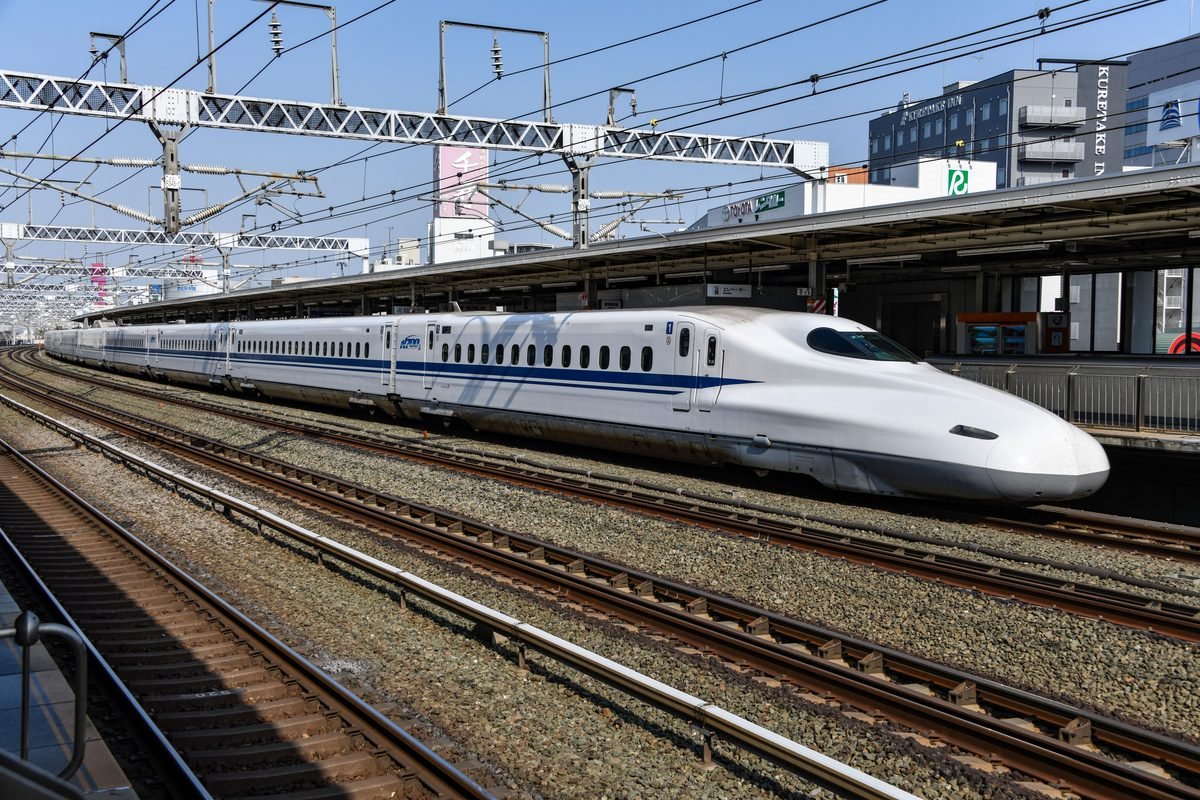
To understand why the national pass struggles to offer value, we need to do math. Let us look at the classic ‘Golden Route’ that most first-time visitors take. A standard one-way reserved seat on the Hikari Shinkansen from Tokyo to Kyoto costs ¥14,170 (about $95). If you do a simple round trip back to Tokyo at the end of your week, your total rail cost is ¥28,340 (about $190). Compare this to the ¥50,000 (about $335) price tag of the 7-day pass. You are losing over ¥21,000 (about $141) by buying the pass.
What if you add more stops to your journey? Let us say you start in Tokyo, ride to Kyoto, take a day trip to Osaka for ¥590 (about $4) each way, head down to Hiroshima for ¥11,300 (about $76) one-way, and then return all the way to Tokyo for ¥18,380 (about $123). This is an incredibly packed seven days of travel. Yet, the total cost for these individual tickets comes to roughly ¥44,440 (about $298). Even with this intense itinerary, you are still paying more for the national pass than you would for single tickets.
To actually break even on a 7-day pass, you would need to add another major long-distance journey. For example, you would have to travel from Tokyo to Hiroshima, then up to Kanazawa, and back to Tokyo, all within seven consecutive days. This kind of fast-paced travel is exhausting. It leaves very little time to actually see the sights. Most independent travelers prefer to slow down and enjoy the neighborhoods, which makes point-to-point tickets the superior choice.
Regional JR passes that actually save you money
Regional JR passes that actually save you money
While the national pass has lost its luster, regional passes have become the new secret weapon for smart travelers. The various regional JR companies offer smaller, localized passes that still provide incredible value. These passes are designed for people who want to focus on one specific region of Japan rather than rushing across the entire country. Regional passes are different.
For example, if you want to explore the Kansai region, the JR Kansai Wide Area Pass is an exceptional deal. It costs just ¥12,000 (about $80) for five consecutive days of unlimited travel. This pass covers Osaka, Kyoto, Nara, Kobe, and even goes as far west as Okayama and Kurashiki. It even includes the Sanyo Shinkansen line between Shin-Osaka and Okayama. This is a massive bargain compared to the national pass.
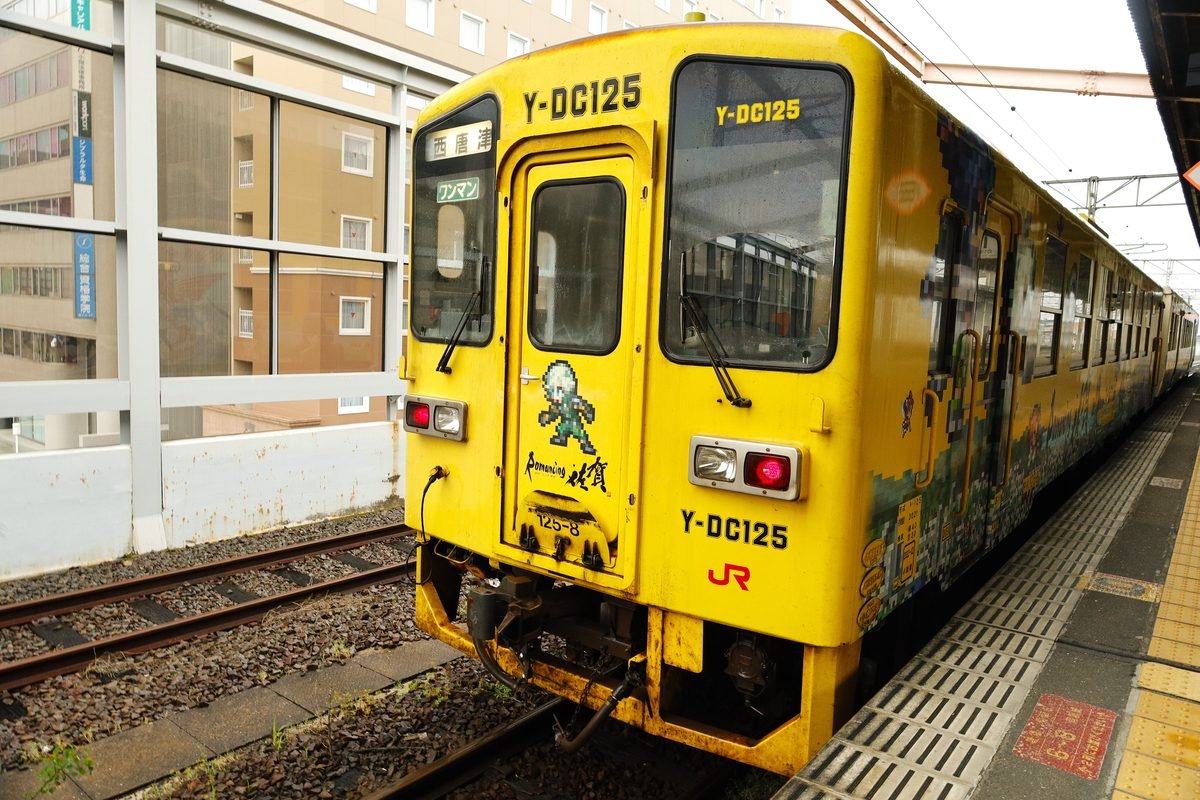
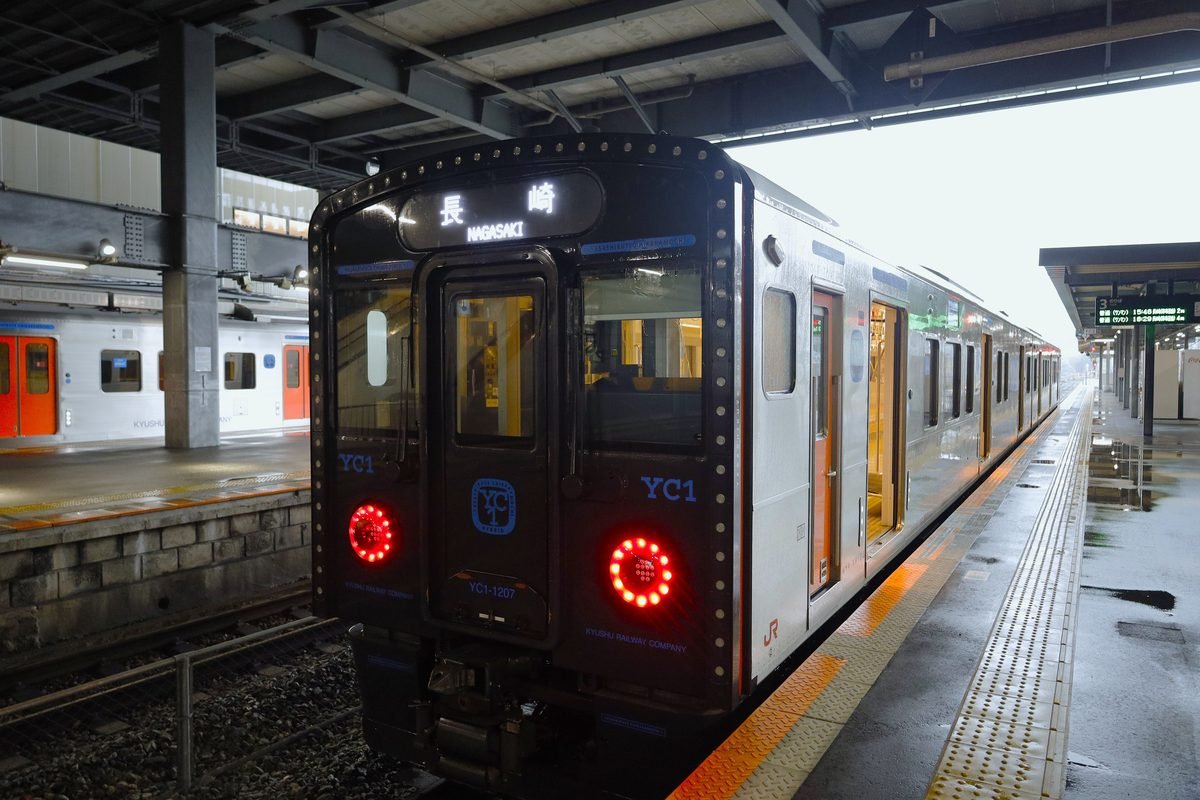
If you are heading north from Tokyo, the JR East Tohoku Area Pass is another brilliant option. It costs ¥30,000 (about $201) for five consecutive days. It allows you to ride the Tohoku Shinkansen up to places like Sendai, Aomori, and Akita. Over in the south, the JR Kyushu Rail Pass is highly popular. The All Kyushu version costs ¥20,000 (about $134) for three days or ¥25,000 (about $168) for five days. It lets you ride the Kyushu Shinkansen and scenic local trains through volcanic landscapes.
Always check the map of the regional pass you are considering. Many of them allow you to slow down, spend less money, and discover areas that most tourists bypass. They offer a much more relaxed pace of travel while keeping your transportation costs incredibly low.
From a local: Kansai Wide Pass Hack
The JR Kansai Wide Area Pass is one of the few passes that still pays for itself on a single round-trip journey between Osaka and Okayama or Kinosaki Onsen.
Seat reservation rules and luggage restrictions
Seat reservation rules and luggage restrictions
Understanding train rules is essential for a smooth trip. If you decide to buy a JR Pass or individual Shinkansen tickets, you need to know how seat reservations work. On most Shinkansen trains, carriages are divided into reserved (shitei-seki) and non-reserved (jiyuu-seki) sections. If you hold a national JR Pass, you can make seat reservations for free at any JR ticket office or via the automated ticket machines. This is highly recommended during peak travel times.
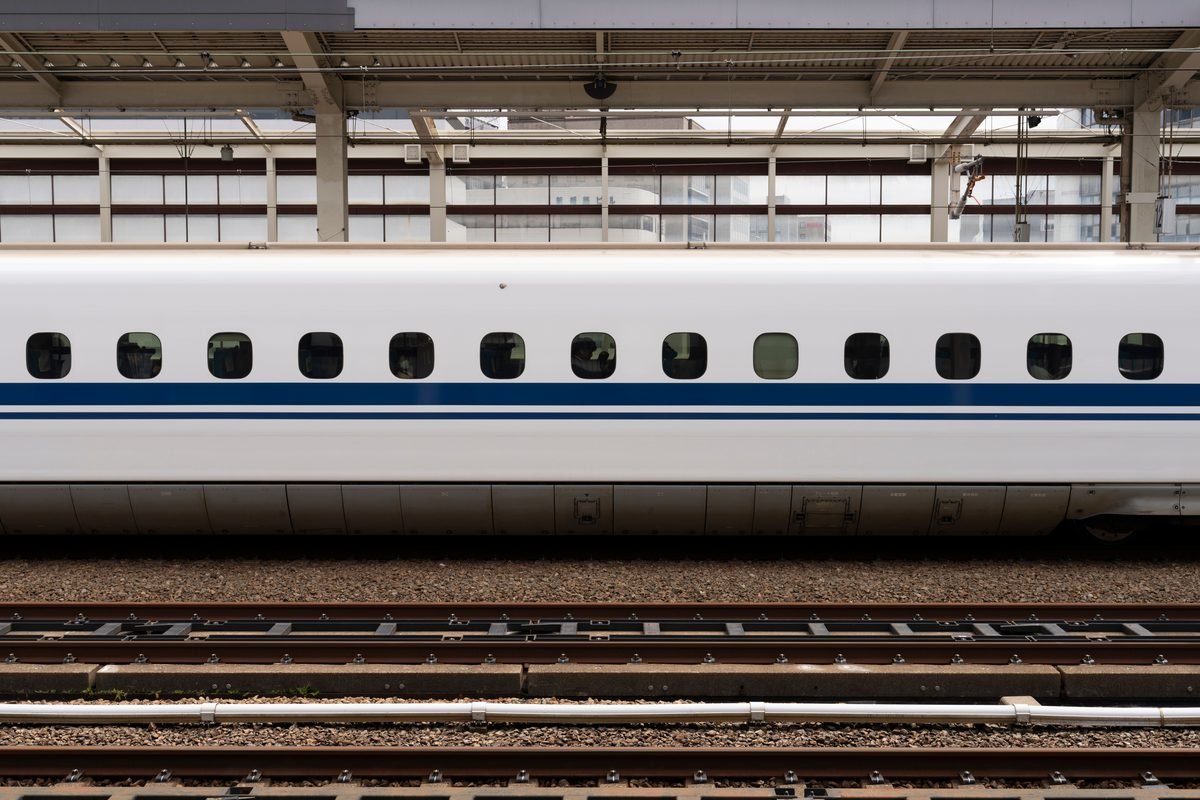
There is an important rule regarding large luggage on the Tokaido, Sanyo, and Kyushu Shinkansen lines. If the total dimensions of your suitcase (length plus width plus height) add up to between 160cm and 250cm, you must reserve a specific seat. These are called ‘seats with an oversized baggage area’ or ‘seats with an oversized baggage compartment’. They are typically located in the very last row of the carriage or in a dedicated compartment nearby.
There is no extra fee for booking these seats, but space is limited. If you board the train with oversized luggage without a reservation, you will be charged a penalty of ¥1,000 (about $7) on board, and train staff will move your bag to a designated spot. Bags under 160cm do not require any special reservation and can easily fit on the overhead racks above your seat. Be sure to measure your bags before heading to the station.
For popular routes like Tokyo to Kyoto, these special baggage seats can book out days in advance, especially during spring cherry blossom season or autumn foliage. If you are traveling with large bags, plan your bookings early. You can easily make these reservations at the station ticket machines using the English interface.
Book ahead: Kyushu Reservations
JR Kyushu opens limited express seat reservations exactly one month before departure at 10:00 JST. Book early for popular scenic trains.
How to activate and use your pass in Japan
How to activate and use your pass in Japan
If you have crunched the numbers and decided that a pass makes sense for your trip, you need to know the activation process. When you purchase a JR Pass online through an authorized agency, you will receive a physical paper voucher in the mail called an Exchange Order. You cannot board a train with this voucher. You must exchange it for the actual physical pass once you arrive in Japan.
To do this, locate a JR Exchange Office, which you can find at major international airports like Narita, Haneda, and Kansai, as well as major train stations like Tokyo, Shinjuku, Kyoto, and Osaka. You must present your physical passport showing your temporary visitor entry stamp along with your Exchange Order. The staff will process your paperwork and hand you your physical pass, which is a small card-sized ticket. You will choose your official start date at this moment.
Once you have your physical pass, using it is simple. Do not try to show it to the station staff at the manual gates. Instead, insert your ticket directly into the automated ticket gates, just like a regular commuter would. The gate will open, and your ticket will slide out at the other end of the slot. Always remember to grab your ticket as you walk through. If you leave it behind, you will have to buy a brand new pass, as lost passes cannot be reissued under any circumstances.
When to buy individual point-to-point tickets instead
When to buy individual point-to-point tickets instead
For the vast majority of travelers, buying individual point-to-point tickets is now the smartest and most flexible option. If you are not traveling massive distances in a short timeframe, buying single tickets allows you to travel at your own pace without feeling pressured to ride the trains constantly just to get your money’s worth. It also gives you access to a wider variety of train options.
For example, the fastest bullet trains on the Tokaido Shinkansen line are the Nozomi and Mizuho trains. These trains make very few stops and get you to Kyoto or Osaka much quicker than the slower Hikari trains. If you hold a standard JR Pass, you cannot ride the Nozomi or Mizuho unless you pay a hefty additional surcharge of roughly ¥4,960 (about $33) for a Tokyo to Kyoto trip. If you buy individual tickets, you can book the Nozomi directly with no extra hassle.
You can easily buy individual tickets online before your trip. For the Tokaido-Sanyo-Kyushu lines, use the official SmartEX website or app. For routes in northern or eastern Japan, use the JR East Train Reservation system. These official portals allow you to book seats up to one month in advance. For local transit within cities like Tokyo or Osaka, simply load money onto a physical or digital IC card like Suica, Pasmo, or Icoca. This combination of individual Shinkansen tickets and local IC cards offers the ultimate convenience and flexibility for a modern Japanese adventure.

What it costs in Japan
| Item | Local price | USD |
|---|---|---|
| Tokyo to Kyoto (One-way Shinkansen) | ¥14,170 | $95 |
| Kyoto to Hiroshima (One-way Shinkansen) | ¥11,300 | $76 |
| Hiroshima to Tokyo (One-way Shinkansen) | ¥18,380 | $123 |
| Local Tokyo/Kyoto transit (estimate) | ¥3,000 | $20 |
| Total Individual Route Cost | ¥46,850 | $314 |
| 7-Day National JR Pass Cost | ¥50,000 | $335 |
| Difference (Loss with National Pass) | -¥3,150 | -$21 |
Prices checked September 2026. Always confirm with the provider before you book.
Mistakes to avoid
- Buying the national JR Pass for a simple Tokyo-Kyoto-Osaka round trip without calculating individual ticket costs.
- Trying to use the JR Pass on non-JR transit systems like the Tokyo Metro, Kyoto City Buses, or private rail lines.
- Forgetting to reserve the free oversized baggage seats when traveling with large suitcases on the Tokaido Shinkansen.
FAQ
Is the Japan Rail Pass worth it for a Tokyo-Kyoto round trip?
No, it is absolutely not worth it. A round-trip Shinkansen ticket between Tokyo and Kyoto costs roughly ¥28,340 (about $190), whereas the 7-day national pass costs ¥50,000 (about $335), meaning you would lose over ¥21,000 (about $141) by purchasing the pass.
Can I ride the fast Nozomi trains with a JR Pass?
Not without a substantial surcharge. To ride the Nozomi or Mizuho trains with a national JR Pass, you must pay an extra fee of roughly ¥4,960 (about $33) for a Tokyo to Kyoto trip, which defeats the purpose of the unlimited pass.
What is the best alternative to the national JR Pass?
The best alternatives are regional JR passes, such as the JR Kansai Wide Area Pass or the JR East Tohoku Area Pass, which still offer exceptional value for localized travel, or simply buying individual point-to-point tickets online.
How do I book individual Shinkansen tickets in advance?
You can book individual tickets up to one month in advance using official English-language platforms like the SmartEX app for the Tokaido-Sanyo-Kyushu lines, or the JR East Train Reservation portal for northern routes.
Do children get a discount on the JR Pass?
Yes, children aged 6 to 11 are eligible for child passes, which cost exactly half the price of an adult pass, while children under 6 travel for free as long as they do not occupy their own reserved seat.