Korean Convenience Store Food Guide: Eating Like a Local

The door chimes softly as you step out of the humid Seoul night and into the bright, air-conditioned glow of a GS25. It is 2 AM, but the shelves are fully stocked with rows of triangular rice balls and colorful drink pouches. This is the heartbeat of local life in Korea, where a full meal costs less than a taxi ride. I have lived in Seoul for years, and these stores are my kitchen, my cafe, and my late-night sanctuary. The snacks here are not just emergency food; they are a cultural phenomenon that locals take very seriously.
This Korean convenience store food guide covers everything you need to know about eating like a local, from mastering the induction ramyeon machines to finding the snacks that taste far better than their plastic packaging suggests. I will walk you through the differences between the major brands like CU and 7-Eleven and explain the unspoken rules of cleaning up your table. Whether you are on a tight budget or just curious about the local lifestyle, these tips will help you navigate the aisles with confidence and find a satisfying meal at any hour.
Understanding the Big Three Brands
CU and GS25 are the two giants you will see on almost every corner in Korea. GS25 is often my first choice because of its high-quality house brand called YOU US. They tend to have the most creative collaborations with local chefs and famous restaurants, offering unique snacks you cannot find elsewhere. CU, which stands for Convenience for U, is equally ubiquitous and often has a better selection of fresh lunchboxes, especially their series named after Korea’s most famous celebrity chef, Baek Jong-won. Grab a yellow basket at the door and start exploring. The inventory changes almost weekly, so there is always something new to try.
The Rise of 7-Eleven and Emart24
Then there is 7-Eleven, which swallowed up all the old Ministop locations a few years back. It is reliable and often has great deals on imported beers and classic snacks like the Lotte brand chocolates. You might also spot Emart24, which is the younger, slightly trendier sibling in the group. They often focus more on wine and No Brand products that offer incredible value for basic snacks. Each brand has its own loyalty app and rotating monthly deals, but for a traveler, the differences are subtle. You will find the same basic service: a clean place to eat, free hot water, and a microwave for public use. The prices are strictly regulated across the country.
A bottle of water will cost the same ₩1,000 (about $0.75) whether you are in the middle of Gangnam or a quiet street in Suwon. Most stores operate 24 hours a day, making them the most reliable resource for travelers arriving late at night. The staff generally do not speak much English, but the process is so streamlined that you rarely need to say more than a simple thank you. It costs very little to build a full snack tray here. You can pay with cash, credit cards, or your transit card. Tipping is not expected here, and the service is always efficient.
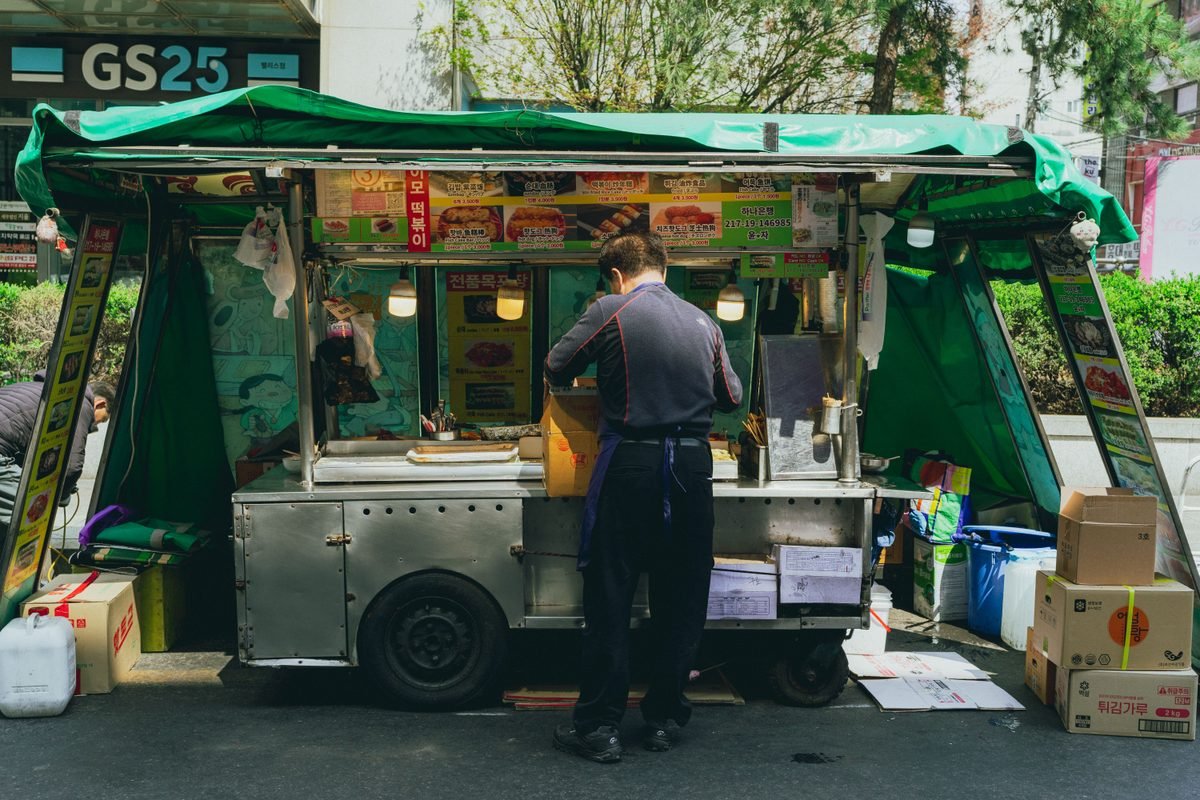
From a local: The 1+1 Culture
Look for tags on the shelves that say 1+1 or 2+1. This means if you buy one, you get one free, but you must bring both items to the counter to trigger the discount.
Mastering the Korean convenience store food guide ramyeon station
The most iconic experience in a Korean store is the instant noodle station. You will see a wall of colorful cups and bowls, but the real magic happens with the induction cooking machines. Look for the foil trays near the ramyeon shelf. These are for the Hangang style noodles, named after the popular picnic spots along the river. You buy a packet of noodles for about ₩1,600 (about $1.20) and a foil bowl for roughly ₩1,000 (about $0.75). Once you pay, take them to the machine. Open the packet, put the noodles and seasoning in the bowl, and place it on the induction burner.
How to Use the Induction Machine
Press the Start button, and the machine will automatically dispense the perfect amount of hot water and begin a countdown timer. The water is very hot. The machine does the work for you. While it bubbles, you can add extras. I always buy a single fresh egg for ₩500 (about $0.40) and crack it in during the last 60 seconds of cooking. Some people also add a slice of processed cheese for ₩1,000 (about $0.75) to make the broth creamy and rich. If you prefer the standard cup ramyeon, just use the hot water dispenser located nearby. There is usually a small lever or button to start the flow.
Be careful not to overfill it past the line inside the cup. Once it is ready, grab a pair of wooden chopsticks from the dispenser near the counter. They are free with any food purchase. Eating a steaming bowl of spicy noodles while looking out the window at the city skyline is a quintessential local experience. For a less spicy option, try the Jin Mild or the Gomtang noodles. If you want the famous heat, go for the Buldak Fire Chicken noodles. Just remember that the foil bowl machines are specifically for the packets designed for them. Standard cup noodles only need the hot water dispenser.
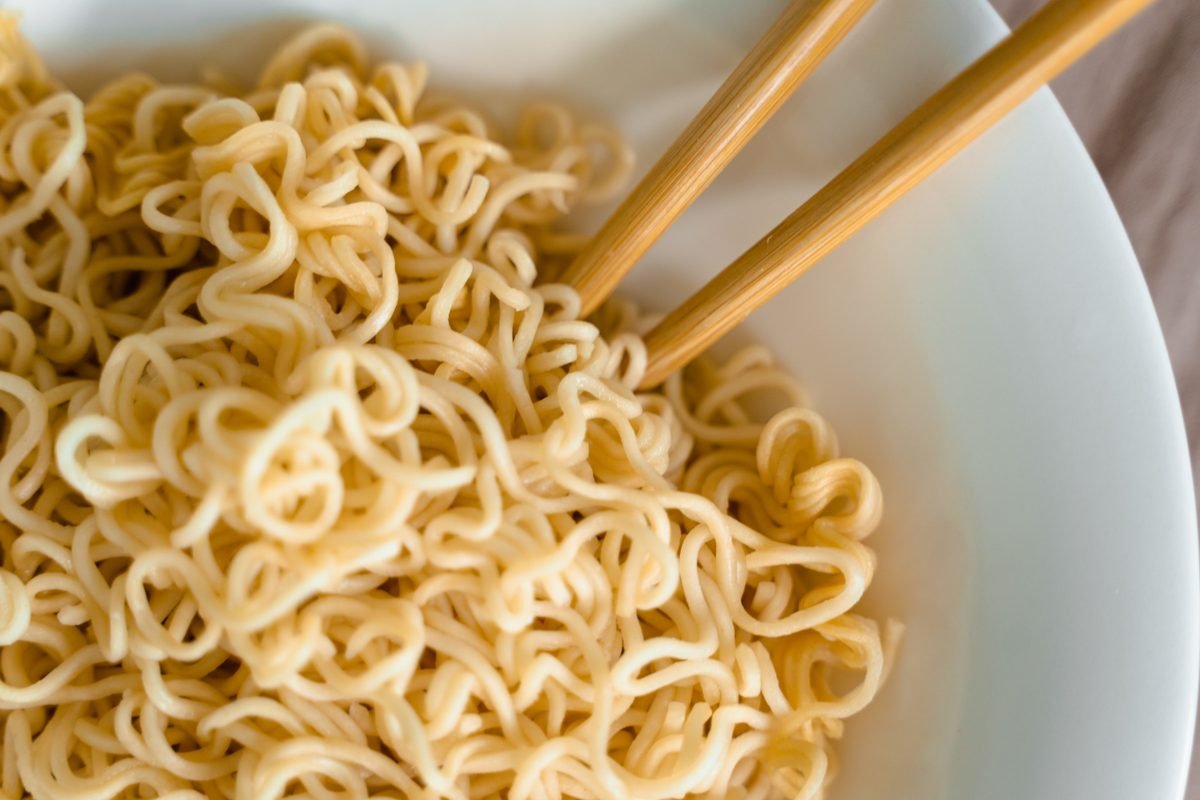
Tip: The Secret Mix
Try mixing one packet of spicy Buldak noodles with one packet of savory Chapagetti. This combination, made famous by movies and TV, is a favorite among locals for a balanced flavor.
Best snacks at the hot bar
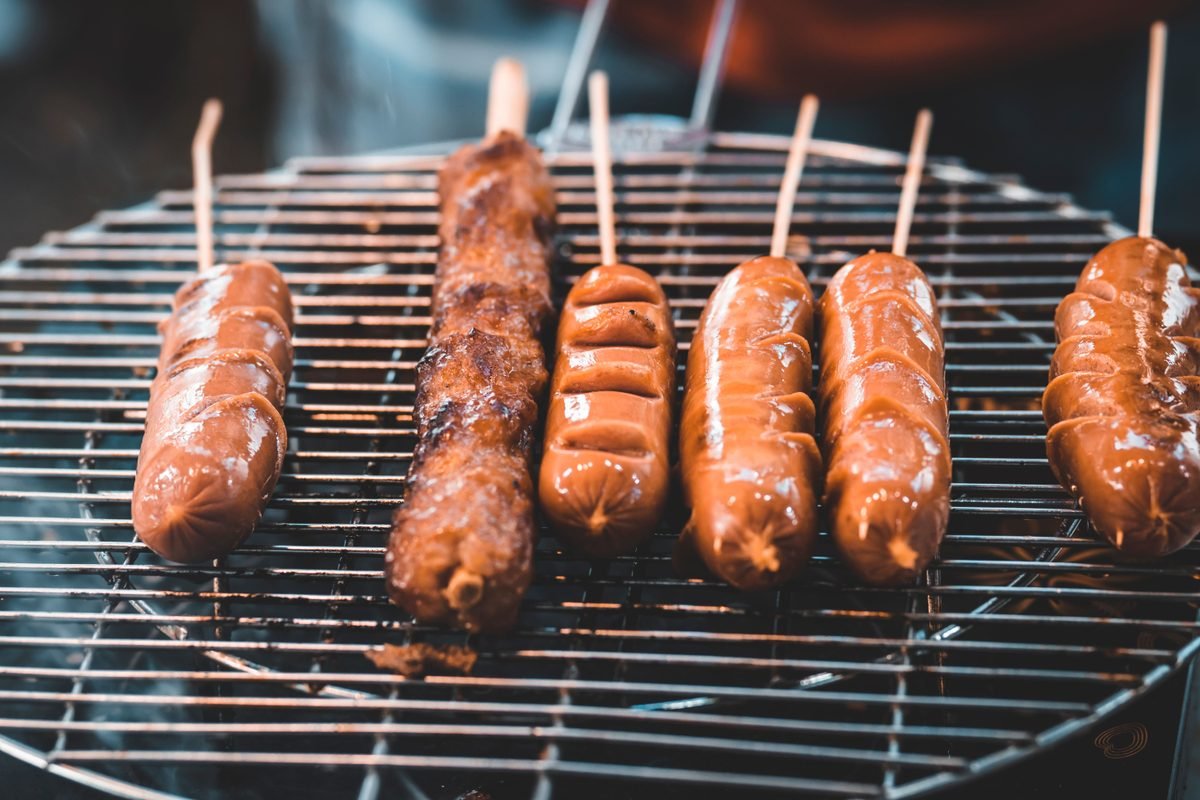
Between the refrigerated shelves and the register, you will find the hot bar section. These are vacuum-sealed, pre-cooked snacks like sausages, fish cakes, and imitation crab meat. They might look a bit rubbery through the plastic, but they are a staple for students and office workers on the go. My favorite is the cheese-filled sausage, which usually costs around ₩2,500 (about $1.90). It is thick, savory, and has a core of melty mozzarella that comes to life after a quick zap in the microwave. These snacks are surprisingly high in quality despite their humble appearance.
Microwaving Your Hot Bar Snacks
Most stores have a row of microwaves specifically for customers. Look for the 30 seconds or 1 minute buttons. You do not even need to take the snack out of the wrapper; just tear a small corner to let the steam escape before heating. Another great pick is the hot dog, which in Korea is more like a corn dog coated in sugar or potato cubes. These are surprisingly filling and provide a great mix of sweet and salty flavors. If you want something lighter, look for the egg bars or the smoked eggs that come in packs of two for about ₩2,200 (about $1.65).
These eggs are slow-cooked until the whites are brown and have a nutty, roasted flavor. They are much better than a standard hard-boiled egg. For those who like spice, the Buldak flavored hot bars offer a serious kick of heat. You can also find fish cake bars that are filled with perilla leaves or squid. These are best enjoyed with a small packet of mustard or ketchup, which is often available for a few hundred won near the register. The variety is impressive, and the turnover is high, so the items are always fresh. It is the perfect way to satisfy a savory craving without sitting down for a full meal.
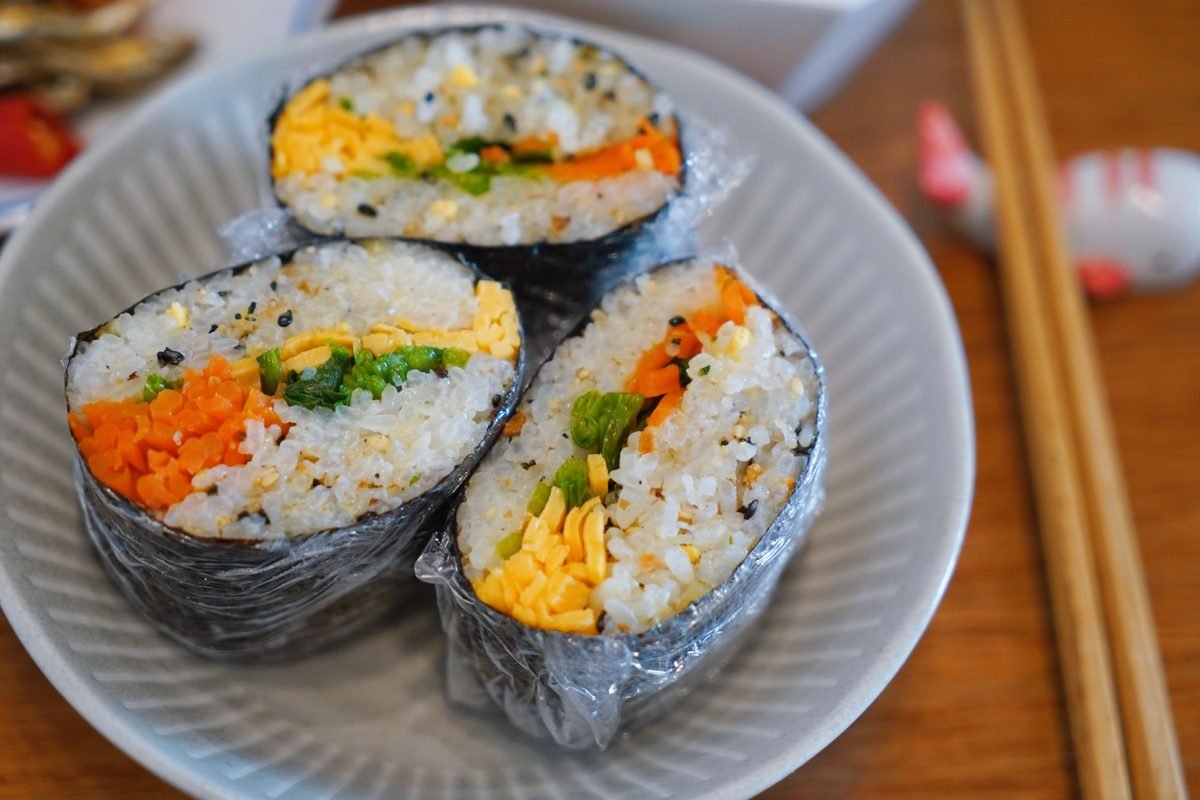
Dosirak and samgak kimbap basics
If you need a full meal, head to the refrigerated section for the Dosirak or traditional lunchboxes. These typically cost between ₩4,500 and ₩6,500 (about $3.40 to $4.90) and include a generous serving of rice, a main protein like bulgogi or fried pork, and four or five side dishes like kimchi and rolled omelets. The Hyeja brand at GS25 is legendary for its portion sizes. The name has actually become a slang word in Korea for anything that is great value. These meals are prepared fresh daily and are a much better alternative to fast food burgers.
The Art of the Triangle Kimbap
If you are in a hurry, the Samgak Kimbap or triangular rice balls are the way to go. They cost around ₩1,200 (about $0.90) and come in dozens of flavors. The Tuna Mayo is the undisputed king of flavors, but the Jeonju Bibimbap version is also excellent. Opening them is a skill in itself. Look for the number 1 at the top and pull the plastic strip all the way down and around. Then, gently pull the corners labeled 2 and 3 to slide the plastic off without tearing the seaweed. This keeps the seaweed crisp until the moment you eat it. It is a brilliant piece of engineering.
To heat a Dosirak, you usually need to remove the clear plastic lid and any cold side dishes. The kimchi container is often removable so it does not get warm. Microwave the rest for about two minutes. Most stores provide plastic spoons and wooden chopsticks for free. If you are eating in the store, you can also grab a small container of instant miso soup to go with your meal. These lunchboxes are a lifesaver for solo travelers, as dining alone in traditional Korean restaurants can sometimes feel a bit awkward. Here, nobody will give you a second glance as you enjoy your meal.
Heads up: Microwave Safety
Never put the metal lid of a ramyeon cup or any foil packaging in the microwave. Always check if the plastic lid of your Dosirak is microwave-safe before heating.
Ice cups and pouched drinks
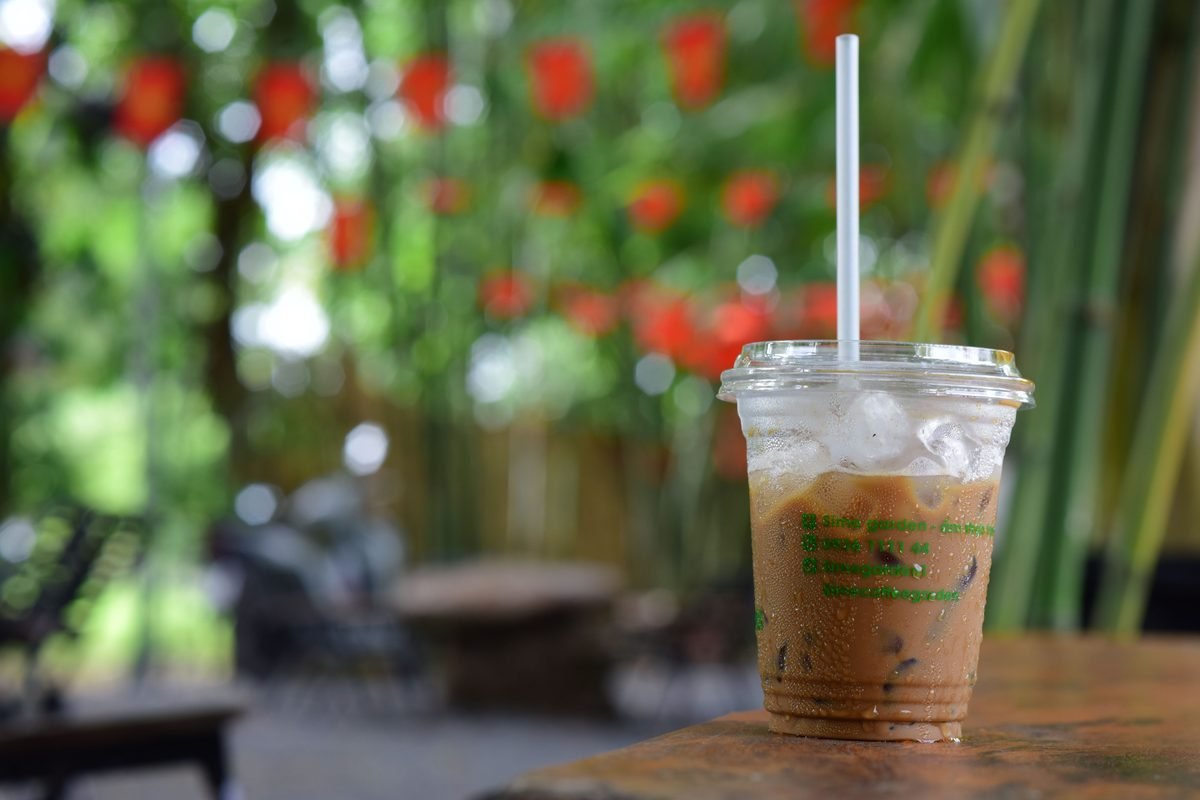
During the humid Korean summer, the most popular item in the store is the ice cup. You will find them in the freezer, usually near the drinks. A medium cup costs about ₩1,000 (about $0.75), while a large jumbo cup is around ₩1,200 (about $0.90). Once you have your cup, go to the shelf with the colorful liquid pouches. These are filled with everything from blue lemonade and peach iced tea to hazelnut coffee and even mojito mixes. A pouch usually costs between ₩1,200 and ₩1,800 (about $0.90 to $1.35).
Classic Korean Beverages
You simply pay for both, tear the top off the pouch, and pour it over the ice. It is a refreshing, cheap, and surprisingly high-quality drink. The hazelnut coffee is a local favorite; it is sweet, fragrant, and provides a decent caffeine hit. If you want something more traditional, grab a bottle of Banana Milk in the iconic jar-shaped container for ₩1,800 (about $1.35). It has been a best-seller since the 1970s and is the perfect way to soothe your tongue after eating spicy ramyeon. The creamy, sweet flavor is addictive.
The drink section also includes a wide range of hangover cure drinks, which are a huge part of the local culture. Even if you have not been drinking, the honey-based ones are quite tasty and full of vitamins. For those who prefer soda, look for Milkis, a carbonated milk drink that tastes like a light cream soda. The variety of teas is also impressive, with corn silk tea and barley tea being the most popular healthy options. Most of these drinks are under ₩2,000 (about $1.50). Grab a few different pouches to try throughout the day. They are easy to carry and keep you hydrated while exploring.
How to use the in-store microwave and water
Eating in a Korean convenience store is convenient, but there is a specific etiquette to follow. Most stores have a dedicated counter with stools facing the window. Once you have purchased your food, you are free to use the facilities. The microwaves are usually grouped together. If you are not sure how long to heat something, look for the wattage on the package and the corresponding time. Most items have a 700W and 1000W time listed. The hot water dispensers are for ramyeon and tea only; do not use them to wash your hands.
The Strict Rules of Cleanup
When you are finished, the most important part is the cleanup. Korean trash disposal is very strict. You will see a station with several bins. General is for non-recyclable waste. Plastic is for clean containers. There is almost always a small bucket or a specific bin for Liquid waste. This is where you pour out your leftover ramyeon broth before throwing the cup away. If there are leftover noodles, those go into the Food Waste bin. It sounds complicated, but just watch what the person in front of you does. Leaving your trash on the table is considered very rude.
You can also use your T-money card to pay for your snacks at the counter. If you need a bag, be prepared to pay a small fee of about ₩100 (about $0.08) for a paper or plastic one. Most locals bring their own reusable bags. The entire process is designed for speed, so have your payment ready. Following these small rules makes the experience smoother for everyone.
Heads up: Sort Your Trash
Always pour leftover liquids into the designated bucket before throwing away your cup. Mixing food waste with general trash is a major faux pas in Korea.
What it costs in South Korea
| Item | Local price | USD |
|---|---|---|
| Samgak Kimbap | ₩1,200 | ($0.90) |
| Cup Ramyeon | ₩1,600 | ($1.20) |
| Hot Bar (Sausage) | ₩2,500 | ($1.90) |
| Dosirak (Lunchbox) | ₩5,200 | ($3.90) |
| Pouch Drink + Ice Cup | ₩2,200 | ($1.65) |
| Banana Milk | ₩1,800 | ($1.35) |
| Fresh Egg | ₩500 | ($0.40) |
| Full Snack Meal Total | ₩15,000 | ($11.30) |
Prices checked September 2026. Always confirm with the provider before you book.
Mistakes to avoid
- Throwing away the wrapper before reading the specific microwave heating instructions.
- Ignoring the 1+1 or 2+1 labels and missing out on free items.
- Forgetting to pour out leftover ramyeon broth into the liquid waste bucket before binning the cup.
FAQ
Are Korean convenience stores open 24/7?
Yes, the vast majority of CU, GS25, and 7-Eleven locations in South Korea are open 24 hours a day, 365 days a year. Some smaller stores in quiet residential areas or office buildings may close overnight, but you are never more than a few minutes’ walk from one that is open.
Can I pay with a T-money card?
Absolutely. You can use your T-money transit card to pay for any items in the store, and you can also top up your card balance at the checkout counter using cash. This is a very common way for locals to handle small purchases.
What is the best snack to try in a Korean convenience store food guide?
The Tuna Mayo Samgak Kimbap and a cup of Shin Ramyun are the classic choices. For something unique, try the cheese-filled hot bar sausages or the hazelnut coffee pouch poured over an ice cup.
Is there a place to sit and eat inside?
Most stores have a small seating area with stools and a narrow counter, often facing the window. It is perfectly acceptable to eat your purchased food there, provided you clean up your trash afterward.
Do they have vegetarian options?
Options are somewhat limited, but you can usually find plain rice balls, vegetable-based cup noodles (check for meat extracts), fresh fruit cups, and various nut snacks. Some newer stores are starting to carry vegan-labeled Dosirak and kimbap.