Damyang Bamboo Forest Day Trip: The Ultimate Guide

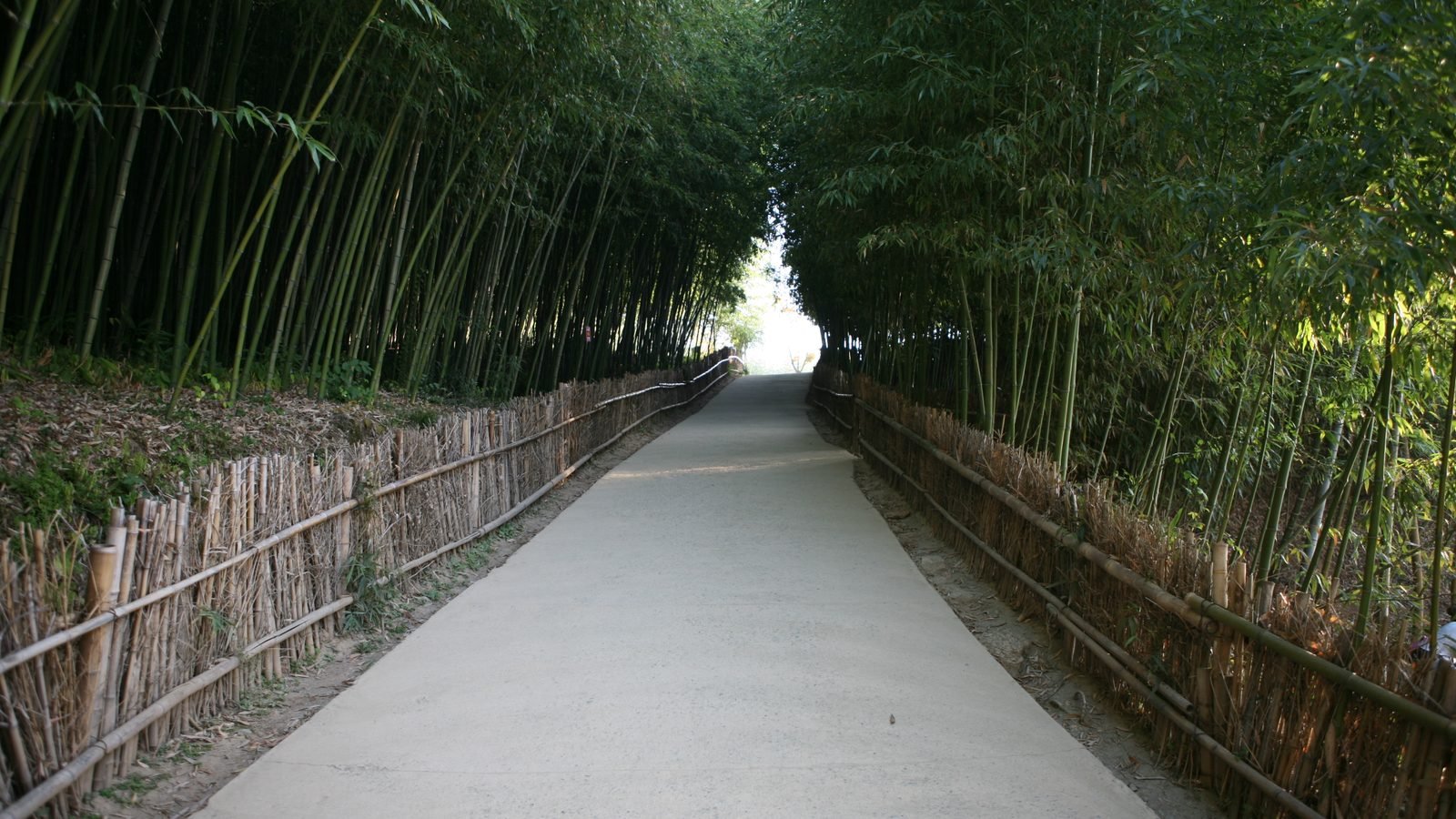
Morning light filtering through thick green bamboo stalks has a very specific sound. In Damyang, that sound is a soft, rhythmic rustling that completely drowns out the noise of modern Korean city life. Located just north of Gwangju in the southwestern corner of the peninsula, this quiet county offers one of the country’s most rewarding day trips from Seoul, much like our Seoul travel guide covers urban escapes.
This guide is designed for independent travelers who want to escape the capital for a day of deep green scenery, local food, and easy walking trails. I will show you how to plan a seamless Damyang bamboo forest day trip using high-speed trains, navigate the famous Juknokwon trails, walk the giant redwood paths, and sit down to a traditional grilled beef lunch.
How to get to Damyang from Seoul
Taking the KTX to Gwangju
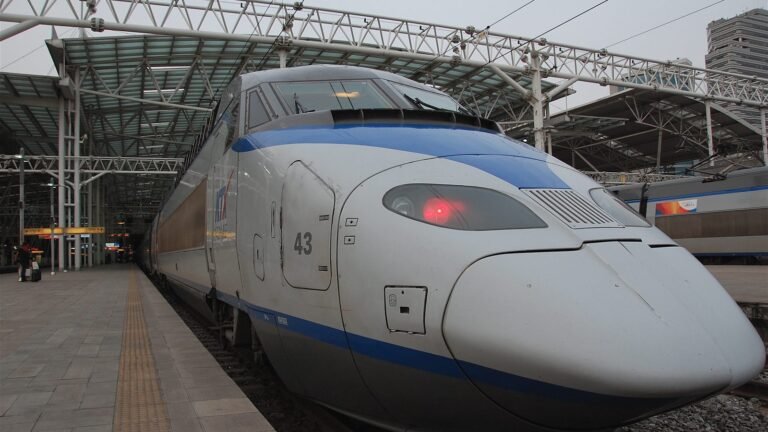
Your journey begins early in the morning at Seoul Station or Yongsan Station. Board the Honam KTX line heading south toward Gwangju Songjeong Station. KTX tickets cost about ₩46,800 (roughly $35) one way for a standard seat, and the high-speed train covers the distance in just under two hours. I highly recommend booking your train tickets at least two to three weeks in advance, especially if you plan to travel on a Saturday or Sunday. Start early at Seoul Station. This gives you the maximum amount of daylight to explore the countryside.
Getting from Gwangju to Damyang
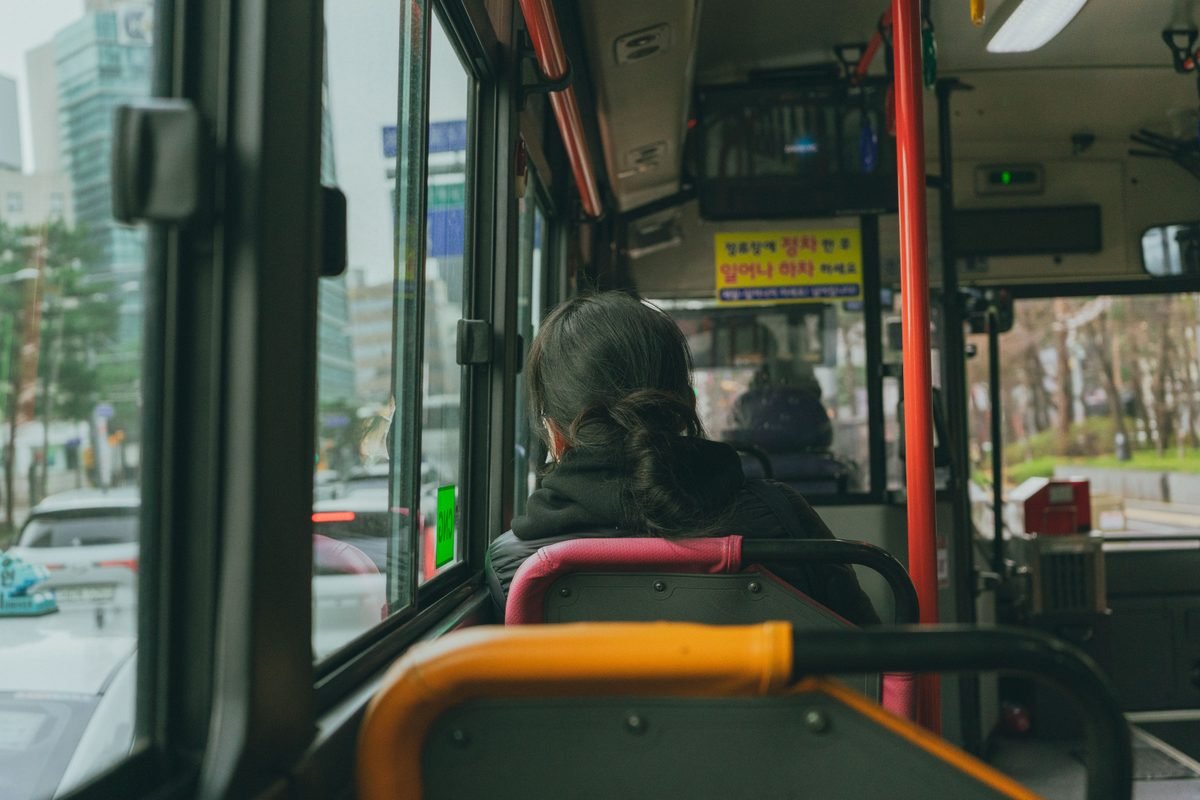
Once you arrive at Gwangju Songjeong Station, you must choose between a budget-friendly local bus or a faster taxi ride. The most economical route is to take the Gwangju subway to Nongseong Station, walk to the nearby U-Square Bus Terminal, and board the local red bus 311. This bus runs every 15 minutes and takes you directly to the entrance of Juknokwon in about 45 minutes for ₩1,500 (about $1.15). The local buses are reliable. However, they stop frequently. If you want to save time, you can take a taxi directly from Gwangju Songjeong Station to Juknokwon. A taxi ride takes roughly 35 minutes and costs around ₩35,000 (about $26). This is a highly efficient choice if you travel in a small group. Navigating this region requires downloading Naver Map or KakaoMap before you leave Seoul. Google Maps will not give you accurate walking or transit directions in Korea. Make sure your transit card, like a T-money card, is fully loaded with at least ₩10,000 (about $7.50) before you leave Gwangju, as convenience stores inside Damyang are more spread out and harder to find.
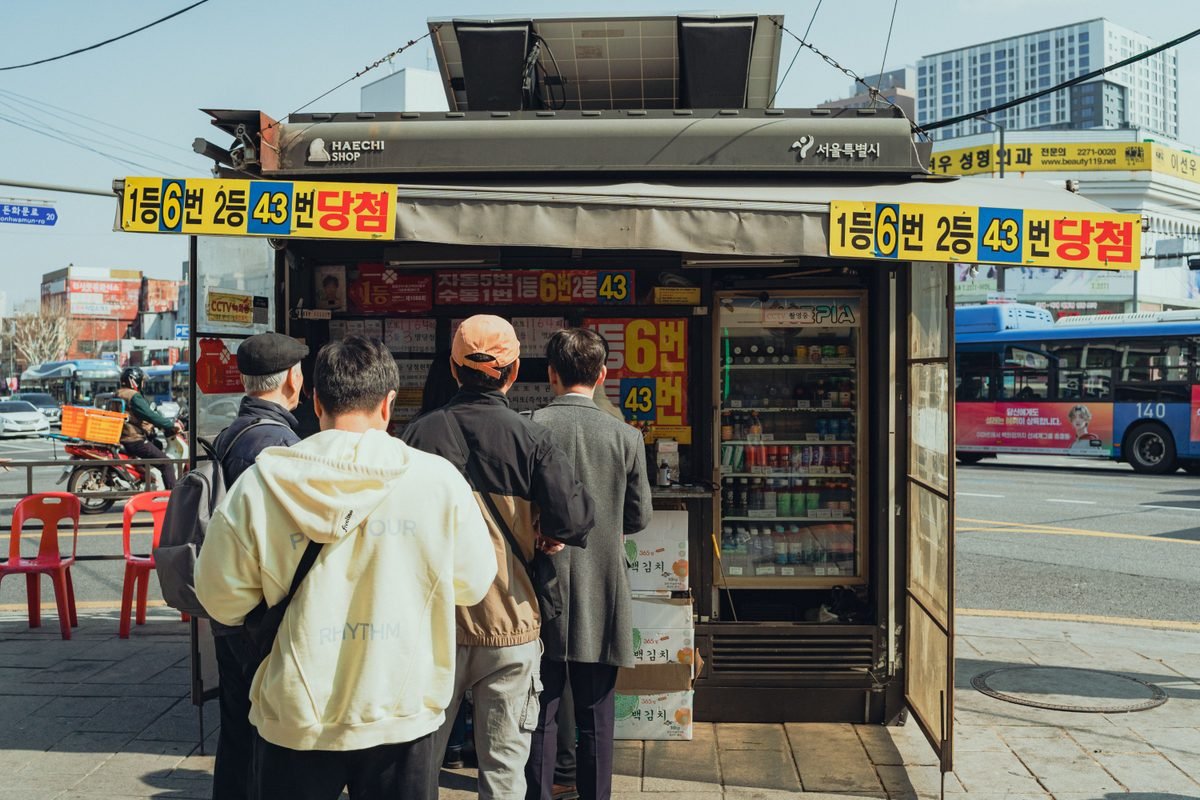
Tip: Load your transit card early
Ensure your T-money card has at least ₩10,000 (about $7.50) before leaving Gwangju. Small local buses in Damyang do not always accept credit cards.
Exploring the Juknokwon bamboo forest
Navigating the Bamboo Trails
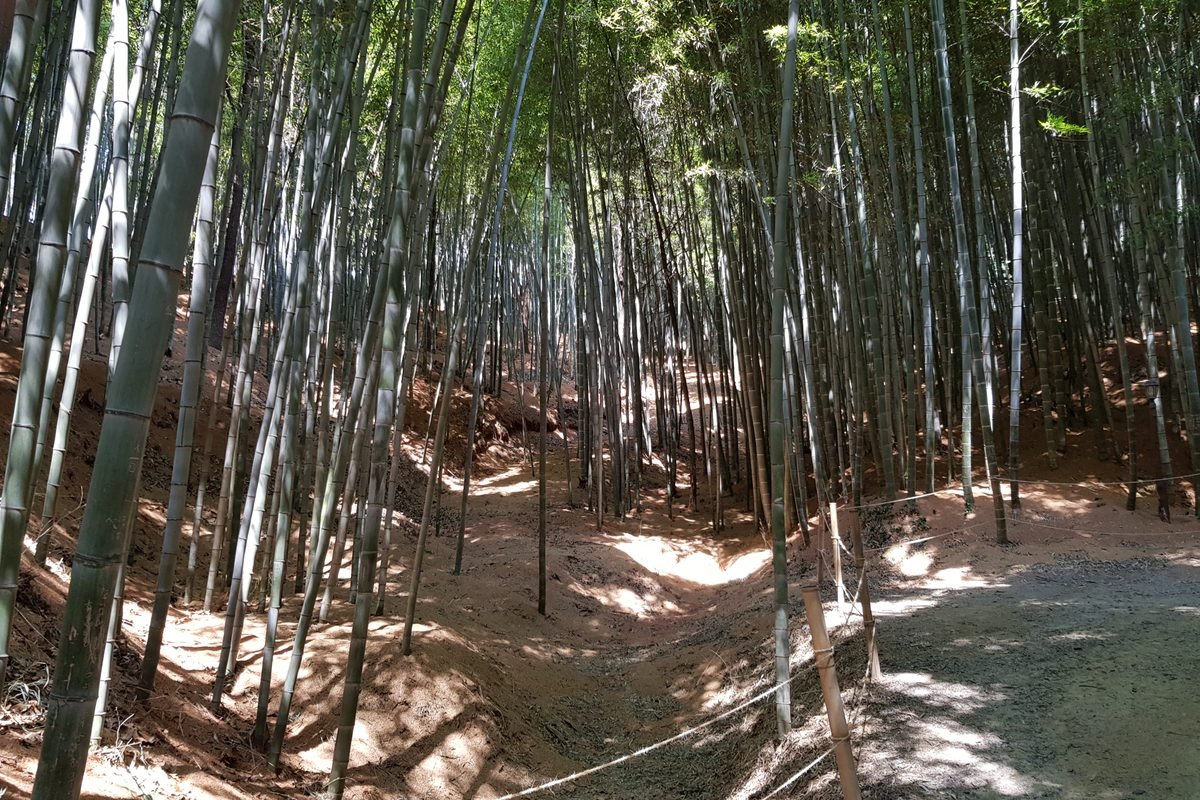
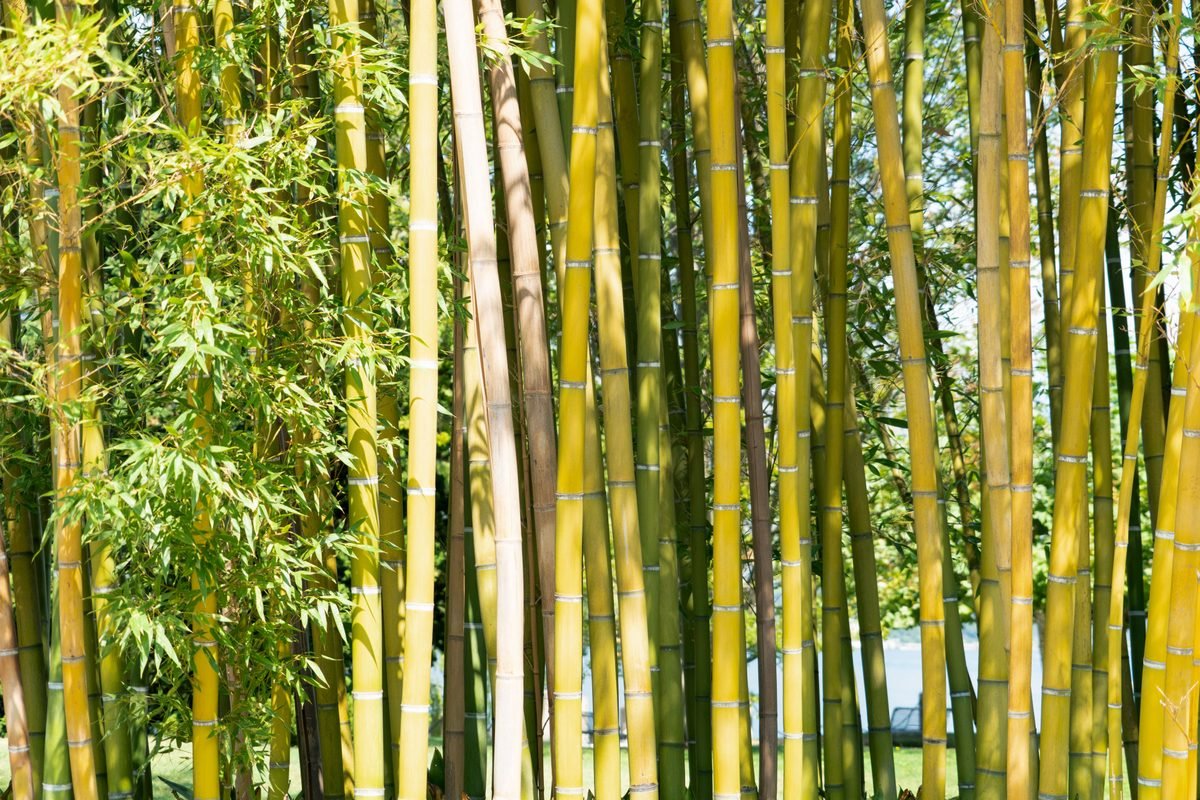
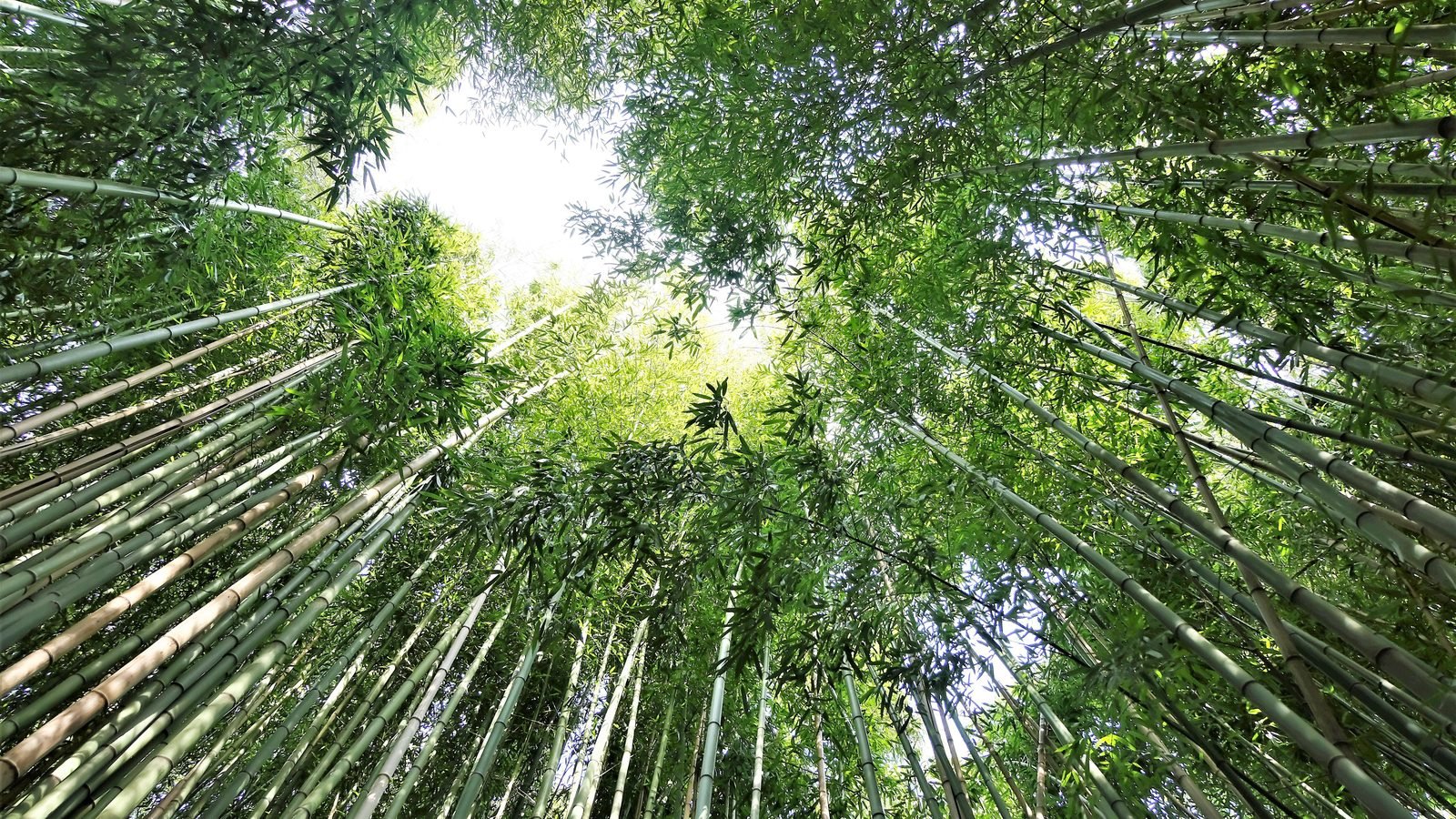
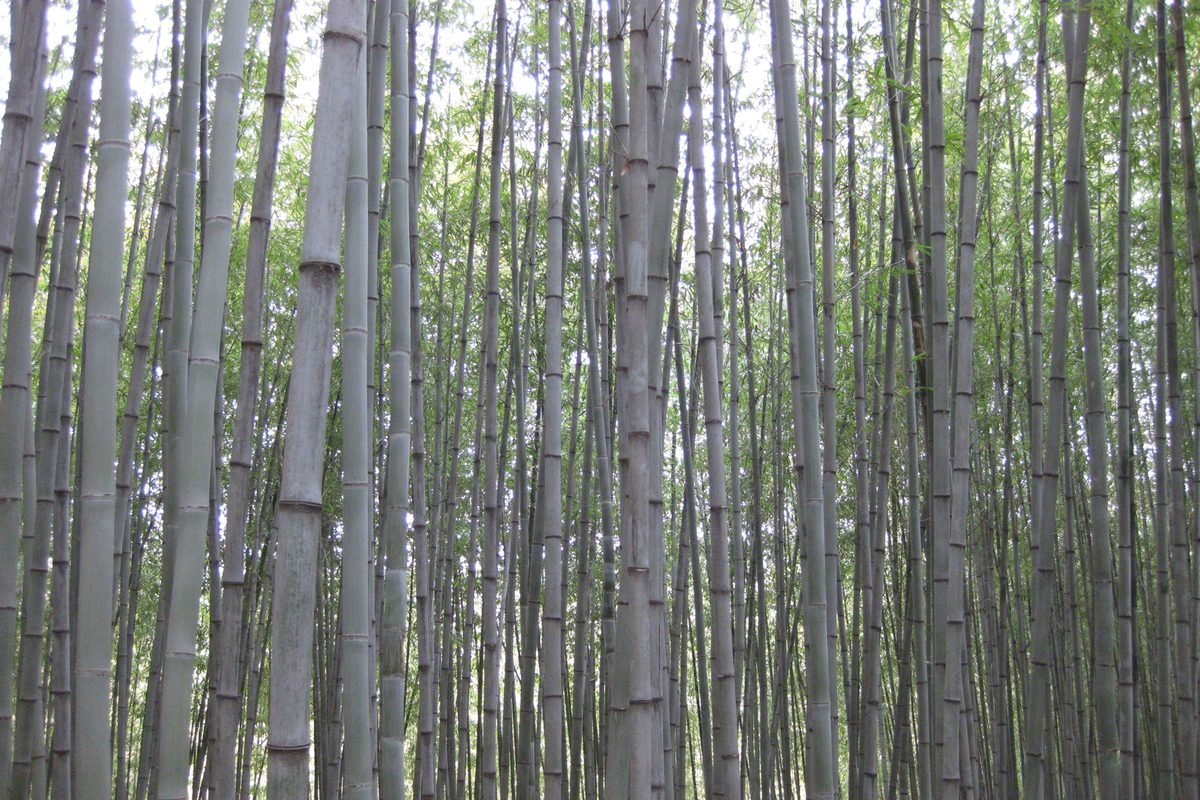
Juknokwon is the heart of any Damyang bamboo forest day trip. This cultivated forest covers about 310,000 square meters and features eight distinct walking paths, each with its own theme. Admission is ₩3,000 (about $2.25) for adults. The ticket office opens at 09:00. I suggest arriving right at opening time to experience the park before the tour buses pull in. The air inside the forest is noticeably cooler than the surrounding town, often by several degrees. This is because the dense canopy of giant timber bamboo blocks out the direct sun. Walking along the paths, you will hear nothing but the wind creaking through the hollow trunks. Take your time. Sit on the bamboo benches. The forest is designed for slow, quiet exploration.
The Hanok Exhibition Hall and Art Gallery
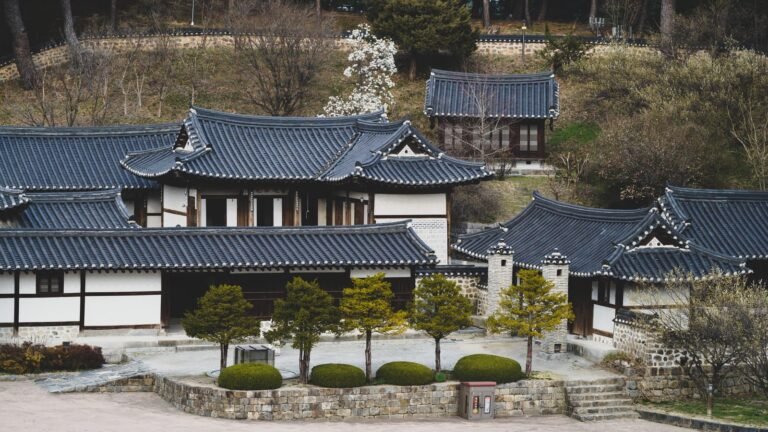
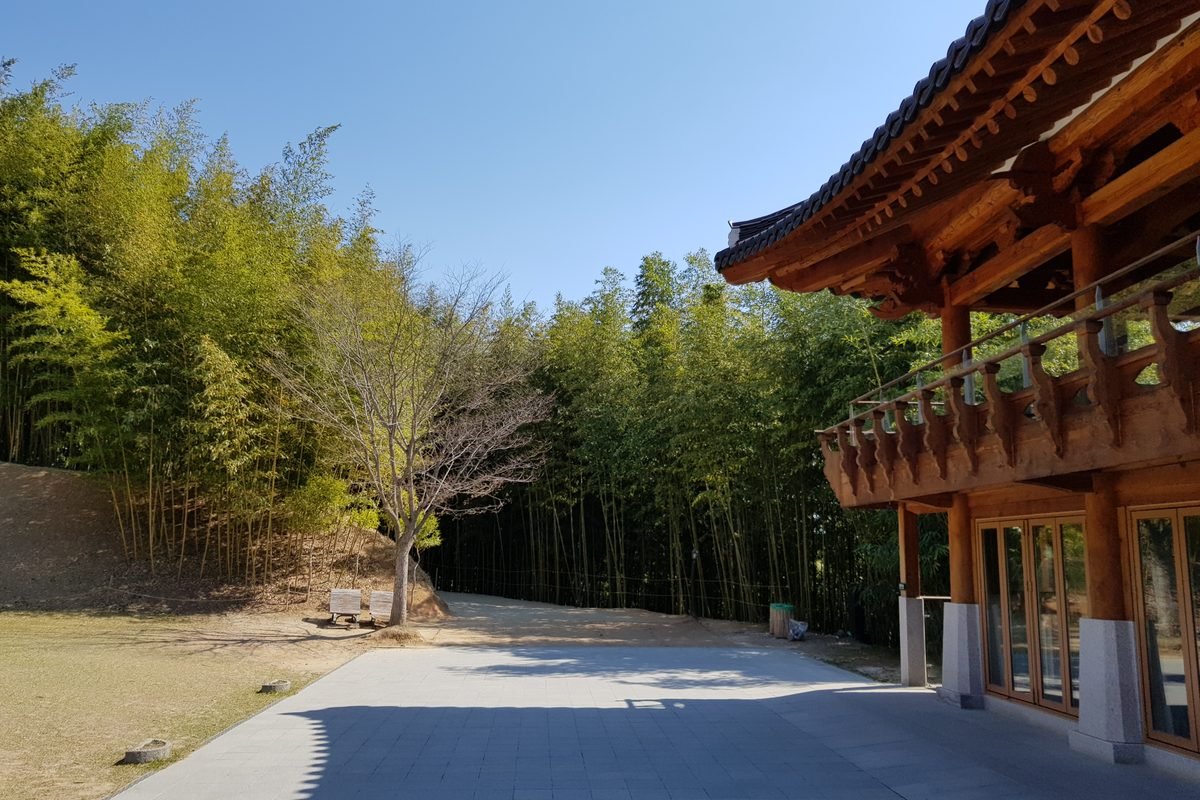
The paths are mostly paved with packed dirt or wooden steps, making for an easy walk. You do not need heavy hiking boots. A pair of comfortable sneakers is perfectly fine. Look out for the Hanok Exhibition Hall inside the park, where you can sit on wooden porches and drink local bamboo leaf tea. The tea costs about ₩4,000 (about $3) per cup and has a mild, nutty flavor. If you follow the path toward the back exit, you will find a traditional Korean garden area with small ponds, stone bridges, and historic pavilions. This quieter section is often completely empty in the morning. You can also visit the small art gallery near the entrance, which showcases local bamboo crafts and modern installations. Damyang has been the center of Korean bamboo craft for centuries.
From a local: Drink the local tea
Stop by the Hanok cafe inside Juknokwon for cold bamboo leaf tea. It is incredibly refreshing on warm afternoons.
Walking the Metasequoia Road and Gwanbangjerim
The Historic Gwanbangjerim Forest
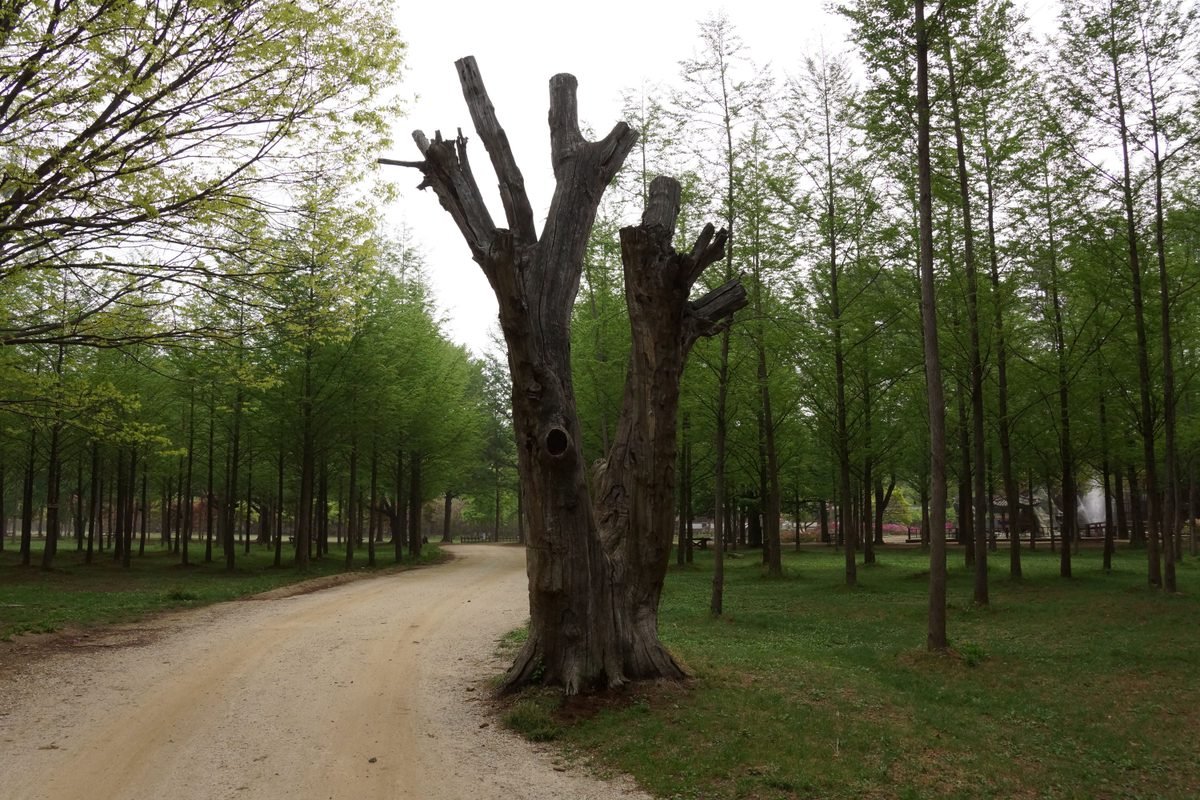
After exiting Juknokwon, you do not need to take another bus to see the rest of Damyang’s famous trees. Directly across the river lies Gwanbangjerim Forest. This is a historic flood-control dyke planted with giant deciduous trees that are over three hundred years old. The trail runs along the stream for about two kilometers. It is completely free to enter. Locals gather here to sit under the massive zelkova, cherry, and muku trees. In autumn, the leaves turn bright shades of orange and yellow. Walk slowly down the dirt path. The ground is soft. This flat path leads you directly to the Metasequoia Land entrance.
The Metasequoia Redwood Tunnel
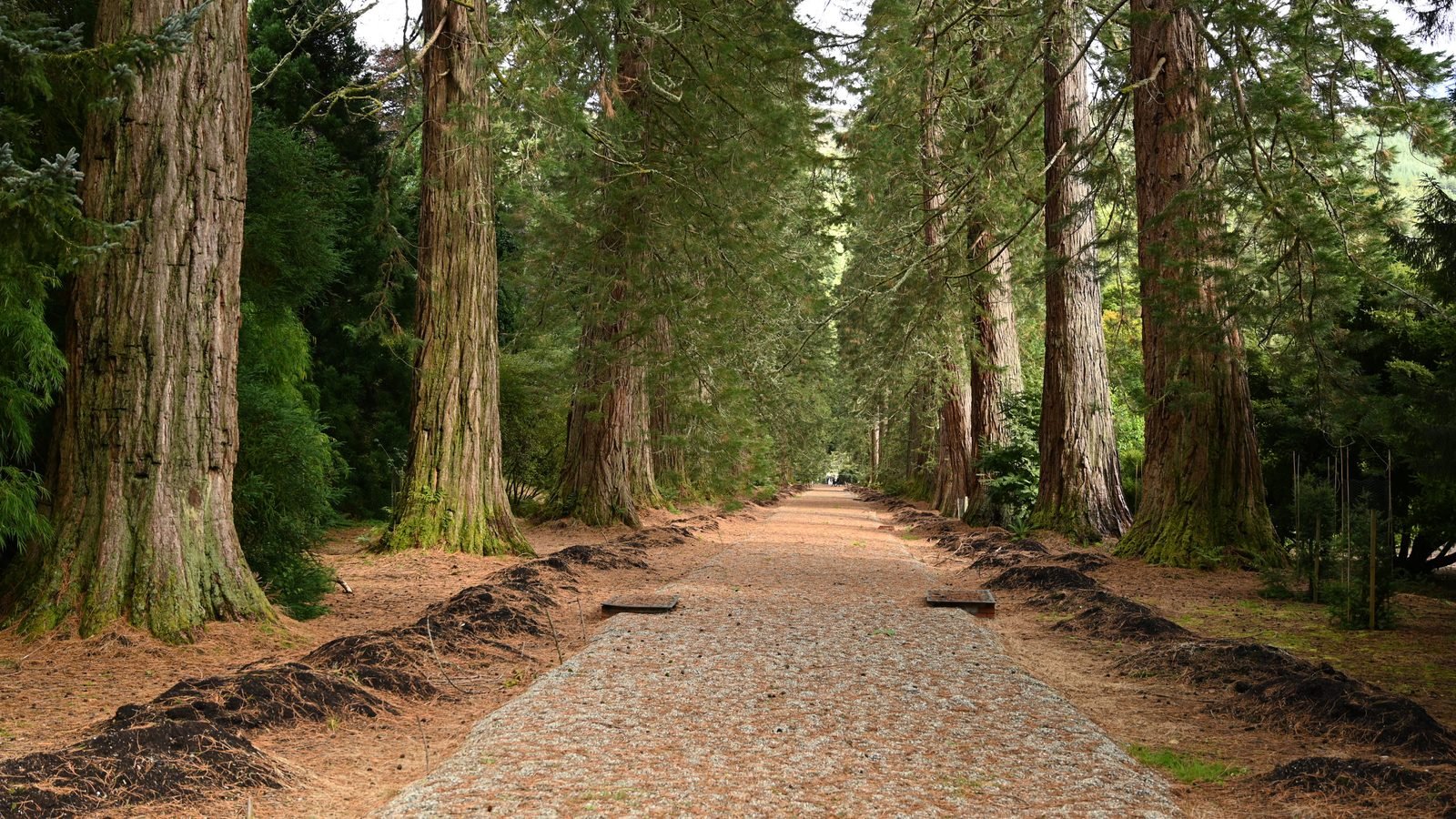
The Metasequoia Road is a two-kilometer stretch of giant redwood trees planted in the 1970s. Admission to this specific pedestrian path is ₩2,000 (about $1.50). The trees form a massive, vaulted green tunnel that turns a deep rusty orange in late autumn. It is a striking contrast to the bright green bamboo you saw earlier in the day. Beside the main path, you will find a small eco-park and a collection of traditional thatched-roof houses. If you are feeling tired, there are several small coffee shops near the ticket gate where you can rest. The entire walk from Juknokwon, through Gwanbangjerim, and down the Metasequoia Road takes about ninety minutes. It is entirely flat, making it accessible for all fitness levels. I highly recommend visiting in the afternoon when the low sun filters through the high branches, creating long shadows across the path. This is also when the crowds begin to thin out as day trippers head back to Gwangju.
Heads up: Avoid mid-day weekend crowds
The Metasequoia Road is highly popular with domestic tour groups on Saturday afternoons. Visit before noon or after 16:00 to get clear photos of the tree tunnel.
Where to eat in Damyang
Tasting Traditional Tteokgalbi
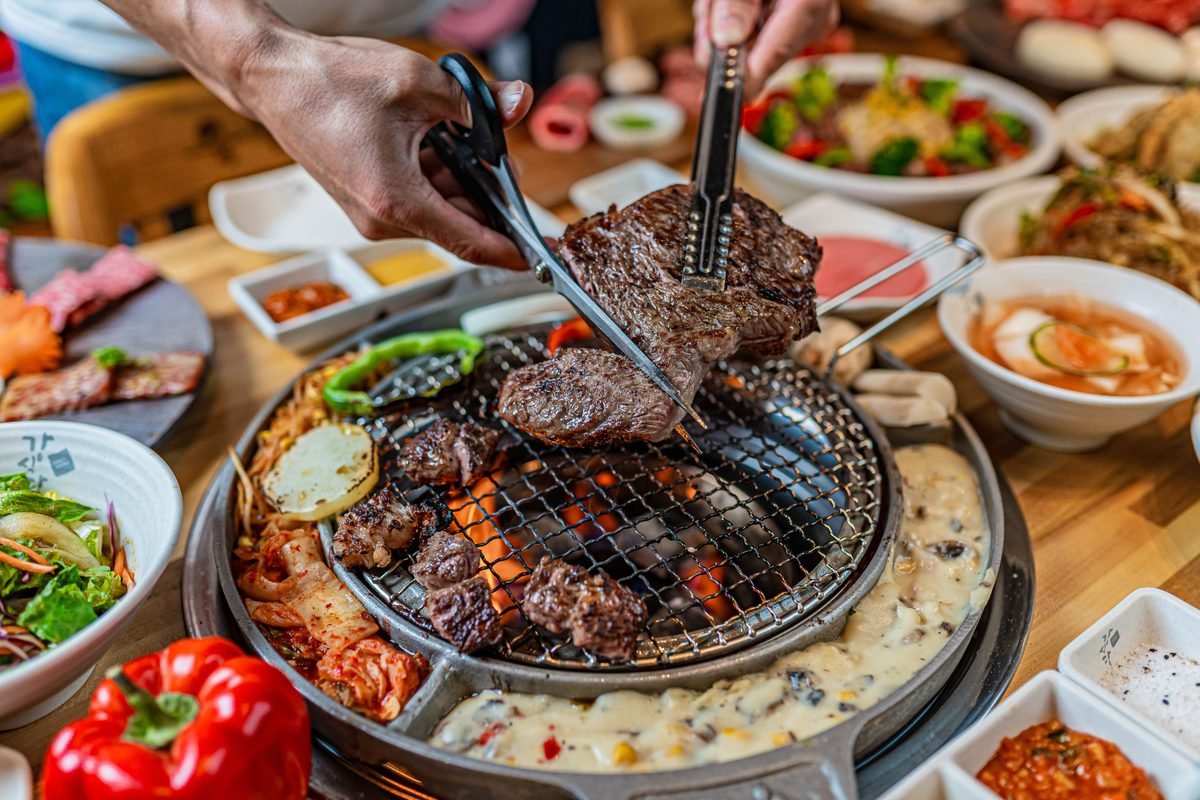
No Damyang bamboo forest day trip is complete without tasting the local specialty: tteokgalbi. This dish consists of minced beef rib meat, seasoned with soy sauce, garlic, and sesame oil, shaped into patties, and grilled over charcoal. It is incredibly tender. Most traditional restaurants serve it alongside daetongbap, which is seasoned rice cooked inside a fresh bamboo stalk. The rice is steamed with chestnuts, jujubes, pine nuts, and black beans, absorbing the clean, woody aroma of the bamboo. A standard tteokgalbi and daetongbap set costs about ₩26,000 (about $19.50) per person. One of the most reliable places to try this is Hansanggeun Daetongbap, located just a short walk from the entrance of Juknokwon. The table will be covered with dozens of side dishes, including pickled bamboo shoots and fresh seasonal greens. Another excellent option is Deokin Galbi, which has been serving charcoal-grilled beef ribs in Damyang for decades.
Sweet Bamboo Treats
After lunch, look for local dessert stalls near the forest gates. You must try bamboo ice cream. It costs about ₩3,500 (about $2.60) per cone. The ice cream has a pale green color and a unique, slightly grassy flavor that is surprisingly refreshing. You can also find bamboo-infused beer and sweet bamboo pastries shaped like hollow stalks. These make great gifts to take back to Seoul. The local restaurants get very busy around 12:30, so I recommend having an early lunch at 11:30 or waiting until 13:30. Most places do not require reservations for small groups, but you might have to wait twenty minutes during peak autumn weekends.

How to combine Damyang with Gwangju
Exploring Gwangju’s Modern History
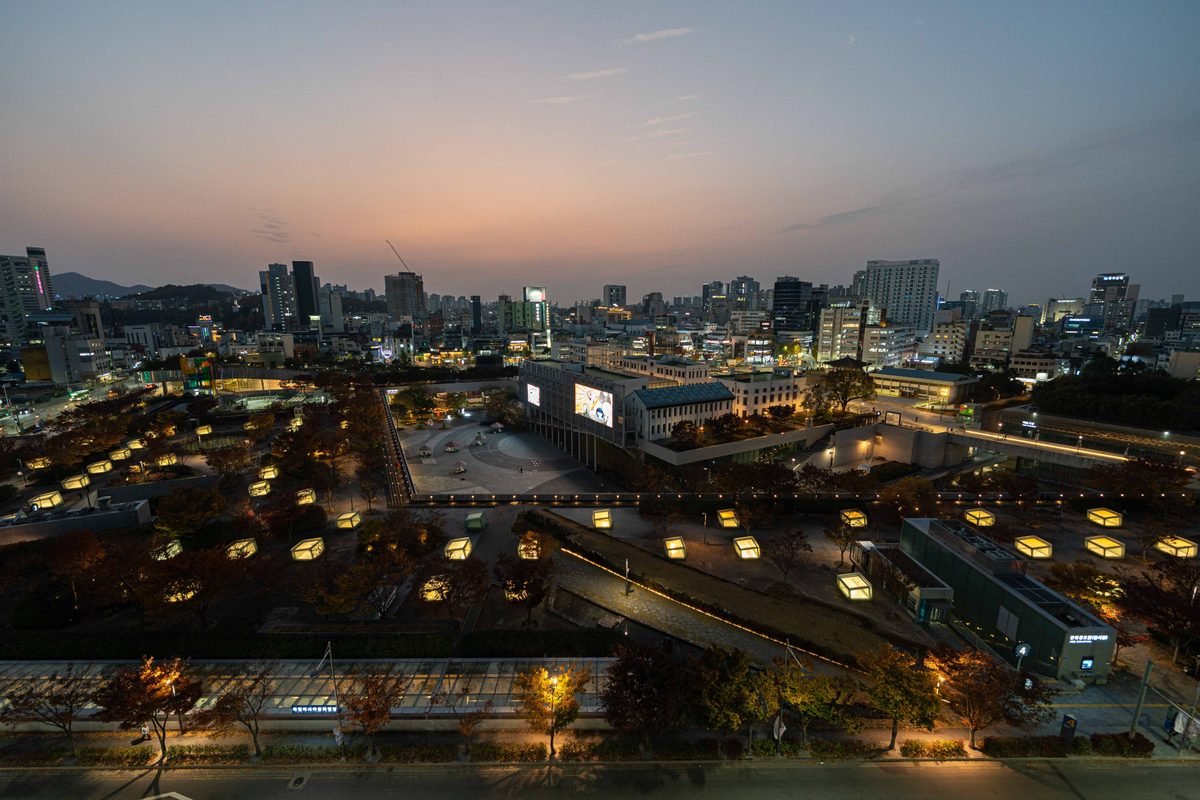
Since Damyang is a relatively small county, you can easily experience its main sights in four to five hours. This leaves you with the perfect opportunity to explore Gwangju, the sixth-largest city in South Korea, on your way back to Seoul. Gwangju is a city with a fierce independent spirit and a rich modern history. After taking bus 311 back from Damyang, get off at the Gwangju National Museum or head straight to the Asia Culture Center in the city center. Gwangju is a city with a deeply significant modern history. This massive cultural complex features impressive modern architecture, underground plazas, and rotating art exhibitions. It is built on the site of the historic 1980 Gwangju Uprising, making it an important place to learn about Korea’s path to democracy. Admission to the outdoor plazas is free, while exhibition tickets cost about ₩5,000 (about $3.75).
Markets and Local Dinner
From the cultural center, you can walk to the nearby Daein Market. This traditional market transforms into a lively art market on weekend evenings, where local artists sell handmade crafts alongside traditional food stalls. For dinner, try Gwangju-style ori-tang (duck stew) on the dedicated Ori-tang Street near the station. A rich pot of stew simmered with wild sesame seeds and fresh water parsley costs about ₩45,000 (about $34) for a portion that easily feeds two or three people. It is the perfect hearty meal before boarding your late-evening KTX back to Seoul. If you have an extra hour, wander through the Yanglim-dong Penguin Village. This quirky neighborhood is filled with street art, vintage installations, and historic western-style missionary houses. It is a short taxi ride from the Asia Culture Center.
Book ahead: Book your return KTX early
The Sunday evening KTX trains from Gwangju Songjeong to Seoul sell out days in advance. Book your return ticket for around 20:00 to give yourself plenty of time in the city.
Practical tips for your Damyang trip
Best Seasons to Visit
Planning a day trip requires a bit of foresight, especially regarding the weather and local logistics. The best time to visit Damyang is during late spring or mid-autumn. In May, the fresh green leaves of the bamboo are incredibly bright. In October and November, the Metasequoia trees turn a brilliant amber color, and the weather is cool enough for long walks. Summer can be very hot. The dense forest canopy also attracts a large number of mosquitoes. If you do visit in July or August, make sure to pack heavy-duty bug spray and a small portable fan. Most attractions in Damyang are open year-round, but the local museums and some craft shops close on Mondays. Keep this in mind when planning your itinerary.
Souvenirs and Bicycle Rentals
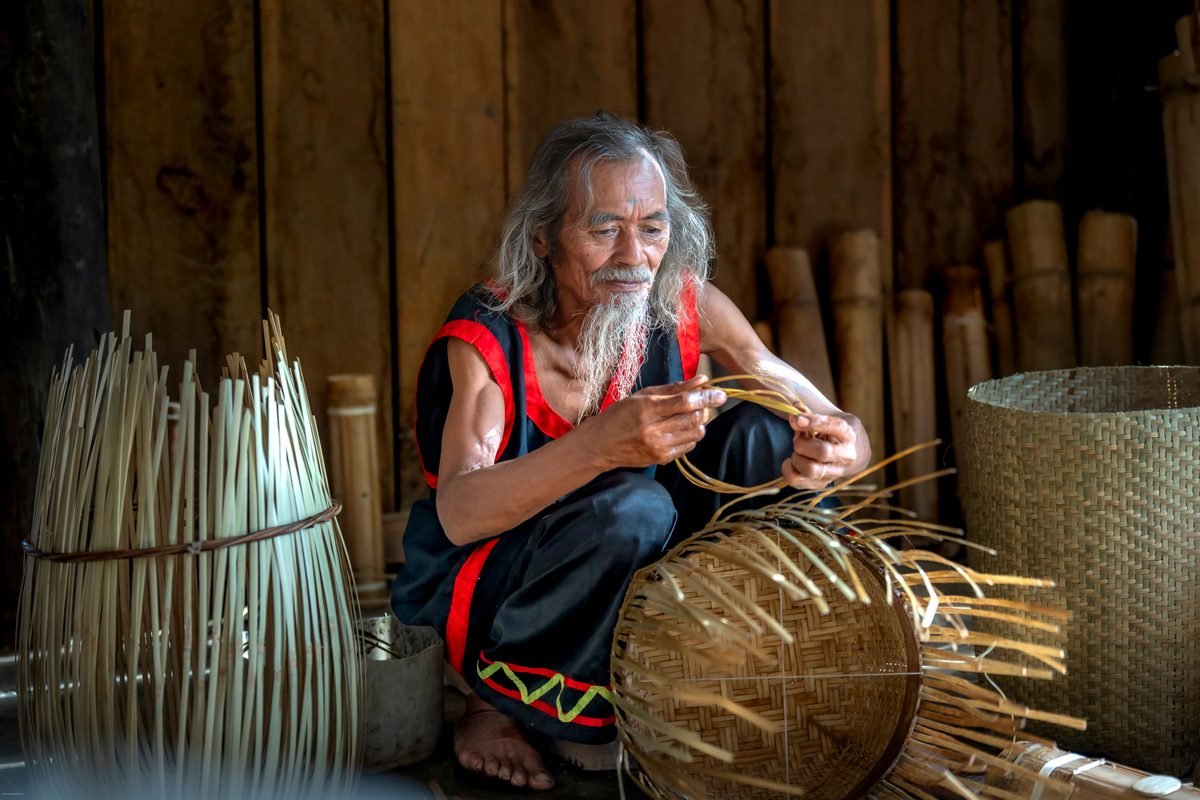
When navigating the walking paths, keep your eyes open for local craft shops selling authentic bamboo goods. Damyang is famous for its hand-woven baskets, fans, and kitchenware. These items are of much higher quality than the mass-produced plastic souvenirs sold near the main gates. A genuine hand-woven bamboo basket will cost about ₩15,000 to ₩30,000 (about $11 to $22) and makes a beautiful, lasting souvenir. If you prefer not to walk the entire distance between the bamboo forest and the redwood road, you can rent a bicycle near the Gwanbangjerim stream. Rental shops charge about ₩5,000 (about $3.75) per hour for a standard bicycle, which makes moving between the sights much faster. Plan your breaks accordingly. Public restrooms are available at the entrances of Juknokwon and Metasequoia Land, but they are rare along the trail paths.
What it costs in Damyang
| Item | Local price | USD |
|---|---|---|
| KTX train ticket (Seoul to Gwangju Songjeong, one way) | ₩46,800 | about $35 |
| Local bus (Gwangju to Damyang, one way) | ₩1,500 | about $1.15 |
| Juknokwon Bamboo Forest admission | ₩3,000 | about $2.25 |
| Metasequoia Road admission | ₩2,000 | about $1.50 |
| Tteokgalbi and Daetongbap lunch set | ₩26,000 | about $19.50 |
| Bamboo ice cream | ₩3,500 | about $2.60 |
| Total estimated cost per person (excluding return train) | ₩82,800 | about $62 |
Prices checked October 2026. Always confirm with the provider before you book.
Where to stay in Damyang
Budget
Gwangju (near U-Square Bus Terminal), for cheap motels and guesthouses
This area is highly convenient for catching early morning buses directly to Damyang. You can easily find clean, simple rooms for ₩40,000 to ₩60,000 (about $30 to $45) per night.
Mid-range
Damyang Town, for traditional hanok guesthouses
Staying in a local wooden guesthouse allows you to experience the quiet countryside after the day trippers leave. Expect to pay around ₩80,000 to ₩120,000 (about $60 to $90) per night.
Splurge
Gwangju (Sangmu District), for modern business hotels
This is Gwangju's modern commercial center, offering upscale hotels with excellent amenities and English-speaking staff. Rates generally range from ₩150,000 to ₩250,000 (about $112 to $187) per night.
Mistakes to avoid
- Trying to use Google Maps to navigate the walking trails or local bus routes instead of Naver Map.
- Arriving in Damyang on a Monday when local craft museums and several traditional tteokgalbi restaurants are closed.
- Not booking the return KTX ticket from Gwangju to Seoul in advance, leaving you stranded on Sunday evenings.
FAQ
Is a Damyang bamboo forest day trip worth it from Seoul?
Yes, a Damyang bamboo forest day trip is highly worth it if you want to experience Korea’s natural countryside. The high-speed KTX train makes the long distance manageable in a single day, allowing you to walk through tranquil forests and enjoy unique local food.
How long does it take to explore the Damyang bamboo forest?
You will need about two hours to walk the main trails inside Juknokwon. If you also plan to walk Gwanbangjerim and the Metasequoia Road, allocate at least four to five hours for the entire walking route.
What is the best time of year to visit Damyang?
Late spring (May) and mid-autumn (October to November) are the best times to visit. The weather is cool, the bamboo leaves are vibrant, and the deciduous trees along the roads display brilliant seasonal colors.
How do you get from Gwangju to the Damyang bamboo forest?
Take local red bus 311 from the U-Square Bus Terminal in Gwangju. The bus runs every 15 minutes, costs ₩1,500 (about $1.15), and drops you directly in front of the Juknokwon entrance.
Can you eat vegetarian food in Damyang?
While the famous local dish is beef tteokgalbi, you can request a vegetarian version of daetongbap (bamboo-steamed rice) at most restaurants. The set meals come with dozens of vegetable side dishes, though you should ask the staff to ensure they do not contain fish sauce.