Krakow 2 Day Itinerary: Old Town, Kazimierz & Day Trips

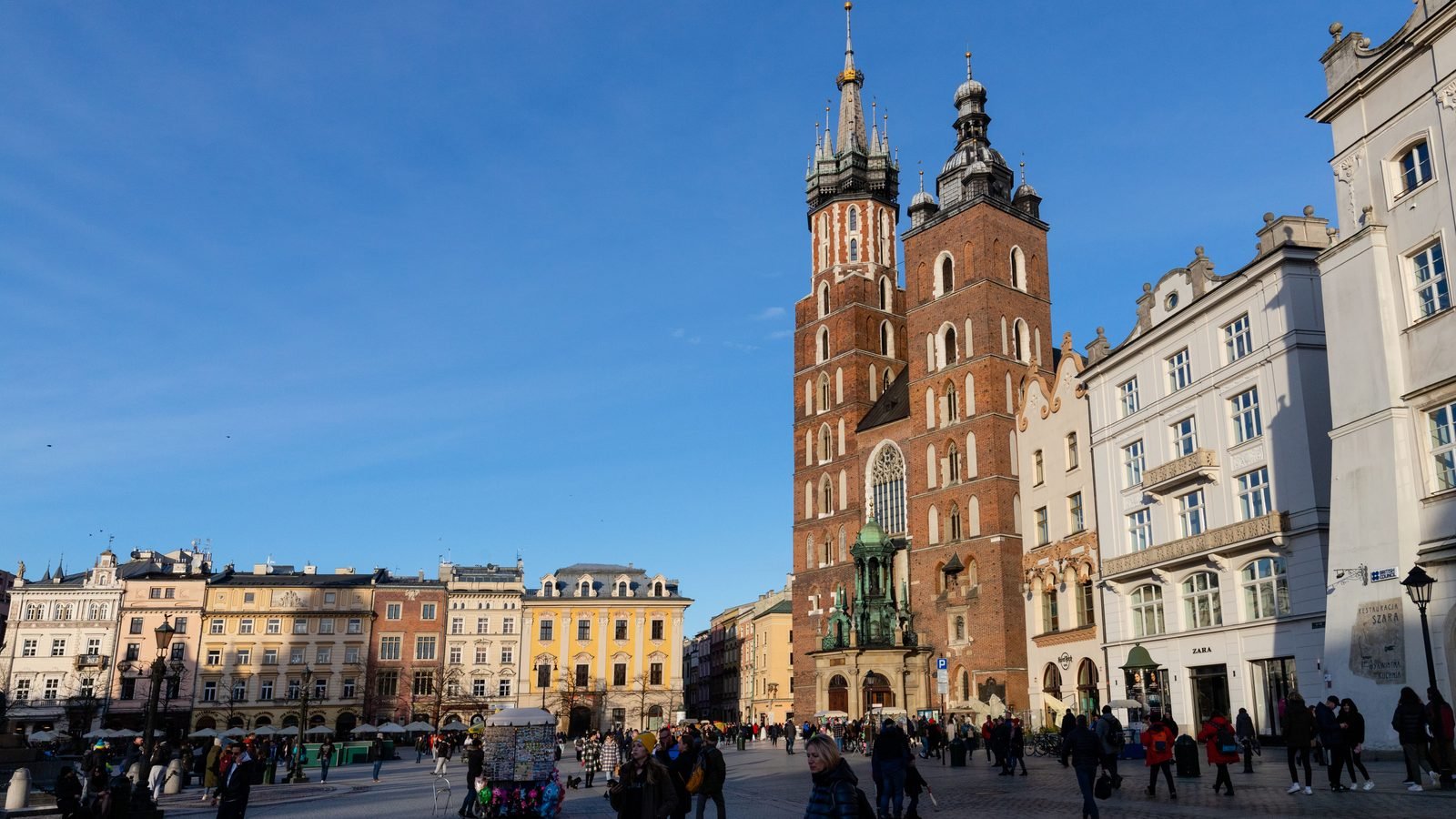
Every hour on the hour, a trumpet signal known as the Hejnał Mariacki stops suddenly mid-note from the top tower of St. Mary’s Basilica in Krakow. The tradition honors a 13th-century guard who was shot while warning the town of an incoming attack. Today, Krakow stands as one of Central Europe’s most intact historical cities, where medieval trade halls, royal quarters, and former Jewish neighborhoods sit within easy walking distance.
This guide is written for independent travelers planning a short stay in southern Poland. Here is how to structure your time, navigate transit, book key sites, and avoid standard tourist traps.
How to structure a Krakow 2 day itinerary
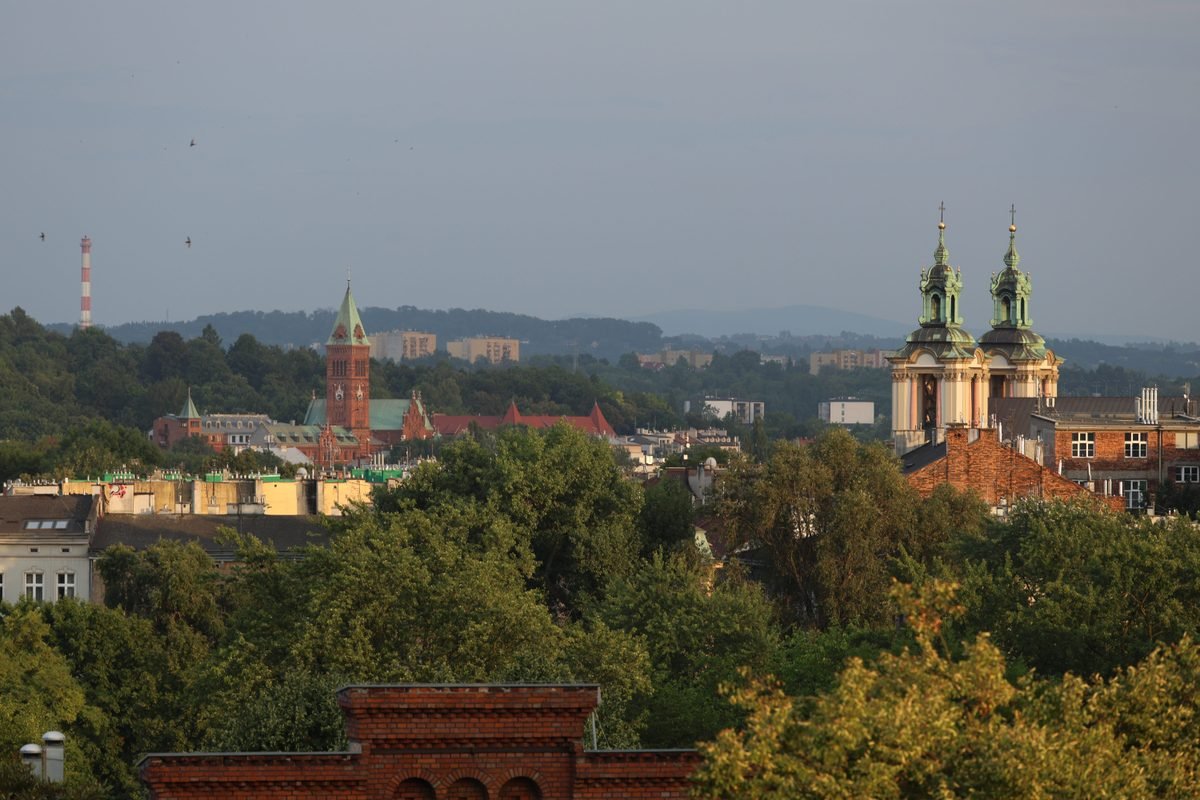
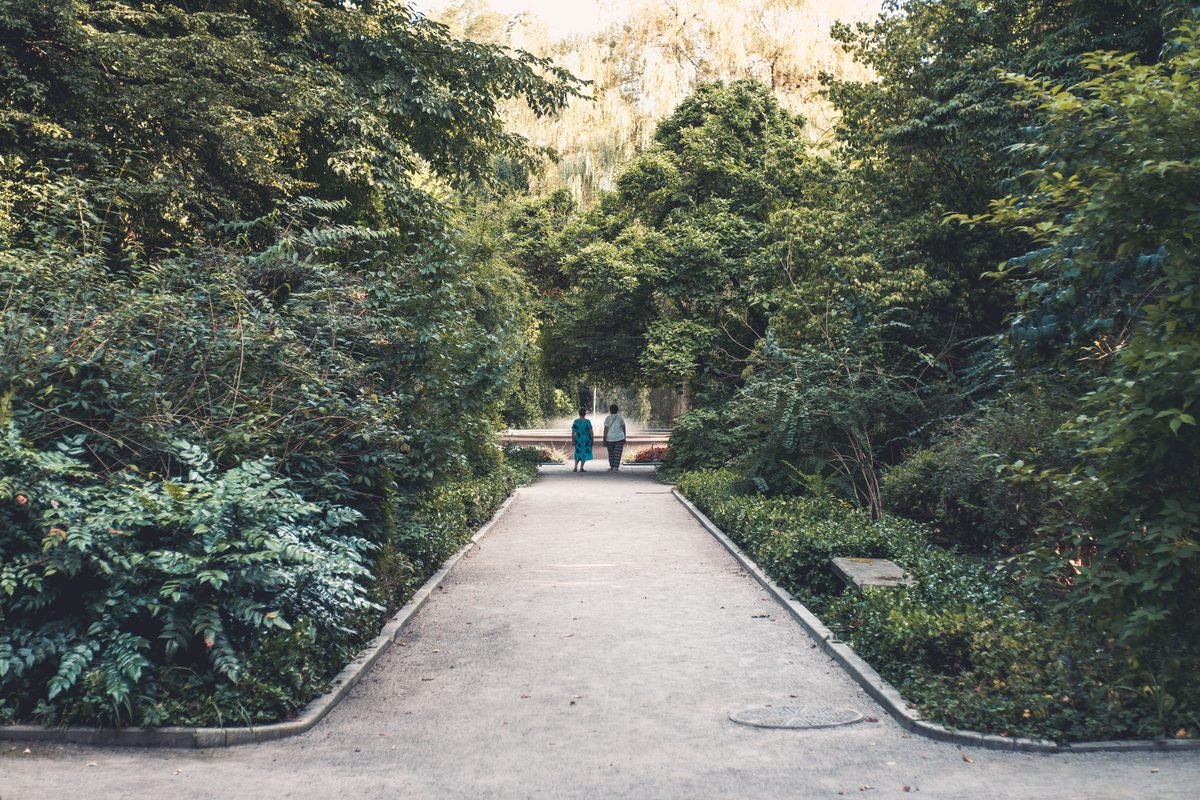
Planning a short visit requires balancing Krakow’s historic core with its surrounding historical sights. The city itself is compact and largely pedestrianized. The Old Town, known locally as Stare Miasto, is encircled by Planty Park—a green belt built over the former medieval city moat. Sitting just south of Stare Miasto along the Vistula River is Wawel Hill, followed by the historic district of Kazimierz further southeast. Because these areas connect seamlessly on foot or by tram, you can comfortably explore the urban center in a single full day.
Your second day requires a strategic decision. Krakow serves as the primary base for visiting two world-renowned historical sites: the Auschwitz-Birkenau State Museum and the Wieliczka Salt Mine. Reaching Auschwitz requires a 90-minute drive or bus ride each way, while Wieliczka is accessible via a short 25-minute commuter train ride from the central station, Kraków Główny. Trying to squeeze both Auschwitz and Wieliczka into a single day alongside Krakow’s Old Town leads to exhaustion and rushed tours.
For transit within the city limits, Krakow relies on a fast, modern tram network operated by MPK Kraków. Tickets are based on time limits rather than distances. A 20-minute ticket costs zł 4 (about $1.00), which easily covers journeys between Stare Miasto and Kazimierz. A 60-minute ticket costs zł 6 (about $1.50), while a 24-hour pass costs zł 17 (about $4.25). You can buy paper tickets at platform kiosks or tap contactless payment cards at ticket machines mounted inside the tram carriages. Trams run every few minutes.
Tip: Public Transit Payments
Contactless credit cards work directly on ticket machines inside most Krakow trams. Choose your ticket time, tap your card, and no paper printing is required.
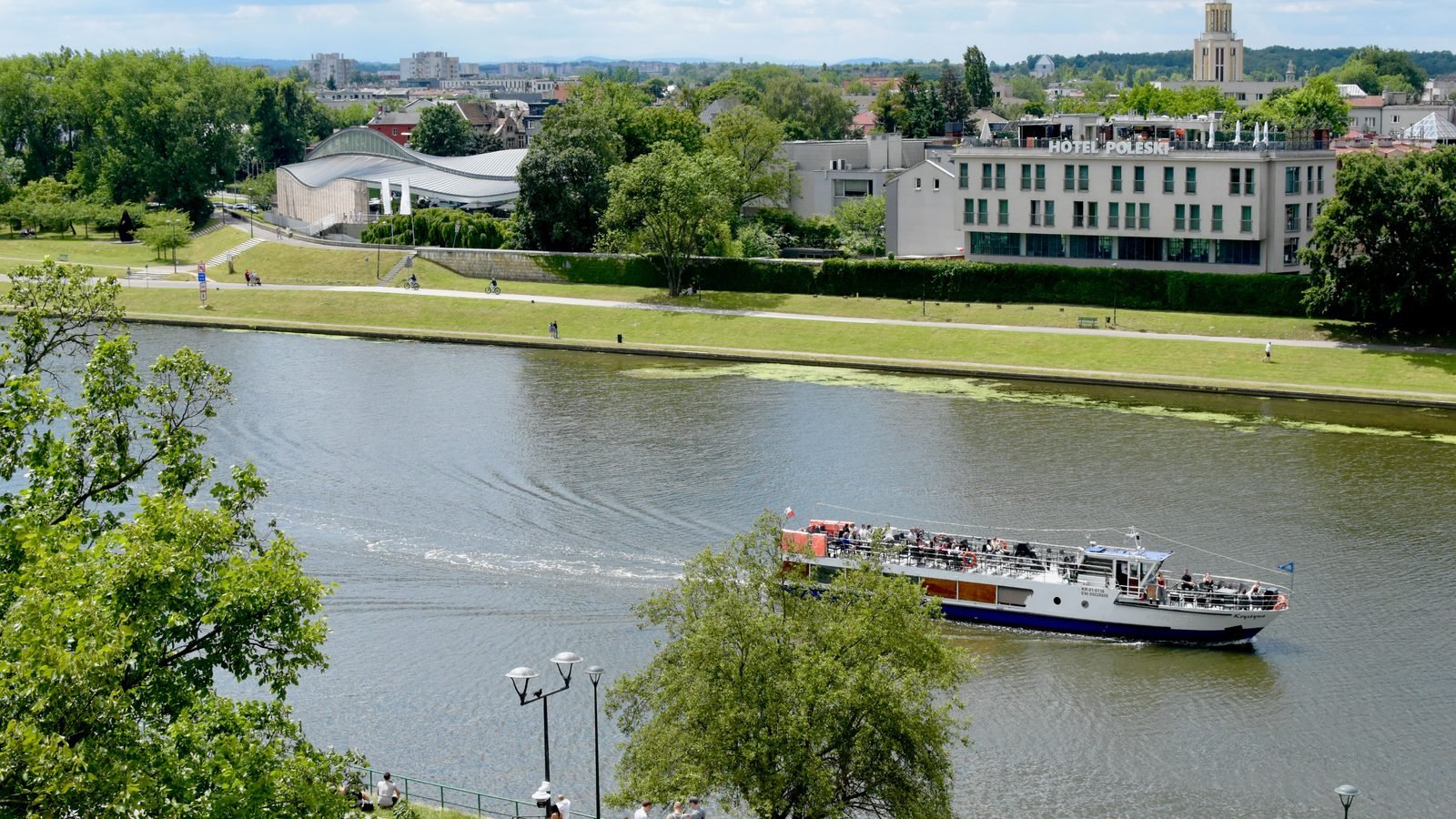
Day 1 morning: Stare Miasto, Wawel Hill, and Kazimierz
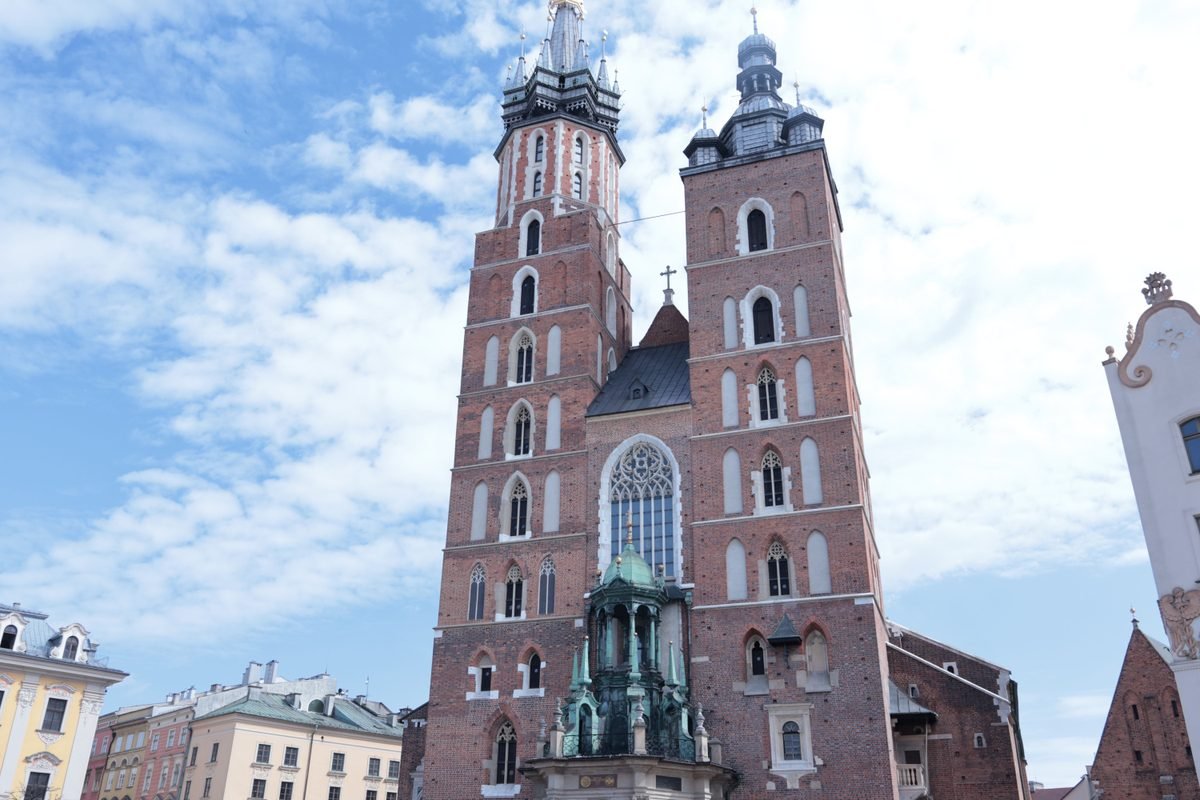
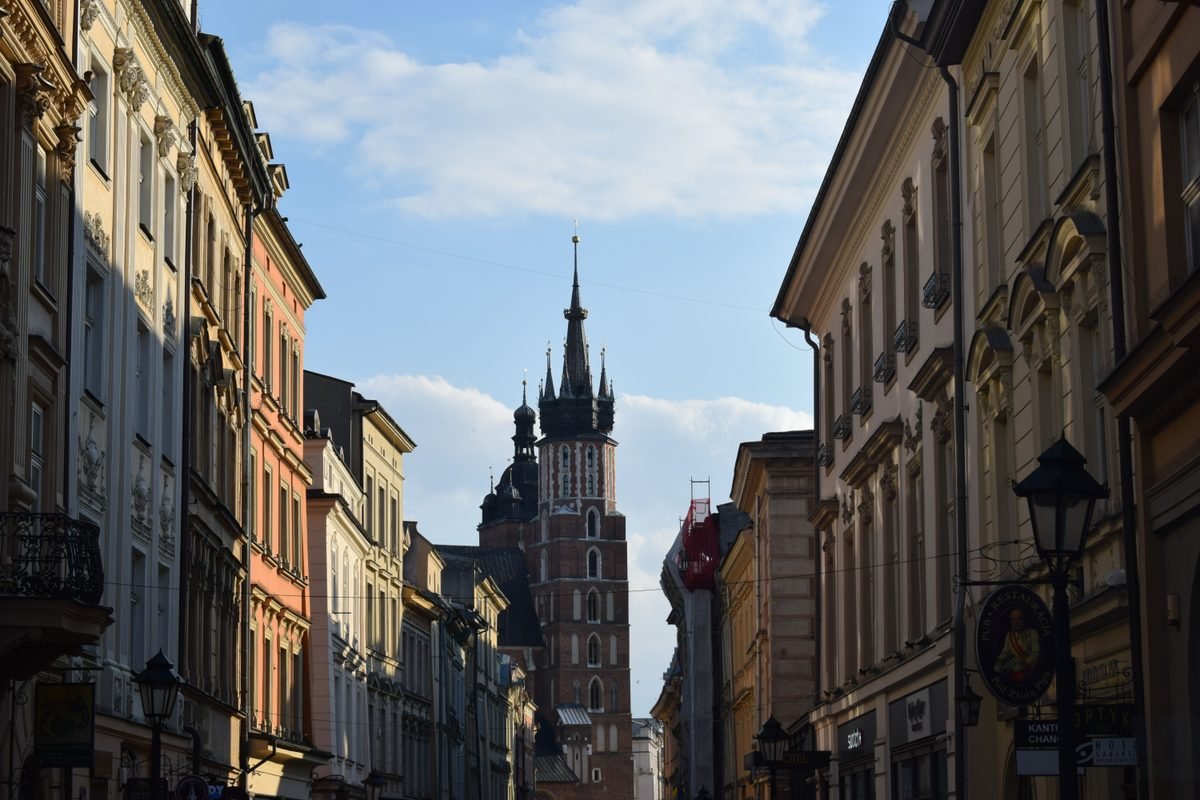
Begin your morning at the Main Market Square, known as Rynek Główny. Spanning four hectares, this is one of Europe’s largest medieval town squares. At its center stands the Cloth Hall (Sukiennice), where merchants sold imported textiles as early as the 13th century. The ground floor remains an active market selling amber jewelry, carved woodwork, and linen goods. Adjacent to the Cloth Hall, entry to St. Mary’s Basilica costs zł 15 (about $3.75). The interior houses an extraordinary carved wooden altarpiece created by Veit Stoss in the 15th century.
From the square, walk south along the pedestrian royal route along Grodzka Street towards Wawel Hill. The Wawel Royal Castle and Cathedral complex sits elevated above the Vistula River. Walking around the castle grounds and cathedral exterior is entirely free, while access to individual state rooms or the cathedral tomb requires separate paid tickets ranging from zł 15 to zł 45 (about $3.75 to $11.25). The climb is steep. Allocate at least two hours if you plan to enter the royal apartments.
In the late afternoon, cross south into Kazimierz, the historic Jewish quarter. Prior to World War II, this district was a major center of Jewish religious and cultural life. Today, Kazimierz retains its historic street layout, lined with synagogues, quiet courtyards, and small cafes. Head to Plac Nowy, the round market building at the center of the neighborhood, for an early evening meal. This is the capital of zapiekanki—open-faced toasted baguettes topped with sautéed mushrooms, melted cheese, garlic sauce, and fresh chives. A full-sized zapiekanka costs roughly zł 14 to zł 20 (about $3.50 to $5.00) and makes for an ideal casual dinner.
Day 2 option: Booking rules and visiting Auschwitz-Birkenau
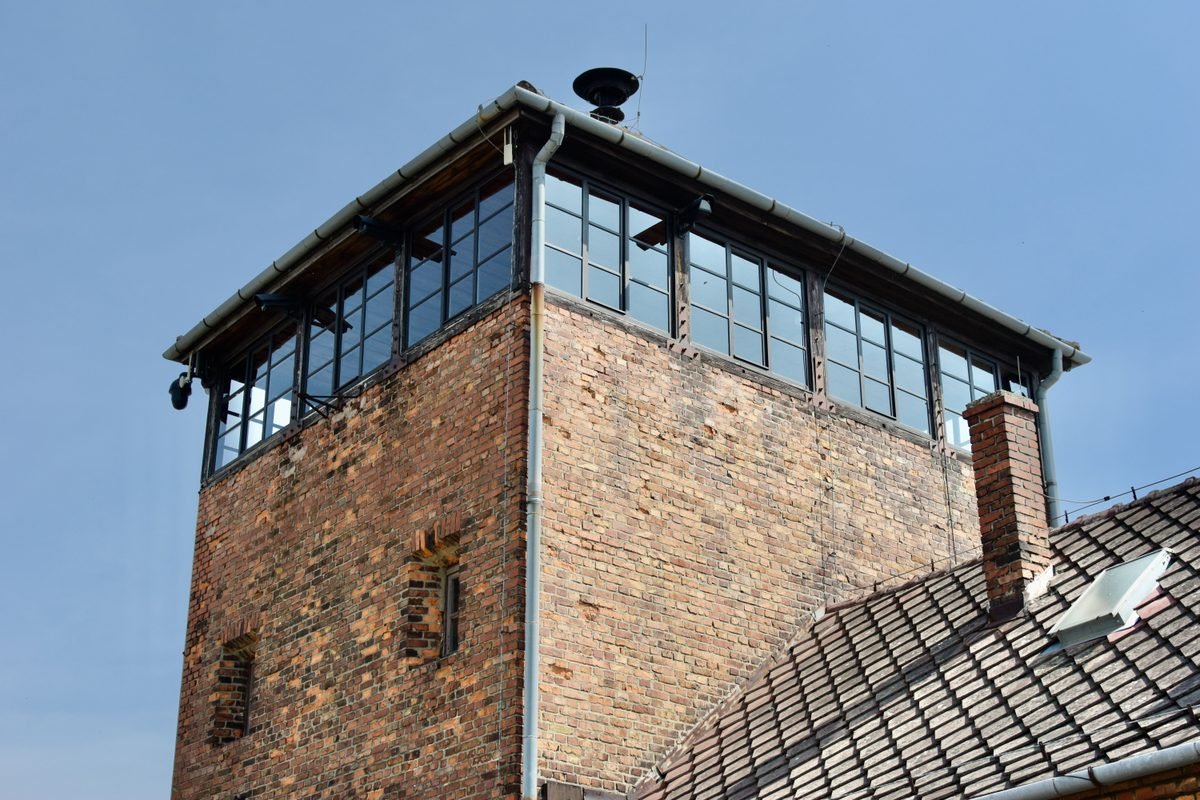
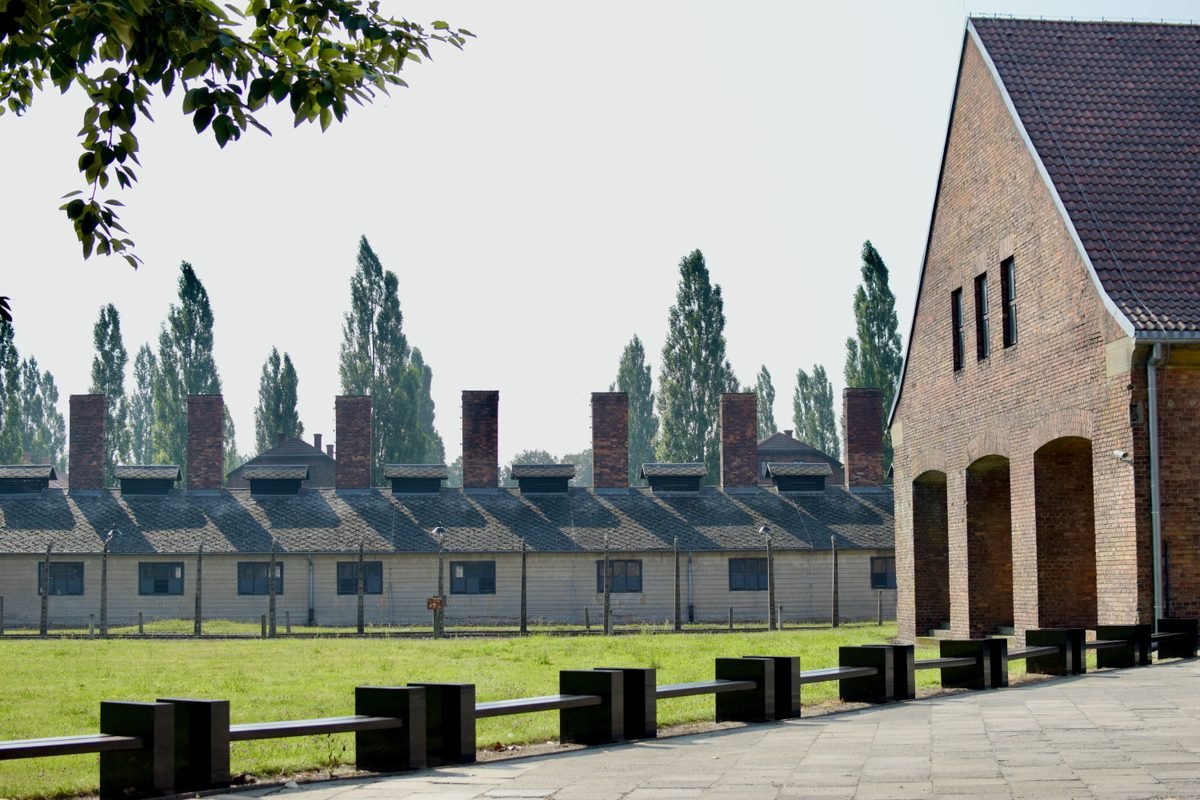
Visiting the Auschwitz-Birkenau Memorial and Museum is a deeply sobering experience that requires precise forward planning. Located near the town of Oświęcim, the complex lies approximately 70 kilometers west of Krakow. The site consists of two main camps: Auschwitz I, featuring brick barracks and museum exhibitions, and Auschwitz II-Birkenau, the vast expanse containing watchtowers, railway tracks, and ruined gas chambers. Free shuttle buses connect the two sites every 10 to 15 minutes.
Entry to the memorial site is free, but visitor volume is strictly capped and entry tickets are mandatory. Individual entry without an official guide is permitted only during specific early morning or late afternoon time slots. Most visitors choose the official guided tour in English, which lasts three and a half hours and covers both camps. A guided ticket costs zł 110 (about $27.50). Tickets sell out fast. You must reserve your spot weeks or months ahead through the official online portal at visit.auschwitz.org using your full passport name.
Travelers can reach Oświęcim via direct private coach buses from the main bus station behind Kraków Główny station. Bus tickets cost around zł 20 (about $5.00) one way, with a travel time of roughly 80 to 90 minutes. Alternatively, direct local trains connect Kraków Główny to Oświęcim station in about 1 hour and 40 minutes for zł 21 (about $5.25). Allow at least seven hours for the total trip, including round-trip transit and tour durations. Bring your physical passport, as security guards check ticket names against official identification at the gate entrance.
Book ahead: Reserve Auschwitz Tickets Early
Book entry passes at visit.auschwitz.org at least two to three months before your trip. Passes carry strict personal entry times and require matching physical passport verification at the security gate.
Day 2 alternative: The underground chambers of Wieliczka Salt Mine
If you prefer to stay closer to Krakow on your second day, the Wieliczka Salt Mine offers an extraordinary underground journey just 14 kilometers southeast of the city center. Operating continuously from the 13th century until 2007, the mine reaches depths of over 300 meters and contains more than 280 kilometers of excavated tunnels. Guided tourist routes cover roughly three kilometers of subterranean chambers, chapels, and saline lakes.
The centerpiece of the tour is St. Kinga’s Chapel, a massive underground church located 101 meters beneath the surface. Everything inside the chapel—from the chandeliers and altar reliefs to the detailed floor tiles—is carved entirely out of natural rock salt. Temperature inside the salt mine remains constant at around 15°C (59°F) year-round, so bringing a warm jacket is necessary even during summer months. The classic Tourist Route involves descending over 800 wooden stairs, though visitors return to the surface via an industrial elevator.
An adult ticket for the English guided tour costs zł 122 (about $30.50). Booking online through the official mine website is recommended to skip long ticket counter lines during high season. Reaching Wieliczka is straightforward: take the Koleje Małopolskie commuter train line (SKA1) from Kraków Główny directly to the Wieliczka Rynek Kopalnia station. The ride takes 23 minutes and costs zł 6.50 (about $1.60) each way. Because a salt mine tour takes approximately three to four hours total including transit, you can return to Krakow with enough afternoon time left for relaxed sightseeing.
Heads up: Physical Demands at Wieliczka
The tour begins with a descent down 380 wooden stairs in a single staircase shaft. Visitors with mobility issues should request the accessible route in advance.
Where to eat: From traditional milk bars to Kazimierz dining
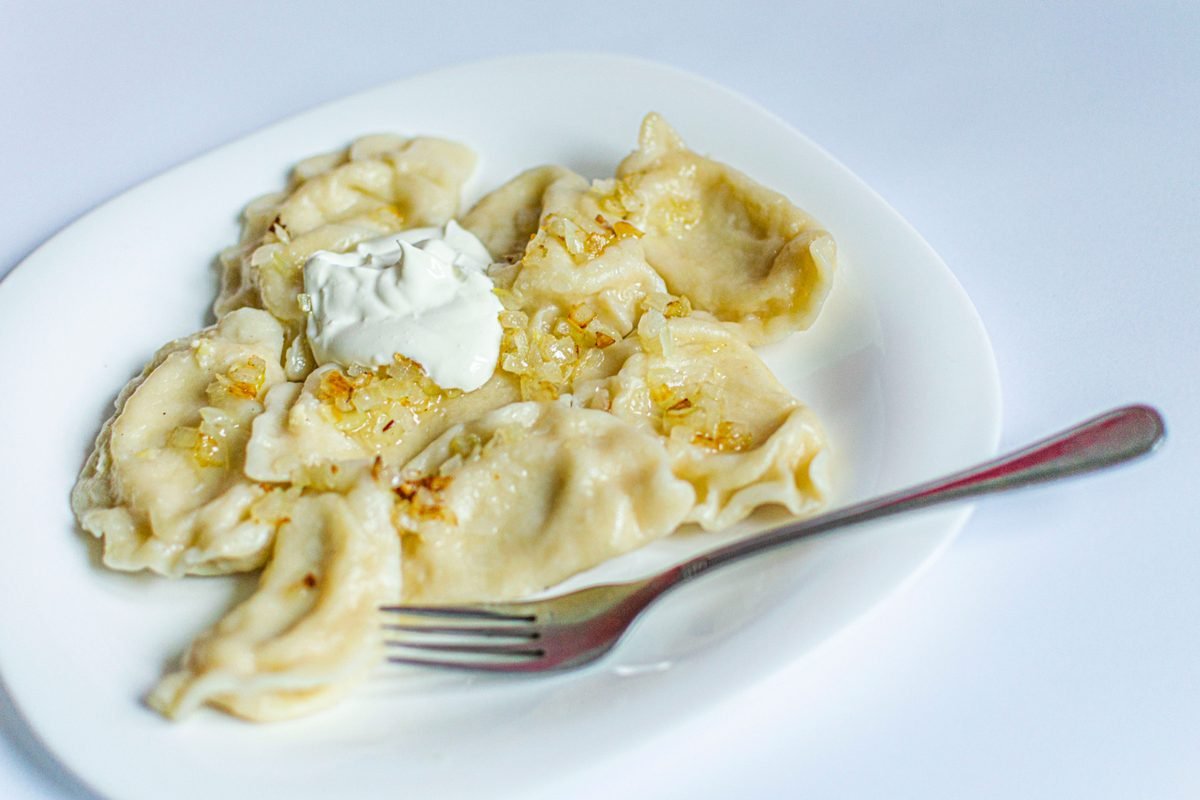
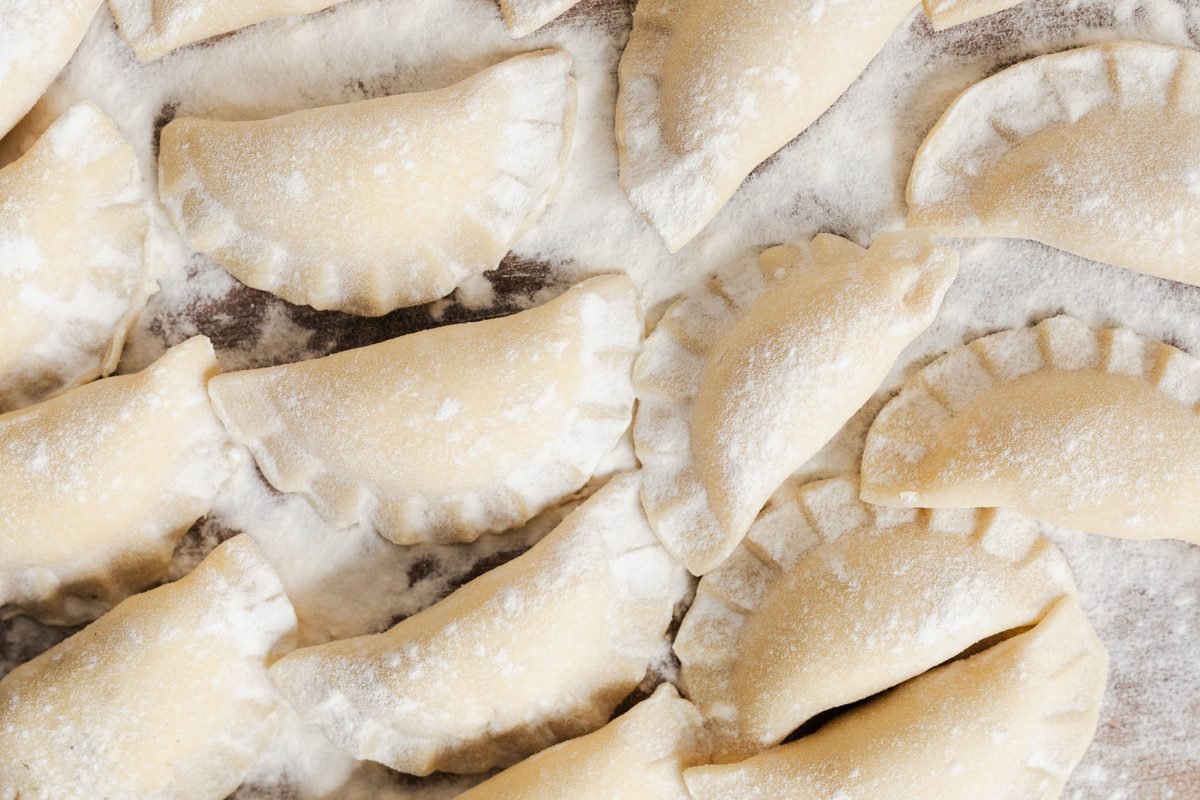
Krakow offers exceptional value when it comes to dining, ranging from historic state-subsidized canteens to contemporary Polish restaurants. To experience traditional cooking at accessible prices, seek out a bar mleczny (milk bar). Dating back to the Communist era, these self-service cafeterias serve hearty Polish staples like borscht, cabbage rolls, and pierogi. A plate of homemade pierogi stuffed with potato and cheese (pierogi ruskie) or minced meat typically costs between zł 18 and zł 25 (about $4.50 to $6.25). Notable central milk bars include Bar Mleczny Pod Temidą on Grodzka Street and Bar Mleczny Targowy near Kazimierz.
Beyond cafeteria dining, Krakow has a rich culinary scene focused on seasonal regional ingredients. Traditional meals often feature żurek, a sour rye soup cooked with marjoram, boiled eggs, and smoked sausage, often served inside a hollowed-out loaf of sourdough bread. A full bowl of żurek in a sit-down restaurant costs roughly zł 22 to zł 32 (about $5.50 to $8.00). For roasted duck or grilled trout, mid-range traditional dining rooms around Stare Miasto average zł 55 to zł 85 (about $13.75 to $21.25) per main dish.
Do not leave Krakow without trying a fresh obwarzanek krakowski from a street cart. These braided ring-shaped breads are boiled and baked before being topped with salt, poppy seeds, or sesame seeds. They hold protected geographical status within the European Union and cost just zł 3 to zł 4 (about $0.75 to $1.00). Look for blue mobile carts stationed near market square entrances. Bring local currency cash. Many small street carts do not accept card payments for minor purchases.
Practical tips for transit, currency, and airport transfers
Navigating Krakow requires minimal logistics, but keeping a few practical factors in mind ensures a smooth visit. Arriving via Kraków John Paul II International Airport (Balice) is straightforward. The direct airport train operated by Koleje Małopolskie runs every 30 minutes from the airport terminal directly to Kraków Główny central station. The ride takes 17 minutes and costs zł 17 (about $4.25). Tickets can be purchased from machines on the train platform or inside the carriage using debit or credit cards. Taxis and ride-hailing apps like Uber charge between zł 60 and zł 90 (about $15.00 to $22.50) for the same route depending on traffic.
Poland uses the Polish Złoty (PLN, symbol zł) rather than the Euro. While credit cards and mobile payments are accepted at almost all restaurants, museums, and supermarkets, keeping zł 50 to zł 100 in cash is helpful for street vendors, tipping, and smaller public restrooms. Avoid street exchange booths in the immediate center of Old Town, as their exchange rates often carry high hidden margins. Use bank-attached ATMs for cash withdrawals, and always select the option to be charged in local PLN currency rather than accepting automatic currency conversion.
Language barriers are rare in Krakow’s tourist areas. Most service workers, museum staff, and younger locals speak fluent English. While Krakow is safe for solo travelers, practice standard awareness in high-density areas like train stations or nightlife districts in Kazimierz. Tipping in sit-down restaurants is customary at around 10 percent for good service.
What it costs in Krakow
| Item | Local price | USD |
|---|---|---|
| Tram 20-minute single ticket | zł 4.00 | ($1.00) |
| St. Mary's Basilica entry | zł 15.00 | ($3.75) |
| Milk bar lunch (Bar Mleczny) | zł 25.00 | ($6.25) |
| Auschwitz Memorial guided tour | zł 110.00 | ($27.50) |
| Wieliczka Salt Mine adult ticket | zł 122.00 | ($30.50) |
| Mid-range hotel per night | zł 380.00 | ($95.00) |
| Estimated 2-day budget total | zł 750.00 | ($187.50) |
Prices checked October 2026. Always confirm with the provider before you book.
Where to stay in Krakow
Budget
Stare Miasto edge, for budget hostels near Kraków Główny station
Staying near the central railway station puts you within a ten-minute walk of the Main Market Square and provides immediate access to airport trains. Nightly rates for private rooms or dorm beds range from zł 120 to zł 240 (about $30 to $60).
Mid-range
Kazimierz, for boutique guesthouses near Plac Nowy
Kazimierz offers a quieter evening atmosphere filled with independent cafes, wine bars, and art galleries within walking distance of Stare Miasto. Comfortable mid-range hotel rooms in this quarter average zł 300 to zł 480 (about $75 to $120) per night.
Splurge
Planty Park ring, for luxury hotels bordering the Old Town
Hotels situated along the green belt surrounding the historic core offer quiet views while remaining seconds from Grodzka Street and Wawel Hill. Expect luxury historic properties to run between zł 650 and zł 1,100 (about $162 to $275) per night.
Mistakes to avoid
- Trying to combine both Auschwitz-Birkenau and the Wieliczka Salt Mine on the same day alongside city sightseeing.
- Failing to reserve Auschwitz entry tickets months in advance through the official museum portal.
- Accepting dynamic currency conversion (DCC) at ATMs or card readers instead of selecting payment in local PLN.
FAQ
Is a Krakow 2 day itinerary enough time to see the city?
Yes, a Krakow 2 day itinerary is sufficient to explore the Old Town, Wawel Hill, and Kazimierz thoroughly. If you plan to add long day trips to both Auschwitz and Wieliczka, adding a third day is highly recommended.
How do I get from Krakow airport to the city center?
The direct Koleje Małopolskie airport train runs every 30 minutes to Kraków Główny station. The journey takes 17 minutes and tickets cost zł 17 (about $4.25).
Do I need cash in Krakow or can I use card?
Contactless card payments are accepted almost everywhere in Krakow, including trams, restaurants, and museums. However, carrying zł 30 to zł 50 in cash is helpful for street food carts and public toilets.
How far in advance should I book Auschwitz tickets?
Book tickets at least two to three months in advance through the official museum site (visit.auschwitz.org). Entry passes are strictly timed and sell out quickly during peak seasons.
What is the best month to visit Krakow?
May, September, and October offer pleasant weather, smaller crowds, and comfortable walking conditions. December is also popular for the festive Christmas market in Rynek Główny.