South Korea Temple Stay Packing List: What to Bring

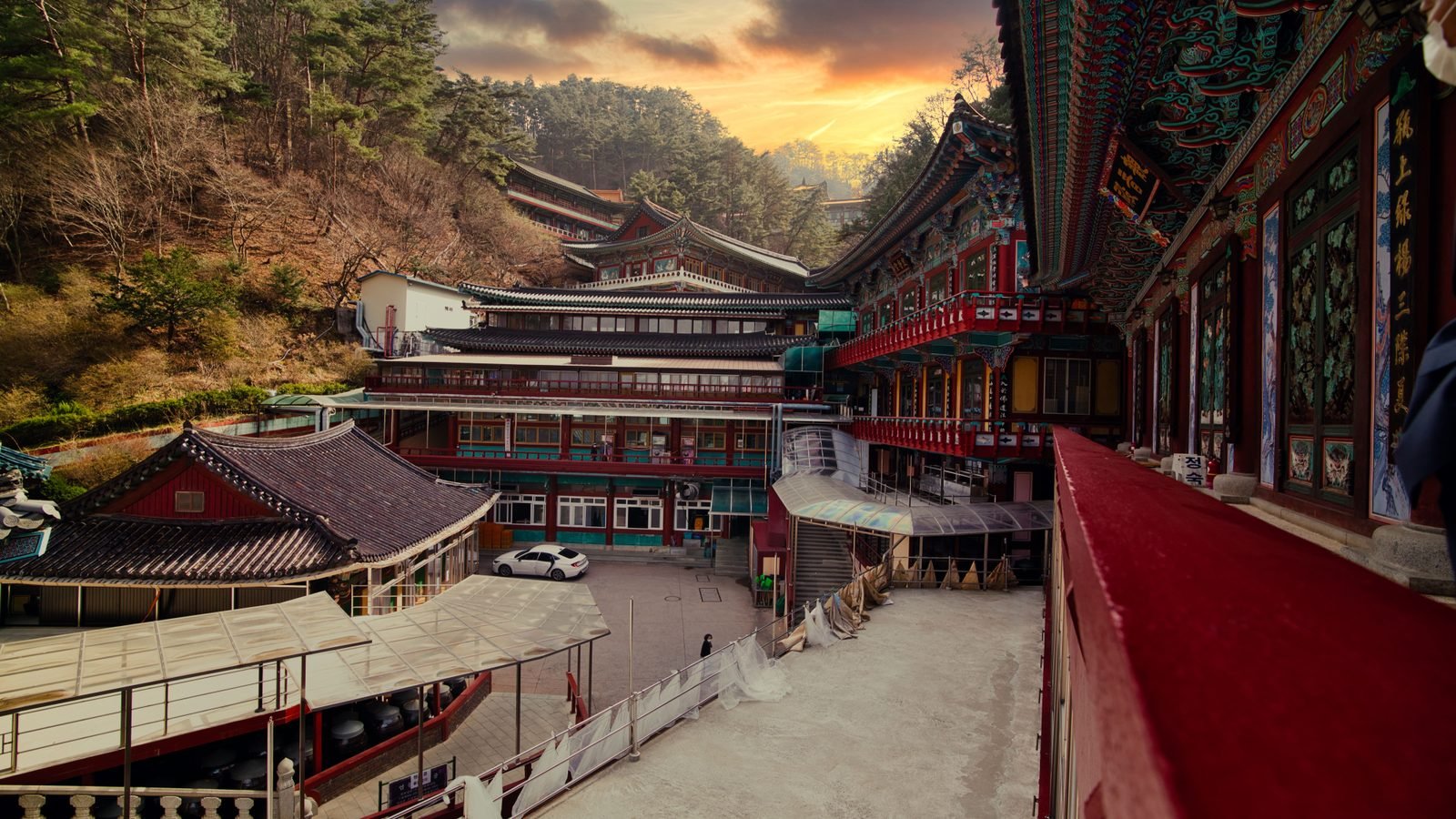
At 3:15 AM on a mountain slope in Gangwon-do, the temple bell rings eighteen times through freezing mountain air. You slide out from under a heavy cotton quilt on an ondol-heated floor, pull on your grey temple vest, and step into the silent courtyard for predawn chanting. If you packed jeans and running sneakers, your morning is going to be miserable.
A weekend at a Buddhist monastery is one of the most rewarding cultural experiences in Korea, but it requires a very specific set of gear. This South Korea temple stay packing list covers what monasteries provide, what you must bring yourself, strict hall etiquette, and how to stay comfortable through hundreds of full prostrations.
Complete South Korea Temple Stay Packing List
Packing for a temple stay is fundamentally different from packing for a weekend in Seoul. You are not styling outfits for city cafes or hauling rolling luggage across paved subway stations. Monasteries sit high in national parks, reached by steep stone staircases and gravel tracks. Rolling luggage is practically useless here; bring a comfortable 25 to 35-liter backpack instead.
Space inside temple dormitories is limited, and simplicity is part of monastic discipline. Pack light. You will spend almost the entire program wearing monastic clothing provided by the temple, so your street clothes will stay folded in your locker or luggage bag from arrival until departure.
Here is the core checklist of items you must pack yourself:
- Slip-on footwear: Low-cut shoes or sturdy slip-on clogs that slide on and off without hands.
- Three pairs of thick crew socks: Solid white, grey, or dark tones with no cartoon prints or ankle-cut openings.
- Two solid, crew-neck undershirts: Muted t-shirts or thermal tops to wear beneath the temple vest.
- Stretchy base layer pants: Thermal leggings or soft cotton lounge pants to wear under wide temple trousers.
- Compact quick-dry towel: Medium microfiber travel towel, as monasteries rarely issue bath towels.
- Personal toiletries in small bottles: Toothbrush, toothpaste, and biodegradable body wash.
- Warm insulating layer: Lightweight packable down jacket or thick fleece, essential outside of midsummer.
- Small personal daypack: For carrying water and notebooks to the meditation hall.
Before packing your bag, consult our Korea Travel Planning Checklist to ensure your transit cards and regional rail passes are sorted before heading into the mountains.
Tip: Leave the Rolling Suitcase Behind
Monastery paths consist of uneven river gravel, steep dirt paths, and ancient granite steps. A soft backpack saves your wrists and avoids loud clattering wheels in quiet temple precincts.
Provided Temple Clothes: What You Get and What to Wear Underneath
Almost every monastic stay run by the Cultural Corps of Korean Buddhism issues participants a temple uniform upon registration. This set consists of loose cotton or polyester pants known as baji and a sleeveless vest called a chokki. During winter months, some temples supply a long-sleeved jacket instead of a vest. These garments come in subdued monastic shades: slate grey, oatmeal, clay brown, or dusty indigo.
You must wear this uniform during all official program activities, including communal meals, tea ceremonies, morning and evening chanting services, and seated meditation. However, the uniform is outer wear, not a complete standalone outfit. The vest is sleeveless and cuts wide at the neck and armpits. The trousers feature a roomy drop crotch and drawstring waist, designed to allow deep seated cross-legged postures without restricting blood flow.
What you wear underneath matters enormously. You must bring short or long-sleeved shirts with high crew necks in muted, neutral tones like dark grey, navy, white, or black. Tank tops, scoop-neck shirts, crop tops, and graphic t-shirts with loud slogans are strictly disrespectful. In autumn, winter, and early spring, pair your undershirts with quality thermal base layers. Uniqlo Heattech tops or merino wool shirts work brilliantly. Under the wide trousers, wear flexible leggings or soft sweatpants. Stiff denim jeans will pinch your thighs raw during meditation.
Ensure your base layers are completely clean and free of heavy laundry scents. Monks and fellow meditators spend hours in enclosed, quiet rooms where synthetic perfumes can cause headaches. If you have not booked your program yet, read our detailed Korean temple stay guide to understand how different experiential and monastic programs operate.
From a local: Drawstring Sizing Tip
Temple trousers are deliberately oversized to accommodate prostrations. If your waist is slim, pack a safety pin or an elastic cord lock to keep the thick cotton waistband secure during bowing.
Footwear Rules and Sock Etiquette for Wooden Halls
Footwear is the single biggest logistical headache for first-time visitors at Korean temples. Over the course of twenty-four hours, you will take your shoes off and put them back on at least thirty times. You remove your shoes when entering the Main Buddha Hall (Daeungjeon), the dining hall (Gongyanggan), the tea ceremony pavilion, and your private or communal sleeping quarters.
Slip-on shoes are non-negotiable. If you arrive in high-top hiking boots with intricate speed hooks, you will spend half your weekend holding up queues outside temple halls. Bring supportive slip-on walking shoes, clean trail clogs, or sneakers with collapsible heels. The shoes must have decent outdoor tread, because monastery grounds involve slippery wet stone paths, gravel inclines, and wooden walkways.
Inside the wooden halls, a strict sock rule applies. Bare feet are offensive in Korean Buddhist architecture. Entering any worship hall, meditation pavilion, or dining room with exposed toes or bare heels violates basic temple etiquette. Even during sweltering August heat waves, every participant must wear clean socks.
Pack at least three pairs of thick, high-crew cotton or wool socks. Ankle socks that slip below your shoe collar or no-show athletic socks are unacceptable, as bare skin around the ankles should remain covered while sitting cross-legged. Choose plain white, charcoal, or dark navy socks. Leave bright novelty patterns at home. Thick socks also serve a vital physical purpose: ancient wooden temple floors are unheated, and pine planks leech body heat straight through your soles during forty minutes of motionless meditation.
Understanding these subtle physical boundaries is a core part of Korean decorum; our overview of Korean Etiquette for Travelers breaks down broader customs for bowing, dining, and entering sacred structures across the peninsula.
Heads up: Never Step on the Wooden Threshold
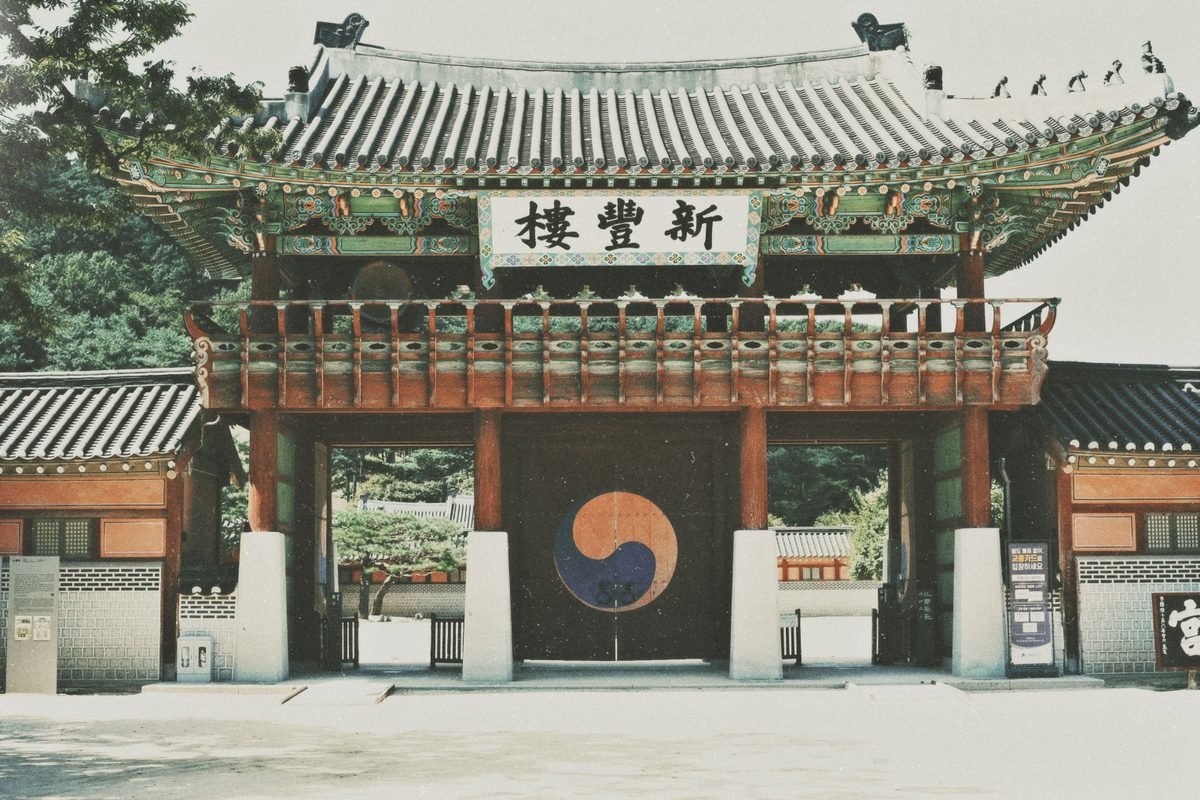
Always step cleanly over the raised wooden doorsill (munteok) when entering temple halls. Stepping on the threshold is considered disrespectful to the temple spirits and damages ancient wood.
Dressing for Morning Chanting and Mountain Weather
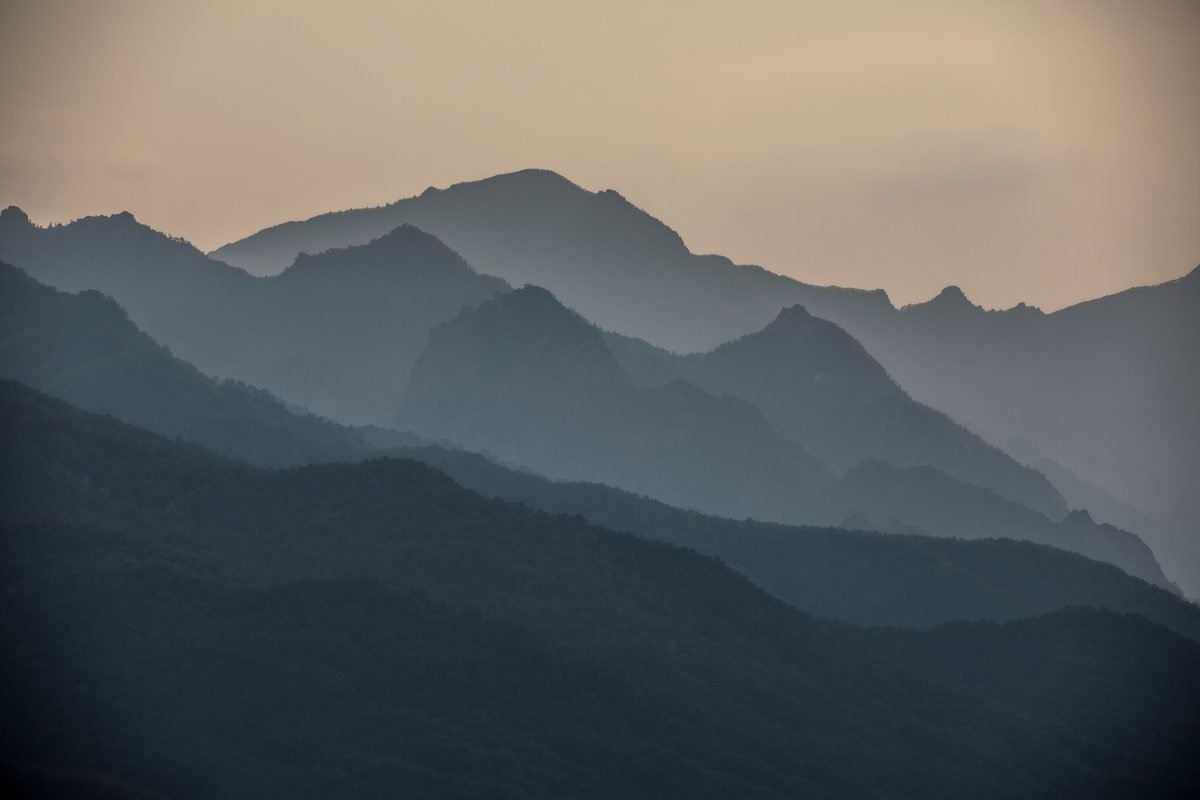
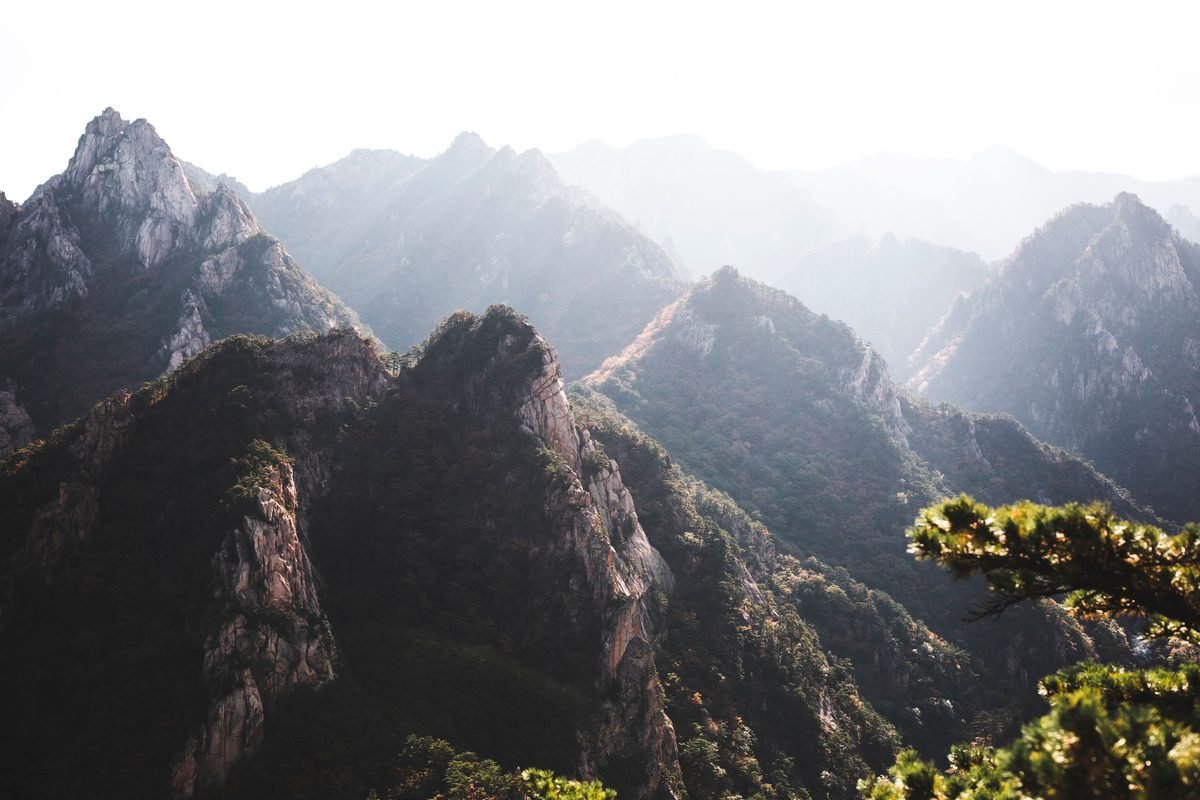
Morning Buddhist service, known as Yebul, generally takes place between 3:30 AM and 4:30 AM. Monasteries sit inside forested valleys where microclimates run anywhere from 5°C to 10°C (9°F to 18°F) colder than nearby cities. In mountain regions like Odaesan, Seoraksan, or Jirisan, predawn temperatures can dip near freezing even in May or October.
Temples get bitterly cold. The Main Buddha Hall keeps its sliding paper-and-wood lattice doors wide open during the pre-dawn ritual so monks can sound the giant dharma drum, wooden fish, cloud gong, and bronze bell across the mountain valley. You will be standing and kneeling on wooden floorboards with outside mountain drafts blowing directly across your neck.
Dressing for Yebul requires smart, silent layering. Do not wear noisy nylon shells or squeaky waterproof rain jackets that rustle every time you take a breath; the hall is completely silent between chanting rounds. A soft fleece jacket or an ultralight packable down jacket worn over your thermal base layer and under your temple vest is the ideal setup.
During winter months (November through March), pack a warm wool beanie, glove liners, and thermal leggings. While hats and heavy outer jackets are generally removed once you step inside the worship hall, keeping warm during the ten-minute walk across the dark, icy temple grounds prevents morning sickness. Bring a small, quiet penlight or headlamp with a dim red-light mode so you can navigate stone steps in the pitch dark without blinding meditating monks.
Tip: Silent Fabrics Only
Leave noisy hardshell Gore-Tex jackets in your room during morning meditation. Soft-shell fleeces, merino wool, and quiet cotton blends keep you warm without disturbing the sacred quiet of the hall.
Toiletries, Towels, and Sleeping on Ondol Floors
Accommodations at Korean temples are peaceful, immaculate, and deliberately spartan. You will sleep on traditional ondol floors (heated stone and sub-floor piping) using a thin cotton sleeping pad called a yo, a thick duvet (ibul), and a firm pillow filled with buckwheat hulls. While modern ondol systems keep the floor pleasantly toasty, the padding is thin. If you have severe lower-back issues, consider bringing an ultralight inflatable backpacking pad to place beneath your yo.
Bathrooms vary by temple. Some newer complexes offer private ensuite wet rooms, while historic mountain hermitages feature communal washrooms located a short walk across the courtyard. Monasteries do not provide hotel amenities. You will almost never find bath towels, hair dryers, razors, or small shampoo bottles waiting for you.
Pack the following personal hygiene supplies:
- Quick-drying microfiber camp towel: Normal bath towels will not dry in damp mountain air before your departure.
- Toothbrush and travel toothpaste: Monastic dining concludes with meticulous teeth brushing; bring your own kit.
- Mild, biodegradable soap and shampoo: Many temples drain greywater into mountain streams; pack eco-friendly solids.
- Foam earplugs and sleeping eye mask: Paper sliding doors (hanji) offer zero soundproofing against snoring dorm mates or predawn birds.
- Lip balm and moisturizing cream: Mountain winds and heated indoor ondol floors dry out skin rapidly overnight.
- Compact plastic bag: For carrying damp toiletries and wet towels back to your bag.
Do not bring bright makeup. Monastic environments prioritize modesty and inner focus, so heavy cosmetics, hair straighteners, and pungent colognes are entirely out of place.
Modesty Requirements and Respectful Bowing Etiquette
A temple stay is not a mountain resort retreat; it is an active monastery operating under monastic rules established over a millennium ago. Behavior, attire, and physical movement fall under the concept of yejeol (temple etiquette). Silence is expected. In shared courtyards, keep conversation low and hold your hands in the hapjang posture (palms pressed flat together at chest height) whenever passing an ordained monk or nun.
Clothing modesty rules are non-negotiable across every sect of Korean Buddhism. Even during personal downtime in your sleeping quarters or walking the surrounding forest trails, dress respectfully:
- Shoulders, armpits, and upper arms must remain covered at all times.
- Shorts, capri pants, and skirts are banned across the entire complex.
- Transparent fabrics, tight workout yoga tights, and skin-tight leggings worn without outer covering are prohibited.
- Hats and sunglasses must be removed immediately before crossing into any hall.
- Phones must remain on total silent mode (vibrate off) and kept inside pockets during rituals.
One of the hallmark activities of experiential programs is completing the 108 prostrations (baekpalbae). This practice involves lowering your body from standing onto your knees, touching your forehead to the floor mat, lifting your upturned palms beside your ears, and standing back up—repeated 108 consecutive times. The entire ritual takes roughly thirty to forty minutes.
To survive 108 prostrations, your clothing must have plenty of stretch around the knees and hips. Loose temple trousers paired with flexible undergarments prevent painful friction burns on your kneecaps. If you have chronic knee injuries, bring a pair of soft volleyball knee sleeves or neoprene knee braces to wear beneath your pants. The monks will provide a soft fabric mat (bangseok), but the repetitive strain on unconditioned joints is intense.
Book ahead: Book Your Dates Early for Autumn Foliage
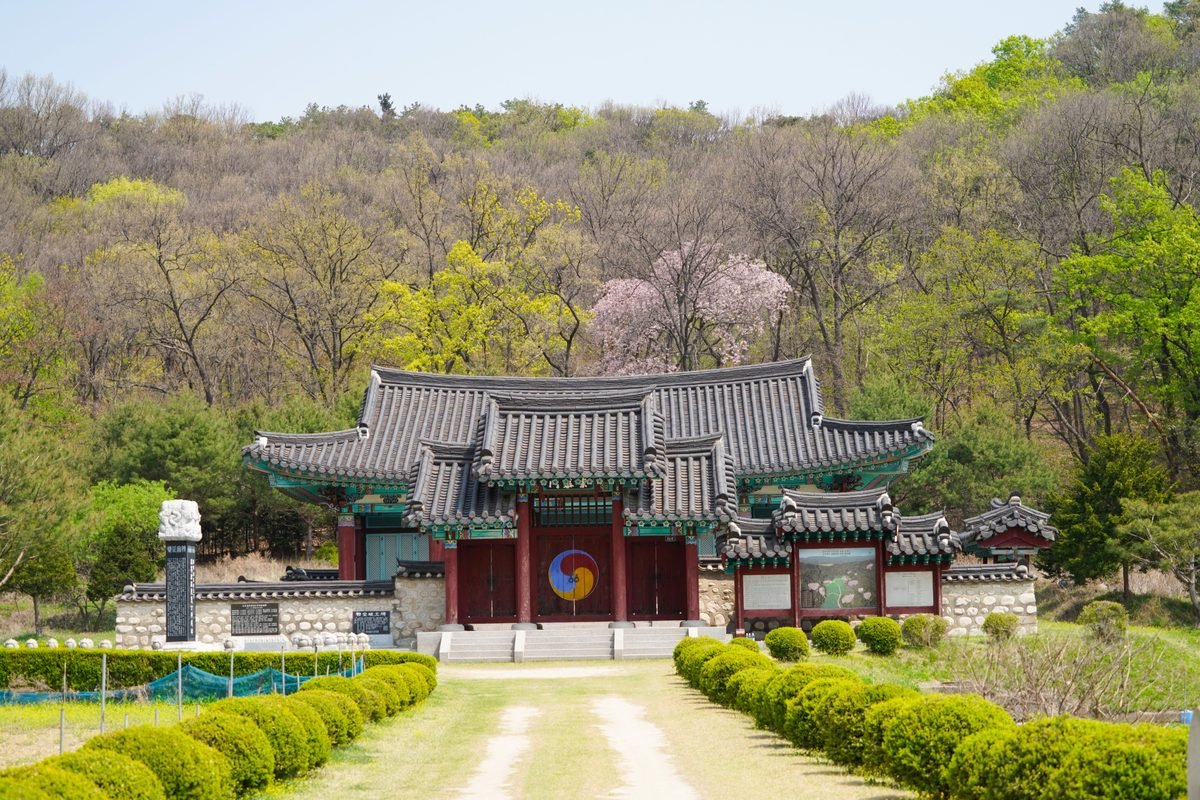
Temple stays in popular national park locations like Woljeongsa and Haeinsa book out four to six weeks ahead for October weekend programs. Reserve through the official templestay.com portal.
What it costs in South Korea
| Item | Local price | USD |
|---|---|---|
| Standard Experiential Temple Stay Program (1 Night) | ₩70,000–₩100,000 | $52–$75 |
| Slip-on Trail Walking Shoes or Clogs | ₩35,000–₩60,000 | $26–$45 |
| Pack of 3 Pairs High-Crew Plain Cotton Socks | ₩6,000 | $4.50 |
| Thermal Base Layer Undershirt (Muted Color) | ₩25,000–₩45,000 | $19–$34 |
| Compact Quick-Dry Microfiber Towel | ₩10,000 | $7.50 |
| Neoprene Knee Sleeves for 108 Prostrations | ₩15,000 | $11 |
| Estimated Total for Program and Dedicated Packing Gear | ₩161,000–₩236,000 | $120–$177 |
Prices checked October 2026. Always confirm with the provider before you book.
Mistakes to avoid
- Wearing ankle-cut or no-show socks, which leaves skin exposed and violates temple dress codes inside the Main Buddha Hall.
- Bringing lace-up hiking boots that require untying and re-tying every time you step in and out of a monastery building.
- Relying on temple-provided bath towels; almost no Korean temple provides towels, hair dryers, or toiletries beyond basic soap.
- Wearing loud, crinkly nylon rain jackets or synthetic clothes that rustle and shatter the silence during predawn meditation.
- Assuming the ondol heated floor eliminates the need for warm clothing during 4:00 AM chanting when hall doors are kept wide open.
FAQ
What is the single most critical item on a South Korea temple stay packing list?
Hands down, it is high-crew plain socks combined with easy slip-on shoes. You will step out of your footwear dozens of times per day, and walking barefoot inside traditional wooden prayer halls is strictly prohibited.
Do Korean temples provide towels and shampoo?
No, temples almost never provide personal bath towels, shampoo, conditioner, or toothbrushes. You must pack your own quick-drying travel towel and eco-friendly toiletries in compact leak-proof bottles.
Can I wear my own clothes instead of the temple uniform?
During official program hours—such as communal meals, tea ceremonies, temple tours, and meditation sessions—wearing the provided vest and trousers is mandatory. You may only wear your own modest lounge clothing inside your private room during rest periods.
How cold do Korean temple rooms get at night?
Rooms are fitted with ondol underfloor heating, meaning the floor itself stays warm and cozy throughout the night. However, historic wooden walls and paper lattice doors can feel drafty, and predawn walks to the prayer hall are freezing, making thermal base layers essential.