Pohang Jukdo Market Live Crab Guide: Eat Like a Local

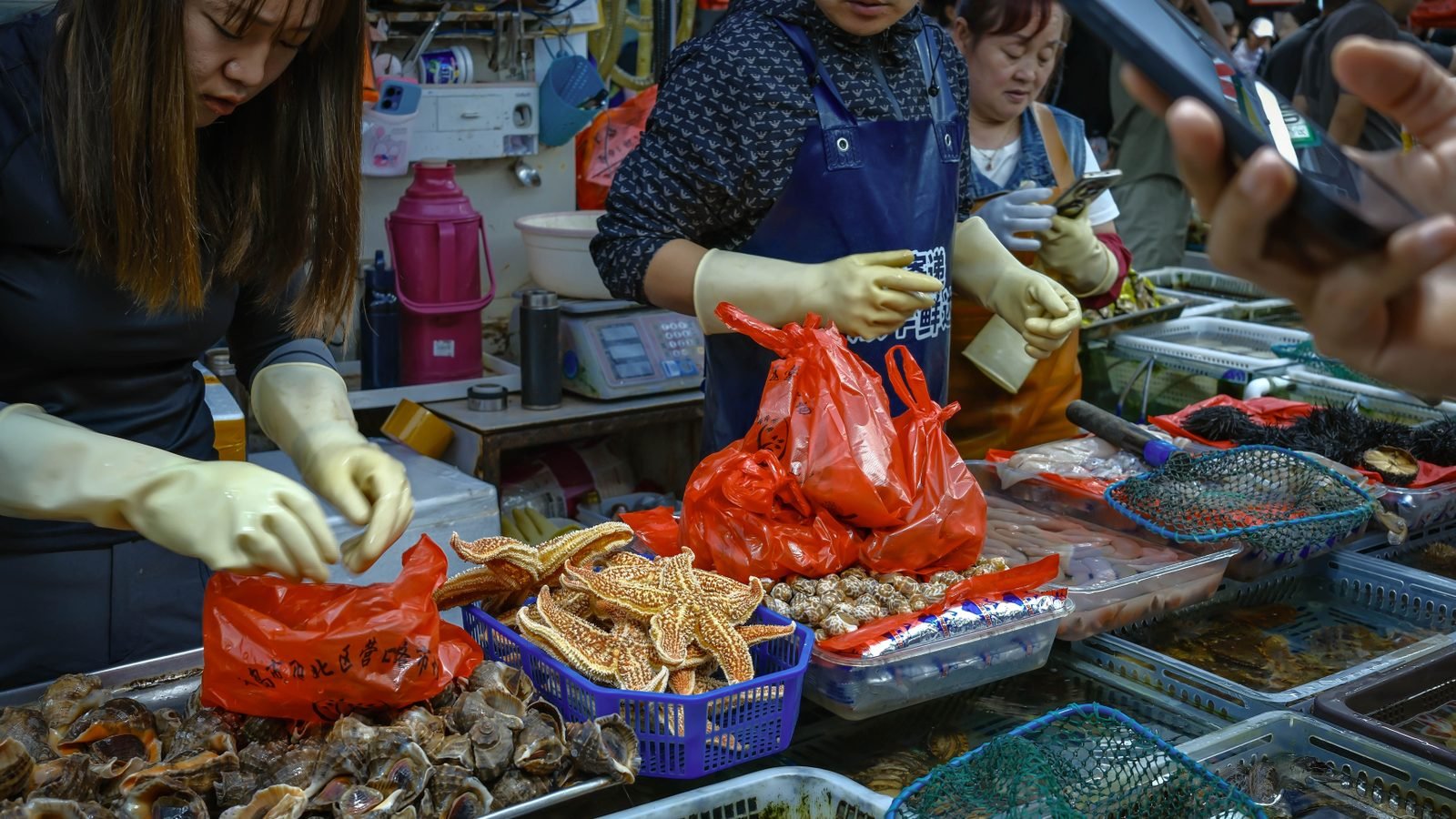
The smell of salt and diesel hits you long before you see the water. It is 5:30 AM in Pohang, and the damp concrete of Jukdo Market is already slick with runoff from hundreds of melting ice crates. While most travelers stick to the neon lights of Seoul, I find myself drawn back here whenever the temperature drops. This is the largest traditional market in the Gyeongsang region, and it is the undisputed capital of the Korean snow crab trade. This Pohang Jukdo Market live crab guide covers everything you need to know about the winter harvest.
I have visited this market dozens of times to navigate the narrow alleys where vendors shout prices over the sound of air pumps. For independent travelers, the scale of the place can be overwhelming. This guide will walk you through the specifics of identifying the best catch, understanding the restaurant fees, and timing your visit to catch the morning auction. We will also cover the logistics of getting here from other major Korean cities.
What first timers should know about Jukdo Market crab
Walking into the seafood section of Jukdo Market is a sensory overload. Rows of glass tanks are filled with spindly legs and hard shells. To navigate this like a local, you must first distinguish between the two main types of crab sold here. The domestic snow crab, known as daege, is the prize of the East Sea. It is lighter in color, usually a sandy brown, and is prized for its sweet, delicate meat. The other common variety is the red snow crab, or hongge. These are deep red even when raw and are generally cheaper, though their flavor is more intense and salty.
When you are selecting your catch, do not just look at the size. Pick up the crab if the vendor allows it. A good crab should feel heavy for its size, indicating it is full of meat rather than just water. Check the underside; the belly should be firm and slightly off-white, not translucent. I always look for crabs that are active in the tank. If a crab is lethargic or losing legs, move to the next stall. The premium crabs are often labeled as “Park-dal” daege. These carry a green or gold plastic tag on one leg, certifying they are high-grade domestic catches with a meat yield of over 90 percent.
Prices fluctuate daily based on the catch. In October 2026, you can expect to pay anywhere from ₩50,000 (about $37) for a small-to-medium domestic crab, with a solid medium running closer to ₩60,000 (about $45), up to over ₩150,000 (about $112) for a large, certified Park-dal specimen. Always ask for the price per crab rather than just by weight, as this makes it easier to track your total spend. If you are buying three or more, it is perfectly acceptable to ask for a few “service” items, such as a handful of steamed clams or shrimp, to be thrown into the pot for free.
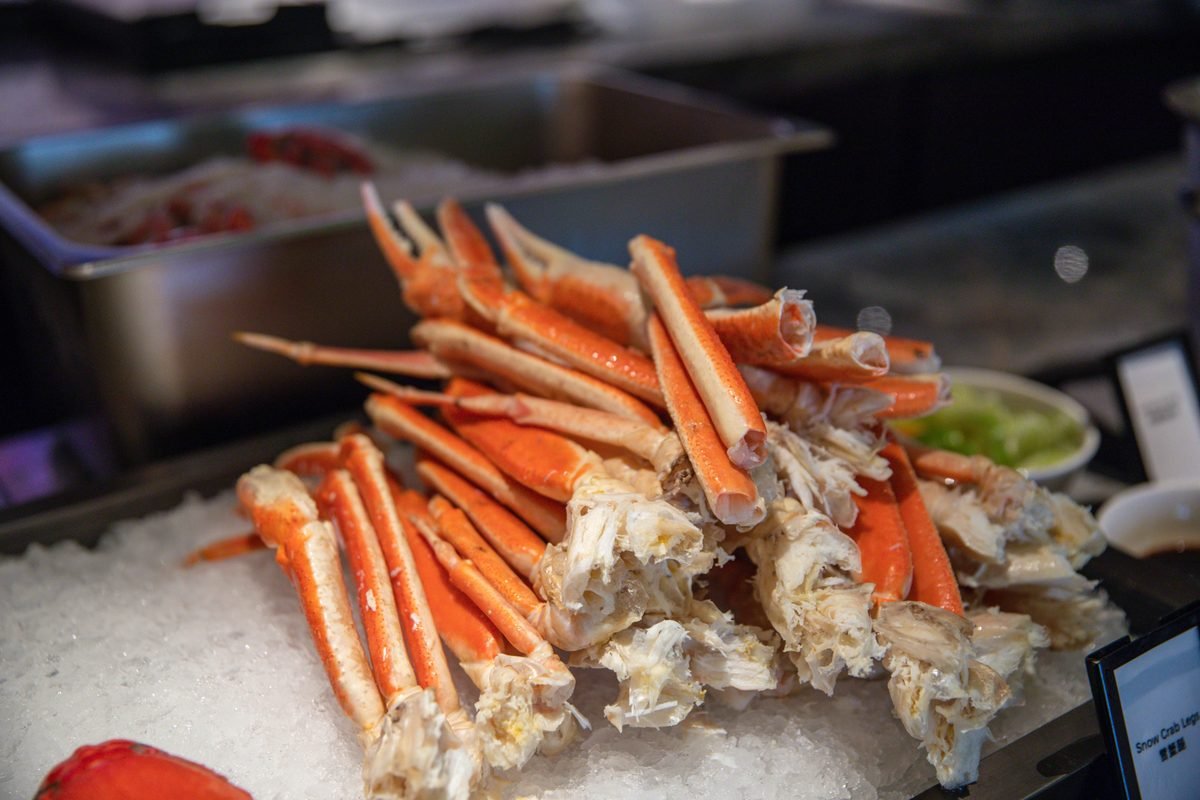
From a local: Look for the Green Tag
The green plastic tag on a crab’s leg isn’t just for show; it is a government-verified seal for the highest quality domestic snow crab. If you want the best meat-to-shell ratio, these are worth the extra cost.
How to get to Pohang from Seoul or Busan
Pohang is well-connected to the rest of the country, making it a viable addition to a Seoul to Busan KTX guide or a standalone trip. From Seoul Station, the KTX-Sancheon takes about 2 hours and 30 minutes to reach Pohang Station. A standard seat costs ₩53,200 (about $40). There are roughly 15 to 20 trains per day, so booking a day or two in advance is usually sufficient unless you are traveling on a weekend or a public holiday. Once you arrive at Pohang Station, you are still about 20 minutes north of the market. I recommend taking a taxi for about ₩9,000 (about $7) or catching city bus 107 or 500, which drops you near the main market entrance.
If you are coming from Busan, the journey is even shorter. You can take a KTX from Busan Station, but it often requires a transfer at Singyeongju Station. A more direct and frequent option is the intercity bus from Busan Central Bus Terminal (Nopo Station) or the Seobu Terminal in Sasang. These buses run every 15-30 minutes and cost roughly ₩11,000 (about $8). The bus takes about 1 hour and 20 minutes. The Pohang Intercity Bus Terminal is located south of the city center, and from there, a short 10-minute taxi or a 15-minute bus ride on route 206 will get you to Jukdo Market.
For those driving, the market has several large parking structures, but they fill up quickly by 11:00 AM. I find it much easier to use public transit and avoid the narrow, one-way streets surrounding the market area. If you are staying in nearby Gyeongju, there are also frequent local buses and a short train ride that makes a Pohang and Guryongpo day trip guide easy to execute from a Gyeongju home base.
When to visit for the best snow crab
Timing is everything when it comes to the crab trade. While Jukdo Market is open year-round, the official snow crab season in Gyeongsangbuk-do typically runs from November through May. During the summer months, there is a ban on catching domestic snow crab to allow the population to recover. If you visit in July or August, the crabs you see in the tanks are almost certainly imported from Russia. They are still high quality, but you will miss out on the local varieties that Pohang is famous for. I personally find February and March to be the peak months, as the crabs are at their heaviest before the spring spawning begins.
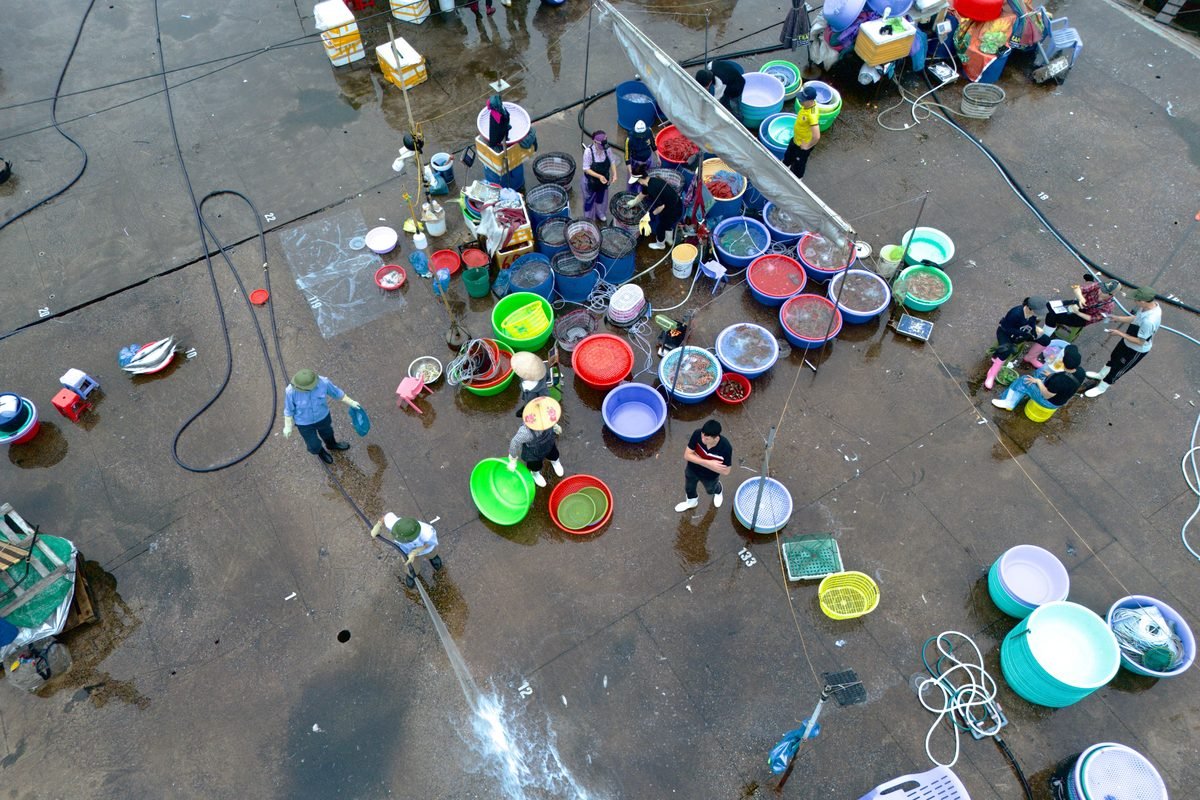
To see the market at its most raw and energetic, you need to arrive early. The wholesale fish auction starts around 5:00 AM at the pier side of the market. This is where the trawlers unload their overnight catch and wholesalers bid with rapid-fire hand signals. It is not a place for casual browsing—you need to stay out of the way of the moving carts—but it is the best way to see the sheer volume of seafood moving through the city. By 8:00 AM, the auction is over, and the action shifts to the retail stalls where you will be doing your shopping.
If you prefer a quieter experience, mid-week visits are far superior to weekends. On Saturdays and Sundays, the market is packed with domestic tourists from Daegu and Busan, and prices can lean slightly higher due to the demand. Most retail stalls open by 9:00 AM and stay open until 9:00 PM, though the selection of the best crabs starts to thin out by late afternoon. Note that some stalls take a rotating rest day on the first and third Sunday of each month, but because the market is so large, you will always find plenty of options open.
Tip: Morning Auction Etiquette
If you visit the 5:00 AM auction, wear waterproof shoes and stay close to the walls. The floor is very slippery, and the wholesalers move fast with heavy carts.
How the market restaurant system works
Once you have selected your crab at a ground-floor stall, you don’t just take it home in a bag. Most visitors head to the second-floor “sauce houses” or chojang-jip. The vendor will place your crabs in a numbered basket and lead you to a partner restaurant. This system allows you to eat the freshest possible seafood without the stall owner needing a full kitchen. You will pay a basic setting fee, known as sangcharimbi, which is usually ₩5,000 (about $4) per person. This covers your seat, water, and an array of side dishes like corn cheese, seaweed soup, and pickled vegetables.
The most important part of the process is the steaming fee. Most restaurants charge about ₩7,000 to ₩10,000 (about $5 to $8) to steam your crabs. It takes roughly 20 to 30 minutes for the crab to cook. When it arrives at your table, it will often be pre-cut by the staff to make the meat easier to extract. You will be given a small, thin metal fork designed specifically for scraping meat out of the legs. Do not rush this; the best meat is often tucked into the joints. I recommend starting with the legs while they are hot and saving the body for last.
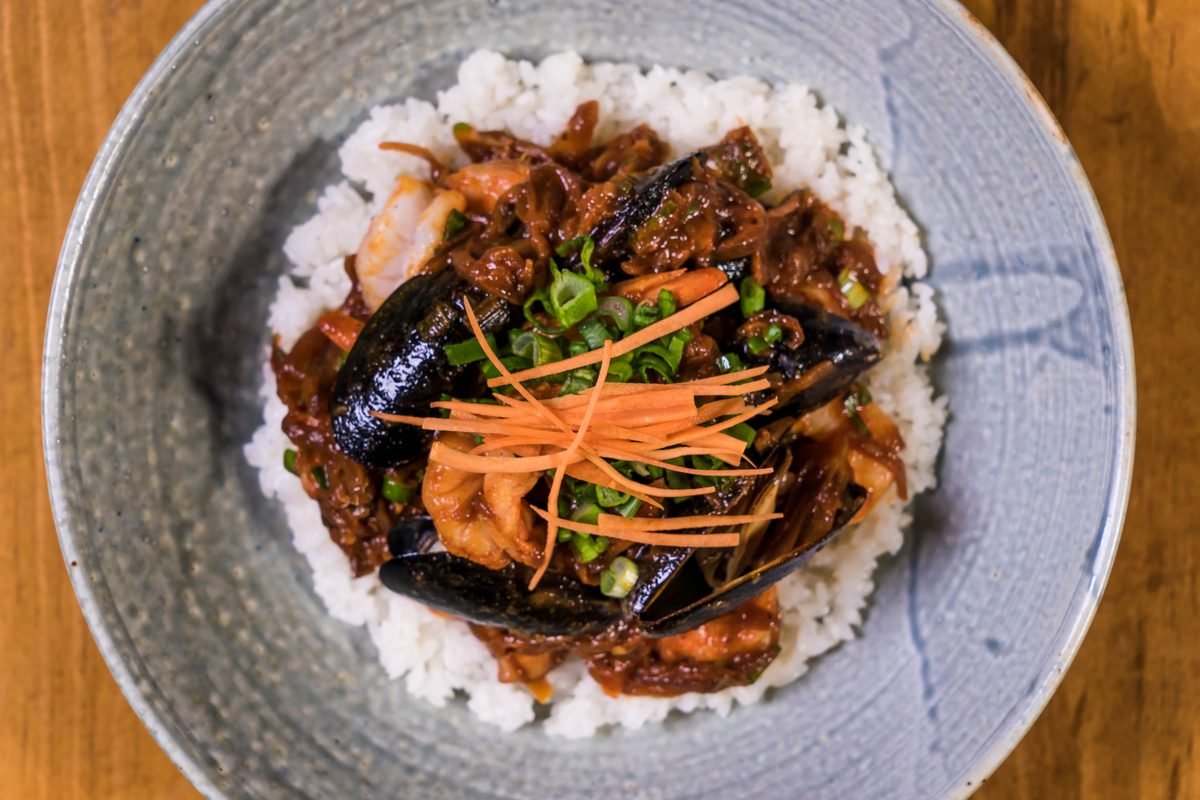
The highlight of the meal for many locals is the ge-ttakji bokkeumbap, or crab shell fried rice. When you are nearly finished, the server will take the top shells of your crabs—which contain the rich, savory innards and tomalley—back to the kitchen. They mix this with rice, seaweed, sesame oil, and sometimes flying fish roe, then pack it back into the shell. This usually costs an extra ₩3,000 (about $2) per shell. It is the richest part of the meal and is best paired with the spicy fish stew (maeuntang) that many restaurants provide at the end of the course.
Book ahead: Weekend Restaurant Wait Times
On weekends between 12:00 PM and 2:00 PM, the popular upstairs restaurants can have a 40-minute wait. Try to eat an early lunch at 11:00 AM to skip the queue.
What to eat at Jukdo Market besides crab
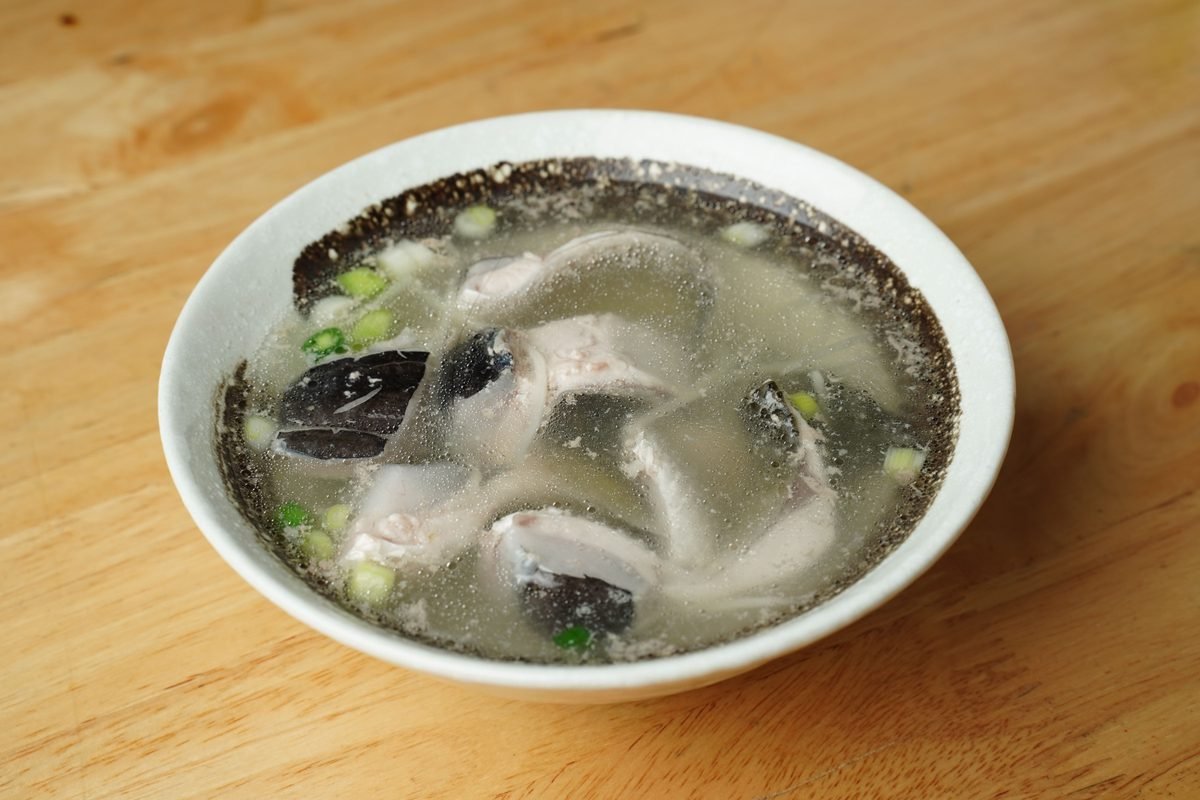
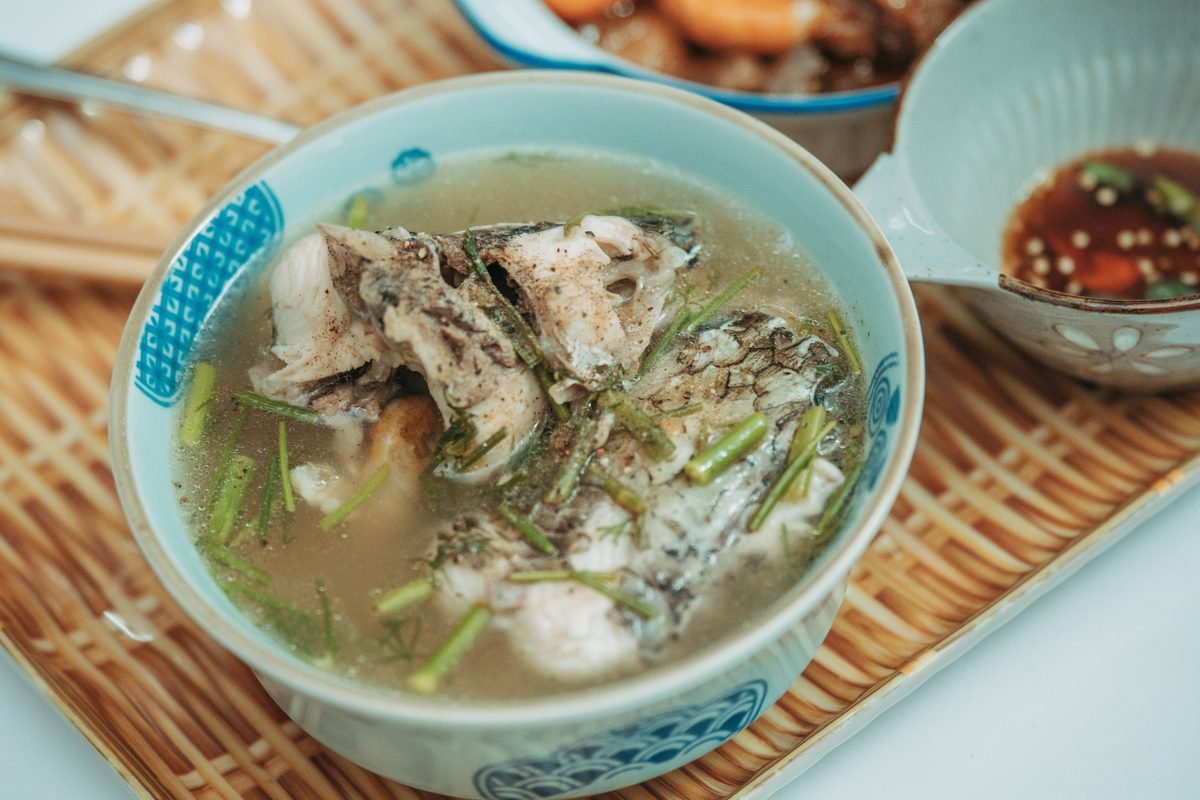
While crab is the main draw, Jukdo Market is a massive complex with several specialized food alleys. If you are a fan of raw fish, you must try the Pohang specialty: mulhoe. Unlike the Busan seafood market and raw fish guide versions which often use a slushy, sweet broth, traditional Pohang mulhoe is served as a bowl of sliced raw fish, vegetables, and a dollop of spicy gochujang. You mix it first to let the juices of the fish and vegetables create a thick sauce, then add cold water or ice cubes to your liking. A bowl typically costs ₩17,000 (about $13) and is incredibly refreshing on a humid day.
If you are on a budget, head to the Sujaebi Alley. Tucked away in the central part of the market, this row of small stalls specializes in sujaebi (hand-torn noodle soup) and kalguksu (knife-cut noodles). For about ₩6,000 (about $4.50), you get a massive, steaming bowl of noodles in a deep anchovy broth. It is a favorite among the market vendors and is one of the best value meals in the city. The atmosphere here is loud and communal, with diners squeezed onto low stools around the cooking vats.
For snacks, look for the stalls selling pajeon (seafood pancakes) or the famous Pohang gwamegi during the winter months. Gwamegi is half-dried Pacific herring or saury, a local winter delicacy. It has a chewy texture and a very strong, fishy flavor that locals love, usually eaten wrapped in seaweed with garlic and chives. If that is too adventurous, the market also has excellent street food options like hotteok (sweet pancakes) and giant fried squid legs for a few thousand won.
Practical tips for navigating the market
Jukdo Market is a maze of over 1,200 shops. To avoid getting lost, I recommend using the main gate near Chilseong-ro as your landmark. Most of the live seafood is concentrated on the eastern side, near the water, while the dry goods and clothing sections are further inland. If you have a transit card, you can use it on all Pohang city buses, which charge a flat fare of ₩1,300 in cash, or ₩1,200 (about $0.90) if you tap a transit card — Pohang has held its bus fare at that level since 2016 and it is the cheapest in the province. For navigation, Naver Map is significantly more accurate than other apps for finding specific market exits and bus stops.
When it comes to payment, almost all fixed-location restaurants and major crab stalls will accept international credit cards. However, the smaller vegetable stalls and street food vendors in the middle of the market are strictly cash-only. I always carry about ₩50,000 in cash just in case. If you are buying live crab to take away, the vendors will pack it in a heavy-duty styrofoam box with ice. These are remarkably sturdy and can usually survive a KTX trip back to Seoul, though you should check with your accommodation first if you plan to cook them there.
Finally, dress for the environment. Even in the dry goods section, the floors can be damp from cleaning. Avoid wearing long skirts or expensive sneakers that you don’t want to get fishy water on. The market is a working environment, not a tourist museum, so be prepared for a bit of grit. If you find the noise and smells too much, the Yeongildae Beach area is just a 10-minute taxi ride away, offering a more relaxed coastal vibe with plenty of modern cafes where you can decompress after your market feast.
Heads up: Wet Floors and Heavy Carts
Watch your feet in the seafood alleys. Vendors often spray down the floors with hoses, and delivery scooters frequently zip through the narrow paths without much warning.
What it costs in Pohang
| Item | Local price | USD |
|---|---|---|
| KTX Seoul to Pohang (Standard) | ₩53,200 | $39.96 |
| Domestic Snow Crab (Medium) | ₩60,000 | $45.06 |
| Restaurant Setting Fee (per person) | ₩5,000 | $3.76 |
| Crab Steaming Fee | ₩7,000 | $5.26 |
| Shell Fried Rice (per shell) | ₩3,000 | $2.25 |
| Pohang Mulhoe (Raw Fish Soup) | ₩17,000 | $12.77 |
| Total for one person feast | ₩145,200 | $109.06 |
Prices checked October 2026. Always confirm with the provider before you book.
Where to stay in Pohang
Budget
Pohang Intercity Bus Terminal area
This area is packed with affordable business hotels and motels within walking distance of the terminal. You can find clean, functional rooms for ₩45,000 to ₩65,000 per night.
Mid-range
Yeongildae Beach
This is the most popular area for visitors, offering views of the sea and the POSCO steel mill lights. Expect to pay ₩90,000 to ₩140,000 for a hotel with a balcony.
Splurge
Nam-gu, near the Pohang Canal
For a quieter stay, look for high-end boutique hotels near the canal or the Hyoja-dong district. Nightly rates here often exceed ₩200,000 for luxury suites.
Mistakes to avoid
- Buying the first crab you see at the market entrance without checking prices deeper in the alleys.
- Forgetting to ask for ‘service’ (extra clams or shrimp) when buying multiple crabs.
- Mistaking red snow crab (hongge) for the more expensive domestic snow crab (daege).
- Wearing expensive or non-waterproof shoes to the seafood section.
- Arriving after 6:00 PM and expecting to see the best selection of domestic catch.
FAQ
When is the best month to visit Jukdo Market for snow crab?
The best time is from December to March. This is when the domestic snow crab (daege) is in peak season and the meat yield is at its highest before the spring spawning begins.
Can I pay for my crab and restaurant fees with a credit card?
Yes, almost all established stalls and upstairs restaurants accept international credit cards. However, small street food vendors and vegetable sellers in the market interior usually prefer cash.
Is Jukdo Market better than the seafood markets in Busan?
While Busan has more variety in general seafood, Jukdo Market is significantly larger and offers better prices and specialization for snow crab specifically.