Gunsan Modern History and Red Bean Bread Guide (2026)

On a quiet weekday morning in Gunsan, the aroma of toasted dough and caramelized red beans drifts down the street well before the front doors of Lee Seong-dang open. This port town on Korea’s western coast holds an unusual atmosphere. Red-brick customs warehouses, Japanese timber merchant homes from the 1930s, and salt-weathered concrete docks stand side by side along streets that feel remarkably unhurried compared to the rush of Seoul. For many Koreans, Gunsan is known as a pilgrimage stop for historic bakeries, but wandering past its weathered port gates reveals one of the most layered preservation districts in the entire country.
This Gunsan modern history and red bean bread guide is built for independent travelers who want to venture off the standard tourist circuit to experience western Jeollabuk-do. Whether you are adding a stop between Seoul and a Jeonju Hanok Village guide itinerary or exploring the historic port towns of the Yellow Sea, here is everything you need to know about tasting iconic pastries, navigating colonial-era sites on foot, walking the floating piers, and tracking down the city’s fiery seafood cauldrons.
Gunsan Modern History and Red Bean Bread Guide: How to Get There and Get Around
Gunsan sits roughly 200 kilometers south of Seoul, perched where the Geum River empties into the Yellow Sea. The fastest route is the intercity express bus from Seoul Express Bus Terminal (Central City, Honam Line) to Gunsan Intercity and Express Bus Terminal. Buses run every 20 to 30 minutes throughout the day, taking about two hours and twenty minutes. A standard seat costs roughly ₩15,300 (about $11.50), while an *udeung* (premium three-across seating) ticket is ₩22,400 (about $16.80). Because the bus terminal in Gunsan is located right on the edge of the central city, you can step off the coach and reach the historic core within an eight-minute taxi ride costing around ₩5,000 (about $3.75).
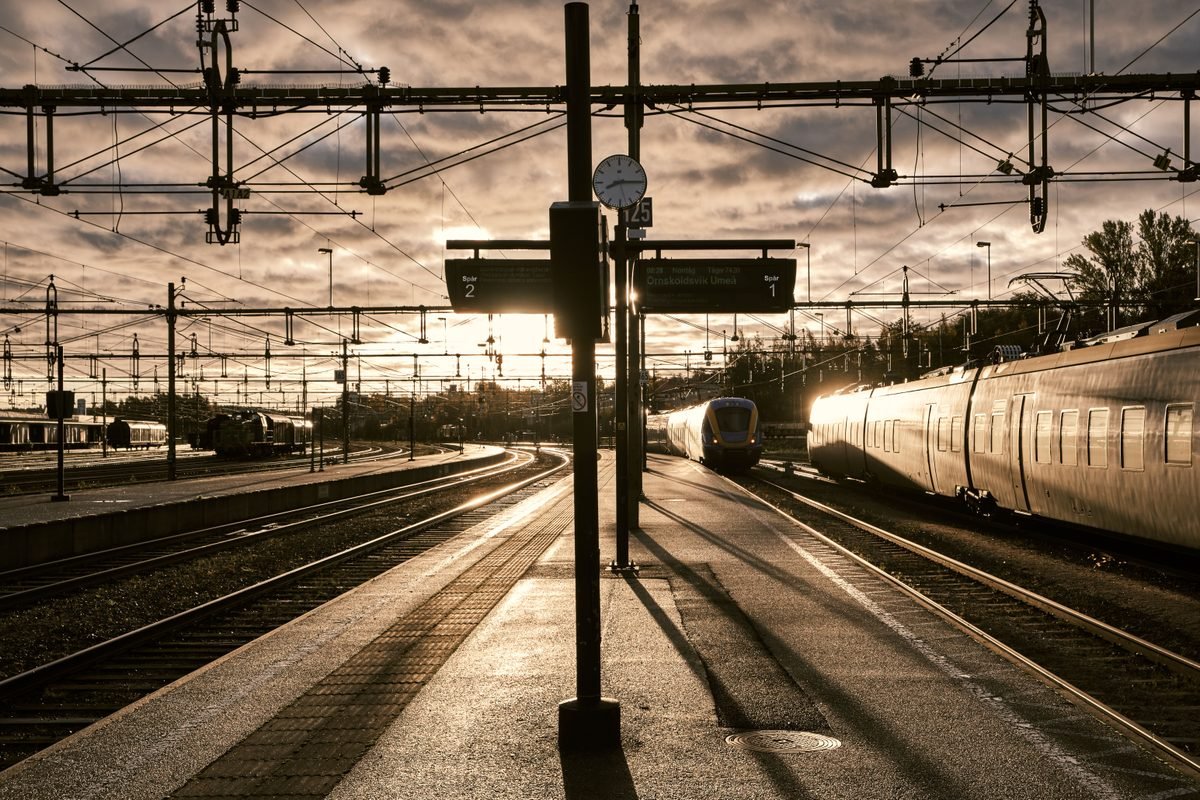
Rail options are also available, though they require a bit more planning. Regular Saemaeul and Mugunghwa trains depart Seoul’s Yongsan Station and run down the scenic Janghang Line directly into Gunsan Station in roughly three hours. A standard Saemaeul ticket runs about ₩21,500 (about $16.10). Note that Gunsan Station is located on the eastern fringe of town, roughly seven kilometers from the historic harbor district. When you arrive by train, bypass the slow local branch buses and catch a cab from the station rank; the ride to the Modern Architecture Area in Wolmyeong-dong takes about 12 minutes and costs roughly ₩8,500 (about $6.40).
Once you are in Wolmyeong-dong and the harbor quarters, put your transit cards away. Gunsan’s entire modern history core is delightfully flat and walkable. The distance from the waterfront museums down through the residential alleys to the heritage temples is barely one and a half kilometers. Renting a car is unnecessary unless you plan to cross the Saemangeum Seawall out to the islands.
Tip: Arriving by Bus Saves Time
Choose the express bus from Central City over the train. The bus terminal sits much closer to the historic alleys, saving you both travel time and taxi fare.
Lee Seong-dang Bakery: Scoring the Historic Danpatppang and Yachaeppang
Founded in 1945, Lee Seong-dang claims the title of the oldest operating commercial bakery in South Korea. It opened on the exact premises formerly occupied by Izumiya, a Japanese confectionery that had traded there since the early twentieth century. Today, the corner bakery on Jungangno remains a site of immense civic pride and national devotion. Even on rainy Tuesday mornings, patrons stand along the velvet ropes on the sidewalk waiting for the hot baking trays to emerge from the back ovens.
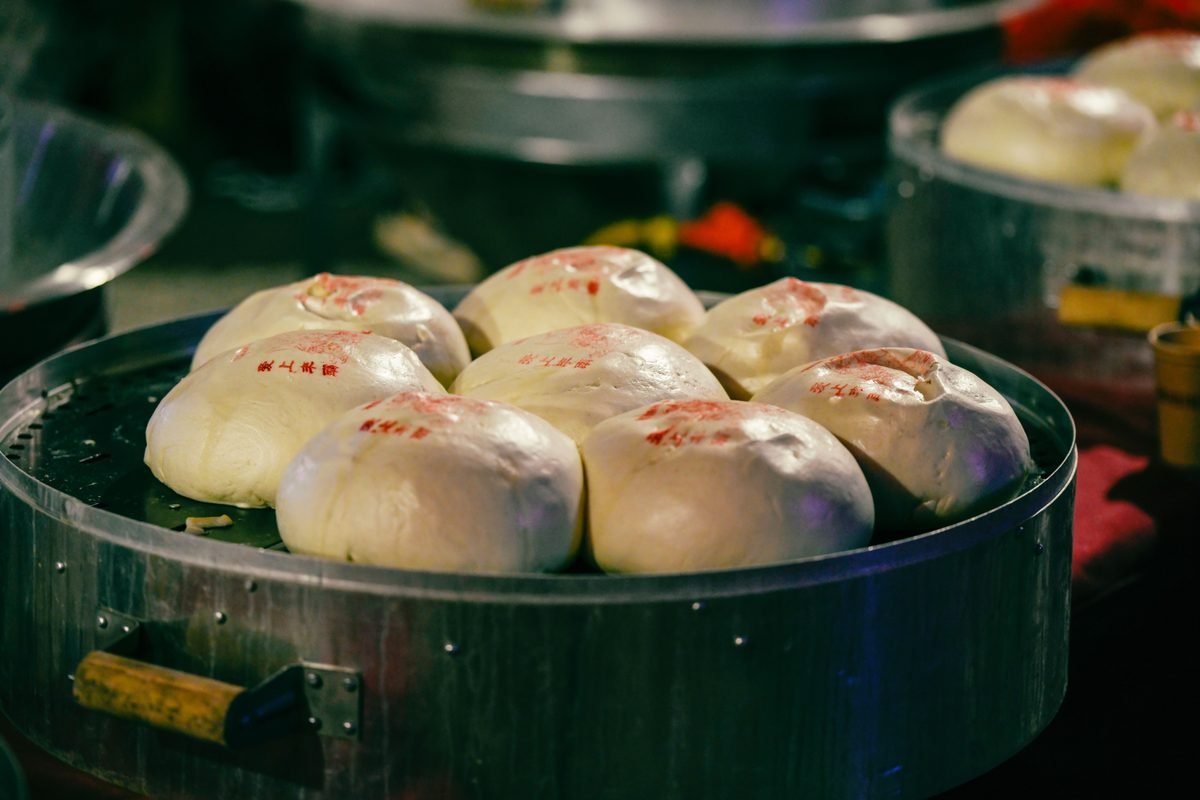
The two undisputed kings of the bakery counter are danpatppang (sweet red bean bread) and yachaeppang (savory vegetable bread). The danpatppang, priced at ₩2,000 (about $1.50), is legendary for its skin-to-filling ratio. The golden yeast dough is rolled impossibly thin, stretched to the bursting point around a dense, heavy core of smooth, sweetened red bean paste and crushed walnut pieces. When you pick one up fresh off the cart, the bun is hot and surprisingly heavy in your hand. The crust is paper-thin and slightly elastic. The yachaeppang, priced at ₩2,500 (about $1.90), offers a savory contrast packed with crunchy shredded cabbage, minced pork, and onions lightly dressed in a proprietary mayonnaise and black pepper glaze.
The bakery is split into two distinct buildings standing shoulder-to-shoulder. The classic building on the corner (the Main Store, or Bon-gwan) is where the famous danpatppang and yachaeppang queues form. If you want those two heritage breads, you must queue inside the dedicated lane on the left side of the room. The sleek, modern annex next door (the New Store, or Sin-gwan) does not sell the two heritage rolls; instead, it features artisan sourdough loaves, castella cakes, French-style pastries, and a spacious second-floor cafe where you can sit with a pour-over coffee. Keep that in mind when budgeting your overall Korea travel budget per day for casual dining.
From a local: Skip the Main Line if You Want Modern Bread
If the sidewalk line stretches around the corner, head straight into the modern annex next door. It sells excellent dorayaki and drip coffee without any waiting time.
Walking Gunsan’s Japanese Colonial Heritage: Timber Alleys and Temples
Gunsan served as one of the primary shipping ports through which millions of bushels of rice harvested across the fertile Honam plains were extracted and shipped to Japan during the colonial era (1910–1945). Because of this commercial role, a large population of Japanese merchants, customs officials, and timber barons lived in Gunsan, constructing extensive residences, banks, and temples. While many similar structures across the peninsula were demolished in postwar redevelopment, dozens of Gunsan’s colonial-era buildings remain preserved, repurposed as historic galleries and educational museums.
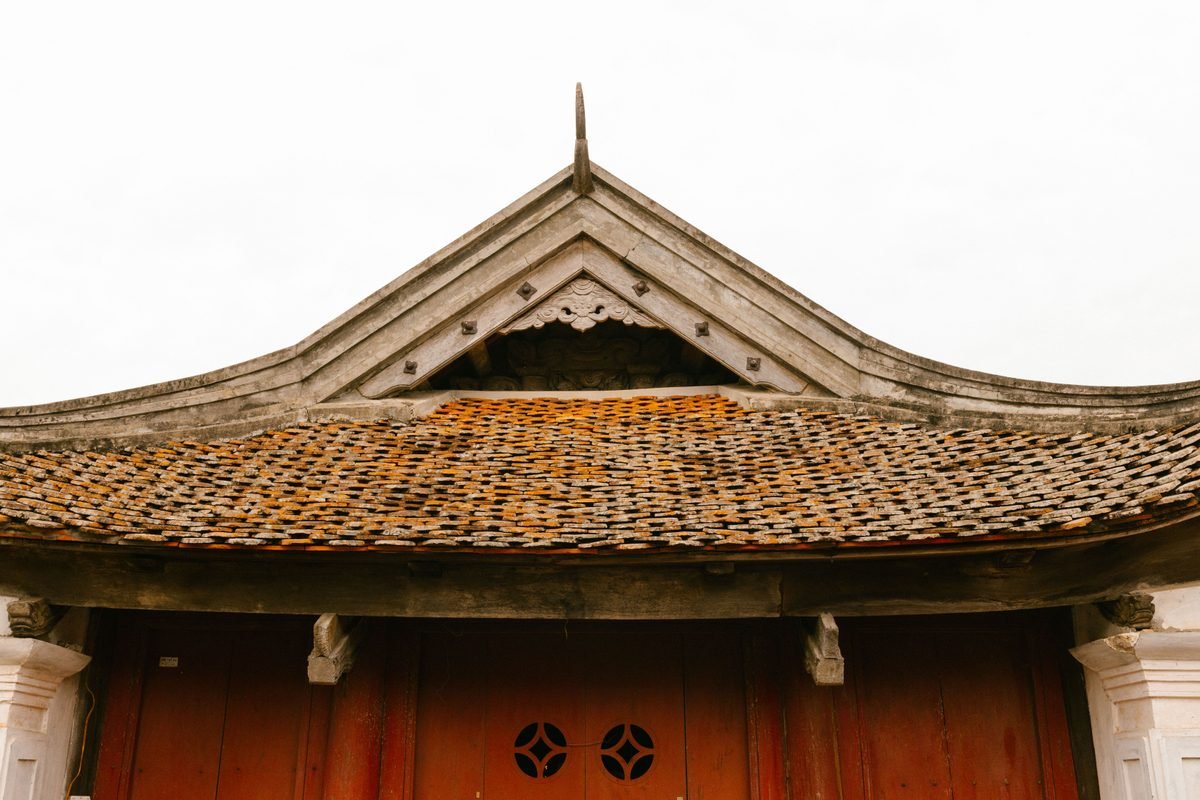
Begin your walking tour at the Shinheung-dong Japanese-Style House, frequently referred to as the Hirotsu House. Built by a wealthy timber merchant named Keisaburo Hirotsu, this two-story wooden estate features traditional tatami mat rooms, sliding shoji screens, a decorative tea pavilion, and a quiet courtyard garden filled with stone lanterns and miniature pines. While indoor preservation rules now keep travelers to the garden walkways outside the windows, the view into the wooden living corridors provides an unfiltered look at merchant life in the 1930s. Entry is free.
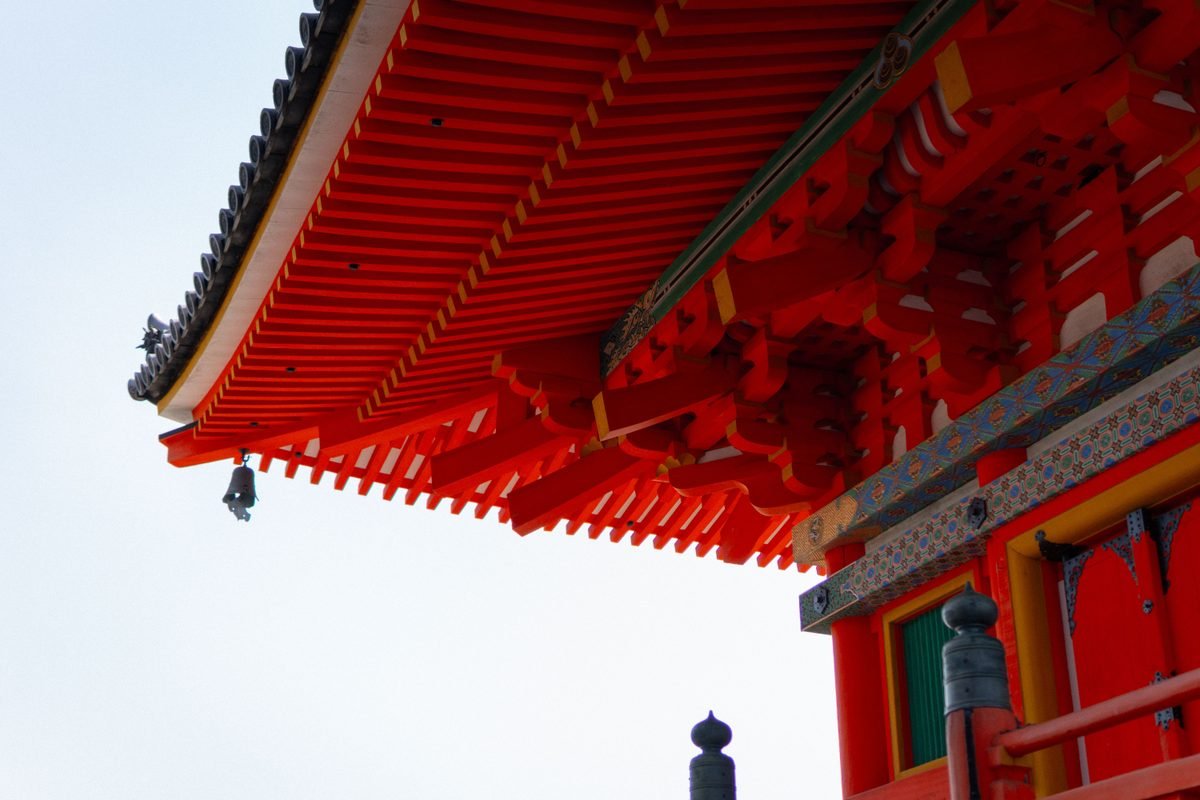
From Hirotsu House, stroll five minutes south to Dongguksa Temple. Founded in 1909 by Japanese Buddhist monks of the Soto Zen sect under the name Geumgangsa, it is the sole surviving Edo-style Japanese temple complex in South Korea. Notice the stark architectural differences immediately: there are no ornate, colorful dancheong paint patterns on the eaves. Instead, the main hall features a dramatically steep, unadorned hip-and-gable tile roof and unpainted cedar walls. In the temple garden behind the hall, quiet bamboo groves rustle against the hillside, while the front courtyard features a bronze Peace Statue honoring comfort women, erected as a solemn historical reminder.
Round out your walk at the Old Gunsan Customs House, built in 1908. Designed by German and Belgian architects, this striking red-brick and granite building with slate-tiled turrets sits just behind the waterfront and costs nothing to enter.
Tip: Respect the Garden Pathways
At Hirotsu House, stepping onto the raised wooden verandas is strictly prohibited to preserve the original 90-year-old flooring. Stick to the designated gravel path.
Coastal Pier Walks: Floating Docks and Jinpo Maritime Theme Park
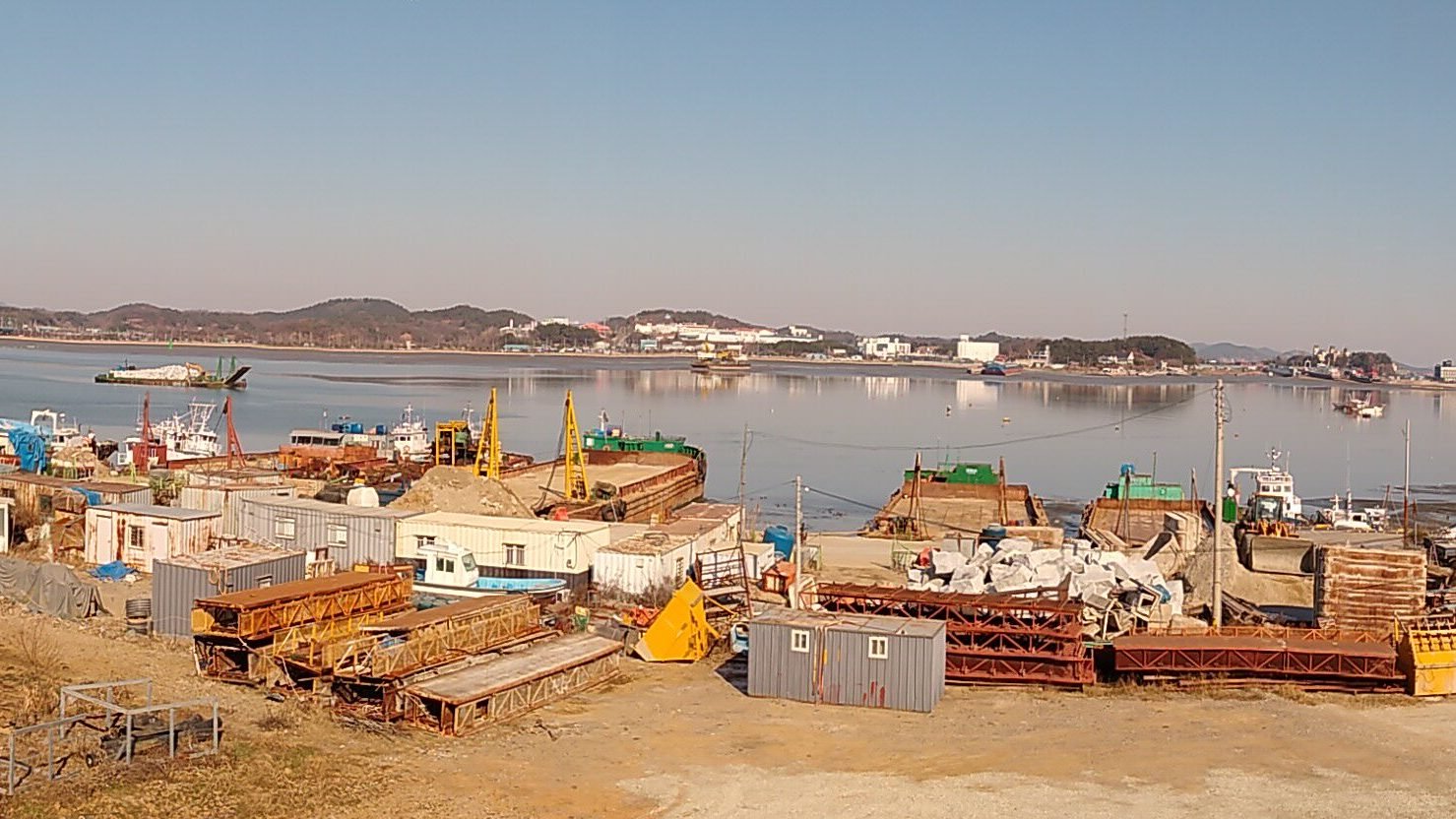
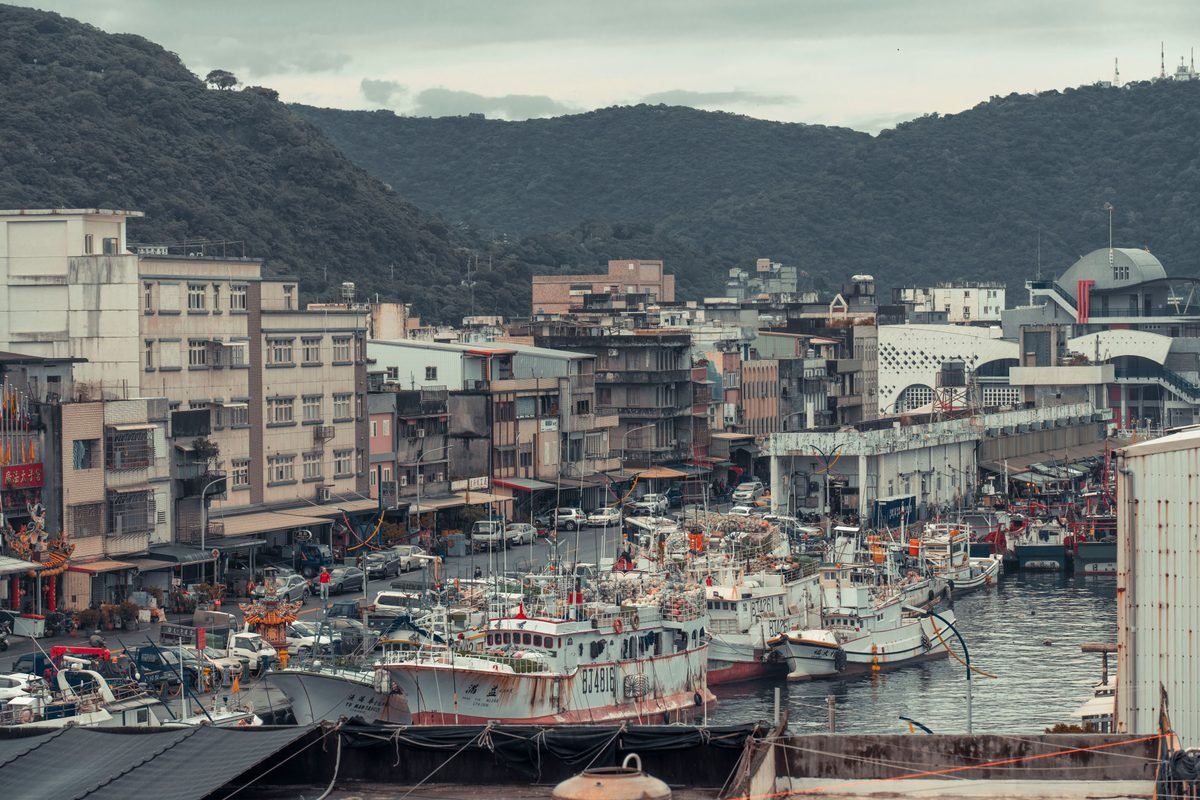
After exploring the quiet residential timber alleys, walk north toward the salt air of Gunsan Naehang (the Inner Harbor). The tidal fluctuations along this stretch of the Yellow Sea are immense, often exceeding seven meters between low and high water. During the early twentieth century, this massive vertical shift made docking cargo ships notoriously dangerous. The solution was the engineering of heavy steel floating piers, known locally as tteun-dari (pontoon bridges).
These floating piers rise and fall alongside the tides on massive concrete guide pillars, allowing boats to tie up regardless of the water level. Today, several of these historic bridges still sit in the harbor, their rusty iron trusses and thick wooden planking standing as rugged industrial monuments. Walking along the waterfront promenade lets you watch fishing trawlers rock gently against the grey mudflats as sea breezes sweep over the mudbanks. It is a working port scene that feels honest and grounded.
Directly adjacent to the piers lies the Jinpo Maritime Theme Park, established on the historic battleground where General Choe Mu-seon used gunpowder artillery to defeat an invading fleet of pirate warships in 1380. The park features an impressive collection of retired military hardware scattered along the open concrete wharf, including fighter jets, amphibious transport vehicles, and anti-aircraft guns. The centerpiece of the park is the LST-671 Wibongsan, a massive 4,200-ton landing ship that served in both World War II and the Vietnam War before being permanently moored here. You can step aboard the ship to explore the restored crew cabins, engine bays, and naval artifact exhibitions for a small admission fee of ₩1,000 (about $0.75).
Where to Eat in Gunsan: Fiery Jjamppong and Blue Crab Stew
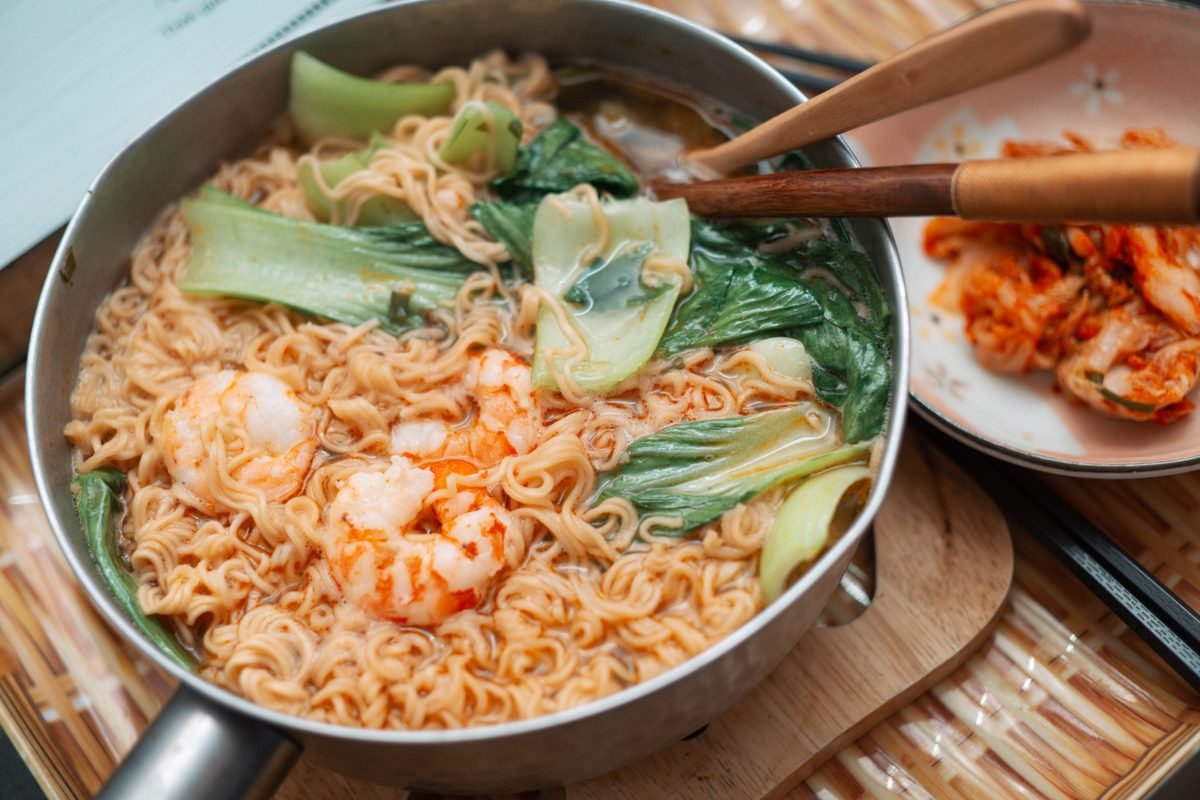
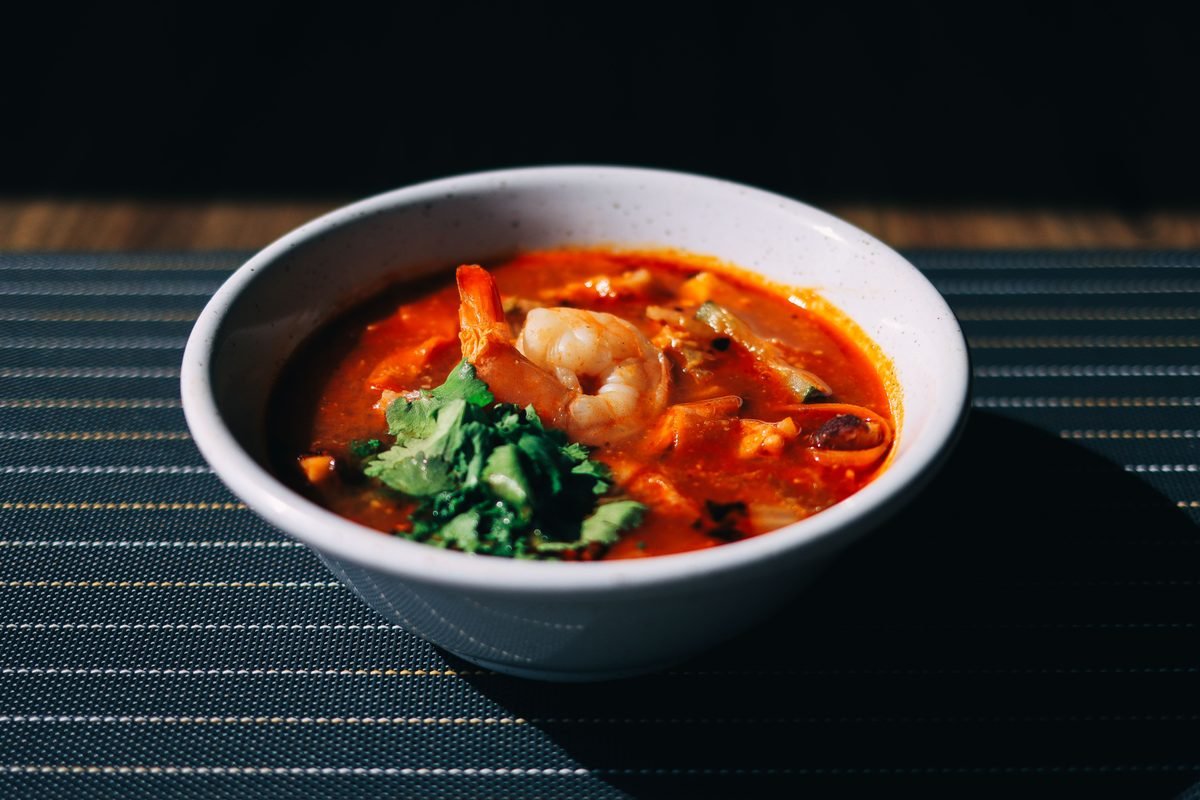
No visit to Gunsan is complete without sitting down for a bowl of its famous local noodle soup. Thanks to the steady influx of maritime dockworkers and a vibrant ethnic Chinese merchant community that settled here over a century ago, Gunsan evolved into one of the country’s premier capitals for jjamppong (spicy seafood noodle soup). Unlike the lighter, onion-heavy broths common in Seoul diners, Gunsan jjamppong features a broth boiled down with roasted pork bones, dried mussels, tiny rock oysters, and mountain vegetables, yielding an intensely rich, smoky red stock.
Two legendary shops anchor the local scene: Bokseongnu and Jirinseong. Bokseongnu is famous for topping its steaming red broth with a massive tangle of stir-fried squid, baby clams, and a crown of tender shredded pork; a bowl costs ₩10,000 (about $7.50). Jirinseong, located near the bus terminal, is renowned for its incendiary gochu jjamppong, made with sliced fresh Cheongyang chili peppers that will test your culinary endurance. Be prepared to wait twenty to thirty minutes during weekend lunch rushes. Both shops close by early afternoon once their daily batches run dry.
If you prefer a sit-down coastal dinner, head toward the seafood restaurants near the port for kkotgetang (spicy blue crab stew). Blue crabs harvested from the Yellow Sea are simmered in an earthen pot with radish discs, crown daisy greens, soybean paste, and coarse red chili flakes. The crab flesh is sweet and delicate, melting into the broth. A two-person pot runs roughly ₩45,000 to ₩55,000 (about $33.75 to $41.25), accompanied by a dozen banchan dishes including seasoned cockles and fermented skate. If you enjoy authentic local dining, pairing this with a deeper regional circuit like our Buyeo Baekje historical site guide gives you a memorable taste of rural southwestern Korea.
Heads up: Early Closing Hours for Noodle Houses
Gunsan’s premier jjamppong restaurants operate on lunch schedules. Places like Bokseongnu regularly sell out their soup base and shut their doors by 15:30.
Practical Tips: Modern Museums, Souvenirs, and Craft Bakeries
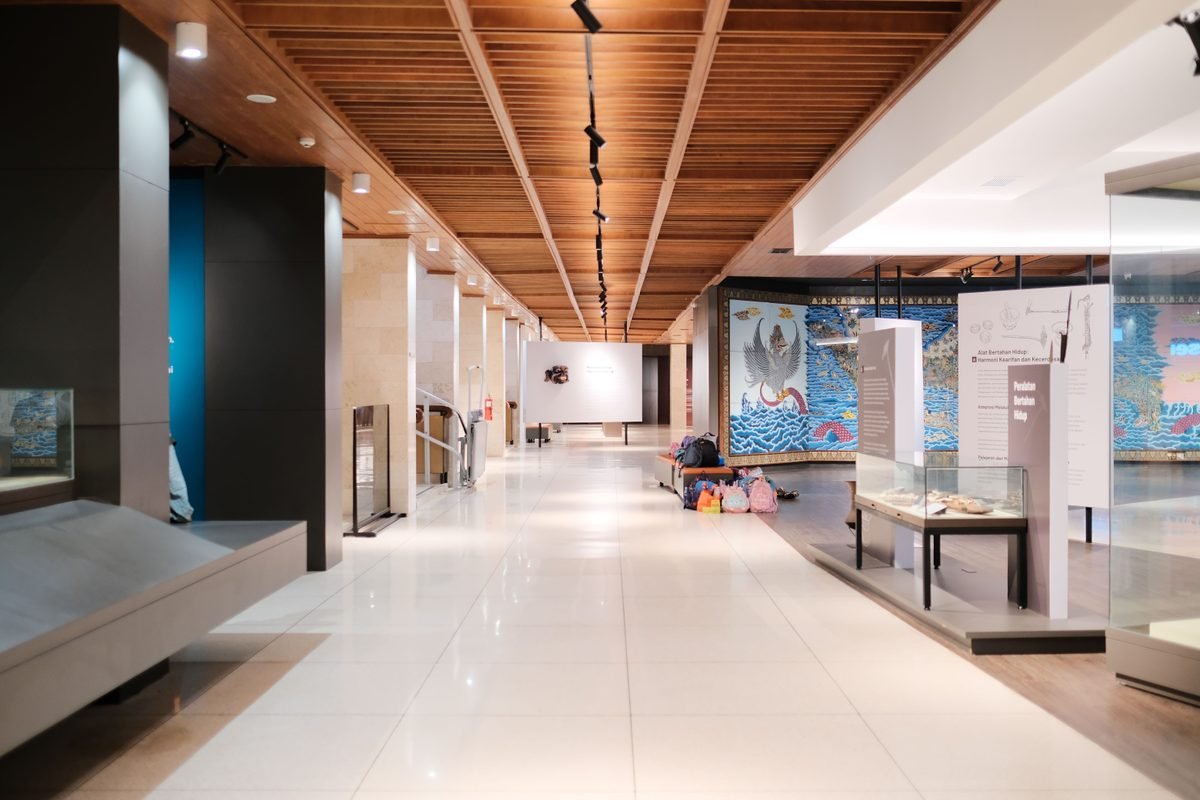
To make the most of your walking itinerary, pick up the integrated admission ticket at the Gunsan Modern History Museum. For ₩3,000 (about $2.25), this single pass covers entry to the museum itself, the Old Gunsan Customs House, the Modern Art Museum (housed in the former Bank of Joseon), and the Modern Architecture Museum (formerly the Bank of Nagasaki). The main history museum is exceptional: its third-floor life-size diorama recreates Gunsan’s 1930s dockside streetscapes, complete with tailor shops, wooden shoe sellers, and rice inspection sheds that you can walk right through.
While Lee Seong-dang receives all the national headlines, do not miss Gunsan’s smaller independent bake shops. Stop by British Bakery (Yeongguk Ppangjip), located a short walk from the center. This bakery is famous for its bori danpatppang, which substitutes local barley flour harvested in Gunsan for regular wheat. The resulting pastry has a deeply nutty, earthy flavor and a softer crumb that many locals actually prefer over the sweeter wheat doughs of the central streets. A pack of five barley red bean rolls costs roughly ₩9,000 (about $6.75).
Plan your timing with care. Gunsan’s historic quarter empties out dramatically on Mondays, when most municipal museum buildings, art halls, and heritage houses are shuttered for maintenance. For the best experience, visit on a Thursday, Friday, or Saturday. Wear comfortable walking shoes with thick soles, as you will be traversing older cobblestone lanes, wooden temple steps, and concrete quaysides throughout the day. Bring a small cloth tote bag to hold the boxes of warm bakery rolls you will inevitably end up carrying home.
What it costs in Gunsan
| Item | Local price | USD |
|---|---|---|
| Express Bus (Seoul to Gunsan, one way) | ₩15,300 – ₩22,400 | $11.50 – $16.80 |
| Gunsan Modern District Integrated Museum Pass | ₩3,000 | $2.25 |
| Lee Seong-dang Danpatppang (Sweet Red Bean Bread) | ₩2,000 | $1.50 |
| Lee Seong-dang Yachaeppang (Vegetable Bread) | ₩2,500 | $1.90 |
| Signature Jjamppong Lunch at Bokseongnu | ₩10,000 | $7.50 |
| Kkotgetang (Blue Crab Stew for two) | ₩50,000 | $37.50 |
| Taxi ride across central historic district | ₩5,000 | $3.75 |
| Mid-range hotel night in central Gunsan | ₩85,000 | $63.75 |
| Estimated full day total (solo traveler with lodging) | ₩172,800 | $129.60 |
Prices checked October 2026. Always confirm with the provider before you book.
Where to stay in Gunsan
Budget
Wolmyeong-dong, for renovated guesthouses and hanok stays
This central neighborhood places you within a five-minute walk of Hirotsu House and Lee Seong-dang bakery. Expect clean, minimalist guesthouse rooms and timber-framed stays running roughly ₩45,000 to ₩65,000 ($33.75 to $48.75) per night.
Mid-range
Gyeongam-dong, for business hotels near the railway town
Ideal for travelers who prefer modern comforts, elevators, and straightforward on-site parking within walking distance of the Gyeongam-dong Railroad Village. Comfortable double rooms typically cost between ₩75,000 and ₩110,000 ($56.25 to $82.50) per night.
Splurge
Eunpa Lake Park, for lakeside resort hotels with forest views
Perfect for visitors who want quiet natural scenery, illuminated lakeside boardwalks, and spacious rooms a ten-minute taxi ride south of the historic harbor. Expect upscale lake-view rooms to run from ₩150,000 to ₩220,000 ($112.50 to $165.00) per night.
Mistakes to avoid
- Arriving on a Monday when the Modern History Museum, Hirotsu House, and several independent galleries are completely closed.
- Queuing in the long sidewalk line at Lee Seong-dang when you only want modern pastries or a cafe seat, which are available instantly in the annex next door.
- Planning on a late dinner at famous noodle joints like Bokseongnu or Jirinseong, which routinely close by 15:30 after their broth sells out.
- Taking a slow city bus from Gunsan Railway Station rather than a quick ₩8,500 taxi into the historic Wolmyeong-dong core.
FAQ
Can you visit Gunsan as a day trip from Seoul?
Yes, Gunsan works very well as a full day trip. The express bus from Central City terminal in Seoul takes about two hours and twenty minutes, and all the primary colonial heritage sites and bakeries are concentrated within a flat, walkable two-kilometer area. If you want a smooth outing, following this historical port day trip itinerary gives you ample time for morning museums, a legendary pastry stop, and an early seafood dinner before the return bus.
How long is the line at Lee Seong-dang bakery?
On weekends, the wait for the signature red bean and vegetable breads can stretch to thirty or forty minutes. On weekdays, the line moves rapidly and rarely takes more than ten minutes. The bakery produces batches continuously throughout the day, so arriving around 10:00 or 14:00 typically offers the shortest queues.
What makes Gunsan's jjamppong different from other Korean noodle soups?
Gunsan jjamppong stands out for its intensely rich broth made by simmering roasted pork bones alongside fresh local shellfish from the Yellow Sea. The soup is famously topped with mountain greens and stir-fried shredded pork, giving it a smokier, heavier profile than the vegetable-dominated soups found elsewhere.
Is the Shinheung-dong Hirotsu House open to walk inside?
Visitors cannot walk inside the tatami rooms or wooden hallways due to structural preservation regulations. However, you can walk through the traditional Japanese perimeter garden and look directly into the open sliding glass and shoji screens of the ground floor.