A Guide to the Gochang Pink Muhly Festival and Hakwon Farm

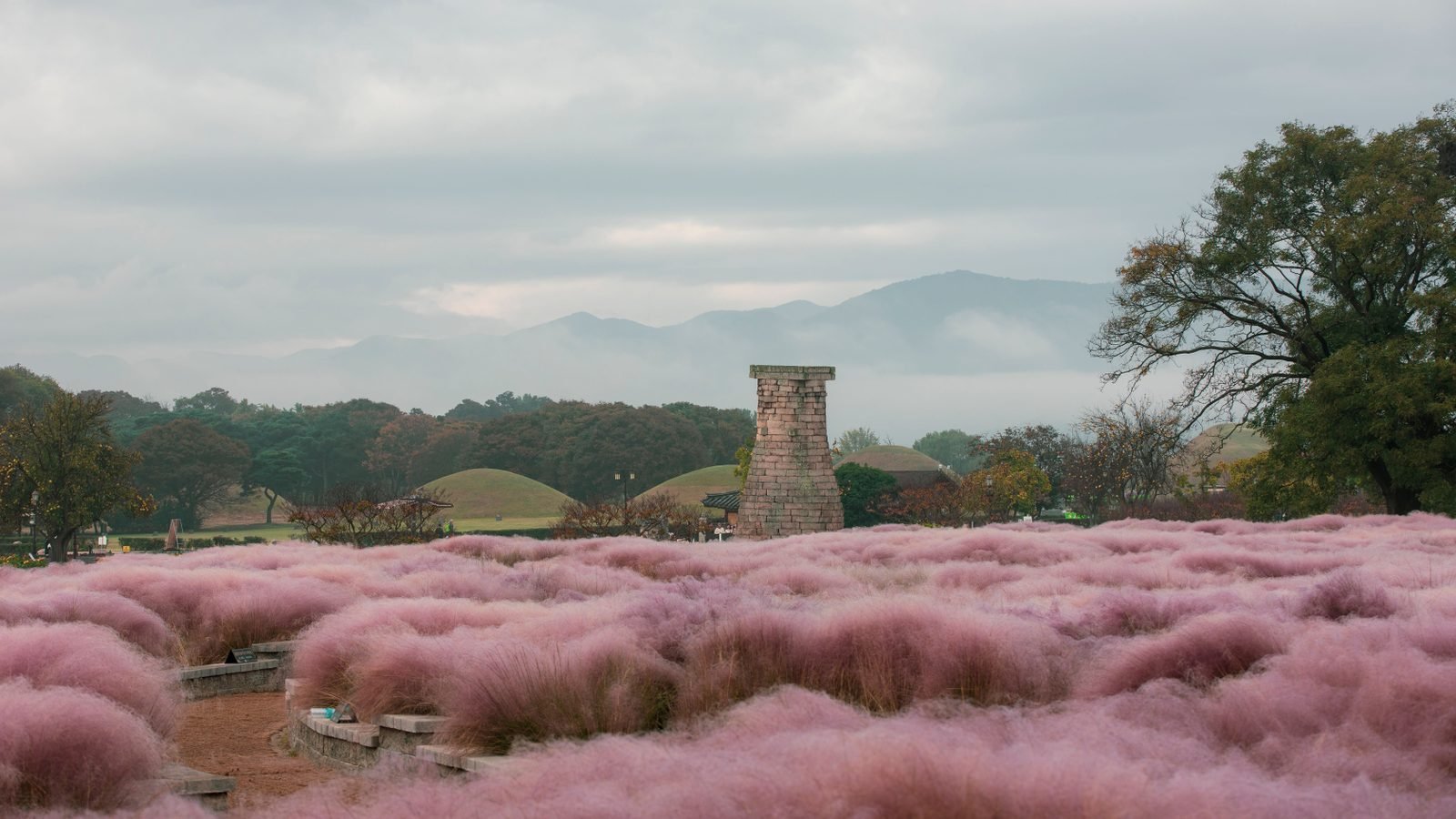
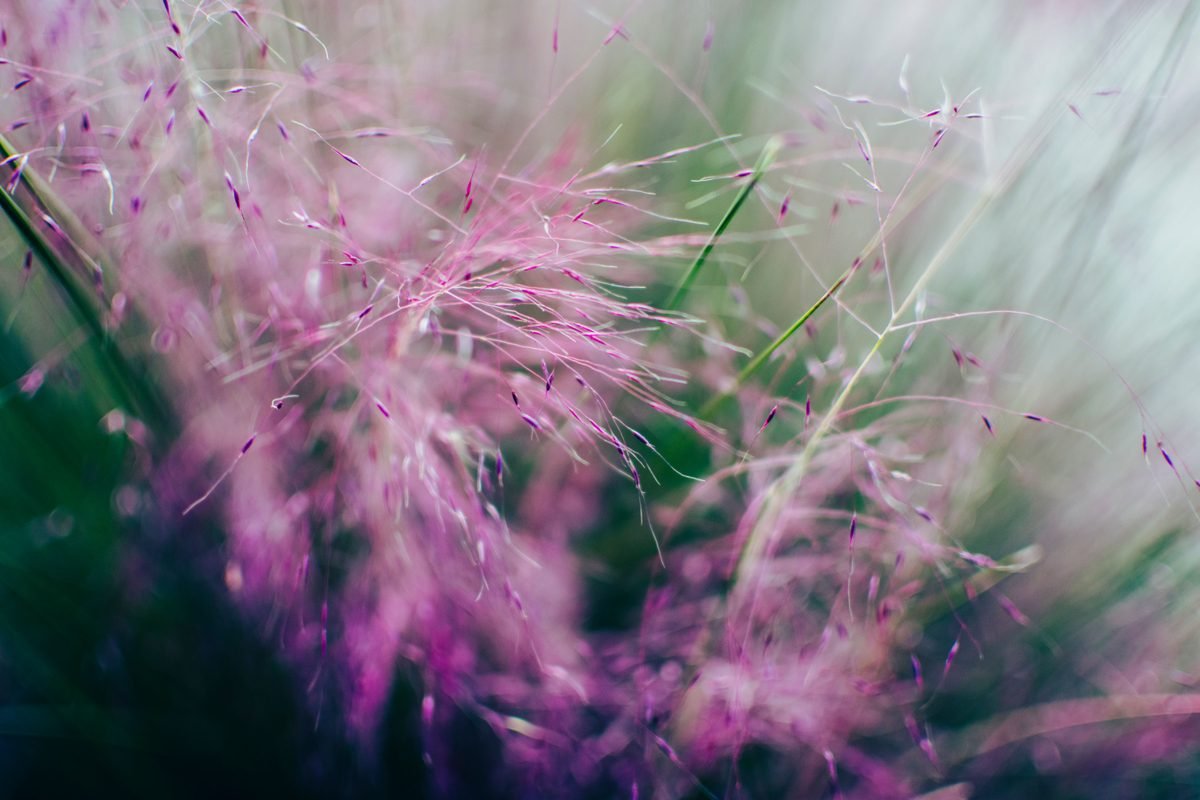
I woke up at 5:00 AM to catch the first light hitting the fields of North Jeolla Province. The air in Gochang during October carries a sharp, clean chill that smells of damp earth and ripening grain. As the sun clears the horizon, the green hills transform into a sea of hazy pink foam. This is not a floral bloom in the traditional sense, but a vast expanse of Muhlenbergia capillaris, a feathery grass that has become the defining image of autumn in rural South Korea. It is a quiet, soft landscape that feels worlds away from the neon-lit streets of Seoul.
This guide is for independent travelers who want to experience the Gochang Pink Muhly Festival without a tour group. I will cover the logistics of getting here from Jeonju, the best times to avoid the crowds at the Kkotgaek Project pink muhly garden in Buan-myeon, the free buckwheat fields at Hakwon Farm in Gongeum-myeon, and where to find the most famous photography angles at each. We will also look at the local food scene, specifically the region’s celebrated eel, and how to navigate the rural bus system using local apps. Whether you are a solo photographer or a couple looking for a peaceful day trip, this is how you see the best of Gochang.
How to get to Gochang from Jeonju and Seoul
Gochang sits in a corner of North Jeolla Province that feels wonderfully isolated, but it is actually quite accessible if you know the bus schedules. Most travelers use Jeonju as their primary base. From the Jeonju Intercity Bus Terminal, coaches leave for Gochang roughly every hour. The journey takes about 70 to 80 minutes and costs ₩7,400 (about $5.50). I usually buy my ticket at the automated kiosks, which have an English interface. Once you arrive at the Gochang Terminal, you are still about 15 kilometers from the Kkotgaek Project, the garden that hosts the pink muhly festival. You can wait for a local rural bus, but they are infrequent. I recommend taking a taxi from the terminal for about ₩20,000 (about $15). It saves you two hours of waiting on a dusty roadside.
If you are coming directly from the capital, head to the Seoul Central City Terminal (Honam Line). Express buses to Gochang run about 15 times a day. The ride takes roughly 3 hours and 10 minutes. A standard seat costs about ₩18,000 (about $13.50), while the more comfortable udeung (premium) seats are roughly ₩27,000 (about $20). If you have a Korail Pass, you might consider taking the KTX to Jeongeup Station instead. From Jeongeup, it is a 30-minute bus or taxi ride to Gochang. This is often the fastest route for those coming from Busan or Daegu.
Navigating these rural routes requires the right tools. Do not rely on international mapping apps here. You should download the Naver Map vs Kakao Map for tourists guide to understand which one works best for rural bus tracking. I find Naver Map more accurate for real-time bus locations in Jeolla-do. When you get to the farm, keep the phone number of a local taxi company or use a hailing app. It can be difficult to find a ride back to the terminal in the late afternoon when everyone is leaving at once.
When to visit the Gochang Pink Muhly Festival
Timing is everything for the Gochang Pink Muhly Festival. The grass begins to turn its signature shade of dusty rose in mid-September, but it reaches peak saturation in early to mid-October. By late October, the color begins to fade into a brownish-purple, losing that glowing quality that looks so good in photos. I recommend visiting during the first two weeks of October. This window also aligns with the white buckwheat blossoms at Hakwon Farm. Seeing the snowy white buckwheat fields right next to the pink grass is a rare visual treat. The contrast is remarkable.
The weather in October is usually stable. Expect clear blue skies and temperatures between 12°C and 20°C (54°F to 68°F). It is perfect walking weather. However, the farm gets incredibly busy on weekends. Thousands of visitors from Gwangju and Jeonju descend on the fields, making it impossible to get a clean shot without twenty people in the background. If you can, visit on a Tuesday or Wednesday. Arrive by 9:00 AM. The morning light is softer. The crowds are thin then. You will have the paths to yourself for at least an hour.
Keep in mind that these are two separate sites, roughly twenty minutes apart by car. The pink muhly is planted at the Kkotgaek Project in Buan-myeon, which charges an entry fee and does not let you back in once you leave. Hakwon Farm, in Gongeum-myeon, is free to enter and is where the buckwheat and barley fields are. The festival atmosphere includes small stalls selling local snacks and roasted chestnuts. I like to grab a bag of warm chestnuts and walk to the higher ridges. From there, you can see the entire valley. The wind makes the pink grass ripple like water. It is a very calming sight. Most people spend about two to three hours here before heading to the nearby dolmen sites or the fortress.
Photography angles and Hakwon Farm highlights
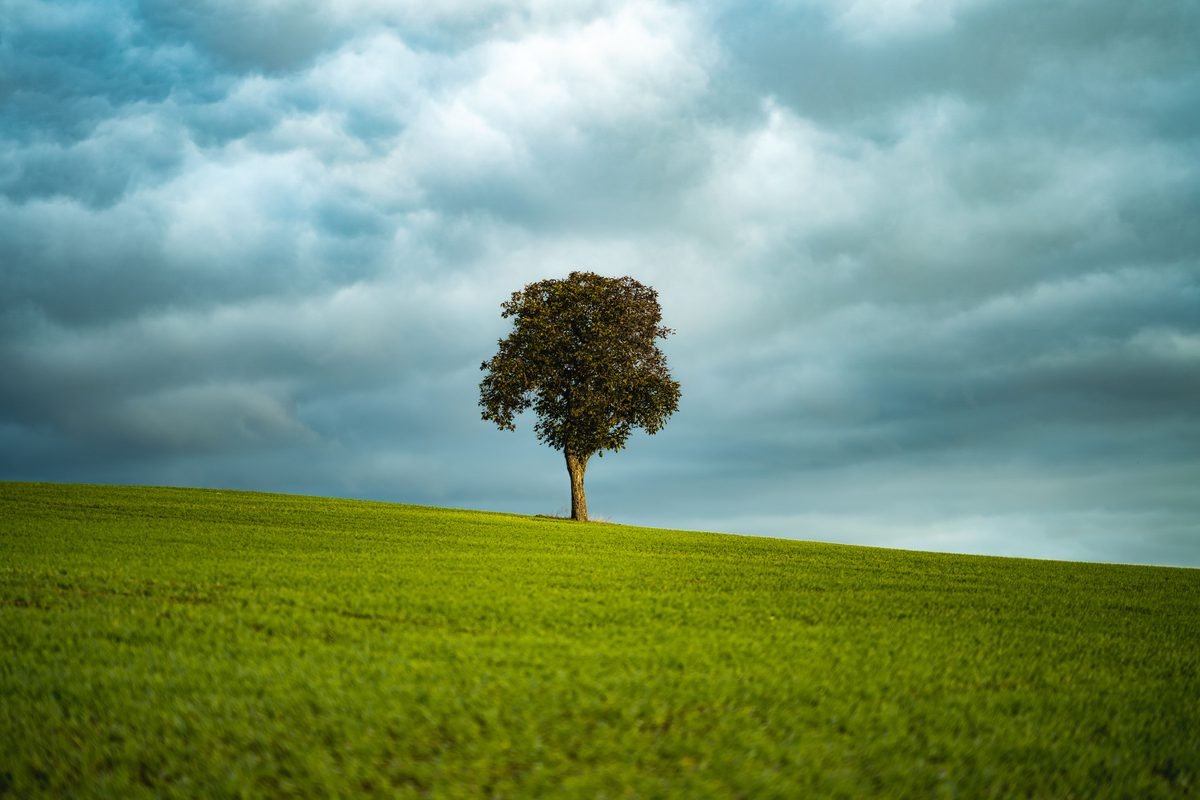
Hakwon Farm, a twenty-minute drive from the muhly garden, is famous for more than its flowers. It was the filming location for the popular Korean drama Goblin, and fans still flock to the small wooden shed in the middle of the buckwheat field. For the best photography, look for the “lonely tree” on the ridge. Positioning yourself so the tree sits against the pink horizon creates a sense of scale. I suggest using a long lens if you have one. This compresses the rows of grass and makes the pink color look much denser and richer. If you use a wide-angle lens, the grass can look a bit sparse and leggy.
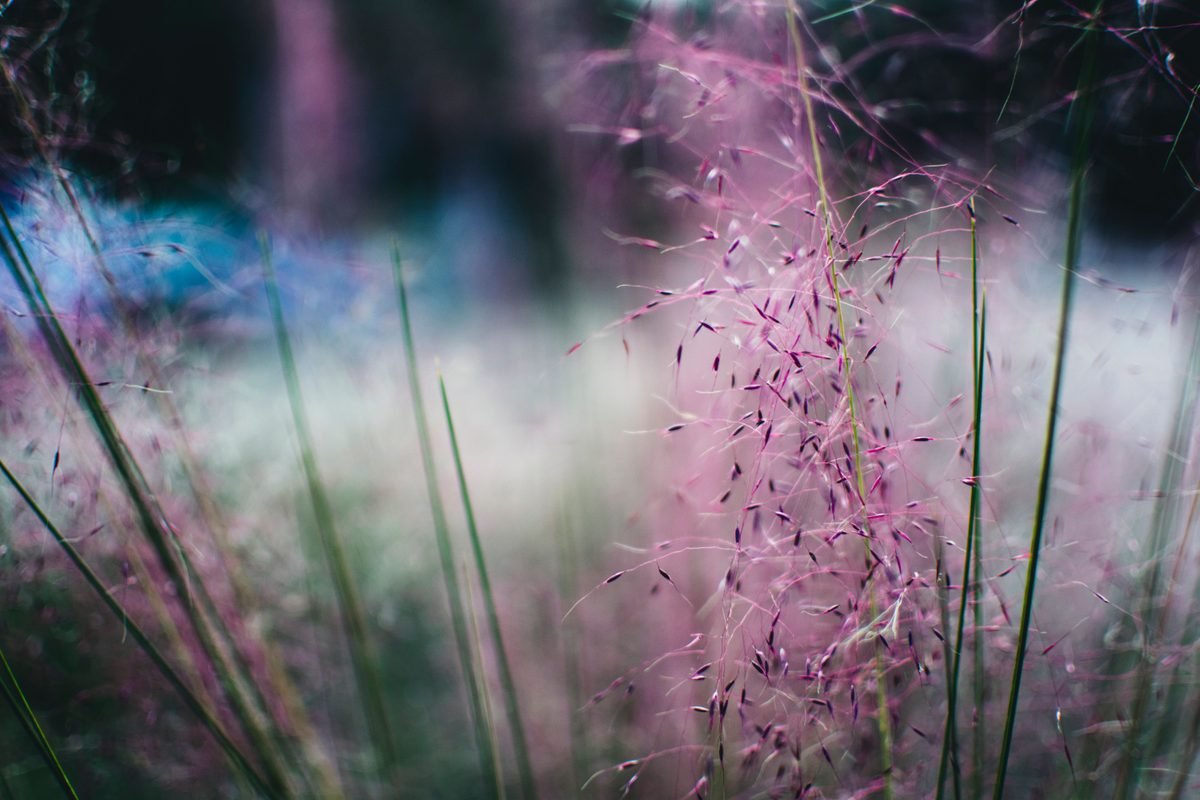
Don’t just stick to the main paths. There are smaller dirt trails that lead into the center of the muhly clusters. Look for the spots where the farm owners have placed small wooden benches or photo frames. These are usually positioned for the best light. I always look for backlighting. When the sun is behind the grass, the individual fine hairs of the muhly catch the light and glow. It looks like a pink cloud hovering just above the ground. Wear neutral colors like beige, white, or denim. Bright patterns tend to clash with the delicate pink of the landscape. The grass is delicate.
Beyond the pink muhly, the buckwheat fields are a major draw. These small white flowers cover the rolling hills like a blanket of snow. There is a specific walking path called the “Boribat-gil” that takes you through the barley and buckwheat sections. In October, the barley is gone, but the buckwheat is in full glory. I recommend walking all the way to the edge of the forest. There is a small pond there that reflects the autumn foliage. It is much quieter than the main festival area. Take your time. The farm is large. You will find many small corners that most tourists miss because they stay near the parking lot.
What to eat: Pungcheon Eel and Bokbunja
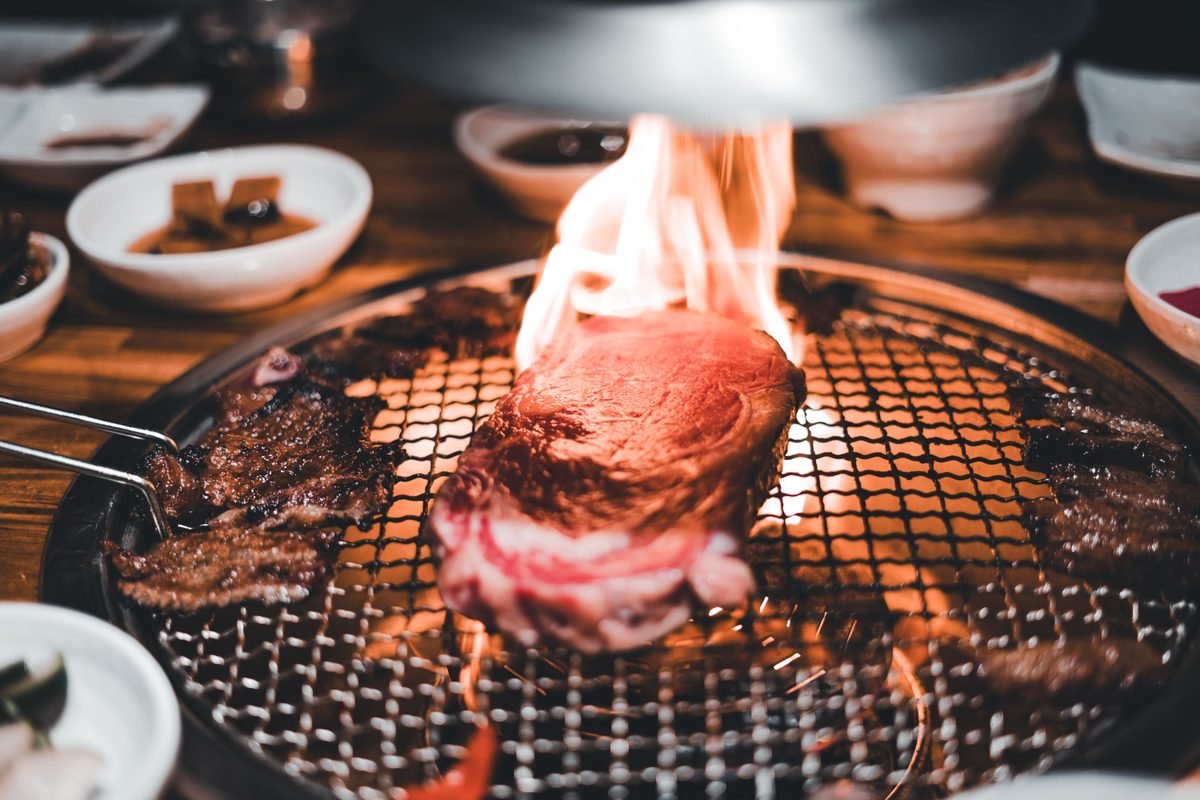
You cannot visit Gochang without eating Pungcheon jangeo (eel). The name refers to the area where the fresh water of the Incheon River meets the salt water of the Yellow Sea. The eels here are famous across Korea for being particularly meaty and flavorful. There are dozens of specialized restaurants near Seonunsa Temple, about 20 minutes from the farm. Most places serve the eel grilled over charcoal. You can choose between a simple salt seasoning or a sweet and spicy soy-based glaze. I prefer the salt version because it lets the natural richness of the fish shine through. A meal for two usually costs between ₩70,000 and ₩90,000 (about $52 to $67).
The ritual of eating eel is specific. It is served with a mountain of side dishes, including pickled ginger, garlic, and perilla leaves. You take a piece of grilled eel, dip it in a dark dipping sauce, add a few slivers of ginger, and wrap it all in a leaf. The ginger is essential. It cuts through the oiliness of the fish. If you are feeling adventurous, try the bokbunja (black raspberry wine) which is Gochang’s other specialty. It is sweet, deep red, and quite potent. Locals believe that the combination of eel and bokbunja provides a massive boost to your stamina and energy levels. It is the ultimate local power meal.
For a lighter snack, look for stalls selling bori-bap (barley rice) or barley-based crackers. Since Hakwon Farm is a barley farm for much of the year, they produce a variety of barley goods. I often buy a bag of the crispy barley snacks for the bus ride back. If you are in the town center, check out the local traditional market. You can find high-quality dried seaweed and local salt. Gochang is known for its grey sea salt, which is harvested from the nearby mudflats. It has a complex, mineral flavor that is quite different from standard table salt. Buy a small bag to take home.
Exploring the Gochang Dolmen and Seonunsa Temple
If you have extra time, Gochang offers some of Korea’s most significant historical sites. The Gochang Dolmen Site is a UNESCO World Heritage location featuring hundreds of prehistoric stone burial monuments. It is fascinating to walk among these massive capstones that date back thousands of years. There is a small museum on-site that explains how the stones were moved, but the real joy is just wandering the park. It is a very open, grassy area that feels peaceful. The entry fee is only about ₩3,000 (about $2.25). It is a short taxi ride from the main bus terminal.
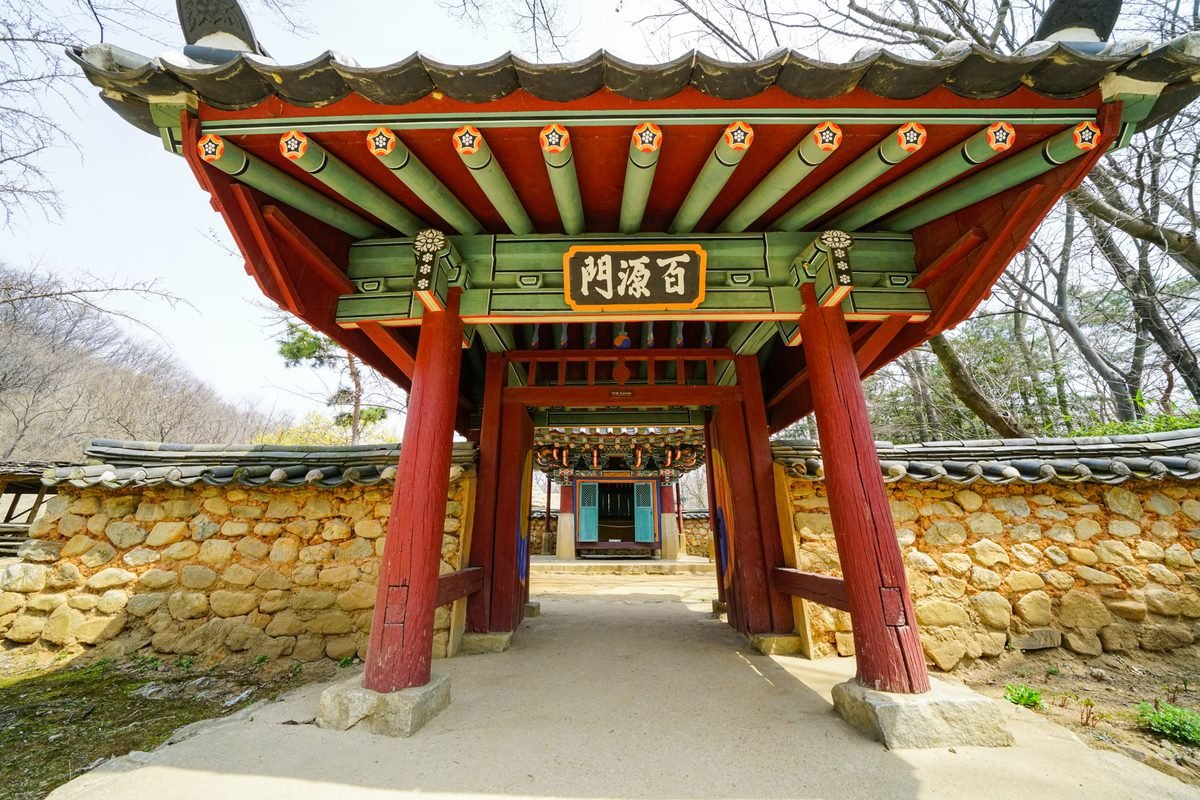
Seonunsa Temple is another essential stop. It is one of the most important temples in the region and is particularly famous for its camellia forest and red spider lilies. While the camellias bloom in winter, the spider lilies usually peak in late September, sometimes lingering into early October. The temple is situated at the base of a mountain with a stream running through the grounds. The walk from the parking lot to the temple entrance is flat and lined with towering trees. It is one of the most scenic approaches to any temple in Korea. Entry is free as of May 2023.
For those who like a light hike, the Gochang-eup Fortress (Moyangseong) is located right in the center of town. You can walk along the top of the stone walls, which offers a great view of the city and the surrounding mountains. There is a local tradition where women walk around the fortress walls with a stone on their heads to ensure good health. The path is well-maintained and takes about 30 to 40 minutes to complete. It is especially beautiful at sunset when the lights along the wall turn on. It is a great way to end your day before catching the evening bus back to Jeonju.
Practical tips for your Gochang trip
Traveling in rural Korea requires a bit more preparation than staying in Seoul. First, make sure your T-money card is topped up. While you can use it for taxis and some local buses, many small-town convenience stores have limited top-up facilities. I always carry at least ₩50,000 in cash just in case. Most restaurants and the farm stalls take cards, but the rural buses occasionally have issues with international credit cards. Having cash for a taxi is a lifesaver. If you need more general advice on navigating the country, check out my Korean etiquette for travelers guide to avoid any social faux pas while dining.
Dress in layers. The temperature swings in October are significant. It might be 8°C in the morning and 22°C by mid-afternoon. A light windbreaker or a fleece is perfect. Also, wear sturdy walking shoes. Hakwon Farm has some steep sections and the paths can be dusty or muddy depending on the recent weather. I once wore white sneakers and regretted it within twenty minutes. If you plan on visiting Seonunsa, you will be doing a lot of walking on gravel and dirt paths. Comfortable footwear is non-negotiable for this trip.
Finally, be aware of the “break time” at many local restaurants. Between 3:00 PM and 5:00 PM, many eel places might close their kitchens to prep for dinner. If you are hungry after visiting the farm, try to eat a late lunch by 2:00 PM. If you miss that window, you might be stuck with convenience store snacks until dinner. Speaking of snacks, the Korean convenience store food guide can help you find the best quick bites. Most importantly, keep an eye on the last bus time. The express buses to Seoul and Jeonju stop running earlier than you might expect, often around 7:00 PM or 8:00 PM. Don’t get stranded.

What it costs in Gochang
| Item | Local price | USD |
|---|---|---|
| Intercity bus (Jeonju to Gochang) | ₩7,400 | $5.50 |
| Taxi (Gochang Terminal to the pink muhly garden) | ₩20,000 | $15.00 |
| Kkotgaek Project entry (pink muhly garden) | ₩5,000 | $3.75 |
| Grilled Eel lunch for one | ₩40,000 | $30.00 |
| Bokbunja wine (small bottle) | ₩10,000 | $7.50 |
| Dolmen Site entry | ₩3,000 | $2.25 |
| Total per person (approximate) | ₩85,400 | $64.00 |
Prices checked October 2026. Always confirm with the provider before you book.
Where to stay in Gochang
Budget
Gochang-eup, near the bus terminal
This area is best for those relying on public transport. You will find basic motels and guesthouses within walking distance of the terminal for about ₩45,000 to ₩60,000 per night.
Mid-range
Seonunsa Temple area
Staying near the temple puts you close to the best eel restaurants and scenic walking trails. Look for modern minbak or small hotels in the ₩80,000 to ₩120,000 range.
Splurge
Hanok stays near the Dolmen Site
For a traditional experience, book a restored hanok house in the surrounding countryside. These often include breakfast and cost between ₩150,000 and ₩250,000 per night.
Mistakes to avoid
- Visiting on a weekend afternoon when the crowds make photography nearly impossible.
- Assuming there are frequent shuttle buses between the farm and the town center.
- Wearing thin-soled shoes or white sneakers that get ruined by the farm dust.
- Waiting until the last minute to book a return bus ticket to Seoul during the festival peak.
- Missing the buckwheat fields because you were only looking for the pink grass.
FAQ
When is the best time to see the Gochang Pink Muhly Festival?
The peak bloom is usually from October 1st to October 15th. During this time, the pink color is most vibrant and the neighboring buckwheat fields are also in bloom.
Is there an entry fee?
Hakwon Farm, with its buckwheat and barley fields, is free to wander. The Kkotgaek Project pink muhly garden charges about ₩5,000 per adult, rising to roughly ₩6,000 during the busiest weeks in late September and early October.
Can I take a day trip to Gochang from Seoul?
Yes, it is possible but involves about 6-7 hours of total travel time. It is better to take an early express bus from Central City Terminal or use the KTX to Jeongeup followed by a taxi.