Chuncheon Soy Milk Cold Noodles Makguksu Guide

The morning express train from Seoul rolls past the quiet waters of the Soyang River in under eighty minutes, dropping you in a region famous for handcrafted buckwheat. For decades, local cooks in Chuncheon’s northern district of Udu-dong have perfected a dish that marries earthiness with icy refreshment. If you are searching for an authentic culinary adventure, this Chuncheon soy milk cold noodles makguksu guide explains how ground yellow soybeans, freshly cut buckwheat strands, and seasoned pork come together in one of Korea’s most distinct noodle rituals.
This guide is written for independent travelers who want to venture beyond standard day-trip stops and explore Chuncheon’s historic noodle culture. We cover train routes from Seoul, the art of balancing mustard and cold broth, the best traditional shops in Udu-dong, and why ordering a side of warm bossam pork belly elevates the entire meal.
How to Reach Udu-Dong for Chuncheon Buckwheat Noodle Trips
Getting to Chuncheon from central Seoul is straightforward and comfortable thanks to high-speed regional rail. The fastest option is the ITX-Cheongchun train, which departs regularly from both Yongsan Station and Cheongnyangni Station. A standard adult ticket from Yongsan Station costs ₩9,800 (about $7.35), while departing from Cheongnyangni Station costs ₩8,600 (about $6.45). The train ride is fast. You reach Namchuncheon Station or Chuncheon Station in approximately seventy-five minutes, making this an effortless day outing. You can easily book your seats in advance through the official Korail+ mobile app or directly at station kiosks before departure.
Crossing the Soyang River to Udu-dong
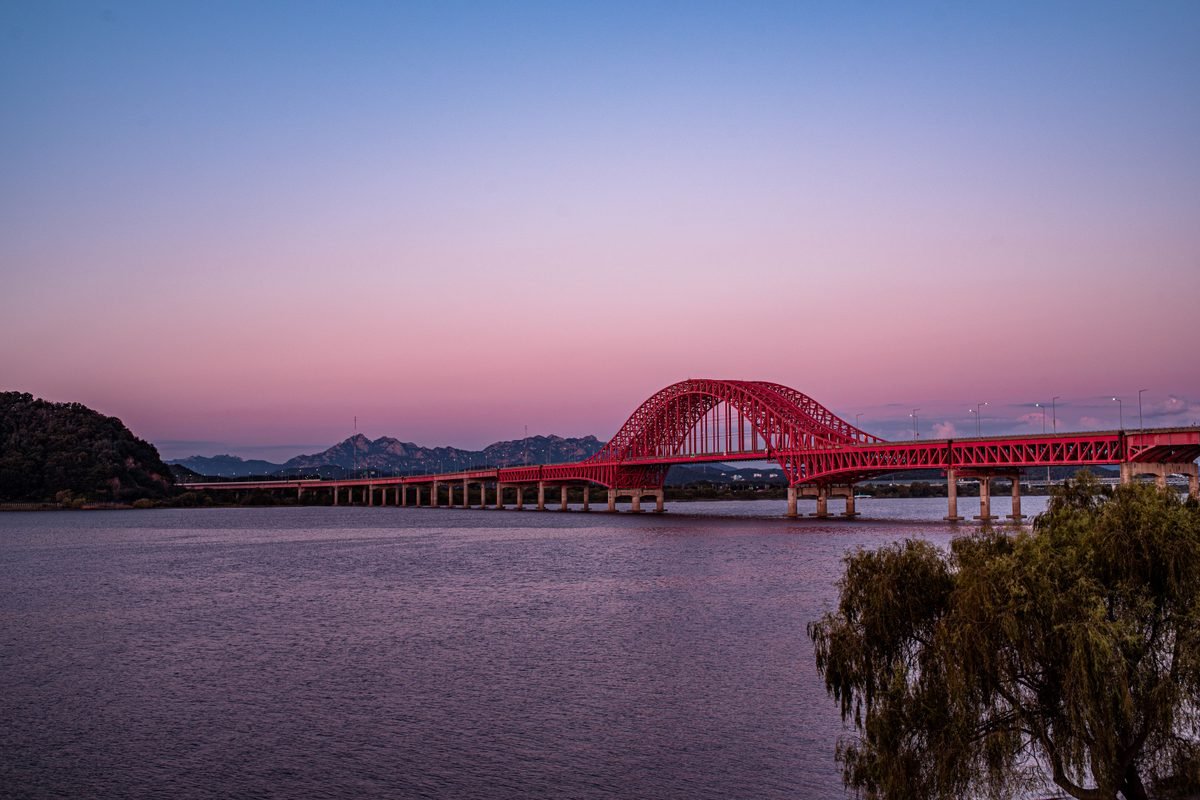
Once you step out of Chuncheon Station Exit 1, you need to head north across the Soyang River to reach Udu-dong, the neighborhood famed for classic noodle houses. Local city buses such as routes 12 and 15 stop right outside the station forecourt. The bus fare is ₩1,500 (about $1.15) when tapping a standard T-money or transit card. Buses run every fifteen minutes. The short journey across the bridge takes around twelve minutes and offers sweeping views of the surrounding hills and calm river waters. If you prefer a direct route without waiting for public transport, local taxis line up at the station exit and will carry you into Udu-dong for roughly ₩6,000 (about $4.50).
Navigating the bus routes across Chuncheon is simple if you download Korean mapping software on your smartphone before departing. Checking route details on Naver Map vs Kakao Map ensures you drop off right in front of the rustic dining halls along Udu-ro. Walking through Udu-dong feels distinctly different from downtown Seoul, with quiet suburban lanes, small farming plots, and low-slung restaurant buildings that have stood for over thirty years.
Book ahead: Reserve ITX Train Seats Early
Weekend ITX-Cheongchun trains to Chuncheon sell out fast during spring and autumn. Secure your seats three to five days ahead on the Korail+ app.
The Historic Roots of Udu-dong Buckwheat Noodles and Soy Milk Broth
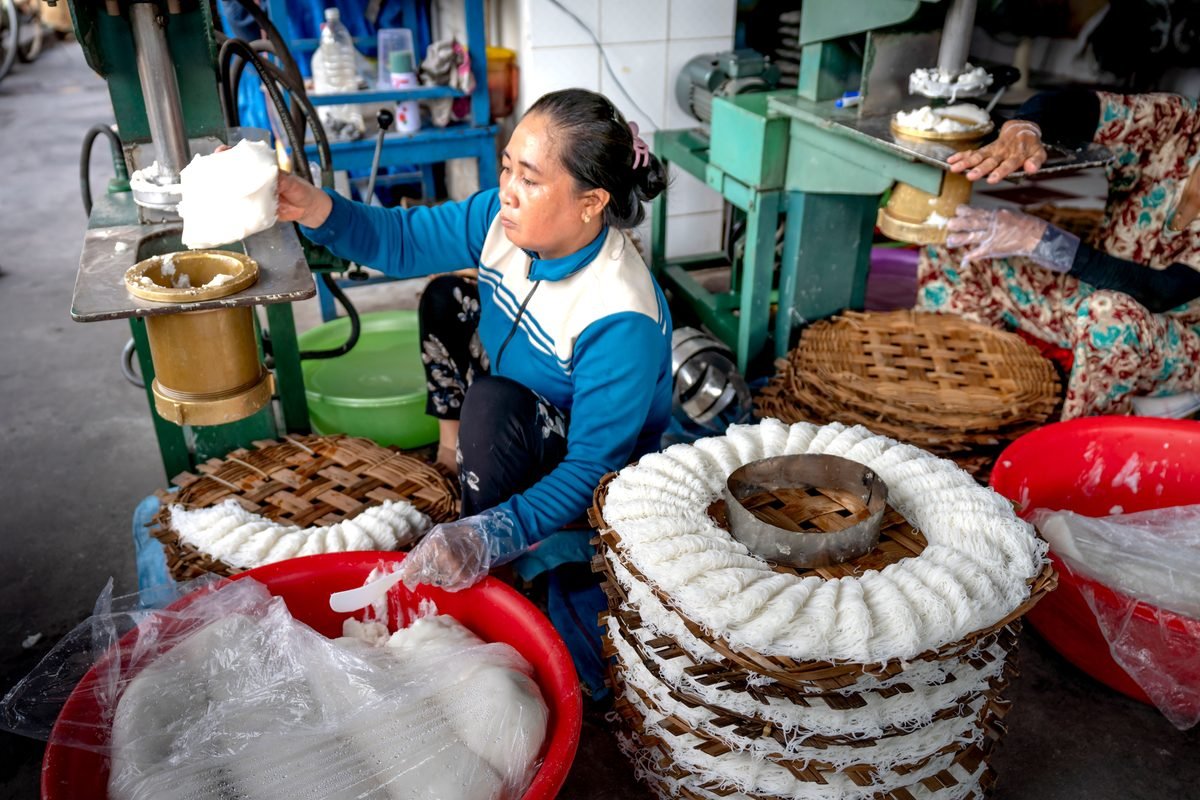
Gangwon Province has long been defined by its mountainous terrain and cool climate, conditions under which dry-land crops like buckwheat thrive where rice paddies struggle. Chuncheon became a natural regional market where farmers ground high-altitude buckwheat into coarse flour to press into daily noodles. The term makguksu translates roughly to noodles made right now, reflecting the tradition of mixing buckwheat dough on-demand because pure buckwheat lacks gluten and dries out quickly if left sitting. In Udu-dong, traditional kitchens maintain this legacy by operating heavy mechanical extruders that push freshly kneaded dough straight into boiling cauldrons only after your order is placed.
The Innovation of Soy Milk Broth
While standard makguksu is typically served with a splash of chilled dongchimi radish water or clear beef broth, Udu-dong developed a dedicated following for cold soybean broth, known locally as kong-makguksu. Kitchen staff soak local Gangwon yellow soybeans overnight, boil them briefly to retain their sweet nuttiness, and blend them with clean groundwater into a thick, ivory liquid. Buckwheat noodles snap quickly. When submerged in this chilled, high-protein soy milk, the nutty flour of the buckwheat complements the rich creaminess of the ground soybeans without feeling heavy.
Unlike modern commercial versions that rely on powdered soybean extracts or dairy milk additives, historic Udu-dong noodle houses grind their legumes fresh every morning. The resulting broth has a silky, slightly textured mouthfeel that coats every strand of noodle. The combination provides an incredible depth of flavor that is both deeply savory and cooling during warm afternoon journeys through Gangwon Province.
How to Mix and Eat Soy Milk Cold Noodles Step-by-Step
When your bowl of cold buckwheat noodles arrives at the table, it is presented with careful artistic structure. A high mound of grayish-brown buckwheat noodles sits submerged in pale soy milk broth, topped with sliced cucumber, sweet Korean pear, half a boiled egg, and a light sprinkling of toasted sesame seeds or ground perilla powder. Before reaching for any condiments, take a spoon and taste a mouthful of the plain broth. The flavor should be clean, subtle, and distinctly nutty. The broth is completely icy. This initial taste lets you gauge the natural sweetness of the fresh soybeans.
Adding Condiments and Customizing Flavor
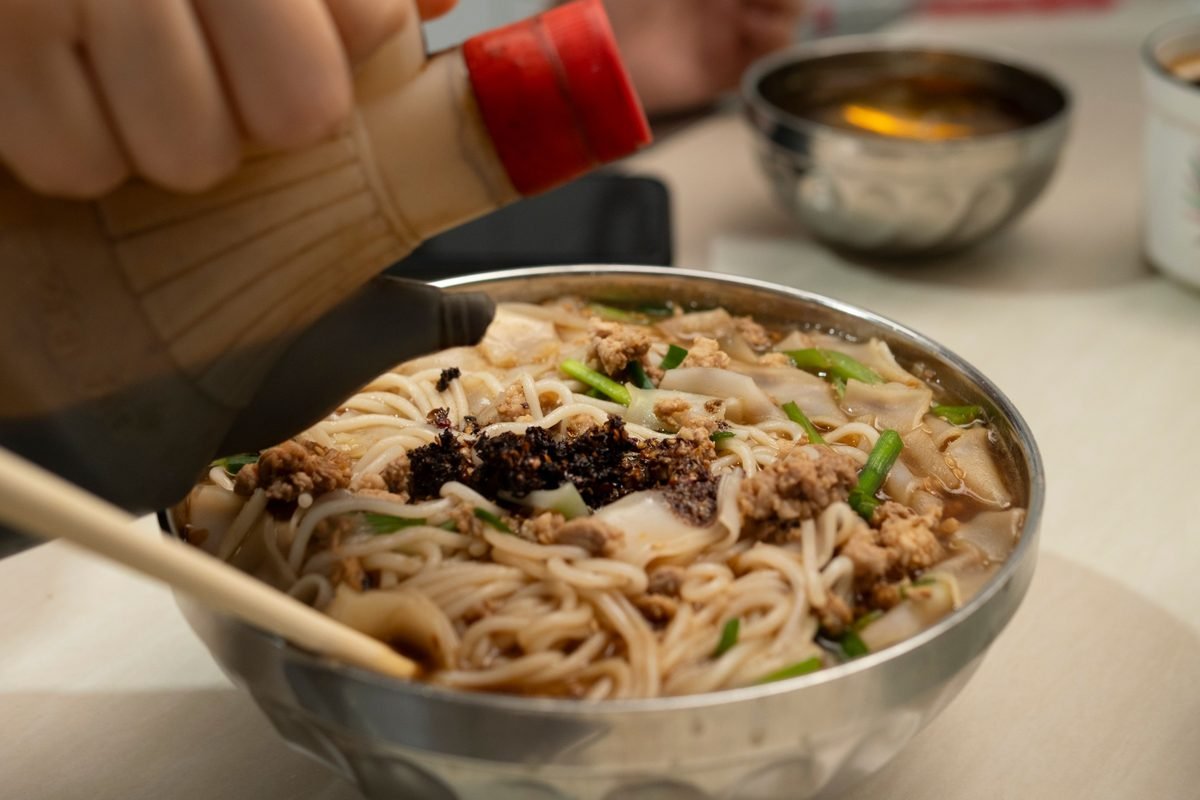
On every table, you will find a tray containing yellow mustard paste, vinegar, granulated white sugar, toasted sesame oil, and sometimes a bottle of cold beef broth or radish brine. Mix the mustard in slowly. A small squirt of yellow mustard introduces a sharp acidity that cuts through the rich soybean creaminess, while a few drops of brown vinegar add bright acidity. Locals often add half a spoonful of sugar and a brief drizzle of aromatic sesame oil to harmonize the earthy buckwheat notes with the soybean milk broth.
Use your chopsticks to gently loosen the noodle bundle from the bottom of the brass or stainless steel bowl. Lift the noodles high to let the soybean liquid thoroughly coat each strand before taking a large bite. Chopsticks provide plenty of control, but servers usually bring pair of metal shears to the table; snip the noodle pile once across if you prefer shorter, manageable bites during your meal.
From a local: The Golden Ratio for Condiments
Start with one small drop of mustard, one splash of vinegar, and a half-teaspoon of sugar. Stir thoroughly and taste before adding any additional cold beef stock.
Pairing Cold Buckwheat Noodles with Warm Bossam Boiled Pork
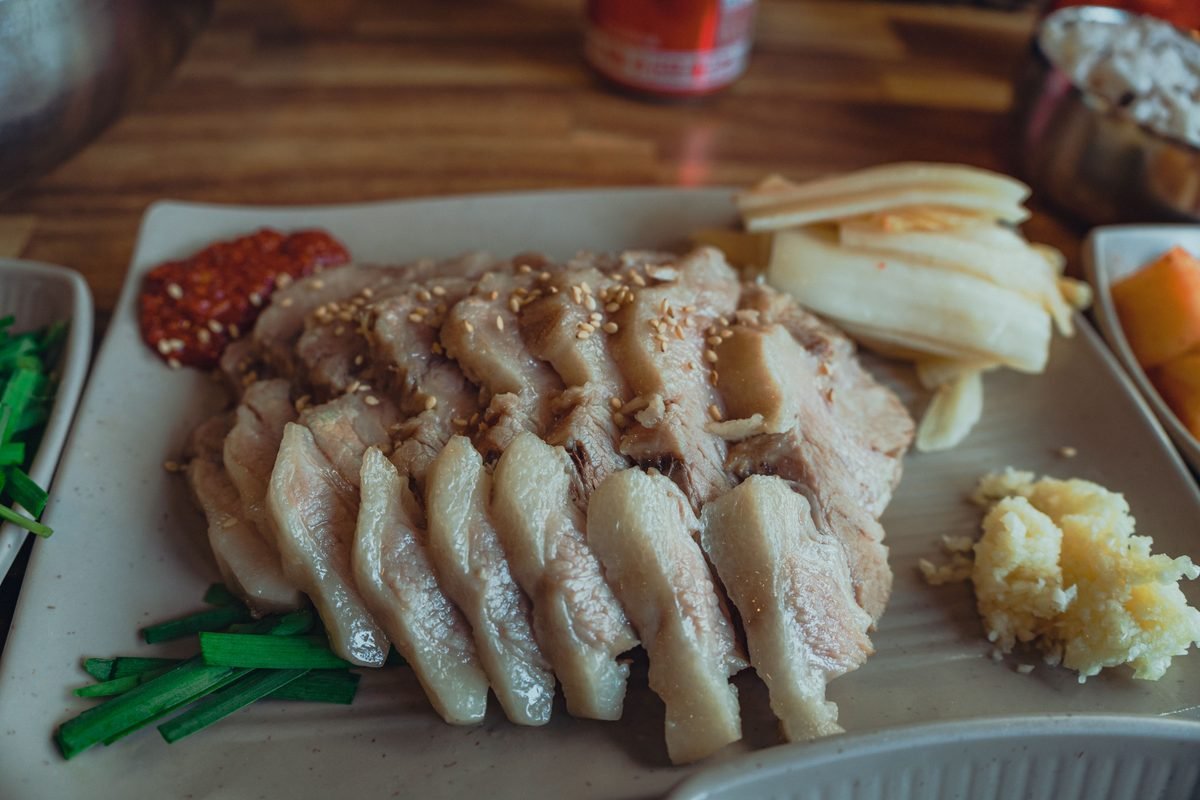
Eating a bowl of chilled buckwheat noodles on its own is satisfying, but pairing cold noodles with a platter of warm bossam is the ultimate Chuncheon dining tradition. Bossam consists of thick slabs of pork belly or pork shoulder simmered slowly with ginger, scallions, garlic, soybean paste, and gentle aromatic spices until tender. The contrast between steaming, savory meat and freezing, nutty soybean noodles creates a memorable harmony of temperatures and textures across the table. Order the bossam first. Having the meat arrive a few minutes before your noodles gives you time to enjoy the warm pork wraps before diving into the cold broth.
Mastering the Bossam Wrap
A standard order of bossam comes served alongside salted napa cabbage leaves or crisp lettuce, pickled radish kimchi seasoned with chili powder, raw garlic cloves, green chili peppers, and a small dish of fermented salted shrimp sauce known as saeujeot. To construct the perfect wrap, dip a slice of tender pork into the salted shrimp sauce to enhance its savoriness, place it on a cabbage leaf, top it with spicy radish kimchi and a garlic slice, and fold it into a single bite. A mid-sized platter of bossam typically costs around ₩30,000 (about $22.50) and easily satisfies two hungry diners when shared alongside noodle bowls.
If you want additional side dishes to complement your meal, most historic Udu-dong shops also make delicate memiljeon, which are paper-thin buckwheat pancakes cooked with whole green scallions. An order costs roughly ₩7,000 (about $5.25) and offers a tender, subtle starter while you wait for your main noodle course to be cooked.
Tip: Dip Pork in Saeujeot
Always dip your boiled pork into the pink salted shrimp sauce (saeujeot). The enzymes aid digestion and bring out the natural sweetness of the meat.
Top Historic Noodle Houses to Visit in Northern Chuncheon
The Udu-dong neighborhood features several multi-generational noodle establishments that have preserved original recipes for over forty years. Walking along Udu-ro, you will spot classic tile-roofed buildings and modest brick storefronts with large banners advertising handmade memil-makguksu. Stepping inside, these traditional restaurants often offer a mix of floor seating on low wooden platforms and standard table seating. Chuncheon sits along the river. The proximity to fresh water and surrounding farm plots ensures these kitchens receive high-grade local soybeans and buckwheat grain delivered daily from nearby growers across Gangwon Province.
What to Expect Inside Classic Dining Halls
Service at these heritage establishments is fast, friendly, and unpretentious. As soon as you are seated, servers present an aluminum kettle filled with warm, cloudy buckwheat boiling water called myeonsu. Drinking this warm buckwheat water before your cold meal settles your stomach and showcases the pure, unsalted taste of cooked grain. Bowls of soy milk makguksu are priced between ₩9,000 and ₩11,000 (about $6.75 to $8.25), offering remarkable value for freshly prepared handmade food.
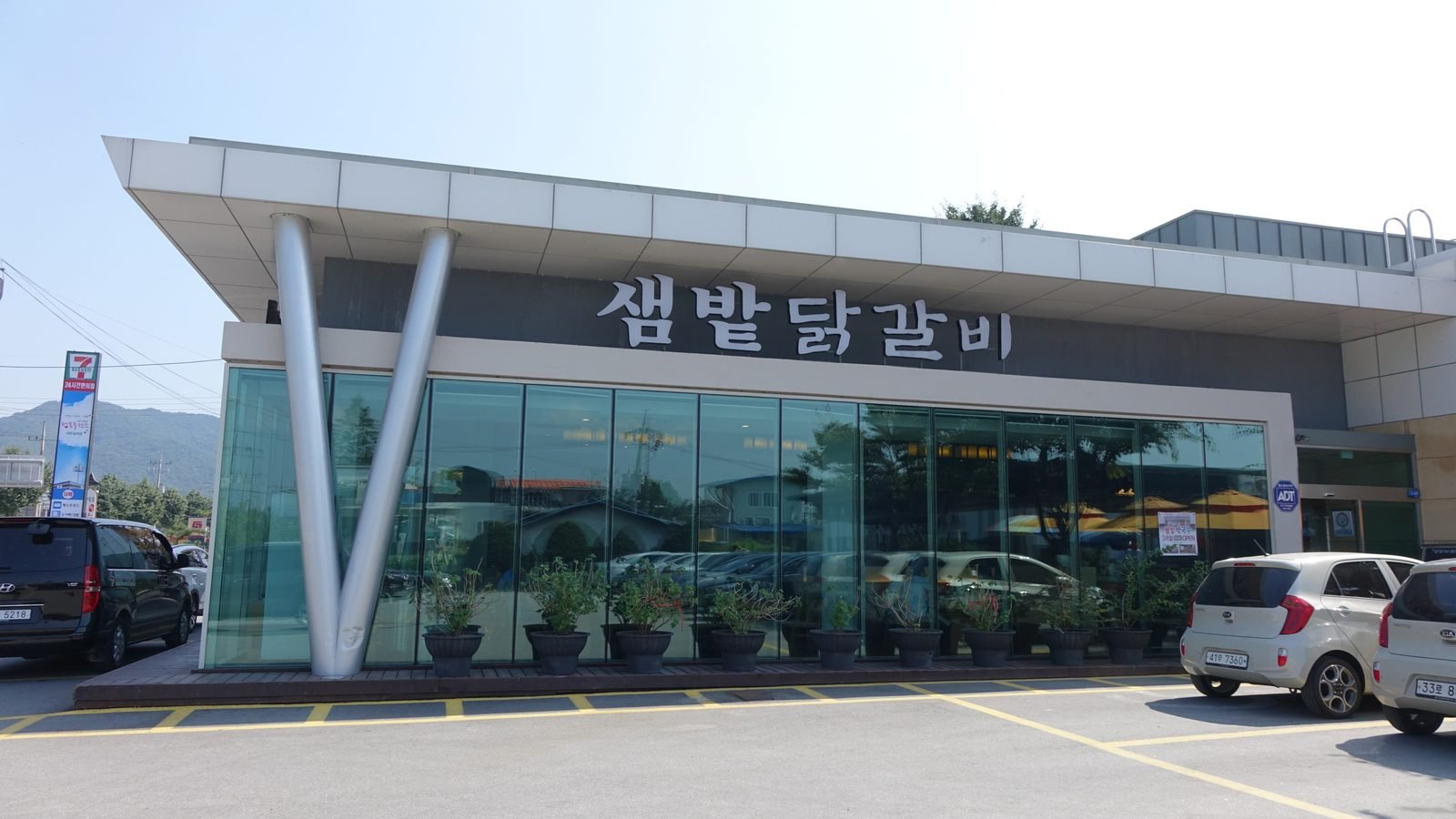
Many travelers choose to combine a morning noodle pilgrimage to Udu-dong with an afternoon exploration of Chuncheon’s broader regional food scene, such as a famous Chuncheon Dakgalbi day trip to sample spicy stir-fried chicken in the central city market. Alternatively, taking a short walk north to the Soyanggang Skywalk, a 174 m pier with a 156 m glass floor beside Soyang 2 Bridge, lets you stand over the river for about ₩2,000, refunded as a local gift voucher before catching the late afternoon express train back to Seoul.
Practical Dining Tips, Operating Hours, and Daily Logistics
Planning your timing carefully is essential when visiting the historic noodle houses in Udu-dong. Traditional kitchens begin grinding fresh soybeans and pressing buckwheat dough early in the morning, opening their doors around 11:00 AM. Peak lunch hour runs from 11:30 AM to 1:30 PM, especially on sunny weekends when visitors travel up from Seoul. Arriving right at opening time guarantees you skip long queues and ensures the soy milk broth is at its freshest concentration. Note that some smaller family-owned shops close early around 4:00 PM once their daily supply of fresh soybean milk runs out.
Payment, Accessibility, and Travel Integration
Major credit cards are accepted without issue across nearly all Chuncheon restaurants, though keeping a small amount of cash like ₩10,000 (about $7.50) is helpful if you stop at road-side stalls selling fresh apples or steamed corn near the river bridge. Staff bring scissors to tables. Do not hesitate to ask for extra icy beef broth or plain soy milk if you want to adjust the consistency of your dish midway through eating.
Because Chuncheon sits on the Gyeongchun rail line, this noodle trip can easily be combined with other popular outdoor stops in Gangwon Province. You can spend your morning enjoying cold buckwheat noodles in Udu-dong before continuing down the rail corridor to complete a Nami Island and Gapyeong day trip in the late afternoon. Return ITX-Cheongchun trains run late into the evening back toward Cheongnyangni and Yongsan, allowing you to enjoy a relaxed dinner before returning to the capital.

Heads up: Watch Out for Afternoon Rest Breaks
Many traditional Udu-dong noodle shops take a daily kitchen break between 3:00 PM and 4:30 PM. Plan to finish your lunch before 2:30 PM to avoid closed doors.
What it costs in Chuncheon
| Item | Local price | USD |
|---|---|---|
| ITX-Cheongchun train (Yongsan to Chuncheon, round trip) | ₩19,600 | ($14.70) |
| Bowl of soy milk cold makguksu in Udu-dong | ₩10,000 | ($7.50) |
| Platter of bossam boiled pork (shared for two) | ₩30,000 | ($22.50) |
| Chuncheon city bus fare (2 rides with card) | ₩3,000 | ($2.25) |
| Side order of memiljeon buckwheat pancakes | ₩7,000 | ($5.25) |
| Mid-range hotel near Chuncheon Station (per night) | ₩85,000 | ($63.75) |
| Total estimated day cost (one person excluding hotel) | ₩39,600 | ($29.70) |
Prices checked October 2026. Always confirm with the provider before you book.
Where to stay in Chuncheon
Budget
Namchuncheon Station area, for low-cost motels and easy transit
Staying near Namchuncheon Station puts you within walking distance of affordable budget motels, convenience stores, and direct local bus connections across the river. Nightly rates for private double rooms range from ₩45,000 to ₩65,000 (about $33.75 to $48.75).
Mid-range
Chuncheon City Hall and Myeongdong, for walking distance to central food alleys
This central district suits travelers who want to explore downtown shops, evening chicken alleys, and vibrant city streets after dark. Mid-range boutique hotels here typically cost ₩75,000 to ₩110,000 (about $56.25 to $82.50) per night.
Splurge
Gongjicheon Park and Uiamho Lakefront, for scenic lakeside hotels and resort stays
Basing yourself along the riverfront offers peaceful lake views, bike paths, and quick taxi access to northern noodle houses in Udu-dong. Higher-end lakeside hotels and modern resorts cost between ₩140,000 and ₩220,000 (about $105.00 to $165.00) per night.
Mistakes to avoid
- Adding mustard, vinegar, and sugar before tasting the unseasoned soy milk broth, which ruins the subtle natural nuttiness of the freshly ground soybeans.
- Taking the standard all-stop Gyeongchun Line subway from Seoul instead of booking an ITX-Cheongchun express train, adding over forty minutes of travel time each way.
- Arriving in Udu-dong after 3:00 PM on weekdays without checking operating hours, as traditional kitchens take mid-afternoon breaks or sell out of fresh broth.
FAQ
What makes Chuncheon makguksu different from Seoul cold noodles?
Chuncheon makguksu uses a higher proportion of freshly ground buckwheat flour in its dough, resulting in an earthier flavor and softer snap compared to wheat or starch noodles in Seoul. The dishes in Udu-dong also specialize in thick, freshly blended soybean milk broth rather than clear beef stock.
How do you get to Udu-dong from Chuncheon Station?
Exit Chuncheon Station via Exit 1 and catch local bus 12 or 15 from the main bus stop for a 12-minute ride across the Soyang River bridge. Alternatively, a direct taxi ride from the train station forecourt to Udu-dong takes under ten minutes and costs roughly ₩6,000 (about $4.50).
When is the best time to visit Chuncheon for cold soybean noodles?
The best time to visit is during late spring, summer, or early autumn when cold soybean milk broth is most refreshing after outdoor sightseeing. Aim to arrive at the Udu-dong noodle houses right at opening time near 11:00 AM to get the freshest batch of freshly ground soy milk before lunch crowds arrive.