Andong Mask Dance Festival and Folk Village Guide

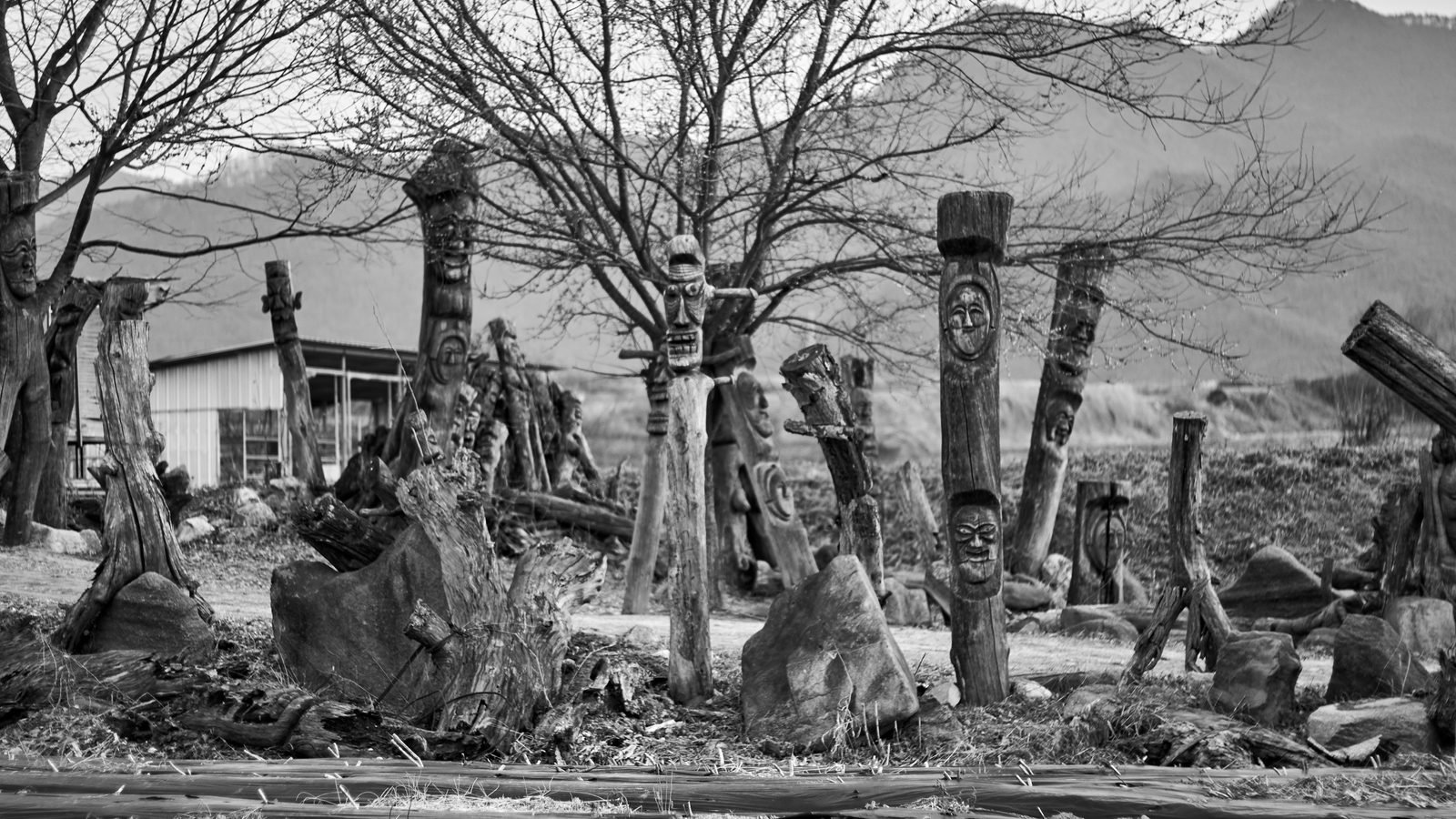
Every autumn, the quiet river bend around Hahoe Folk Village fills with the sound of brass gongs, pounding hourglass drums, and laughter echoing from open-air dirt rings. When the morning river mist clears along the Nakdong, you will hear performers tuning their instruments while smoke rises from traditional wood-fired ondol chimneys across centuries-old tile roofs. Navigating this seasonal shift takes careful planning, which is why this Andong Mask Dance Festival and Folk Village guide brings together everything you need to know about show timings, rural bus connections, and finding a quiet room before the festival crowds arrive.
I live in Seoul, but every autumn I find an excuse to board the Jungang Line train south toward North Gyeongsang Province. This guide is written for independent travelers who want to experience authentic Talchum mask dance drama, sleep under pine timber rafters in a living heritage settlement, and eat spiced braised chicken at rowdy evening street stalls without getting stranded by regional transport schedules.
Andong Mask Dance Festival and Folk Village Guide to Timing and Dates
The Andong Mask Dance Festival runs annually for ten days, starting on the last Friday of September and continuing through the first Sunday of October. Autumn in North Gyeongsang brings crisp mornings, stable blue skies, and comfortable daytime temperatures hovering around 20°C (68°F). The timing also lines up with the early stages of regional leaf shifts, making it a natural highlight if you are also tracking our Korea Autumn Foliage Guide. However, early October is prime domestic travel season across South Korea. When public holidays like National Foundation Day or Hangul Day fall against festival weekends, crowd sizes double.
Festival stages are split between two primary zones. The main commercial fairground is Mask Dance Park, located right in downtown Andong along Yuksa-ro, walking distance from the old station area and the central market. The second, more historic location is inside Hahoe Folk Village itself, positioned roughly 25 kilometers west along the river. While downtown hosts international troupe stages, modern carnival games, night craft beer tents, and major evening fireworks, Hahoe retains the raw, ancestral spirit of the original ritual.
I strongly suggest arriving on a weekday morning. Wednesday or Thursday visits let you walk the dirt lanes between thatched-roof cottages and grand clan manors before tourist buses pull into the outer parking lots. Shows at the Hahoe Mask Dance Drama Performance Hall inside the village operate on a scheduled timetable, usually offering free afternoon sets for village ticket holders. If you want to witness the dramatic Seonyu Julbul Nori—an ancient pyrotechnic display where lit charcoal bags shower fire over the river cliff—check the official festival calendar carefully. It runs only on designated festival weekend evenings under clear skies.
Tip: Weekday vs Weekend Strategy
Visit Hahoe Village on Thursday to watch traditional Talchum without elbowing for bench space. Save Friday night or Saturday for the energetic street parades and food markets in downtown Andong.
How to Get to Andong and Hahoe Village
Reaching Andong from Seoul has become remarkably fast since the introduction of the high-speed KTX-Eum train on the Jungang Line. Trains depart from Cheongnyangni Station in northeastern Seoul and pull into the new Andong Station in approximately two hours. A standard adult one-way ticket costs ₩25,100 (about $18.80). Do not confuse the new Andong Station with the historic downtown depot; the new railway hub sits several kilometers west of the city center, directly integrated with the Andong Intercity Bus Terminal.
Once you exit Andong Station, head to the bus bays immediately outside the terminal doors. To reach Hahoe Village, look for city bus number 210. The adult fare is ₩1,500 cash or ₩1,400 with a standard T-money card. The route winds through countryside roads and takes about 45 to 55 minutes to reach the Hahoe Village ticket office. Keep your transit card tapped on exit to maintain route transfer discounts if you switch buses. If you travel with heavy bags or in a group, a taxi from Andong Station to Hahoe Village will run about ₩28,000 (about $21.00) and takes 25 minutes.
The public bus drops passengers at the Hahoe Village commercial complex, known as Hahoe Market. This is where you purchase your village entrance ticket for ₩5,000 (about $3.75). From the ticket gates, free village shuttle buses run every ten minutes to ferry visitors the remaining 1.2 kilometers to the actual historic residential gate. You cannot walk this access highway easily, so take the shuttle. If you are planning this route as a fast return outing from the capital, our Easy Andong Hahoe Village Day Trip from Seoul covers train connection schedules and luggage locker options at the station.


Heads up: Watch the Last Bus Departure
The last 210 bus from Hahoe Village back to Andong Station leaves around 19:10 on normal schedules. If you miss it, you will have to call a local cab through Kakao T and pay extra regional return surcharges.
Watching Talchum: Meaning, Masks, and Performance Tips
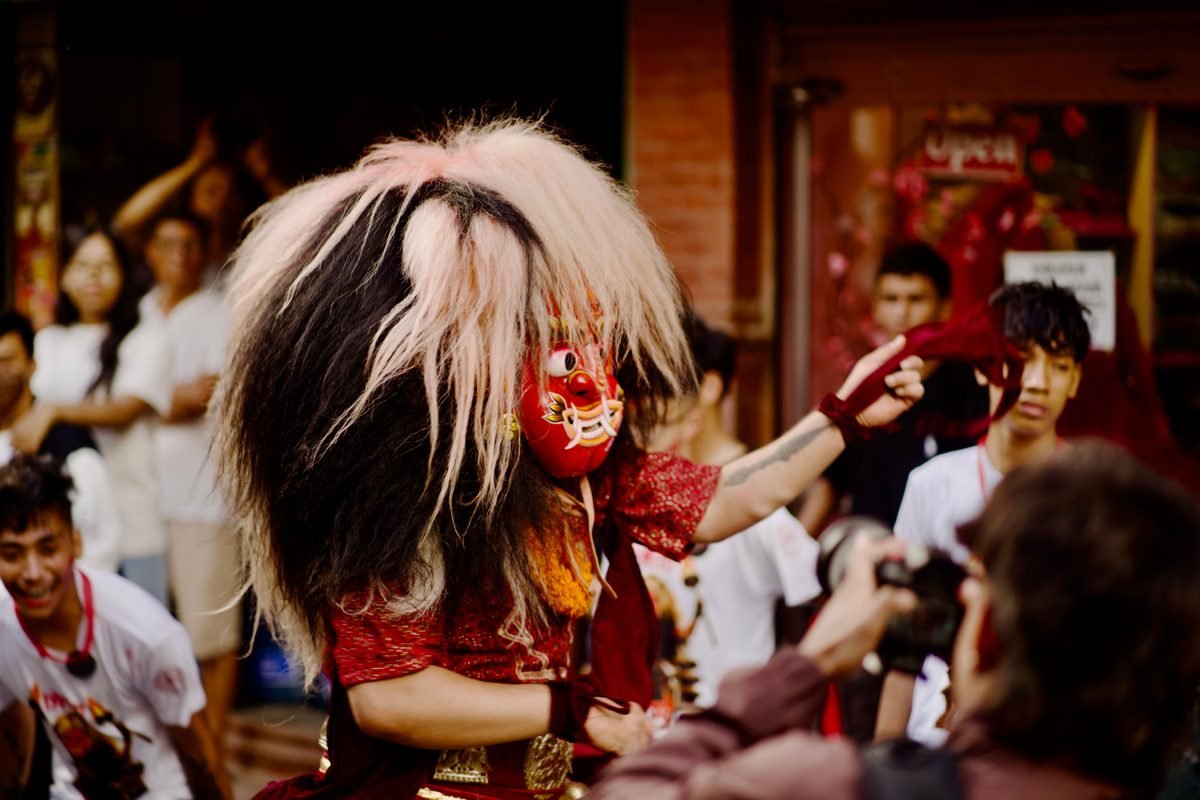
Talchum is much more than theatrical dancing. It is an ancient satirical drama used by commoners during the Joseon Dynasty to mock corrupt aristocrats, hypocritical Buddhist monks, and domestic hardships. The specific version native to this valley is the Hahoe Byeolsingut Talnori, an eight-hundred-year-old ritual originally held to appease local spirits and protect the village from illness. Unlike mask dramas from northern provinces, which were made from papier-mâché and burned after each ceremony, Hahoe masks were carved from solid alder wood and preserved as sacred communal relics.
The characters are instantly recognizable. Look for the Yangban (the arrogant aristocrat) with his broad, hearty wooden grin and open jawline. Watch for the Sonbi (the pretentious scholar) with his narrow eyes and haughty tilt. Then there is Choraengi, the meddling servant who scampers around poking fun at his masters. The physical masks are genius works of Korean folk art. In fact, several masks feature detached chins tied with cord. When the actor leans his head back to shout, the mask’s mouth opens in wide laughter; when he looks down, the mouth closes into a sombre scowl.
Performances run outdoors in a sandy amphitheater ringed by simple wooden benches. Seating is strictly first-come, first-served. During festival dates, the stands fill thirty minutes before showtime. Try to sit in the lower third row opposite the percussionists. The live rhythm is driven by the samulnori quartet: the kkwaenggwari (small gong), jing (large gong), janggu (hourglass drum), and buk (barrel drum). The rhythm starts slow, building to frantic crescendos where dancers leap into the crowd. Even without Korean language fluency, physical comedy carries the entire narrative.
Exploring Hahoe Folk Village Beyond the Stages
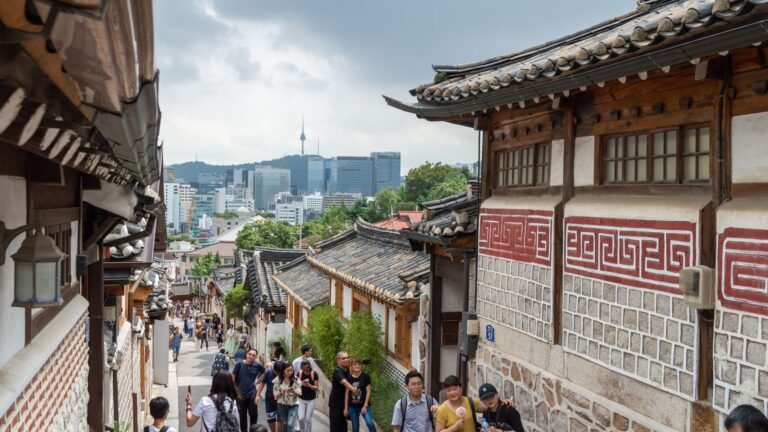
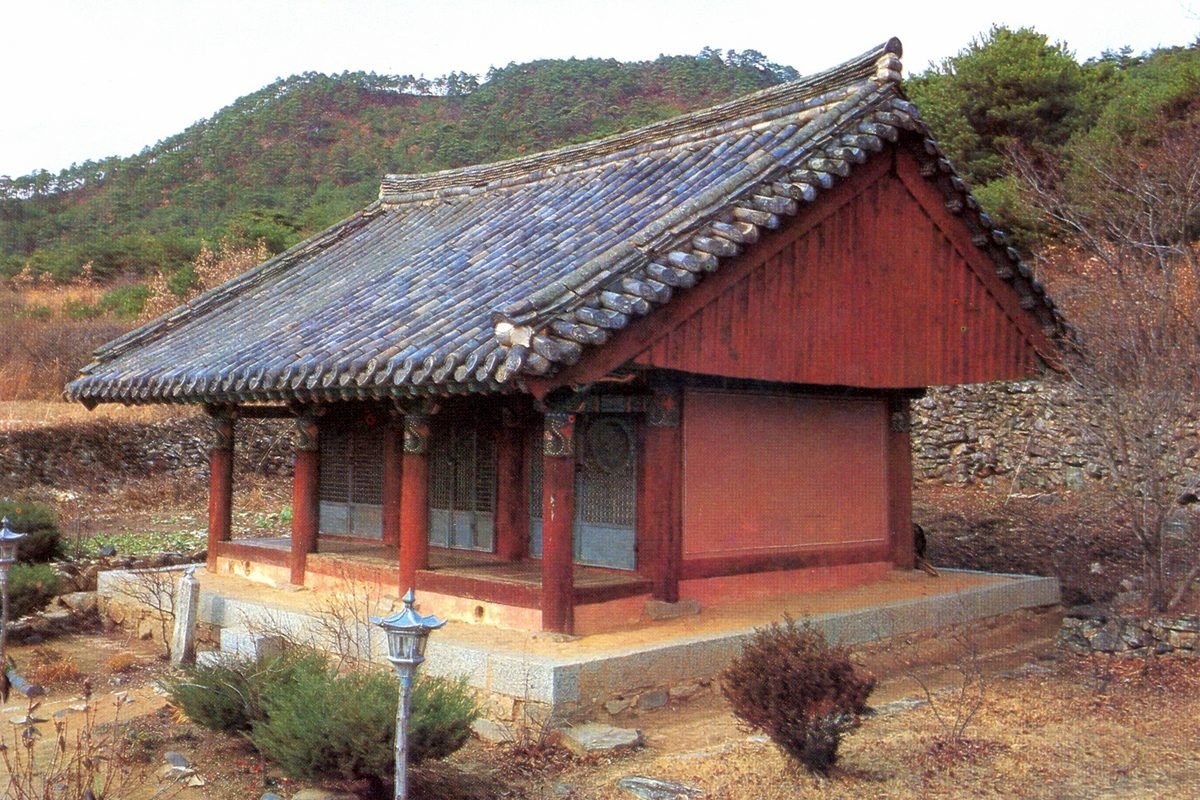
Hahoe is not a manufactured museum park. It is a genuine clan community where descendants of the Ryu family of Pungsan have lived for over six centuries. The name Hahoe means ‘river turning back,’ named for the dramatic S-shaped curve the Nakdong River cuts around the sandy peninsula. The village layout follows classic pungsu-jiri (Korean geomancy), resembling a lotus flower floating on water. Unlike most Korean villages where homes face south, buildings here radiate outward toward the river bends.
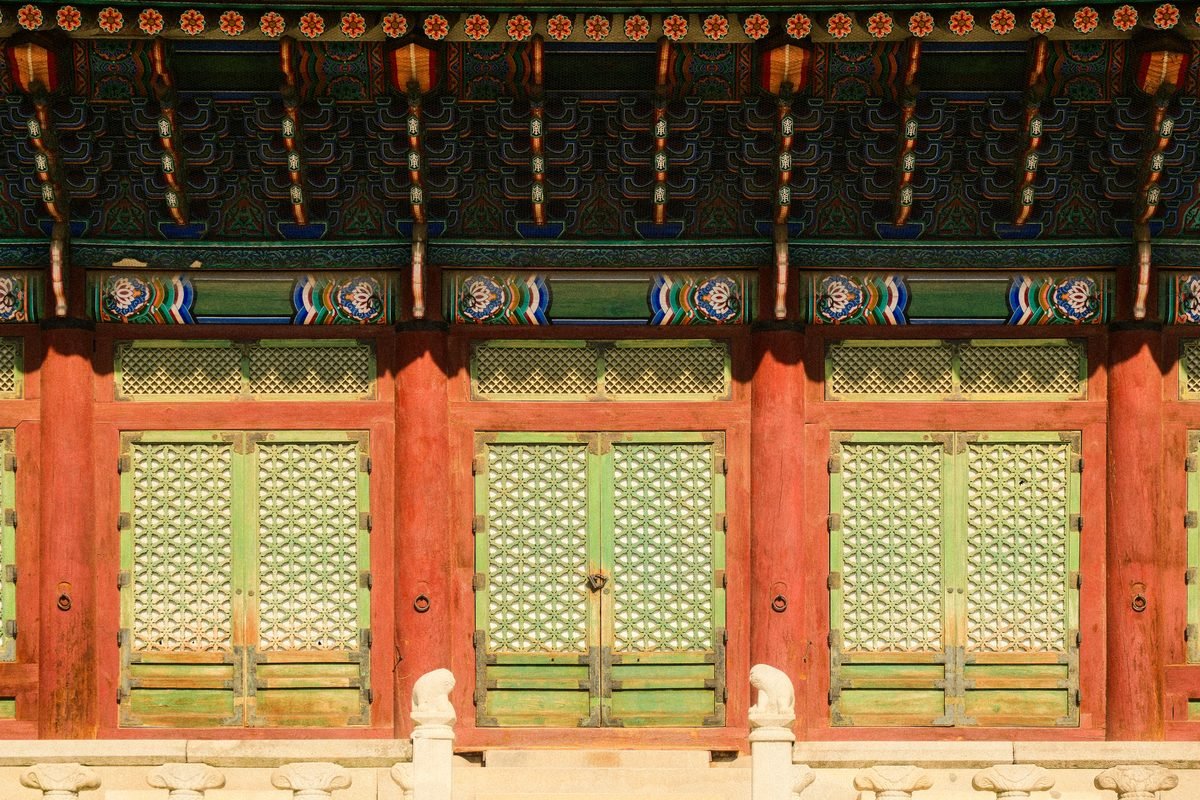
Take time to explore the quiet central alleys away from the commercial souvenir stalls. In the heart of the village stands the Samsin-dang, a gnarled 600-year-old zelkova tree enclosed by a wooden railing. It is considered the dwelling of the goddess who protects childbearing and village well-being. Visitors write personal wishes on long strips of white paper and tie them to the ropes surrounding the trunk. Nearby, the massive Yangjindang manor showcases heavy wooden timber joinery and ancient ancestral shrine pavilions built to withstand centuries of seasonal typhoons.
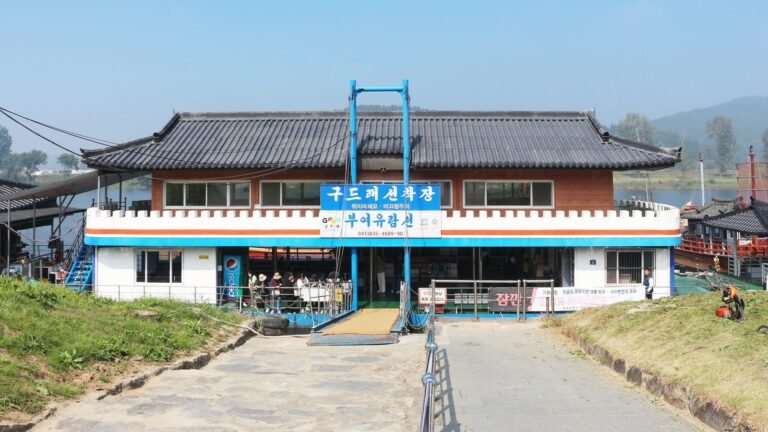
To see the village from its most dramatic viewpoint, walk down to the riverbank and board the small wooden passenger ferry. The boat costs ₩5,000 (about $3.75) round trip in cash and runs on demand across the shallow current. On the opposite bank, climb the steep dirt steps through pine woods to Buyongdae Cliff. The climb takes roughly fifteen minutes. From the 64-meter cliff top, you get an uninterrupted panoramic view across the tile roofs, thatched outbuildings, and the golden sweep of riverside sand bars.


From a local: Quiet Morning Hours
Tourist tour groups rarely arrive before 10:00. If you stay inside the village, walk the perimeter river path under the pine groves at 07:30 to watch early river mist roll over Buyongdae.
Where to Eat: Jjimdak, Salted Mackerel, and Festival Tents
Festival season in Andong is paradise for hearty regional eating. The undisputed star of the city’s food culture is Andong Jjimdak, a savory braised chicken dish born in the central market during the 1980s. A whole chopped chicken is simmered in an aggressive dark soy sauce glaze over roaring gas burners, tossed with thick potato chunks, crunchy cabbage, carrots, and handfuls of dried red chilies. The dish finishes with a mountain of translucent dangmyeon (sweet potato glass noodles) that soak up the sweet, spicy broth.
A medium platter easily feeds three people and costs around ₩32,000 to ₩36,000 (about $24.00 to $27.00). If you want to dive deeper into the history of the poultry market alleys and taste local rice spirits, read our dedicated Andong Jjimdak and Local Food Guide. Another regional essential is Gan-godeungeo (salted mackerel). Historically, fresh fish caught off the East Coast took over a day to travel inland by foot carrier to Andong. Workers heavily salted the fish at the mountain passes just before decay set in, resulting in an exceptionally firm, umami-rich grilled fillet served alongside steaming bowls of white rice.
During the Mask Dance Festival, makeshift food alleys pop up along the perimeter of Mask Dance Park. Look for pojangmacha tents selling fresh Memilmuk-muchim (spiced buckwheat jelly salad with wild greens) for around ₩10,000 (about $7.50) and crispy pajeon (scallion pancakes) sizzling on wide iron griddles. Pair your meal with Andong Soju. Real traditional Andong Soju is distilled from fermented grains and packs an intense 40% to 45% alcohol punch, carrying a dry, smoky rice aroma very different from mass-produced green-bottle soju.


Sleeping in an Authentic Tile-Roofed Hanok
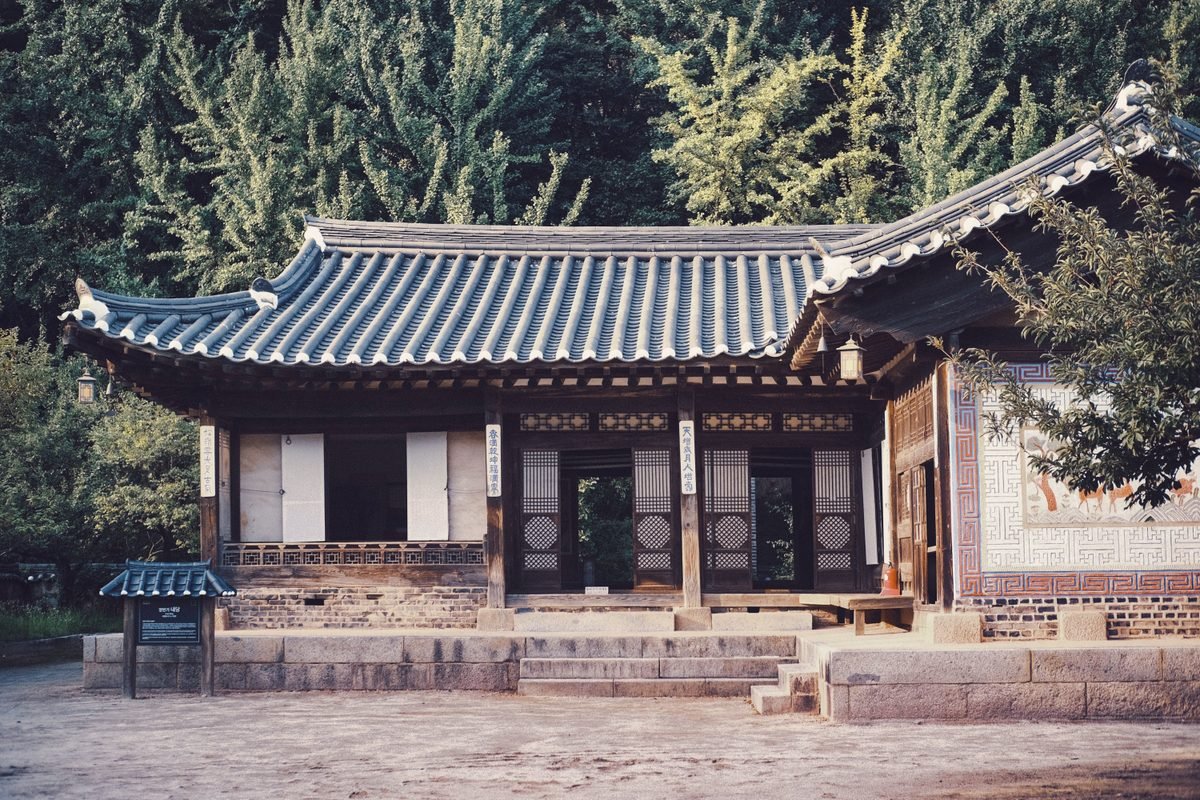
Staying overnight inside Hahoe Village is entirely different from booking a modern hotel in downtown Andong. Several historic clan households offer minbak (simple traditional homestays) in their annexes. You sleep on thick cotton yo (floor futons) spread across warmed linoleum-covered ondol floors heated by underfloor pipes or wood boilers. Rooms are simple and compact. Most feature sliding lattice doors lined with translucent mulberry hanji paper, meaning you will hear crickets at night and birds greeting the dawn.
Expect authentic historic quirks. Century-old private homes were not built with en-suite plumbing. While several restored guesthouses have installed modern private bathroom pods inside the rooms, many properties still require walking across an open stone courtyard to a shared detached bathhouse. Nightly rates for a standard room run between ₩70,000 and ₩130,000 (about $52.50 to $97.50), while grand head-family manors (Jongtaek) command upwards of ₩200,000 (about $150.00) per night.
The biggest hurdle for foreign travelers is reserving these rooms. Most village homeowners are elderly residents who do not list on major international booking engines like Booking.com or Agoda. Some can be booked through Korean platforms like Naver Place using translation tools, while others rely on text messages sent directly to Korean phone numbers. If you cannot secure a room inside Hahoe, look for traditional accommodations in the Jirye Artists’ Colony or book a clean business hotel next to the downtown market, which allows you to enjoy late festival shows without worrying about the bus home.
Book ahead: Reserve Three Months Early
Rooms inside Hahoe Folk Village sell out months in advance for festival weekends. If you plan to visit in late September or early October, secure your accommodation by July.
What it costs in Andong
| Item | Local price | USD |
|---|---|---|
| KTX-Eum train (Seoul Cheongnyangni to Andong, one way) | ₩25,100 | $18.80 |
| City bus fare (Andong Station to Hahoe Village, return) | ₩2,800 | $2.10 |
| Hahoe Folk Village adult admission ticket | ₩5,000 | $3.75 |
| Buyongdae wooden river ferry (round trip) | ₩5,000 | $3.75 |
| Shared Andong Jjimdak dinner (split between two) | ₩17,000 | $12.75 |
| Festival street snacks and buckwheat pancake | ₩10,000 | $7.50 |
| Mid-range hanok minbak stay in Hahoe Village (per room) | ₩95,000 | $71.25 |
| Realistic daily total (transport + entry + meals + half room) | ₩112,400 | $84.30 |
Prices checked October 2026. Always confirm with the provider before you book.
Where to stay in Andong
Budget
Downtown Andong, near the Old Station and Central Market
This area suits independent travelers who want cheap motel rooms and quick access to late-night festival street stalls. You can walk to the Gu Market jjimdak alley in five minutes and catch direct buses to Hahoe from the main street, with basic rooms running ₩45,000 to ₩65,000 per night.
Mid-range
Hahoe Folk Village, for traditional thatched-roof minbak homestays
Staying inside the village lets you walk the historic dirt lanes after day-trippers leave and wake up right next to the performance stages. Rooms feature traditional heated ondol flooring and shared courtyards, generally costing between ₩80,000 and ₩120,000 per night.
Splurge
Hahoe Village Head Houses (Jongtaek) and restored clan estates
Ideal for travelers seeking an authentic cultural immersion inside centuries-old wooden timber estates run by clan descendants. You stay in spacious private wings surrounded by preserved gardens and ancestral shrines, with nightly rates ranging from ₩180,000 to ₩260,000.
Mistakes to avoid
- Arriving at Hahoe Folk Village after 11:00 on a festival weekend, when parking lots back up for kilometers and bus lines stretch across the terminal.
- Assuming city bus 210 runs late into the evening; the last return departure leaves the village shortly after 19:00.
- Expecting Western-style elevated beds and en-suite bathrooms in authentic Hahoe hanok homestays without checking room specifications first.
- Skipping the Buyongdae ferry crossing because of the small cash fee, missing the premier high-angle vista over the entire river bend.
- Looking for the old downtown train station on modern rail booking apps instead of selecting the newly relocated Andong Station.
FAQ
How much does it cost to enter the Andong Mask Dance Festival?
Access to the main festival grounds at Mask Dance Park is free, including the street parades, outdoor market stalls, and public plaza concerts. Specific indoor performances by invited international troupes and domestic cultural asset teams charge nominal ticket fees of around ₩5,000 to ₩10,000 (about $3.75 to $7.50). Regular entry to Hahoe Folk Village costs ₩5,000, which includes access to the scheduled outdoor village Talchum shows.
How long should I spend at Hahoe Folk Village?
Plan for at least four to five hours if you are visiting on a day trip. This gives you enough time to ride the shuttle, watch a full one-hour Talchum performance, walk through the central clan manors, cross the river to climb Buyongdae Cliff, and sit down for a local salted mackerel lunch.
Can I visit Andong as a day trip from Seoul?
Yes, taking the morning KTX-Eum from Cheongnyangni Station gets you to Andong in roughly two hours. From there, catching a taxi or bus 210 directly to the village makes a day visit feasible, though staying overnight offers a much more relaxed experience.
Where can I pick up a printed village trail map and festival schedule?
English tourist information booths operate both inside the new Andong Station lobby and at the entrance to Hahoe Market. The staff distribute detailed printed daily performance schedules, village trail maps, and bus timetable leaflets.