Namhae German Village and Sea Cliff Guide: A Local Trip

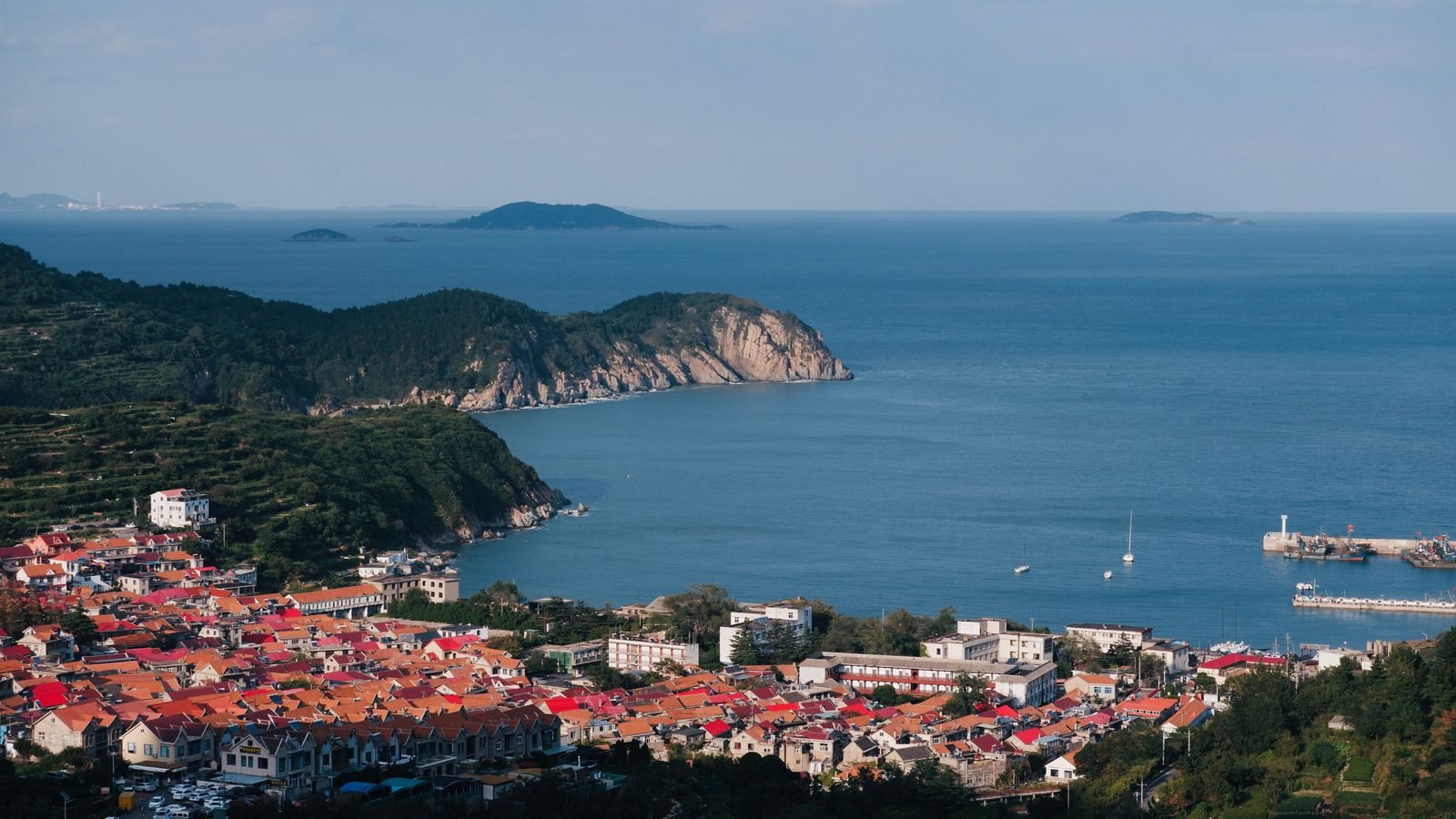
Salt air drifts across steep slopes where orange-tiled gables look out onto the blue waters of the South Sea. On an October morning in Namhae, the mist burns off to reveal whitewashed houses perched high above Mulgeon Harbor, followed by the smell of toasted rye bread and sizzling Bratwurst. This corner of Gyeongsangnam-do feels unlike anywhere else in the country. It is a quiet coastal county where Korean history and German village architecture collide on rugged sea crags.
This Namhae German village and sea cliff guide is written for independent travelers heading down from Seoul or Busan who want more than just standard tourist viewpoints. Here is the full breakdown of how to reach the island, where to taste authentic Weissbier and house-made sausages, how to walk the dizzying rock ledges of Geumsan Boriam, and how to navigate the 108 stone-walled tiers of Daraengi Village without losing your footing.
Namhae German village and sea cliff guide: Getting there and transit
Reaching Namhae Island requires deliberate transit planning because the island has no commercial airport or passenger train station. If you travel by public transit from Seoul, board an express bus at Seoul Nambu Terminal direct to Namhae Intercity Bus Terminal. The ride takes about 4 hours and 30 minutes, with standard udeung coach seats priced at roughly ₩38,200 (about $28.65). Alternatively, you can take a KTX from Seoul or Yongsan to Jinju Station for roughly ₩54,000 (about $40.50), then catch an intercity bus from Jinju Terminal down to Namhae in roughly an hour for ₩6,300 (about $4.75).
Once you arrive at Namhae Bus Terminal, public transportation gets sparse. Rural county buses run along the coast, but departures to specific villages occur only four to eight times daily. A local bus ride costs roughly ₩1,500 (about $1.15) with a transit card, but waiting between connections can burn half your day. For complete freedom between the cliff viewpoints and Mulgeon Harbor, pick up a rental vehicle in Jinju or Suncheon before crossing the bridge. If you plan to drive yourself, read up on How to Rent a Car in South Korea as a Foreigner before you set off.
Taxis on the island operate on metered fares starting around ₩4,000 (about $3.00), but long trips between distant coasts add up quickly. A one-way taxi ride from Namhae Bus Terminal to the German Village costs approximately ₩22,000 (about $16.50), while heading down to the southern tip at Daraengi Village will run closer to ₩35,000 (about $26.25). Local drivers will hand you business cards so you can call them for return journeys, since roadside hailing outside the county seat is nearly impossible. Kakao Taxi functions in the main towns, but cars can be very scarce around remote fishing hamlets.
Heads up: Rural Bus Schedules Change Frequently
Bus timetables posted at rural village shelters are often written only in Korean and change with seasonal farm schedules. Always ask the driver when the last return coach departs before you walk down to the shore.
Exploring Dogil Maeul: Architecture and historical roots
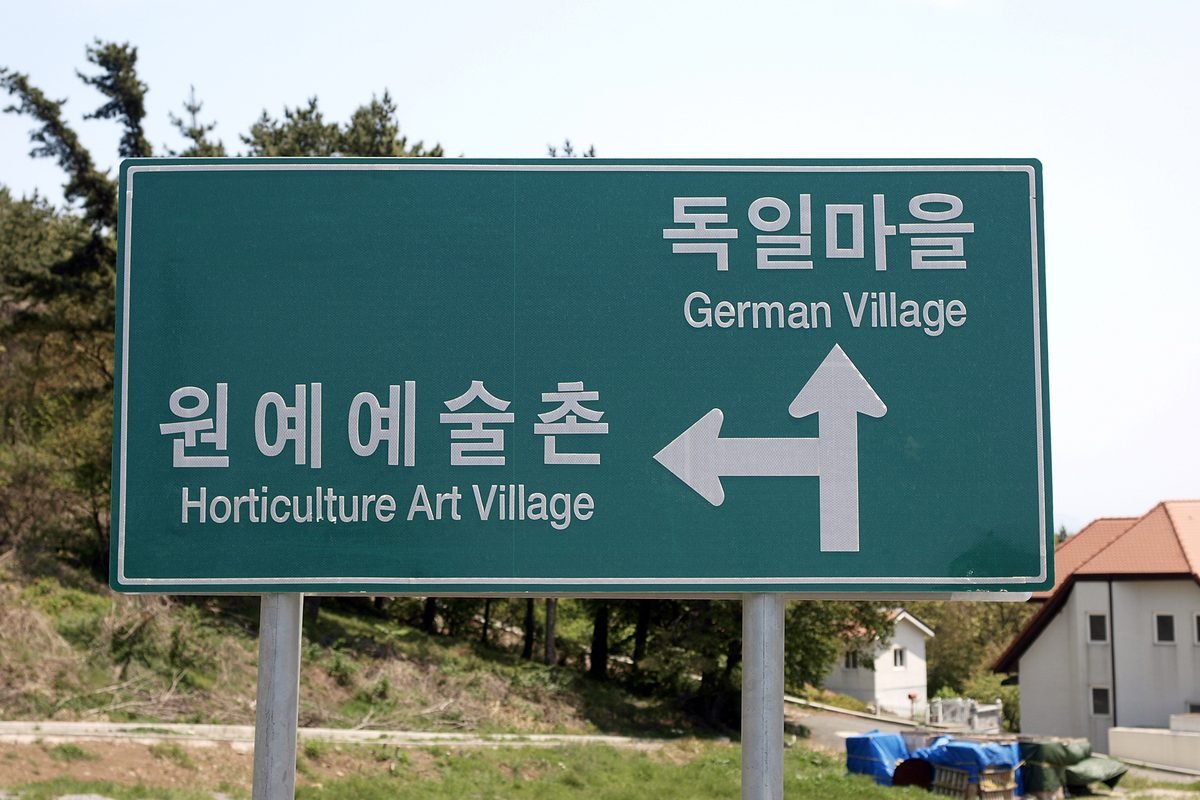
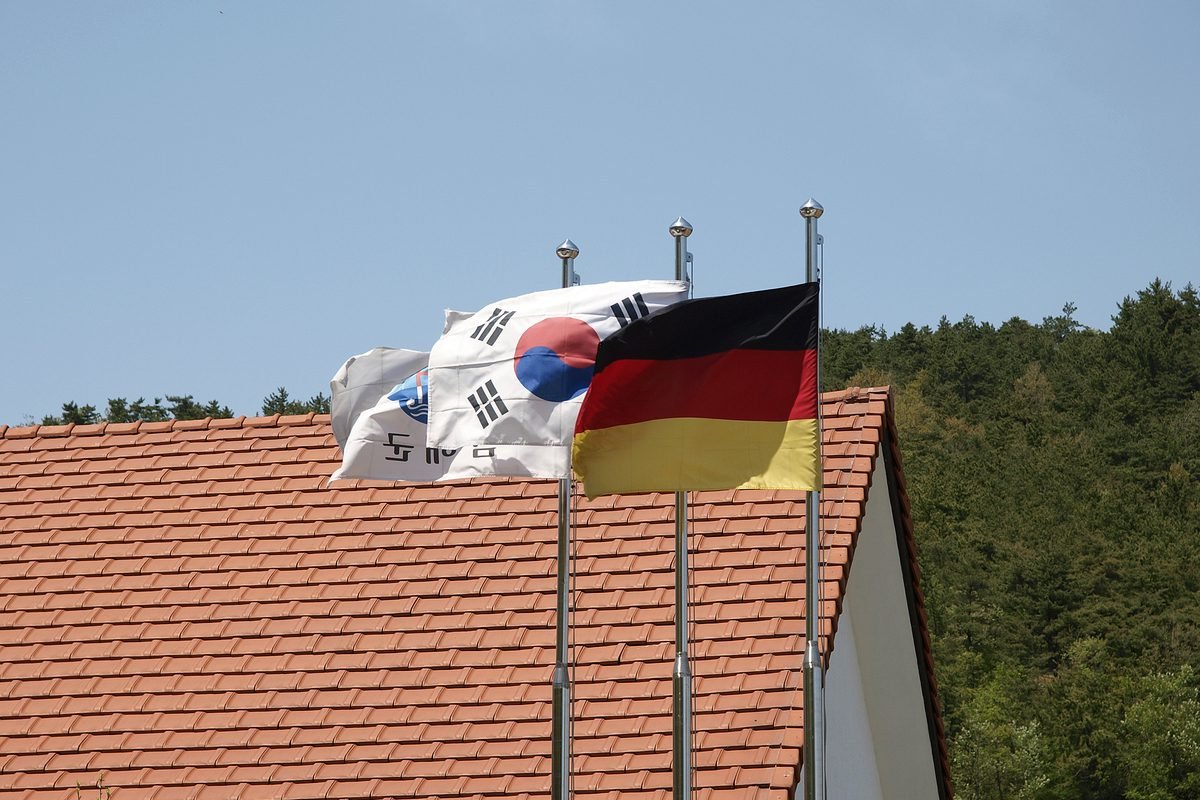
Dogil Maeul, known in English as the German Village, sits high on the hillside of Samdong-myeon. In the 1960s and 1970s, thousands of young South Koreans moved to West Germany as coal miners and nurses to send remittances home, supporting families and fueling South Korea’s early industrial economy. Decades later, in the early 2000s, Namhae County provided land to those aging emigrants wishing to resettle in their homeland. They imported German construction materials, roof tiles, and timber trusses to build authentic Bavarian and northern German homes.
Walking up the main avenue, Dogil-ro, you see roughly 40 residential properties with pristine white stucco walls and high-pitched terracotta roofs. Many of the original returnees still live here, tending gardens filled with geraniums and small vegetable patches. A short walk to the top of the hill brings you to the Namhae German Exhibition Hall. Entry costs ₩1,000 (about $0.75), which offers an eye-opening look at archival letters, vintage mining gear, medical uniforms, and film reels chronicling the lives of the workers in the Ruhr Valley.
Past the museum plaza, follow the stone path out to the hillside viewing platform. From this lookout, the red-tiled village drops away toward the dark green pine groves of Mulgeon-ri and the curved pebble shore below. The view is distinctively serene in late autumn. Crisp weather turns the coastal hills amber while leaving the waters a deep navy blue. Respect private gates and front porches; these remain active homes for elderly residents who value their quiet routines amid visiting travelers.
From a local: Visit the Mulgeon Windbreak Forest
Walk down the paved foot trail from the lower village edge to the shore to see the 300-year-old Mulgeon Bangpungnim, a coastal forest of zelkova and hornbeam trees planted to shield the cove from winter gales.
Where to drink Weissbier and eat bratwurst in the village
Food in Dogil Maeul departs completely from typical Korean seaside fare. You will not find standard grilled fish or soju tents along Dogil-ro. Instead, beer halls and bakeries serve imported German lagers, Bavarian wheat ales, and warm plates of sausage with sauerkraut. Namhae Brewery and local taprooms pour draft hefeweizen, dunkel, and pilsner alongside house-made bottled beers infused with local Namhae ingredients like yuja (citron) and wild garlic.
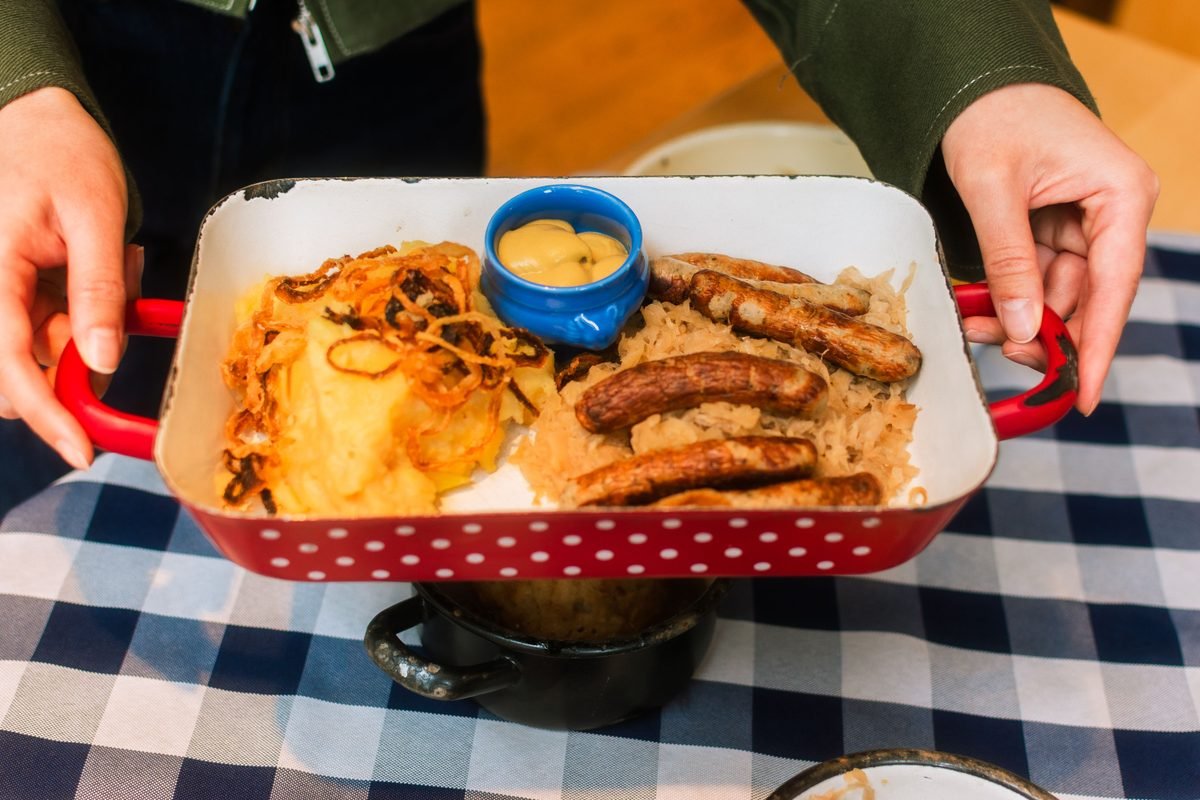
Grab an outdoor deck table at one of the rustic pubs overlooking the bay. A classic Bratwurst platter served with seeded mustard, potato salad, and braised sauerkraut costs roughly ₩16,000 (about $12.00). The sausages have a firm snap and juicy texture, seasoned traditionally with marjoram and white pepper. Pair your platter with a 500ml draft Weissbier for around ₩8,000 (about $6.00). It is cloudy, fragrant with notes of clove, and crisp enough to cut through the rich pork.
Save space for dessert while wandering the upper street. Several independent bakeries bake Apfelstrudel and pretzels daily. A salted lye pretzel runs about ₩4,000 (about $3.00), baked to a deep chestnut brown with a chewy interior. If you want a taste of regional citrus, stop at a local dessert stall for soft-serve yuja ice cream, priced at ₩4,500 (about $3.35). The sharp acidity of the local citron balances the sweet cream, offering a refreshing palate cleanser after an afternoon of German pub fare.

Daraengi Village: Terraced rice paddies on ocean cliffs
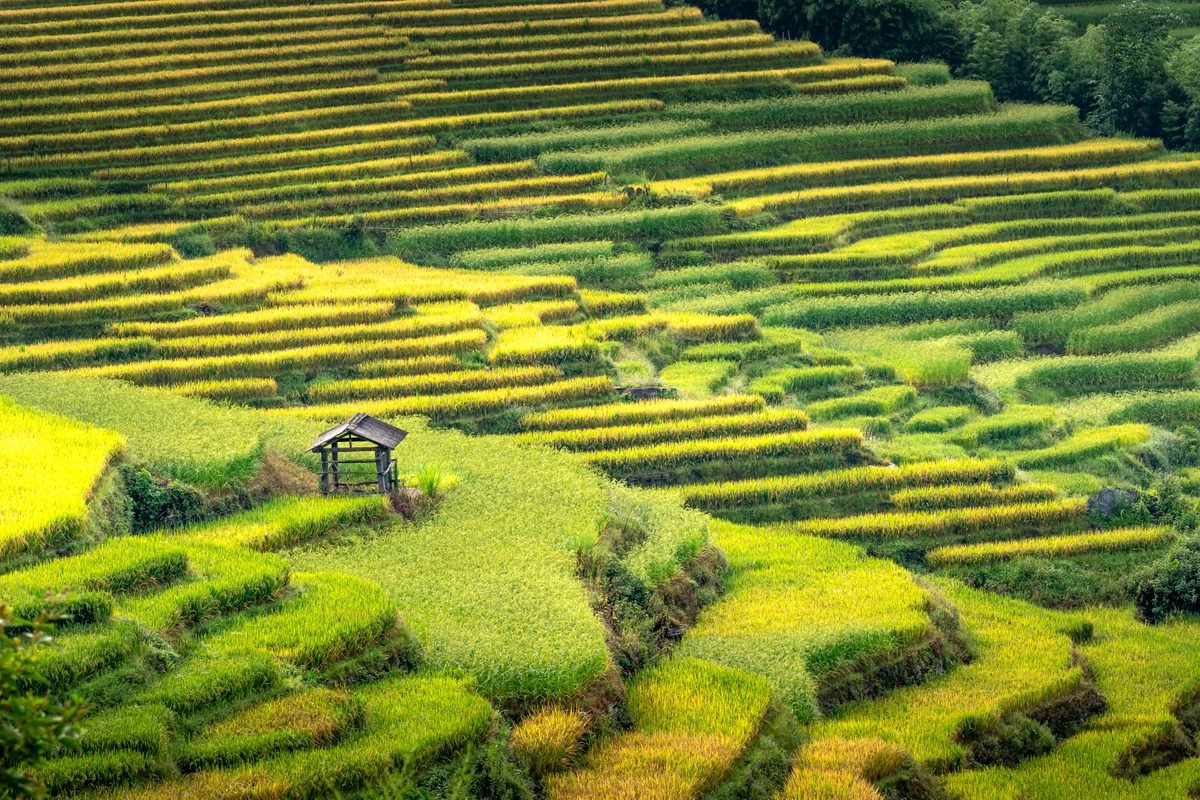
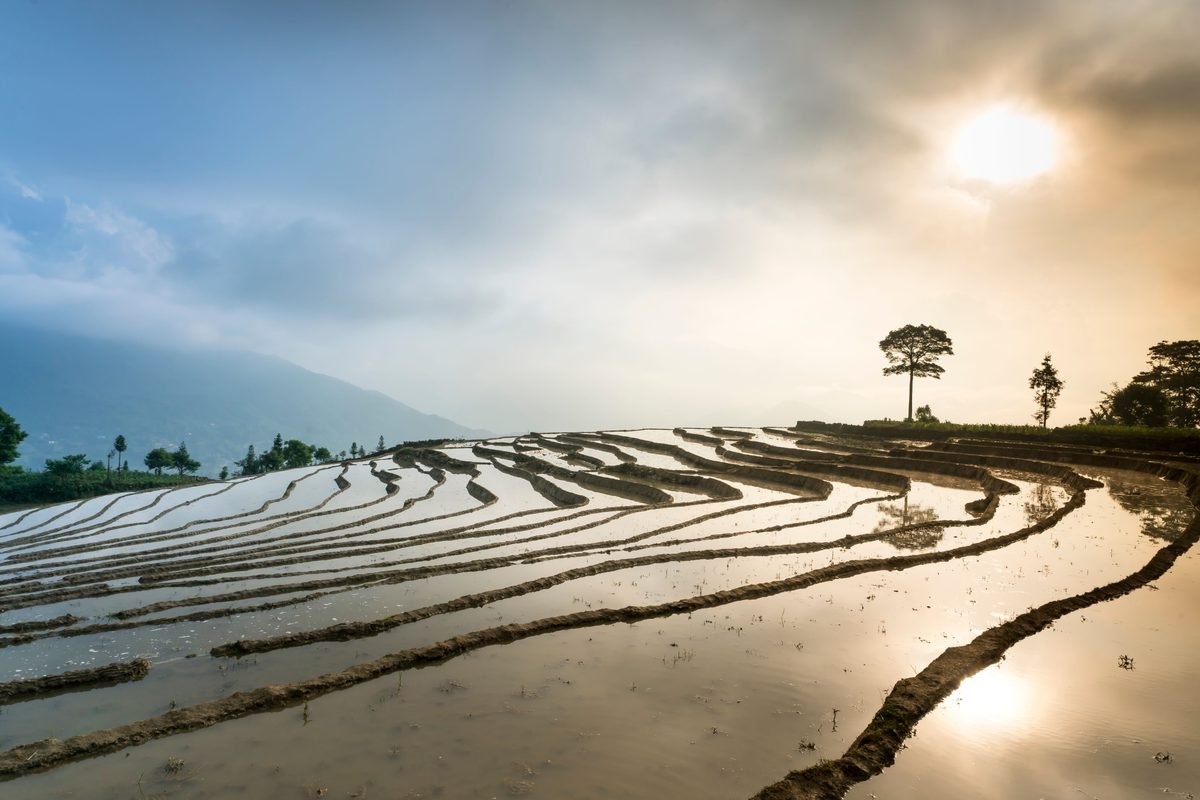
Located on the southwestern bluffs of Namhae, Daraengi Village showcases traditional Korean agricultural engineering at its most extreme. To survive on this steep, rocky mountain slope, generations of coastal farmers painstakingly hauled stones by hand to build retaining walls, carving out over 100 tiered paddies that cascade down directly to crashing sea breakers. The village is so steep that modern tractors cannot access the narrow plots, meaning cattle and hand tillers still work the land during planting cycles.
Admission to Daraengi Village is free. Paved walking paths switch back through the narrow village alleys between low slate-roofed cottages. In October, the rice paddies turn brilliant gold just before harvest, rippling against the dark blue sea below. The descent down to the shoreline takes about twenty minutes on foot, leading you across a small wooden suspension bridge strung between coastal boulders where anglers cast lines into deep tidal pools.
The return climb will test your legs. Take your time ascending the hillside stairs and stop at a cliff-edge makgeolli tavern. These family-run terrace shops serve local Namhae yuja makgeolli for roughly ₩5,000 (about $3.75) per bottle alongside crisp seafood pajeon for ₩14,000 (about $10.50). The pancake comes packed with local squid, spring onions, and wild mountain herbs. Sitting on an open wooden terrace while sipping tart, sparkling rice wine and watching the surf crash against jagged volcanic rocks below is an essential island memory.
Tip: Wear Shoes with Solid Tread
The concrete village lanes slant at angles exceeding 20 degrees. Wet ocean mist makes the smooth stone inclines slick, so avoid flat slip-ons or open sandals.
Walking the high cliffs: Geumsan Boriam and Seolri Skywalk
Beyond the agricultural terraces, Namhae features some of the most dramatic coastal rock formations in Korea. Boriam Hermitage sits perched beneath the granite pillars of Mount Geumsan, high inside Hallyeohaesang National Park. To get there without completing a grueling three-hour uphill hike, drive or ride the local shuttle bus from the lower park parking lot to the Bokgok upper terminal. The village shuttle bus ticket costs ₩1,400 (about $1.05) each way.
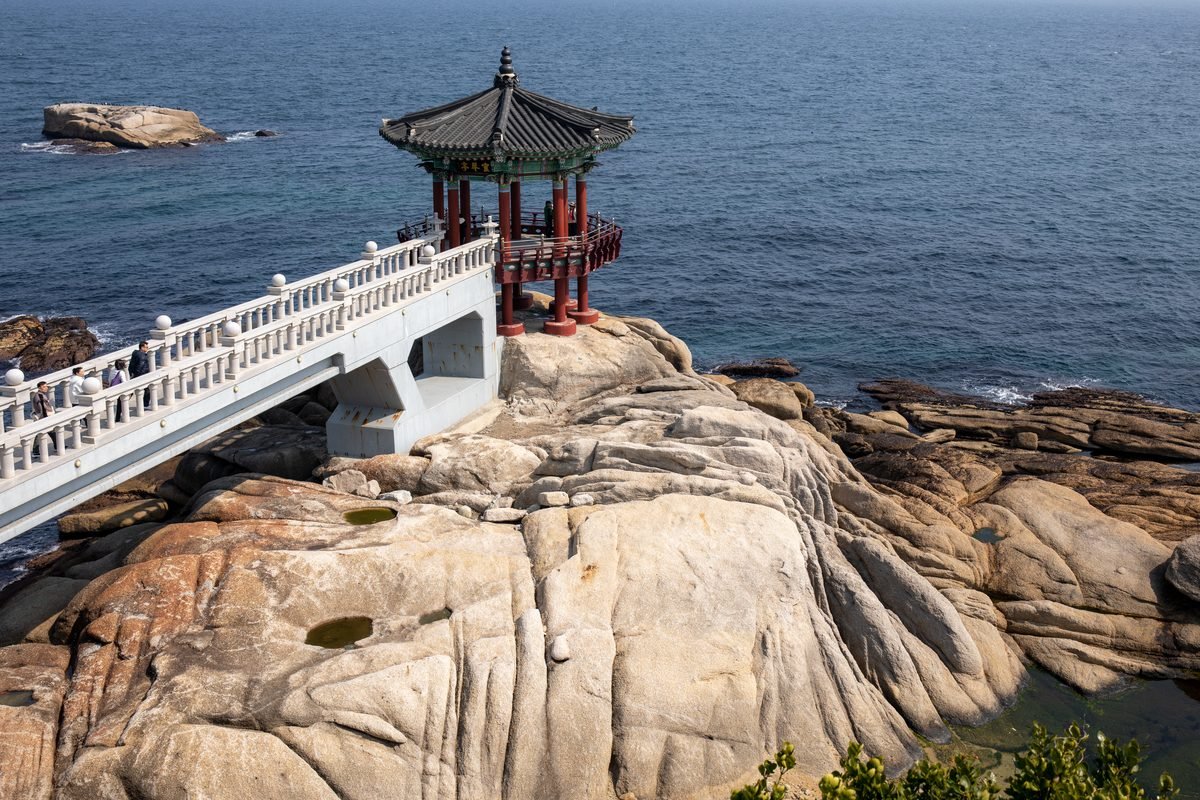
From the upper drop-off point, a paved forest incline leads to the temple grounds in about 15 minutes. Admission to Boriam is free following the nationwide temple fee abolition. When the path opens, you find yourself standing among weathered stone lanterns and cliff-clinging pavilions looking straight down onto Sangju Silver Sand Beach and scattered offshore islets. Hike an additional ten minutes past the main shrine to reach Geumsan Sanjang, a rustic mountain hut selling hot instant ramyeon for ₩4,000 (about $3.00) that you eat on outdoor wooden tables placed right at the precipice.
For a different perspective on the sea cliffs, head to the island’s southeastern tip to visit the Seolri Skywalk. Admission is ₩2,000 (about $1.50) for adults. The cantilevered glass walkway extends 79 meters outward over the rocky coastline, hanging 36 meters above the surf. At the tip of the structure, an open-air swing propels brave visitors directly out over the drop for an extra ₩4,000 (about $3.00), providing an unobstructed, heart-pumping view of the South Sea horizon.
Book ahead: Arrive Early for Bokgok Parking
The upper parking area at Geumsan Bokgok holds fewer than 80 cars. On autumn weekends, arrive before 08:30 to bypass long vehicle queues at the lower control barrier.
Practical island travel: Driving, weather, and etiquette
Driving on Namhae Island provides access to empty coves that tour buses cannot reach, but rural roads demand full attention. Highway 19 and Highway 77 snake along mountainous contours with sharp hairpin curves, blind summits, and sudden descents. Local farm trucks and tractors frequently pull onto the blacktop at slow speeds. Speed cameras are common near school zones and fishing villages, where limits drop abruptly to 30 km/h. Keep your eyes sharp for roaming deer and wandering village pets.
October brings some of the best travel weather of the year. Daylight temperatures hover around 19°C to 22°C (66°F to 72°F), with dry air and clear blue skies. However, evening winds coming off the South Sea drop temperatures quickly down to 10°C (50°F). Pack a windbreaker or a fleece layer for sunset walks along coastal ridges. Unlike big cities, shops and cafes in rural Namhae close early; many bakeries and village kitchens shut their doors by 18:00 or 19:00 outside of peak summer weekends.
Respect local rural culture while sightseeing. Remember that both Dogil Maeul and Daraengi Village are living residential neighborhoods, not staged theme parks. Elderly residents wake before dawn to tend fields and sleep early in the evening. Keep your voice down in residential lanes, never fly drones over private courtyards without explicit clearance, and carry your personal trash back out with you, as public waste bins are virtually nonexistent along village footpaths. If you plan a longer southern road trip, consider reading our Namhae Island Travel Guide or continuing onward with our Tongyeong and Geoje Island Guide.
What it costs in Namhae
| Item | Local price | USD |
|---|---|---|
| Express Bus Seoul Nambu to Namhae (one way) | ₩38,200 | $28.65 |
| Local Bus Fare (with transit card) | ₩1,500 | $1.15 |
| German Exhibition Hall Entry Fee | ₩1,000 | $0.75 |
| Bratwurst and Sauerkraut Platter | ₩16,000 | $12.00 |
| Draft Weissbier (500ml) | ₩8,000 | $6.00 |
| Bokgok Shuttle Bus to Boriam (one way) | ₩1,400 | $1.05 |
| Seolri Skywalk Entry Fee | ₩2,000 | $1.50 |
| Mid-range Pension per night (average) | ₩120,000 | $90.00 |
Prices checked October 2026. Always confirm with the provider before you book.
Where to stay in Namhae
Budget
Namhae-eup, for town guesthouses near the bus terminal
This area suits solo travelers and transit riders who want easy access to rural bus lines, local markets, and 24-hour convenience stores. You can walk to the intercity terminal in under ten minutes, with clean guesthouses and basic motels running between ₩45,000 and ₩65,000 ($34 to $49) per night.
Mid-range
Mulgeon Harbor and Dogil Maeul, for sea-facing pensions
This base suits couples and food lovers who want to walk into the German Village for evening beer and dinner without worrying about driving back. You are a five-minute stroll from craft beer halls and scenic morning harbor trails, with comfortable pension rooms averaging ₩100,000 to ₩150,000 ($75 to $113) per night.
Splurge
Southern bluffs near Seolri, for luxury cliffside pool villas
This stretch suits road-trippers looking for total seclusion, private infinity plunge pools, and floor-to-ceiling ocean sunrise panoramas. You will need a car to reach dining options, but the coastal views are unmatched, with high-end ocean villas running ₩280,000 to ₩450,000 ($210 to $338) per night.
Mistakes to avoid
- Relying solely on local buses without checking the last return departure, stranding yourself on distant coves after sunset.
- Attempting to push baby strollers or heavy wheeled luggage down the steep stone paths of Daraengi Village.
- Driving up to Geumsan Boriam’s upper parking lot late on autumn weekends and getting stuck in a two-hour traffic bottleneck.
- Assuming restaurant kitchens stay open late into the evening in small fishing communities.
- Trespassing into private front yards and residential gardens in the German Village to snap photos of houses.
FAQ
How many days do you need to explore the Namhae German Village and coastal sights?
Two full days are ideal to explore the German Village, Daraengi terraced fields, and Mount Geumsan without rushing. If you do not rent a car, add an extra day to account for slow bus schedules.
When does the German Village hold its annual beer festival?
The Namhae German Village Oktoberfest is held annually in early October, featuring German folk performances, beer tastings, and parade walks along Dogil-ro. Expect heavy crowds, full pensions, and tight parking during festival days.
Can you visit both Dogil Maeul and Daraengi Village in one day?
Yes, if you have a rental car, as the drive between them takes roughly 45 minutes along the southern coastline. Traveling between them by public bus takes several hours because you must transfer through Namhae-eup.
Is Geumsan Boriam accessible for travelers with limited mobility?
The path from the upper shuttle bus stop to Boriam is a paved, 15-minute uphill walk, but the temple itself contains steep stone steps and uneven rock ledges. Wheelchairs cannot navigate the lower temple terraces or the walk to Geumsan Sanjang.