A Local Guide to Andong Soju: Museums, Beef, and 45% ABV

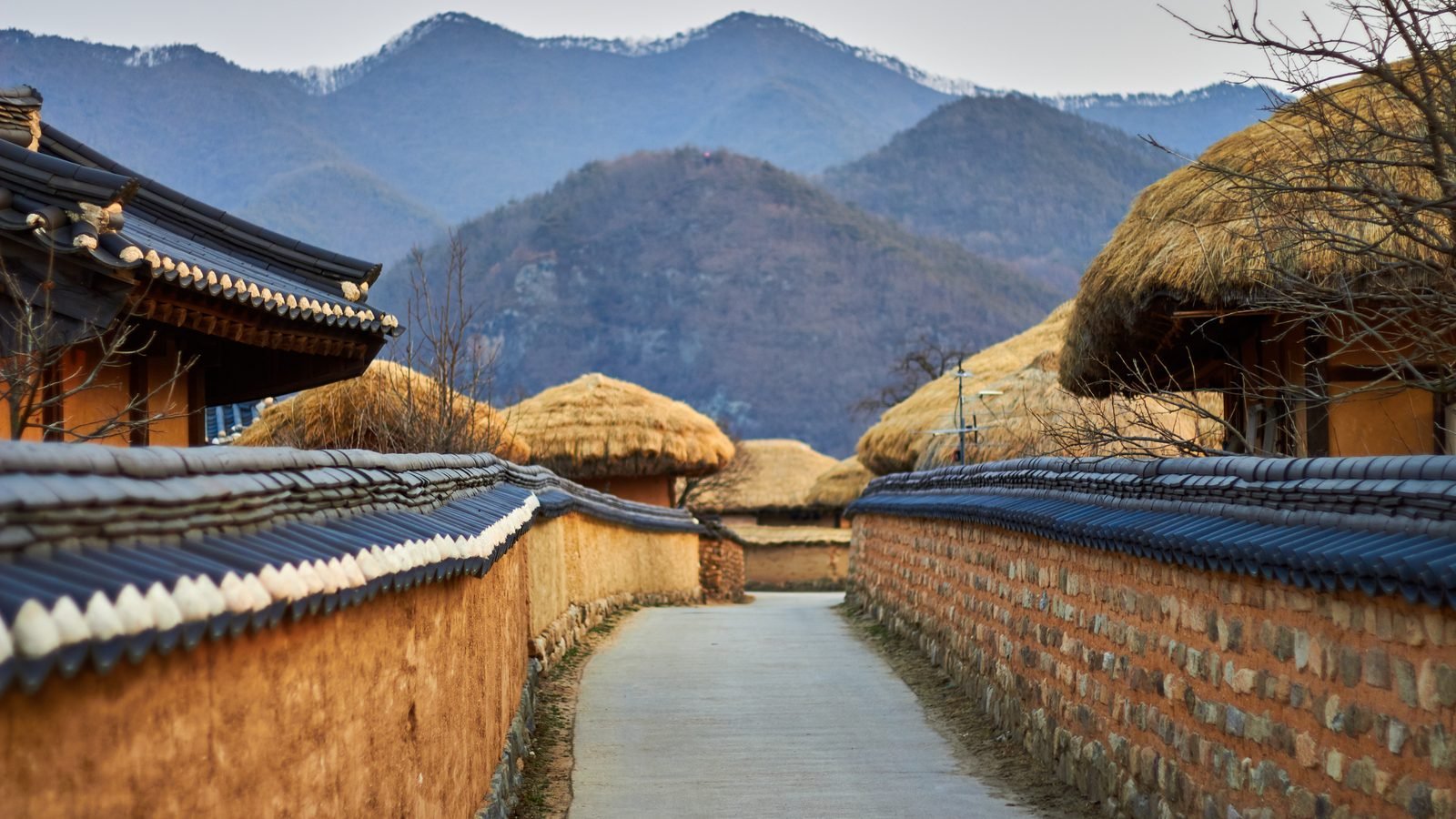
The first sip of traditional Andong soju usually catches people off guard. Unlike the diluted green-bottle spirits you find in every convenience store across Seoul, the real stuff from Andong carries a punchy 45-percent alcohol content and a deep, floral aroma of fermented grain. I remember the first time I tried it at a small table near the Nakdong River; the heat in my throat was immediate, but it left a clean, crisp aftertaste that made the local grilled beef taste twice as rich. This is not a drink for shots and shouting; it is a heritage spirit that has survived for over seven hundred years.
This guide is for travelers who want to go beyond the basics of Korean drinking culture and explore the history of one of the country’s most respected liquors. I will walk you through the distillation process at the local museum, explain why the 45-percent ABV matters, and show you exactly where to pair it with Andong’s famous beef. We will also cover how to find the iconic ceramic bottles that make the best souvenirs from this part of Gyeongsangbuk-do. If you are planning a trip to the region, you should also check out my Andong Hahoe Village day trip for more cultural context.
The History and Heritage of Andong Soju
The story of this liquor begins in the 13th century during the Goryeo Dynasty. When the Mongols invaded the Korean peninsula, they brought with them the technology of distillation, which they had learned from the Persians. While the rest of the world was developing brandy or whiskey, the people of Andong were perfecting a rice-based spirit. For centuries, this was a medicinal drink or a luxury reserved for the upper class and ancestral rites. It was brewed in private homes, with each family passing down their own specific recipe for the starter culture, known as nuruk.
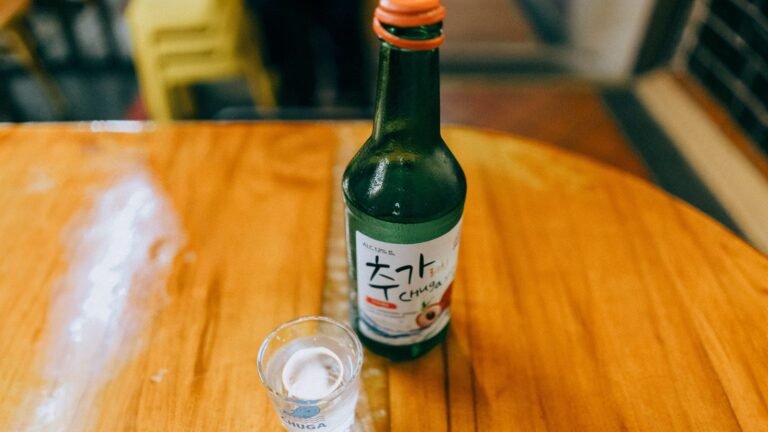
It is important to distinguish this from the mass-produced soju you see today. Modern green-bottle soju is typically made by diluting ethanol with water and adding sweeteners like aspartame. It is cheap, functional, and costs about ₩1,500 (about $1.13) at a supermarket. In contrast, traditional Andong soju is a pure distillate. There are no additives. The flavor comes entirely from the fermentation of rice and the quality of the water. Because it is distilled at a high proof and aged, it lacks the harsh chemical burn of the cheaper versions. Many locals swear that the purity of the ingredients means you will not suffer a hangover the next morning, though at 45-percent alcohol, I would still suggest caution.
The tradition almost disappeared in the 1960s when the Korean government banned the use of grain for alcohol production due to food shortages. During those decades, the craft was kept alive in secret until the ban was lifted in the late 1980s. Today, two distillers hold the national Food Master title for their work in preserving this spirit. One is Kim Yeon-bak, who directs the museum and continues the recipe of his late mother, Grand Master Cho Ok-hwa, and the other is Park Jae-seo. The Gyeongsangbuk-do Intangible Cultural Heritage designation for Andong soju is a separate honour, held by Bae Gyeong-hwa. Both produce exceptional versions that are widely available in the city. When you visit, you are not just buying a bottle; you are supporting a lineage that survived wars and prohibitions.
Inside the Andong Soju Museum
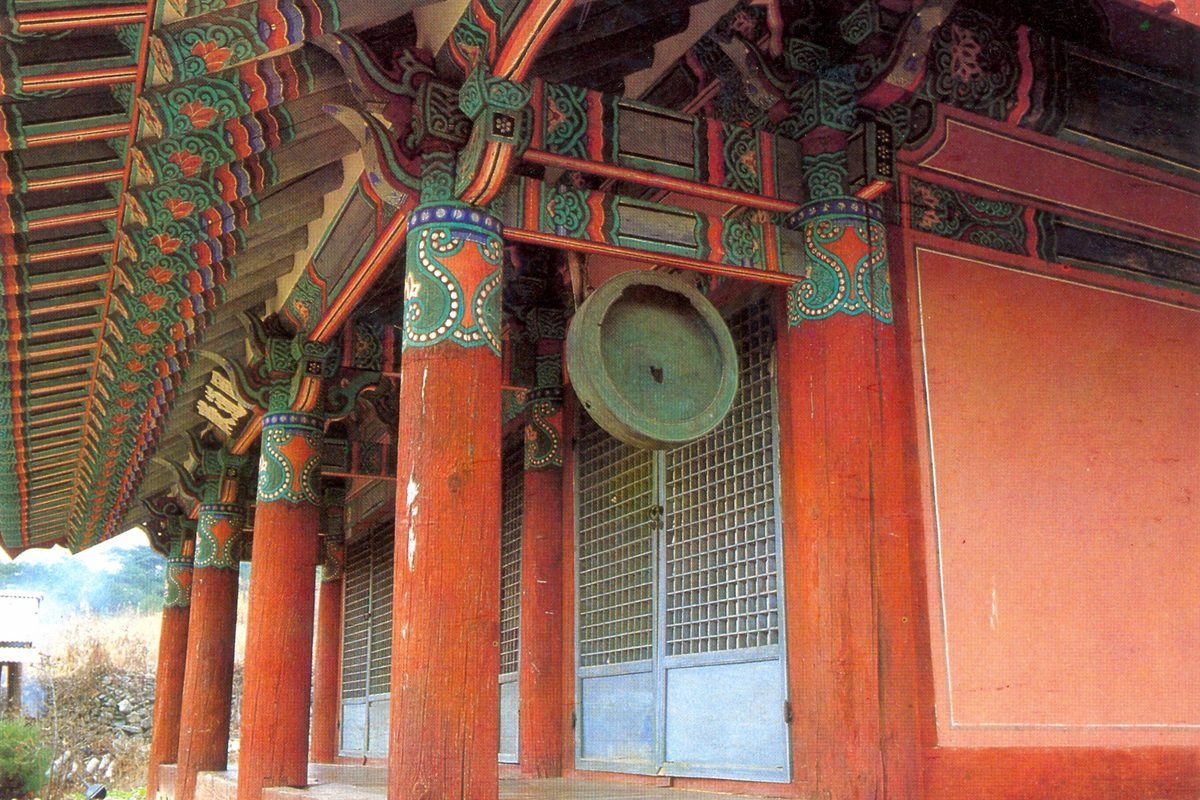
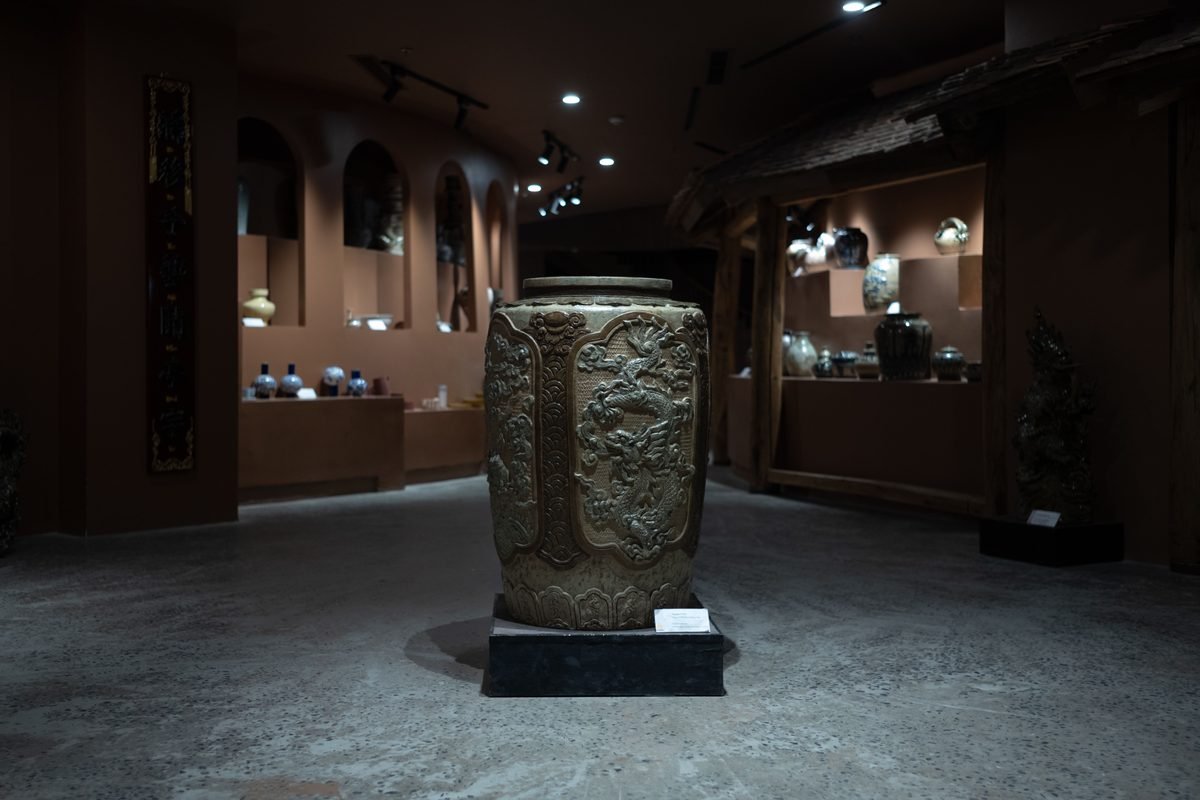
Located at 71-1 Gangnam-ro, the Andong Soju Museum is the best place to start your education. The building actually houses two collections: one dedicated to the liquor and another to traditional Korean food. It is a quiet, self-guided space that feels more like a workshop than a tourist trap. Admission is free, which is a great bonus for independent travelers. As you walk through the halls, you will see life-sized dioramas showing the entire production cycle, from the washing of the rice to the final bottling. The scent is floral. The air is cool.
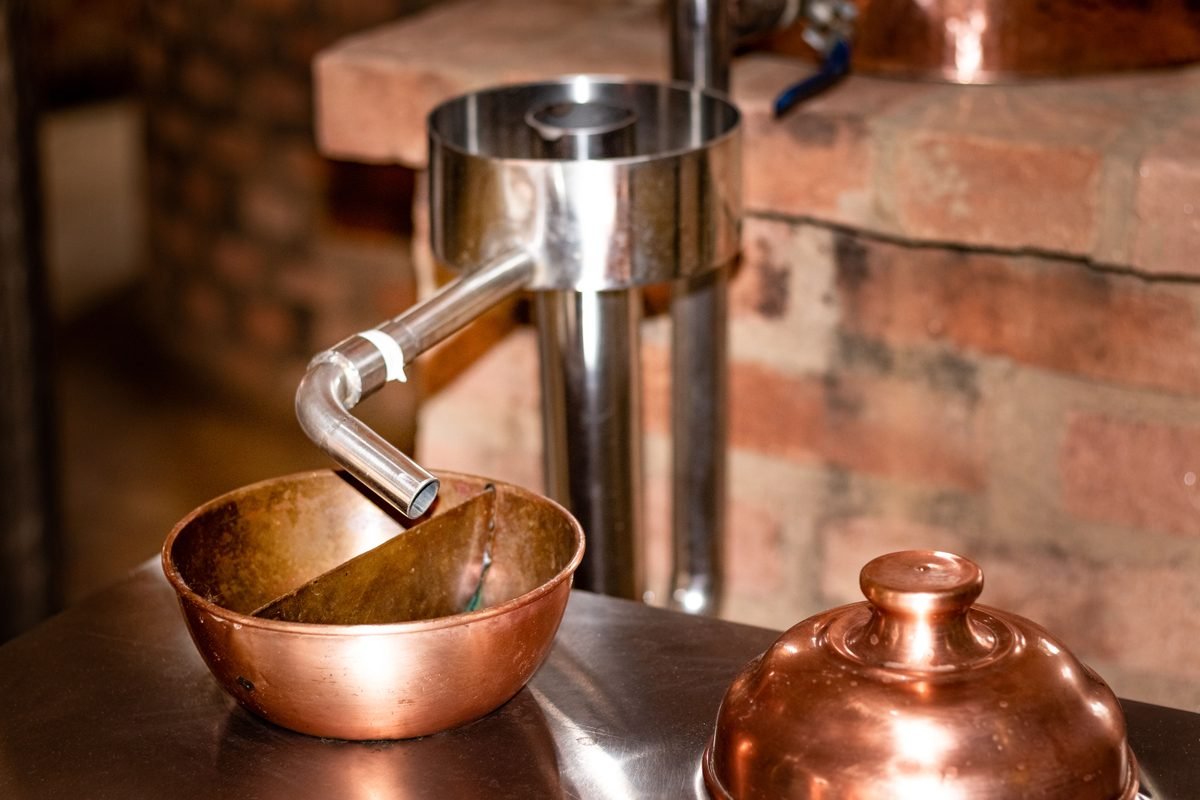
One of the most interesting displays is the collection of soju-gori, the two-tiered ceramic distillation vessels. These look like large, stacked pots with a spout. You can see how the fermented rice mash was heated in the bottom section, causing the alcohol vapors to rise, condense against the cool upper lid, and trickle out of the spout as clear liquid. The museum also displays a fascinating recreation of a 13th-century Mongolian camp, illustrating the drink’s origins. It provides a concrete link between the military history of the region and the contents of your glass.
The second half of the museum focuses on the elaborate table settings used for birthdays, weddings, and funerals in the Andong area. It is worth spending time here to see how the spirit fits into the broader social fabric. You will see replicas of the charye tables prepared for ancestral spirits, where soju plays a central role. Before you leave, there is a small tasting area where you can sample the 45-percent ABV version. Small sips are essential. It is quite strong. The staff can explain the differences between the various proofs they sell, ranging from the lighter 22-percent to the heavy-hitting original. If you are hungry after the museum, you might want to read my Andong Jjimdak and local food guide to find a nearby spot for lunch.
From a local: The Tasting Room Secret
The museum staff often provide a small snack like dried persimmon or nuts with the tasting. These are meant to cleanse the palate between sips so you can taste the grain notes more clearly.
Understanding the 45-Percent Distillation Process
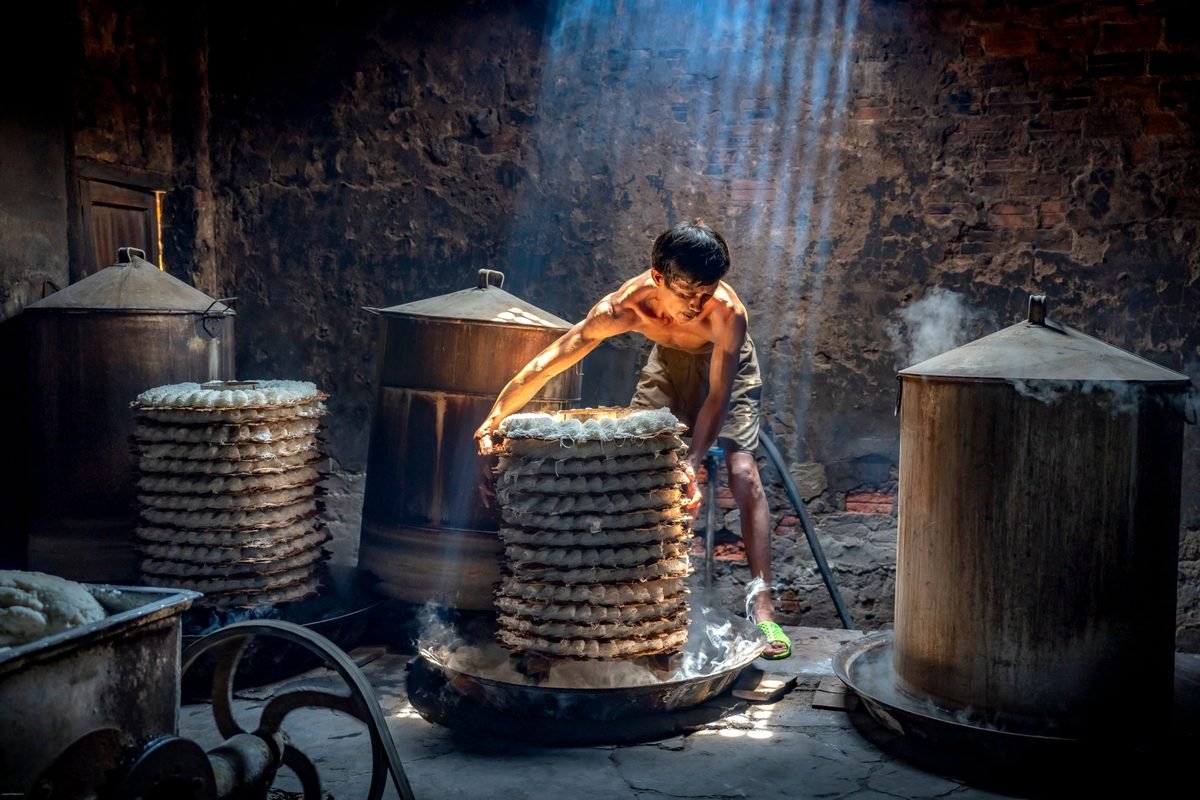
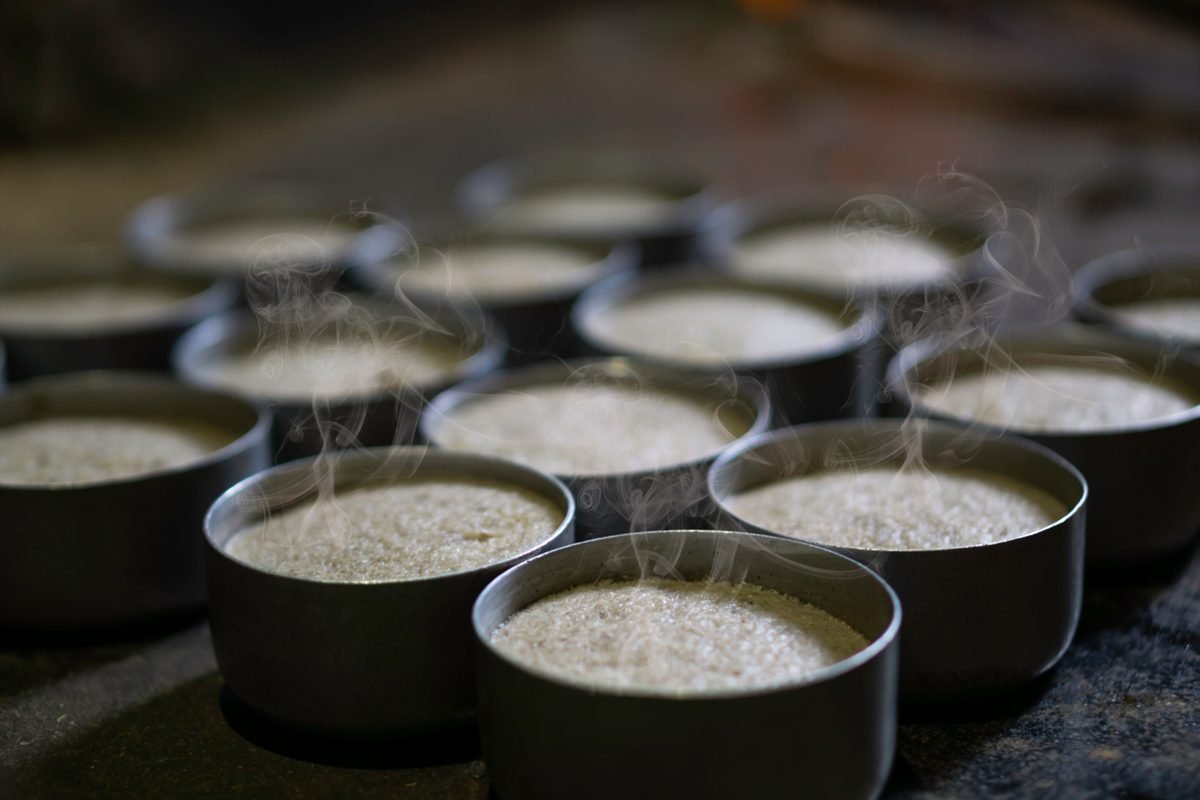
The number 45 is not arbitrary. It is the traditional proof that ensures the spirit remains stable and flavorful without the need for refrigeration. The process begins with nuruk, a fermentation starter made from wheat that has been moistened and pressed into cakes. This nuruk is left to develop natural yeasts and molds for several weeks. Once ready, it is crumbled and mixed with steamed rice and water to create a mash. This mash ferments for about fifteen days, resulting in a low-alcohol rice wine similar to makgeolli.
The magic happens during the distillation phase. The fermented mash is placed in the soju-gori and heated over a steady fire. Because alcohol has a lower boiling point than water, the spirit evaporates first. The quality of the fire is crucial; if it is too hot, the rice will scorch and ruin the flavor. If it is too cool, the distillation will stall. The first liquid to emerge from the spout is incredibly high in alcohol, often over 60 percent. The masters blend these different stages of the run to achieve the consistent 45-percent mark that defines the brand. The result is a liquid that is as clear as water but thick with the essence of the grain.
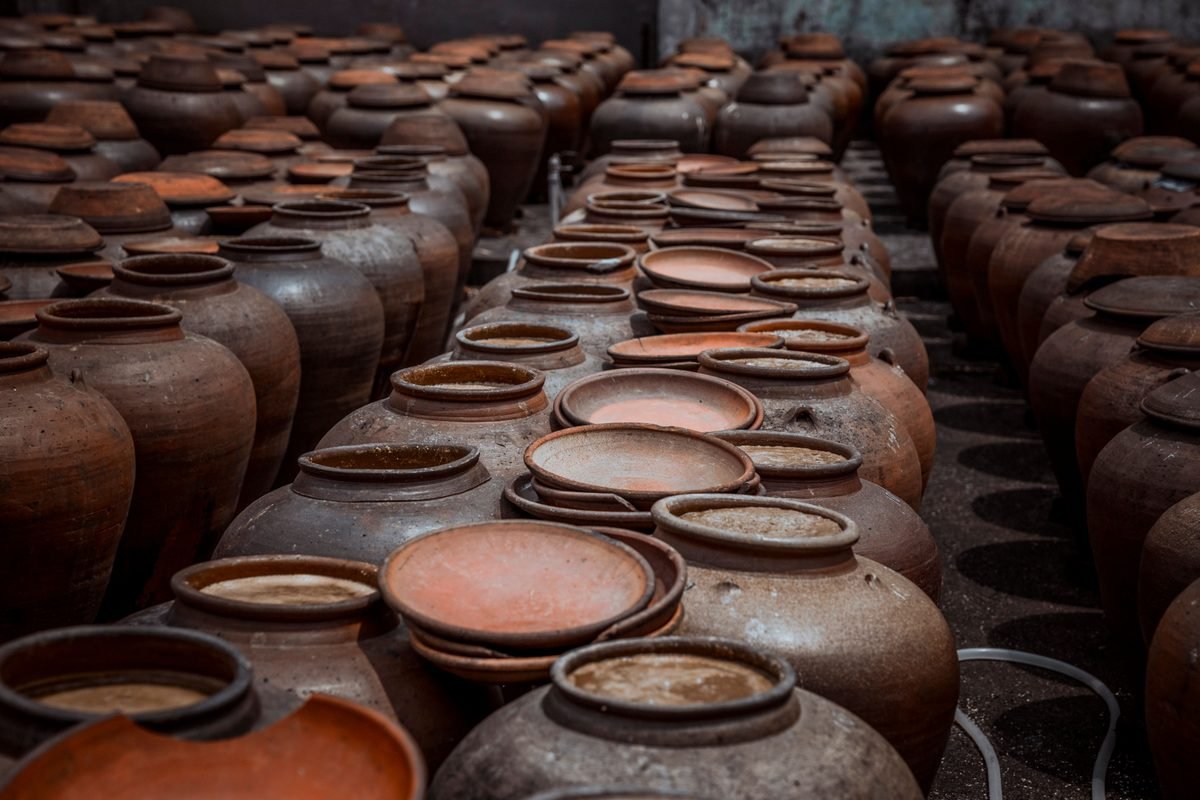
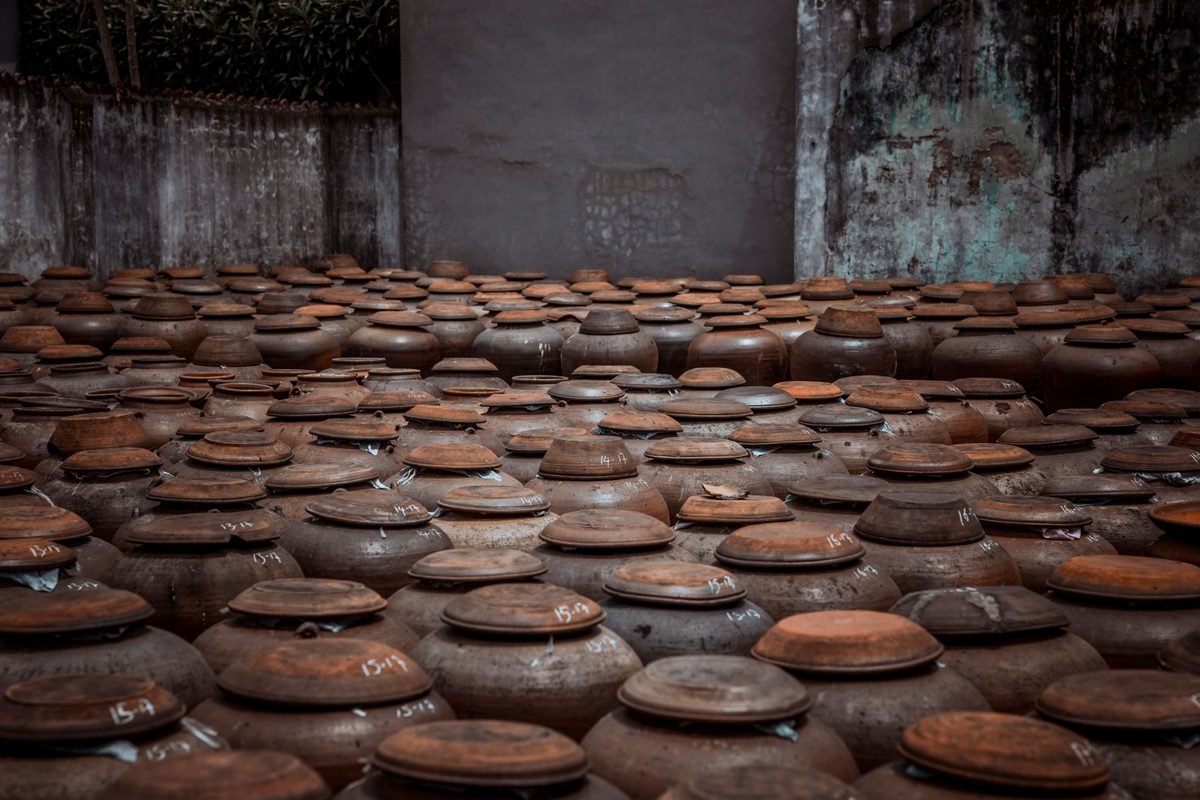
After distillation, the spirit is aged. Unlike whiskey, which takes flavor from wooden barrels, traditional soju is aged in breathable ceramic vats. This allows the harsher alcohol notes to mellow out while preserving the clean taste of the rice. During this time, the spirit develops its signature aroma, which many describe as having hints of ginger or wildflowers. It is a slow, methodical process that cannot be rushed by machines. When you hold a glass of 45-percent soju, you are holding the result of nearly 100 days of work. For more on the wider world of Korean rice spirits, see my Seoul makgeolli brewery tasting room guide.
Pairing Soju with Andong Beef and Local Flavors
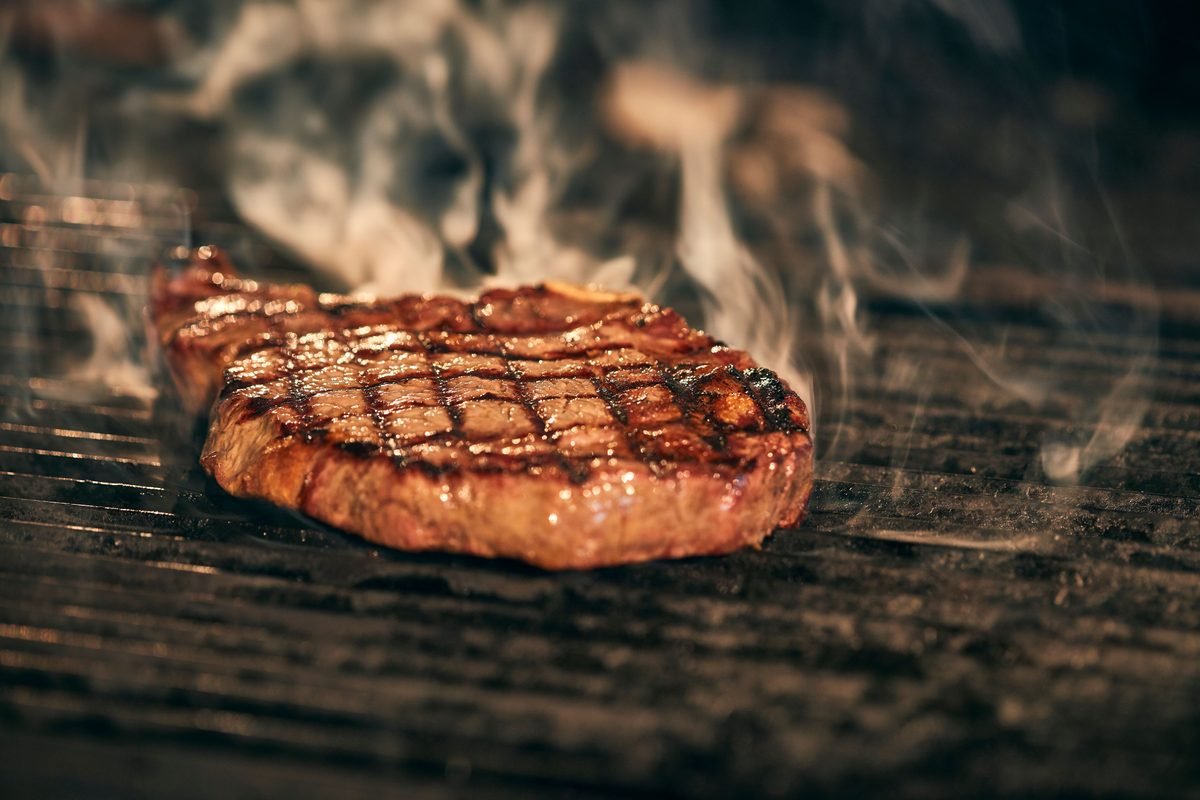
High-proof spirits need food that can stand up to them. In Andong, that means hanu, the premium Korean beef. The city is famous for its “Galbi Alley,” a narrow street near the old station where dozens of restaurants specialize in charcoal-grilled ribs. The beef here is exceptionally marbled and tender. When you take a bite of the rich, fatty meat and follow it with a small sip of 45-percent soju, the alcohol acts as a palate cleanser. It cuts right through the grease, leaving your mouth refreshed and ready for the next piece of beef. Eat the beef first. Then take a sip. It is a perfect balance.
A typical serving of Andong Galbi costs about ₩32,000 (about $24) for 200 grams. Most places will serve the ribs in two ways: some for grilling and the bone-ends saved for a spicy stew that is brought out at the end of the meal. This stew, along with the various side dishes like pickled garlic and perilla leaves, provides a savory backdrop for the drink. The saltiness of the local gan-godeungeo (salted mackerel) is another classic pairing. The fish is salted heavily to preserve it during the long journey from the coast, and that intense saltiness matches the boldness of the spirit perfectly.
If you are visiting in the autumn, you might also find local mushrooms or chestnuts served as side dishes. The earthy flavors of these seasonal ingredients complement the grain notes of the soju. I usually recommend starting your evening at a galbi restaurant around 6:00 PM to beat the local crowds. By 8:00 PM, the alley is usually filled with the scent of charcoal smoke and the sound of glasses clinking. It is the most authentic way to experience the city’s culinary heart. You can find more details on local festivals and food timings in my Andong Mask Dance Festival and folk village guide.

Tip: The Free Stew Trick
In Andong’s Galbi Alley, most restaurants will make a free spicy beef rib stew (galbi-jjim) if you order three or more portions of meat. It is the best way to finish your soju.

Purchasing Craft Ceramic Bottles
One of the joys of visiting Andong is bringing home a piece of the craft. While you can buy the spirit in standard glass bottles at any local supermarket for about ₩15,000 (about $11.25), the traditional ceramic jars are the real prize. These are usually shaped like cranes or turtles, symbols of longevity in Korean culture. The most famous is the blue-and-white porcelain bottle with a crane design, which has become the unofficial mascot of the drink. These bottles are not just for show; the ceramic helps keep the liquor at a stable temperature and protects it from light.
You can purchase these at the museum shop, at the specialized liquor stores near the Andong Bus Terminal, or at the gift shops in Hahoe Village. A standard 400ml ceramic bottle of 45-percent soju typically costs between ₩35,000 (about $26.25) and ₩50,000 (about $37.50). If you are looking for something truly special, there are larger, hand-painted jars that can run well over ₩100,000 (about $75). Buy the ceramic bottle. It looks great on a shelf. The seal is usually very tight, but I always recommend wrapping it in several layers of bubble wrap if you are putting it in checked luggage.
When choosing a bottle, look for the “Myeong-in” (Master) seal. This indicates that the liquor was produced by one of the officially recognized heritage masters. Master Park Jae-seo’s version is known for being slightly smoother and using a different filtration method, while Master Kim Yeon-bak’s version follows the museum’s traditional recipe. Both are excellent, but the bottle shapes differ slightly. Park’s bottles often feature a more modern, minimalist aesthetic, while Kim’s stick to the classic folk art motifs. If you are worried about weight, you can also find smaller 200ml ceramic flasks that are much easier to pack.
Heads up: Luggage Restrictions
Remember that 45-percent alcohol is considered a high-proof spirit. Most airlines allow up to 5 liters of alcohol between 24% and 70% ABV in checked bags, but always check your specific carrier’s rules.
How to Get to Andong and Get Around
Andong is very accessible from Seoul thanks to the KTX-Eum high-speed train. The journey from Cheongnyangni Station takes about two hours and costs around ₩27,700 for a standard seat. Check the exact fare for your date in the Korail+ app, as it varies by train. The train is fast. It is also very comfortable, with power outlets and plenty of legroom. I recommend booking your tickets at least a few days in advance through the Korail+ app, especially if you are traveling on a weekend. The Andong Station is now located a bit outside the city center, so you will need to take a short bus ride or a taxi to reach the museum or the Galbi Alley.
Local buses in Andong are reliable but can be infrequent. The fare is ₩1,500 (about $1.13) in cash or ₩1,400 with a transit card like T-money. To get to the Andong Soju Museum from the station, bus number 212 is a common route, but it is often easier to just take a taxi for about ₩8,000 (about $6). Taxis are plentiful and drivers generally know the museum well. If you are staying in the city center, most of the major food spots are within walking distance of each other.
If you have more time, I suggest visiting the Wolyeonggyo Bridge in the evening. It is the longest wooden footbridge in Korea and is beautifully lit after dark. There are several traditional tea houses and small bars nearby where you can find local spirits. The walk across the bridge is a great way to clear your head after a day of tasting. For those planning a longer stay in the region, you might consider renting a car to visit the more remote distilleries and temples. You can find tips on this in my guide on how to rent a car in South Korea as a foreigner.
Book ahead: Book Your KTX Early
Weekend trains to Andong sell out quickly because of the Hahoe Village crowds. Use the Korail+ app to book at least 72 hours before your planned departure.
What it costs in Andong
| Item | Local price | USD |
|---|---|---|
| KTX-Eum Cheongnyangni to Andong (one way) | ₩27,700 | $20.80 |
| Ceramic bottle of 45% soju (400ml) | ₩35,000 | $26.25 |
| Andong Hanu Galbi (per 200g portion) | ₩32,000 | $24.00 |
| Andong Jjimdak (medium size) | ₩32,000 | $24.00 |
| Andong Soju Museum Admission | Free | $0.00 |
| Local bus fare (with card) | ₩1,400 | $1.05 |
| Mid-range hotel night | ₩85,000 | $63.75 |
| Total estimated daily spend | ₩210,500 | $157.90 |
Prices checked October 2026. Always confirm with the provider before you book.
Where to stay in Andong
Budget
Hahoe Village, for traditional minbak stays
Stay in a traditional thatched-roof or tile-roof home within the UNESCO village for a unique heritage experience. Prices range from ₩50,000 to ₩80,000 (about $37-$60) per night, usually including a simple home-cooked breakfast.
Mid-range
Andong Station area, for modern business hotels
This area offers convenient access to public transport and is close to the city's main shopping and dining districts. Expect to pay between ₩80,000 and ₩120,000 (about $60-$90) for a clean, well-equipped room.
Splurge
Gurume Resort, for luxury hanok stays
Located near Wolyeonggyo Bridge, these are restored heritage houses that offer high-end amenities in a traditional setting. Nightly rates start around ₩250,000 (about $187) and provide a quiet, upscale atmosphere.
Mistakes to avoid
- Buying the green-bottle soju thinking it is the traditional Andong version.
- Drinking 45% soju in quick shots; it is meant to be sipped and savored like a fine whiskey.
- Visiting the museum on a Monday when it is often closed or has limited hours.
- Not bringing a transit card (T-money) for the local buses, as some are now cash-free.
FAQ
Is Andong soju very strong?
Yes, the traditional version is 45-percent alcohol by volume, which is significantly stronger than standard 16-percent soju. However, because it is distilled from pure rice and aged, it has a smoother finish and more complex flavor than cheaper varieties.
Where can I buy Andong soju in Seoul?
You can find it at major department stores like Shinsegae or Lotte, and at specialized traditional liquor shops in Insadong. However, the price is usually 20-30 percent higher than what you would pay directly in Andong.
Is the museum free to enter?
Yes, the Andong Soju Museum and the Traditional Food Museum are currently free for all visitors. It is an excellent low-cost activity for those interested in Korean culinary history.