Taipei 4 Day Itinerary: The Independent Guide

A plastic blue token drops into the turnstile with a soft click. It is 8:00 AM at Taipei Main Station, and the humid morning air smells faintly of fried green onions and sweet soy milk. This is a city that moves with quiet efficiency, where ultra-modern skyscrapers stand right beside quiet, moss-covered alleyways.
This independent Taipei 4 day itinerary is designed for travelers who want to explore Taiwan’s capital at their own pace. We will cover how to navigate the city using the MRT, find quiet hot springs, dodge the heavy tour bus crowds in Jiufen, and eat your way through the best night markets.
How to get to Taipei and get around
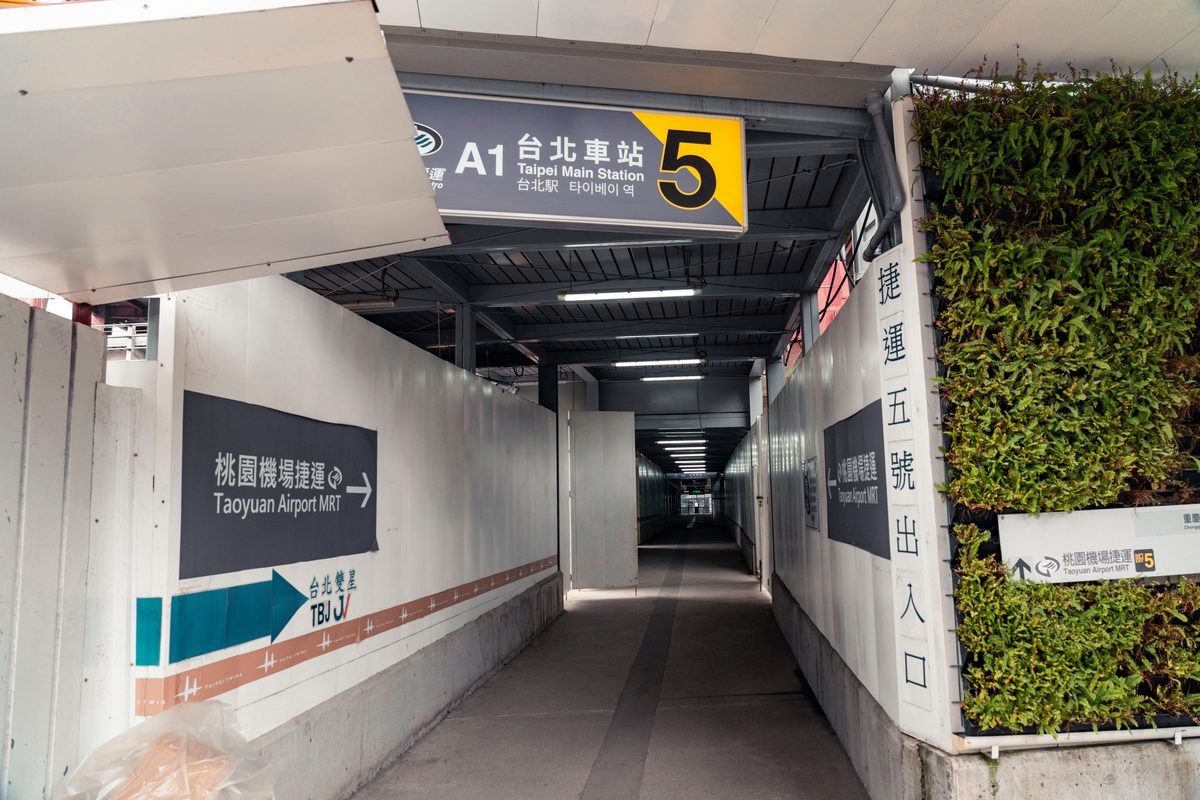
Getting from Taoyuan International Airport to the city center is incredibly straightforward. The Airport MRT express train takes around 40 minutes to reach Taipei Main Station, costing NT$160 (about $5). Once you arrive, your very first task should be to buy an EasyCard. You can purchase this contactless smart card at any metro station or convenience store for NT$100 (about $3.10) plus whatever balance you want to load.
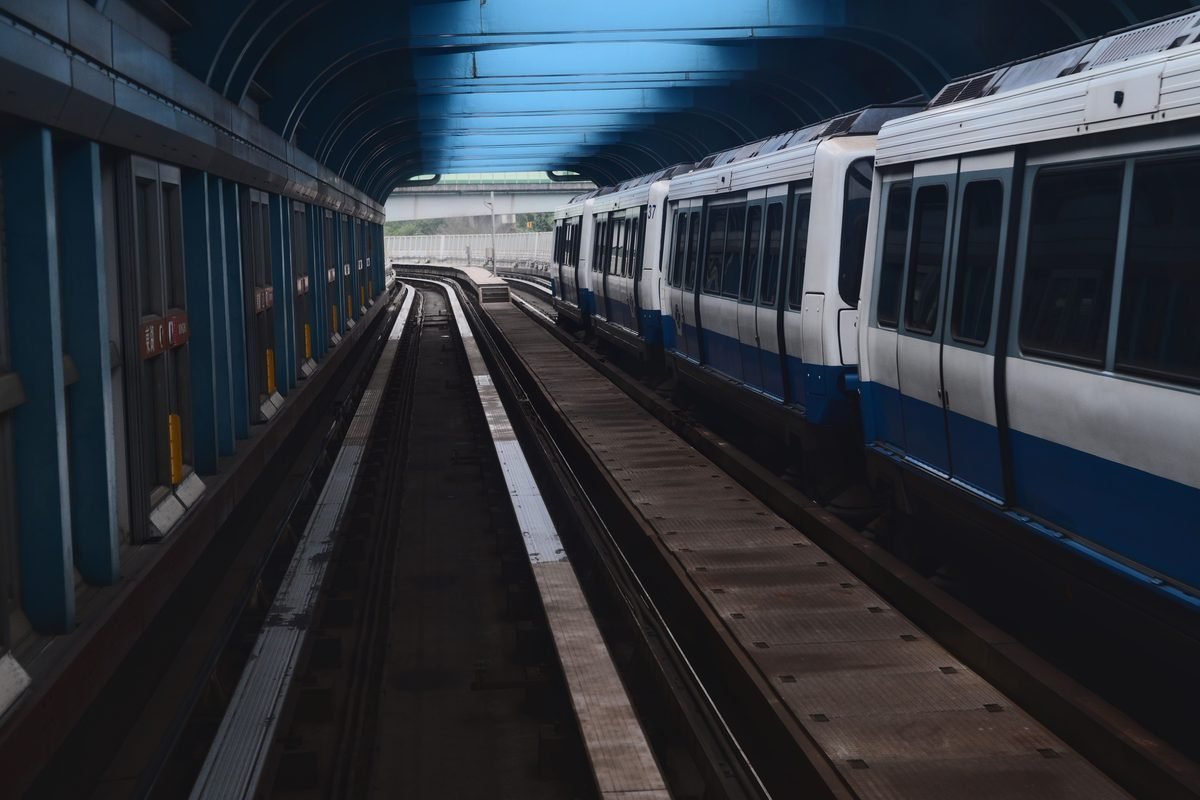
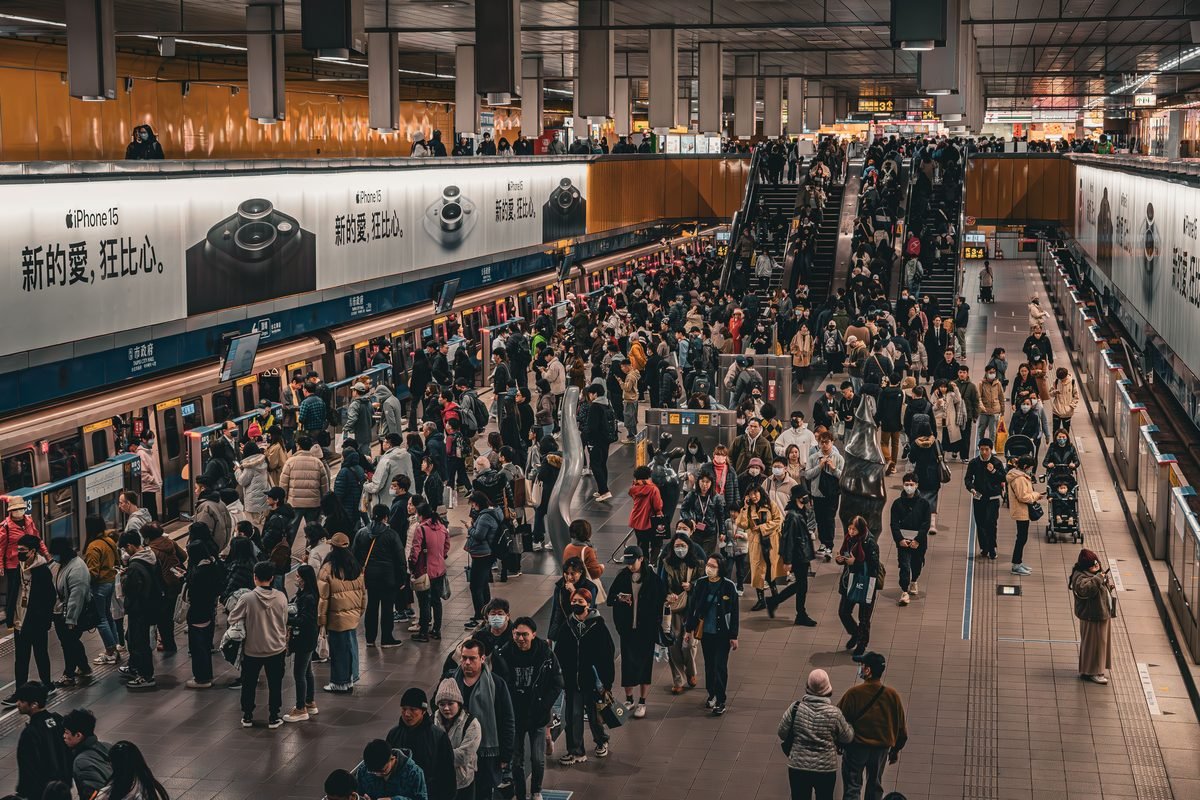
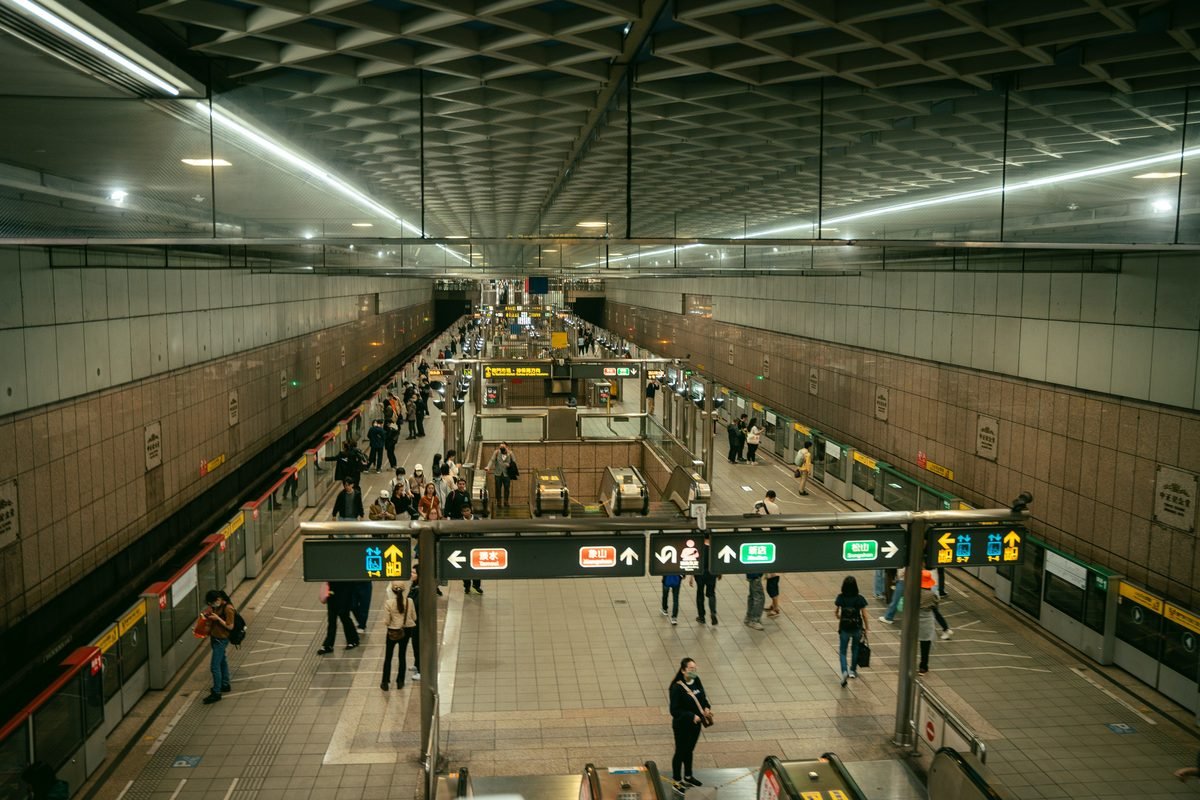
The Taipei Metro, or MRT, is one of the cleanest and most efficient transit systems in the world. Trains run every few minutes, and fares are incredibly cheap, starting at just NT$20 (about $0.60) for short trips. Buy the card immediately. It works on the subway, city buses, and even for small purchases at convenience stores like 7-Eleven. You can easily top up your card using cash at the automated machines inside any station. Keep a few coins handy for this process, as the older machines do not always accept large paper bills.
Taxis are also plentiful and highly affordable, with fares starting at NT$85 (about $2.65). However, with the MRT covering almost every major attraction, you will rarely need to hail a cab. For walking directions, download Google Maps or Apple Maps before you arrive. Unlike in some neighboring countries, international mapping apps work perfectly fine here and provide accurate, real-time bus and transit schedules.
From a local: EasyCard Tap Rules
Tap your card both when entering and exiting buses, as the payment system requires both taps on all routes across the city.
Best time to visit Taipei
Taipei has a humid subtropical climate, which means the weather can be highly unpredictable. Summers are intensely hot and humid, often punctuated by afternoon thunderstorms and typhoons. Winters are surprisingly chilly and damp. Therefore, autumn is widely considered the prime window for exploration. Planning your trip for autumn allows you to enjoy milder temperatures and significantly less rainfall.
During this shoulder season, daytime temperatures hover around a comfortable 26°C (about 79°F). It is perfect weather for hiking up the hills surrounding the basin or walking through the open-air night markets. The skies are generally clearer, which is crucial if you want to get good views from the mountain trails. Spring is also a decent option, though you may encounter more foggy days and occasional seasonal showers.
Keep in mind that national holidays can affect crowds and prices. The Mid-Autumn Festival and National Day in October bring local travelers into the city, making train tickets harder to book. If your trip coincides with these events, secure your regional train tickets at least two weeks in advance. During normal weeks, however, you can easily travel spontaneously without worrying about booked-out trains. No matter when you visit, pack a lightweight waterproof jacket and a sturdy umbrella. Rain can start suddenly, even on days that begin with clear blue skies.
Tip: Pack a Small Towel
Always carry a small hand towel or handkerchief in your daypack, as many public restrooms in older areas do not provide paper towels.
Taipei 4 day itinerary: Days 1 and 2
Your Taipei 4 day itinerary starts in the historic heart of the city. Spend your first morning wandering around Wanhua District, home to Longshan Temple. Entry is free, and the air is thick with the scent of burning incense. From there, take the MRT to Chiang Kai-shek Memorial Hall to watch the changing of the guard ceremony, which takes place hourly during the day.
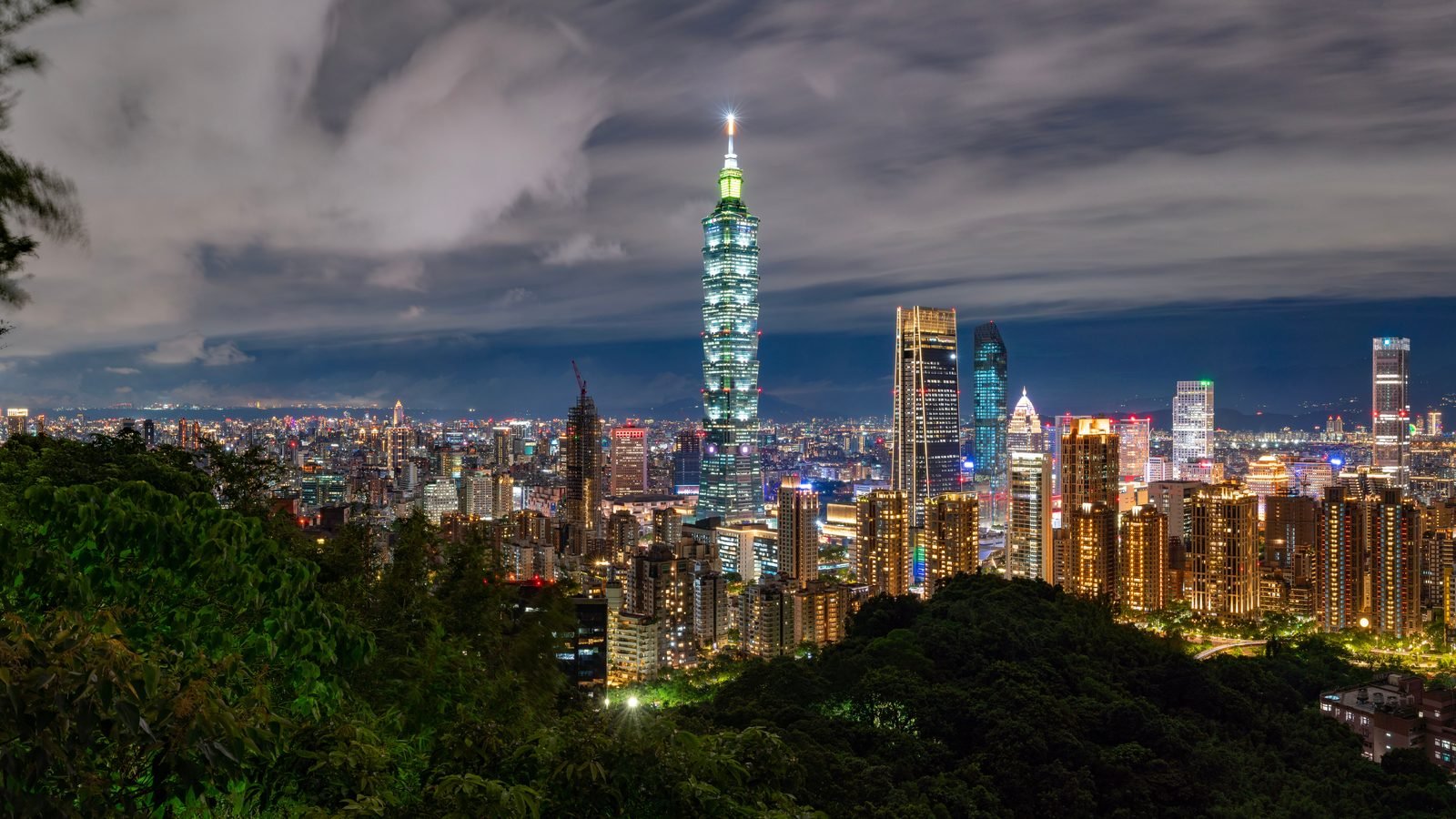
Instead of paying NT$600 (about $18.60) to go up the Taipei 101 observatory, head to Xiangshan, also known as Elephant Mountain. The trailhead is a short walk from Xiangshan MRT station. The climb consists of steep stone steps, taking about 20 minutes to reach the main viewing platforms. The views are excellent. You will get a classic postcard shot of Taipei 101 framed by the surrounding green hills. Time your hike to start about an hour before sunset so you can watch the city lights turn on.
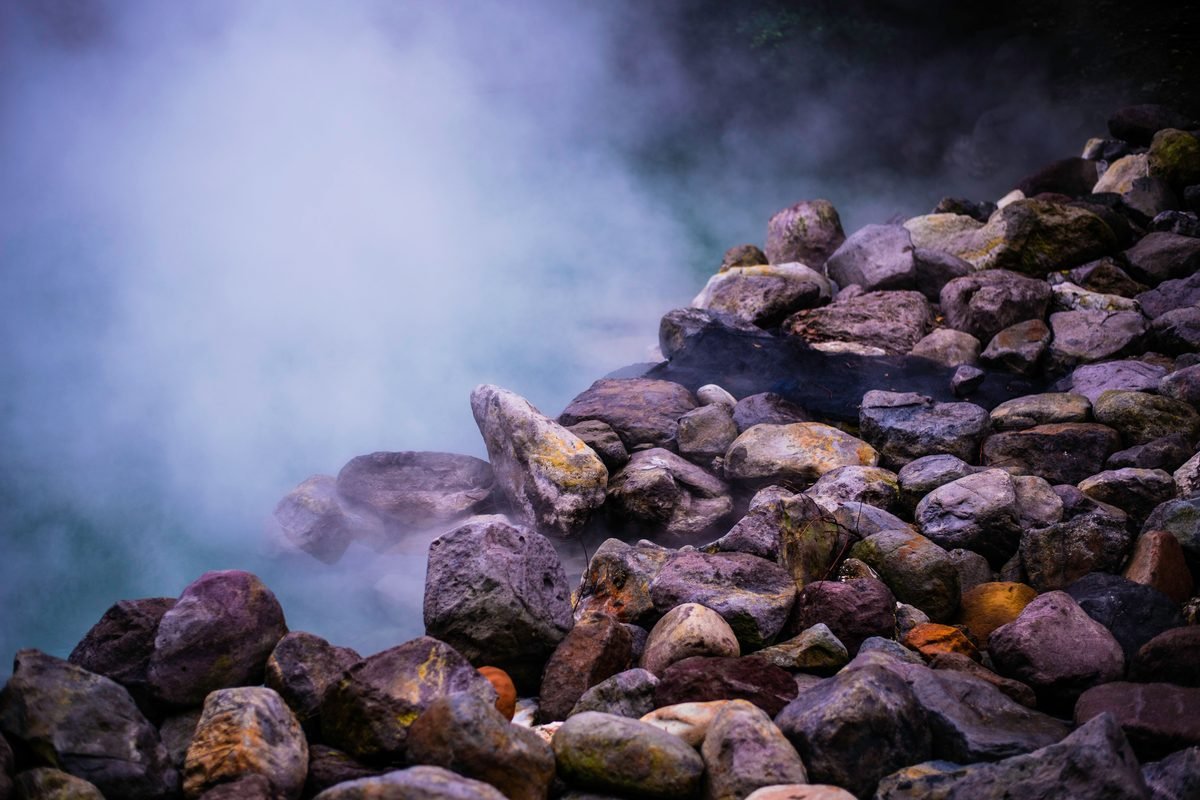
On day two, head north to Beitou for a relaxing morning. This geothermal valley is famous for its natural sulfuric hot springs. Ride the MRT to Xinbeitou Station and walk to the Beitou Hot Spring Museum. Afterward, soak in the public outdoor hot springs for just NT$60 (about $1.85). The water is hot. Be sure to follow the local etiquette, which includes showering thoroughly before entering the pools. In the afternoon, take the metro further north to Tamsui to watch the sunset over the river.
Heads up: Strict Swimwear Rules
The public hot springs in Beitou require proper, tight-fitting swimwear; loose board shorts or bikinis with excessive ties are often rejected at the entrance.
Day trips to Jiufen and Shifen without the crowds
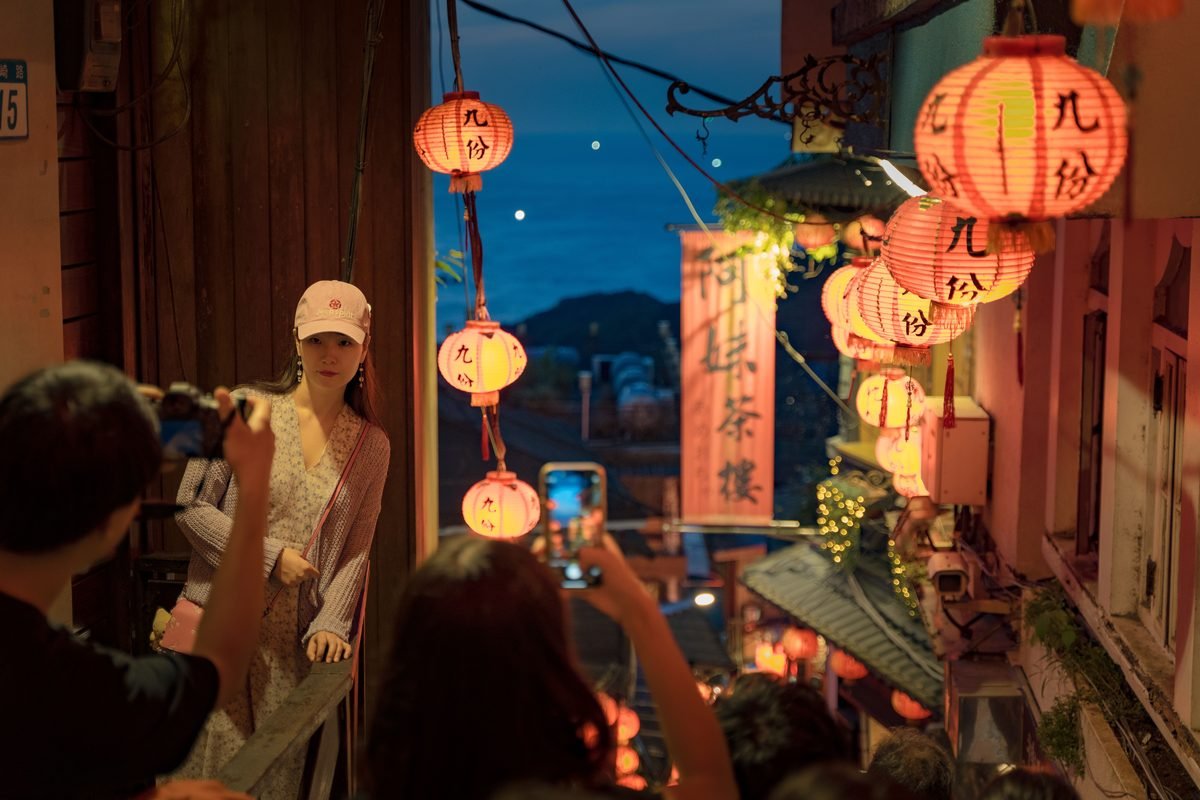
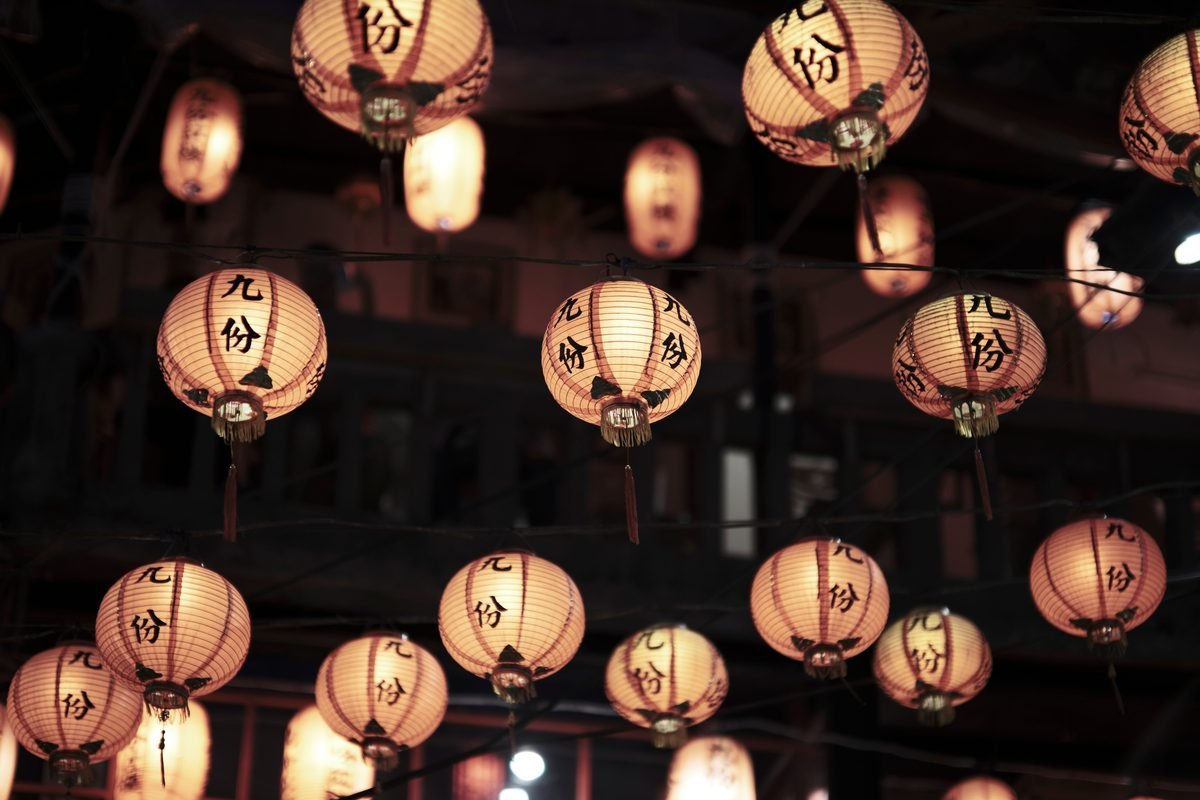
Jiufen is an old gold mining town clinging to the mountainside, famous for its narrow alleyways and glowing red lanterns. However, it can get incredibly congested. Most tour buses arrive around 4:00 PM to catch the sunset, turning the narrow steps of Shuqi Road into a slow-moving wall of people. To avoid this, plan your visit carefully.
Take the direct Bus 965 from Beimen MRT station in Taipei, which costs NT$90 (about $2.80) each way and takes roughly 80 minutes. Aim to arrive either early in the morning around 9:00 AM, before the shops fully open, or late in the evening after 7:00 PM. By 7:30 PM, the tour buses have departed, the day-trippers are gone, and you can enjoy the quiet, lantern-lit streets in peace. Most tea houses remain open until 9:00 PM or later, allowing you to sip local oolong tea while looking out over the dark Pacific Ocean.
Before heading to Jiufen, stop at Shifen to see the waterfall and the old railway track. You can take the Pingxi branch line train from Ruifang Station. While many tourists crowd the tracks to release paper lanterns, you can walk twenty minutes further to the Shifen Waterfall. Entry is free, and the wooden boardwalks offer great views of the broad, cascading falls. If you prefer a quieter alternative to Jiufen altogether, consider taking the train to Houtong Cat Village instead. This former coal mining settlement is home to hundreds of friendly, free-roaming cats and has several quiet cafes overlooking the river valley.
Book ahead: Book Tea Houses Early
If you want to secure a window table at the famous A-Mei Tea House in Jiufen, book your spot online at least a week in advance.
Where to eat in Taipei: Night markets and beyond
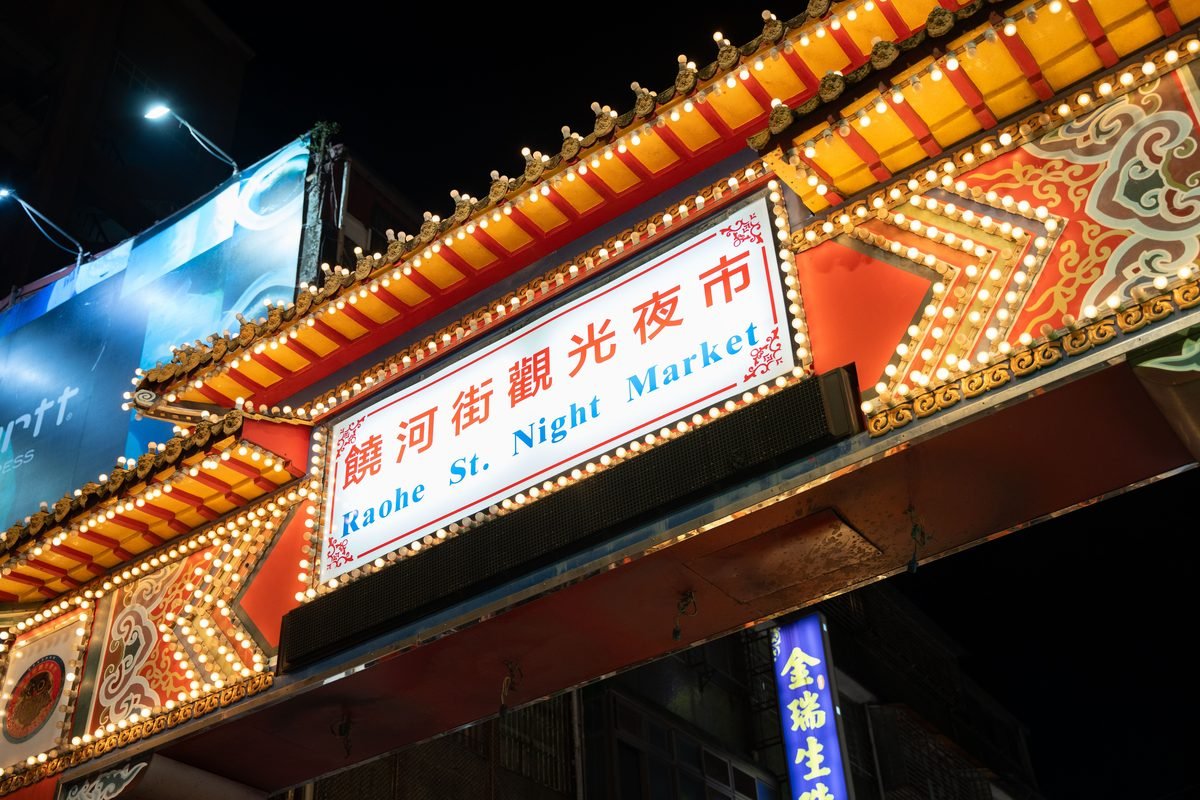
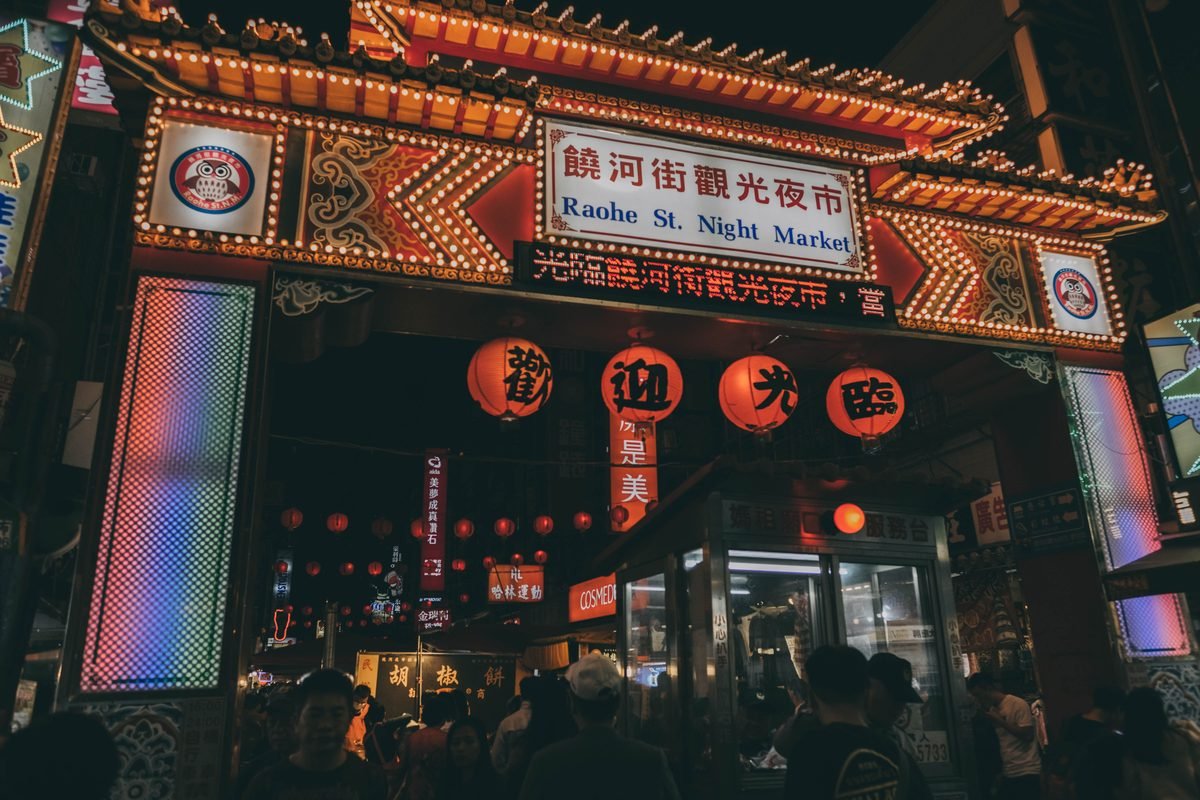
Taipei is a paradise for food lovers, and the night markets are the center of local culinary life. Raohe Night Market is one of the oldest and most atmospheric. As soon as you pass under the decorative Chinese archway, you will see a massive queue for the Fuzhou Black Pepper Buns. These crispy, clay-oven-baked buns are stuffed with green onions and spiced pork, costing NT$60 (about $1.85). They are absolutely worth the wait.
For a slightly different vibe, head to Ningxia Night Market. This market is smaller, highly organized, and focused almost entirely on food. It is the best place to try classic Taiwanese dishes like oyster omelets for NT$80 (about $2.50) or savory pork liver soup. Do not miss the peanut ice cream roll, a unique dessert featuring shaved peanut brittle, vanilla ice cream, and fresh cilantro wrapped in a thin crepe.
If you want a sit-down meal, skip the massive queues at the original Din Tai Fung branch and head to one of their department store locations, such as the one in the basement of Taipei 101. You can use their mobile app to track your queue number while you shop nearby. A basket of their famous pork xiaolongbao costs about NT$250 (about $7.75) and is consistently perfect. For breakfast, look for a local joint serving shaobing (flaky flatbread) and fresh soy milk. You can find these small shops on almost every corner, recognizable by the steam rising from large metal griddles.
Essential tips for your Taipei trip
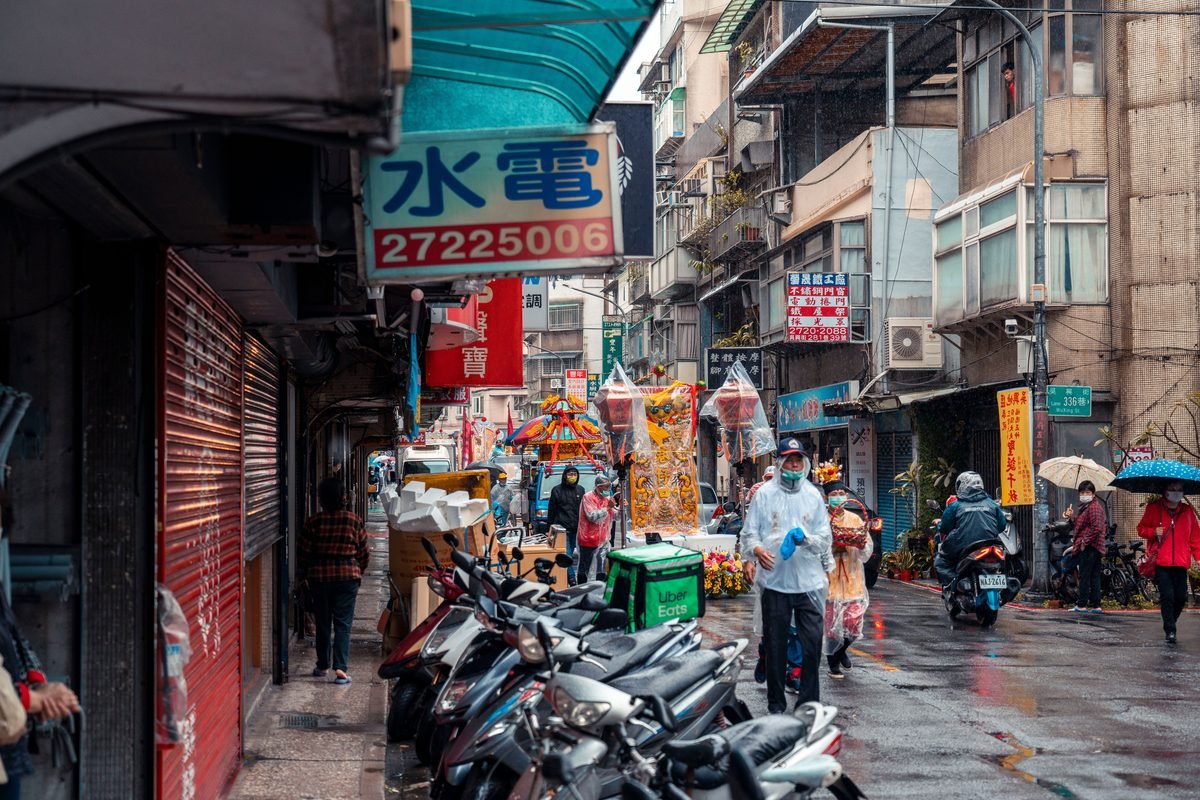
While Taipei is incredibly modern, cash is king here. Many small street food stalls, traditional markets, and even some smaller restaurants do not accept credit cards. Always keep a few hundred NT$ in your wallet. ATMs are widely available inside every convenience store, and most international debit cards work without any issues.
Another quirk of the city is the lack of public trash cans. You will rarely find them on the streets. This is part of a city-wide initiative to encourage recycling and reduce waste. Keep a small plastic bag in your daypack to collect your rubbish throughout the day. You can dispose of it in the recycling bins located inside MRT stations or at convenience stores when you buy a drink.
Finally, be aware of the strict rules on the Taipei Metro. Do not eat on trains. Drinking water, chewing gum, or consuming food past the yellow line at station entrances can result in a hefty fine starting at NT$1,500 (about $46.50). The rules are strictly enforced, which is why the stations remain so pristine. Keep your drinks tucked away in your bag until you exit the station. When riding escalators, always stand on the right side to let people pass on the left.
What it costs in Taipei
| Item | Local price | USD |
|---|---|---|
| Airport MRT Round Trip | NT$320 | ($10.00) |
| EasyCard with transit credit | NT$500 | ($15.50) |
| Beitou public hot spring entry | NT$60 | ($1.85) |
| Bus to Jiufen (round trip) | NT$180 | ($5.60) |
| Street food meals (per day) | NT$400 | ($12.40) |
| Mid-range hotel night | NT$2,500 | ($77.50) |
| Estimated daily budget | NT$1,800 | ($55.80) |
Prices checked September 2026. Always confirm with the provider before you book.
Where to stay in Taipei
Budget
A modern hostel near Taipei Main Station
Perfect for solo travelers wanting quick transit access; prices range from NT$800 to NT$1,200 (about $25 to $37) per night.
Mid-range
A boutique hotel in Ximending
Great for couples who want to be near shopping, dining, and nightlife; prices range from NT$2,200 to NT$3,500 (about $68 to $108) per night.
Splurge
A hot spring resort in Beitou
Ideal for those seeking relaxation with private in-room hot spring tubs; prices range from NT$6,000 to NT$12,000 (about $186 to $372) per night.
Mistakes to avoid
- Arriving at Jiufen during the late afternoon peak when tour buses clog the narrow streets.
- Eating or drinking water inside the yellow lines of the MRT stations, which carries a hefty fine.
- Relying solely on credit cards instead of carrying cash for night markets and street food stalls.
FAQ
Is 4 days enough for Taipei?
Yes, a Taipei 4 day itinerary is the perfect amount of time to experience the city’s main highlights, explore historic districts, and take a day trip to the surrounding mountains.
Can you use credit cards at Taipei night markets?
No, almost all night market stalls only accept cash or local mobile payment systems. Always carry plenty of small bills and coins when hunting for street food.
How do I get to Jiufen from Taipei?
The easiest way is to take Bus 965 from Beimen MRT station directly to Jiufen. The journey takes about 80 minutes and costs NT$90 (about $2.80) each way.
Is the Taipei EasyCard worth it?
Absolutely. The EasyCard saves you money on MRT fares and makes boarding buses incredibly simple. You can also use it to pay at convenience stores and vending machines.
What is the best alternative to the Taipei 101 observatory?
Hiking up Xiangshan (Elephant Mountain) is the best alternative. It is completely free, takes about 20 minutes of climbing, and offers a panoramic view of the skyline including Taipei 101 itself.