Gamcheon Culture Village Guide: How to Visit Busan’s Painted Hills


I usually start my mornings in Busan by watching the fog roll off the sea, but the view from the top of Gamcheon Culture Village is different. You stand at the entrance and see thousands of pastel-colored houses stacked like Lego blocks against the mountain. It looks like a painting come to life. This neighborhood was built by refugees during the Korean War, and while it is famous for its art today, it remains a living, breathing residential area where people hang laundry and carry groceries up steep stone steps.
This Gamcheon Culture Village guide is for independent travelers who want to explore beyond the main photo spots. I will show you exactly which bus to take from Toseong Station, how to navigate the maze using the official stamp map, and how to combine your visit with the Songdo Marine Cable Car. We will cover the best times to visit to avoid the largest crowds and how to explore the narrowest alleys without disturbing the residents who call this place home.
How to get to Gamcheon Culture Village from Toseong Station
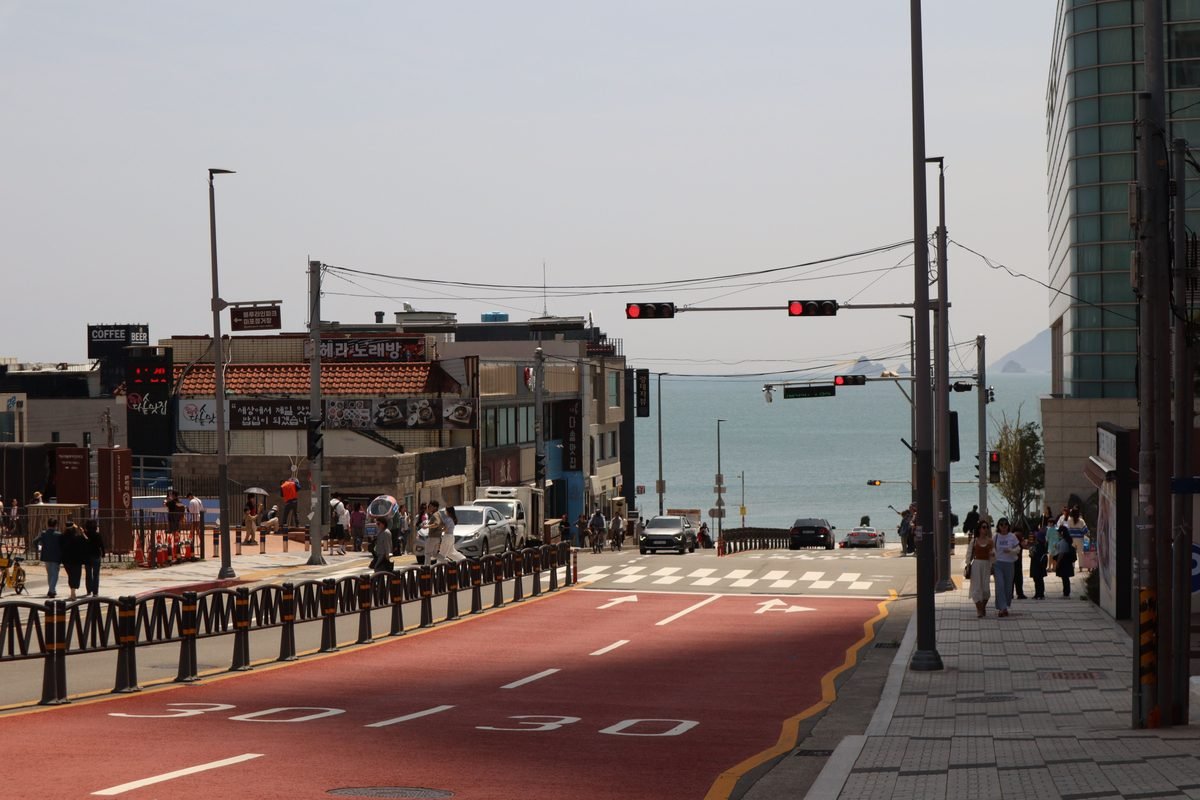
Getting to the village is half the adventure because the roads are incredibly narrow and steep. Most visitors make the mistake of trying to walk up from the bottom of the hill near the port. Do not do this unless you want a very intense leg workout. The easiest way is to use the Busan subway system. Take Line 1 (the orange line) to Toseong Station. Head to Exit 6 and turn right at the corner. You will see a small bus stop in front of the Pusan National University Hospital (the cancer center building).
Look for the small green “maeul” (village) buses. These are smaller than standard city buses because they have to navigate the tight hairpin turns of the mountain. You want to board bus number 1-1, 2, or 2-2. The ride costs ₩1,200 (about $0.90) if you tap your T-money or transit card. The bus ride is short. It takes about ten minutes, but it is very bumpy. Hold on tight to the rails. You should get off at the stop called Gamcheon Elementary School, which is the main entrance to the village. You will know you are there when you see a crowd of people and a large wooden sign.
If you are coming from the Haeundae or Gwangalli beach areas, expect the journey to take about an hour. You will need to take the subway to Seomyeon and transfer to Line 1 heading toward Sinpyeong. A taxi from Nampo-dong is also an affordable option, costing roughly ₩5,000 (about $3.75). However, the mini-bus is the classic local experience. It lets you see how the drivers expertly navigate gaps that look far too small for a vehicle. It is a great introduction to the vertical nature of Busan’s geography.
Following the stamp map route
When you arrive at the entrance, your first stop should be the Gamcheon Culture Village Information Center. It is a small building on your right as you enter the main gate. Here, you can buy the official paper map for ₩2,000 (about $1.50). Buy the map first. This is not just a souvenir; it is a vital tool for navigating the labyrinth. The map includes a scavenger hunt where you collect stamps at various art installations and galleries throughout the village. It is the best way to ensure you see the most interesting corners without getting lost in a dead-end alley.
The route is marked by colorful wooden fish mounted on the walls. Follow the direction the fish are swimming. As you collect stamps, you will pass by the Haneul Maru, which is an observatory and exhibition space. If you collect enough stamps, you can return to certain points to receive a free postcard. The path takes you through the “Moving Village” art project, which transformed this former slum into an outdoor museum starting in 2009. The map helps distribute foot traffic, so you aren’t just following the same single path as everyone else.
I recommend setting aside at least two hours for the full stamp route. Some of the stamp locations are inside small galleries or craft shops where you can see local artists at work. One of my favorite stops is the “House of Peace,” a quiet space designed for reflection. The map also points out the location of public restrooms and drinking fountains, which are scarce once you dive deep into the residential sections. It is a small investment that makes the experience much more interactive and supports the local community center that maintains the village.

Tip: Get the Postcard
Once you collect the stamps from Haneul Maru and the Little Museum, you can get a free commemorative postcard at the information desk.
Exploring residential alleys and photo spots
While the village is famous for its colors, it is important to remember that people live here. Many of the alleys are private property. You will see signs asking for silence, often featuring a “shhh” emoji. Respect the people living here. Avoid peeking into windows or opening gates that are closed. The most famous photo spot is the statue of the Little Prince and the Fox. They sit on a wall looking out over the harbor. There is almost always a line here. If you want a photo with them, expect to wait 20 to 30 minutes during peak hours.
For a less crowded view, look for the “Stairs to See Stars.” This is a steep staircase with 148 steps. It earned its name because people carrying heavy loads up the stairs would often get dizzy and see stars. From the top, you get a wide view of the entire valley without the crowds of the Little Prince area. Another great spot is the “Grand Canyon” view, which you can find by following the lower path on your map. It offers a perspective of the houses stacked directly on top of each other, showcasing the unique architecture of the 1950s.
When taking photos, look for designated photo zones. These are often small platforms or widened sections of the path where you won’t block the flow of traffic. The hills are quite steep. If you see an elderly resident carrying bags, step aside and let them pass. The village is a maze of stairs and tiny walkways, and it is easy to accidentally end up on someone’s porch. If a path looks like it leads directly to a front door, it probably does. Stick to the routes marked on your map to stay in the public areas.
Where to eat in Gamcheon Culture Village
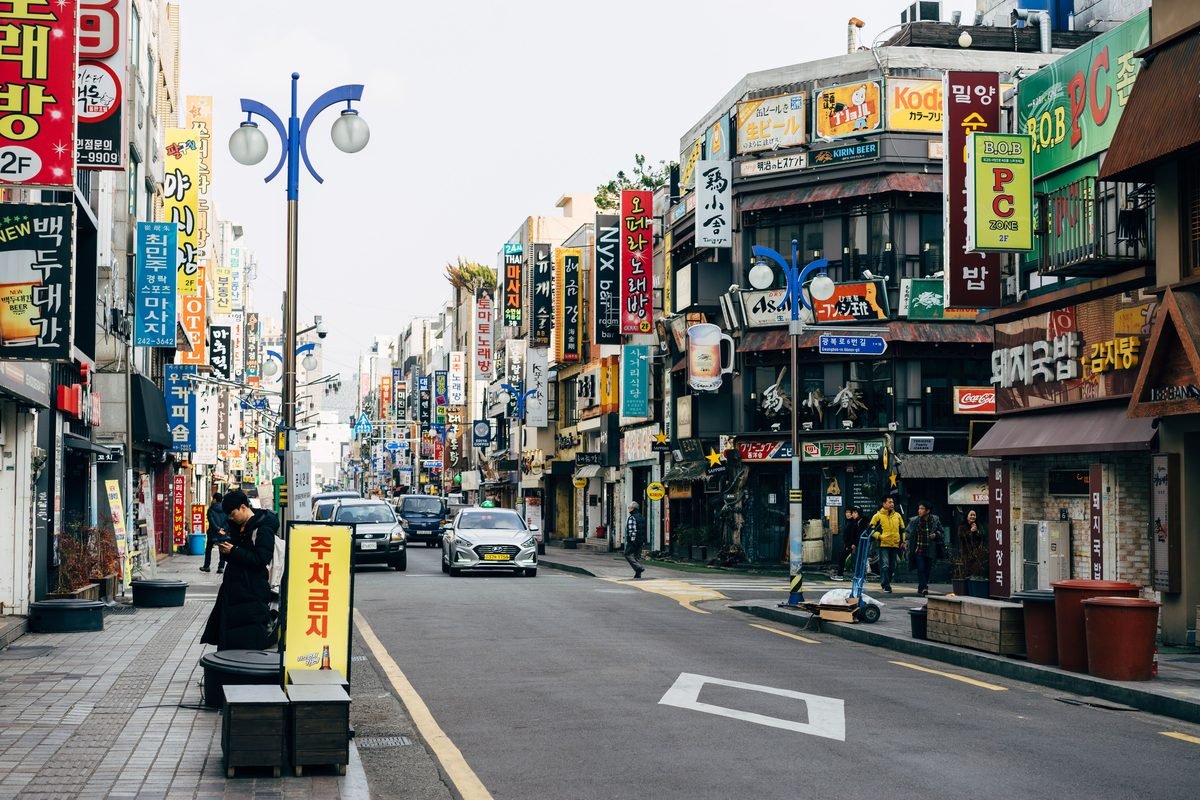
Walking the hills will make you hungry. The main street near the entrance is lined with small stalls selling street food. You must try the Ssiat Hotteok, which is a sweet pancake filled with seeds and brown sugar syrup. In Busan, they add a lot more seeds than they do in Seoul, giving it a great crunch. Expect to pay about ₩2,000 (about $1.50) for one. You will also find fish cake (eomuk) skewers, which are a Busan specialty. The broth is warm and salty, perfect if you are visiting on a cooler September afternoon.
For a sit-down meal, look for the Gamnae Cafe. This is a community-run cafe located in a renovated former public bathhouse. The profits go back into the village’s welfare funds. They serve simple coffee, teas, and light snacks. If you want a full meal, there are a few small restaurants near the bus stop that serve bibimbap or gukbap (pork soup). A bowl of pork soup usually costs around ₩9,000 (about $6.75) and is the ultimate Busan comfort food. The view from the cafes along the main ridge is often better than the food, so I usually grab a coffee and enjoy the scenery.
If you want something more modern, there are several themed cafes with rooftop seating. These are great for resting your legs after climbing the 148 steps. Some cafes have a minimum order policy for those who want to use their balconies for photos. I recommend the ones further away from the entrance; they tend to be quieter and have more space. Always check the prices before you sit down, as some of the “view” cafes can be a bit more expensive than the ones tucked away in the side streets.

From a local: Community Coffee
The Gamnae Cafe is run by the village residents. Buying a coffee there directly supports the local seniors who help maintain the neighborhood.
Adding the Songdo Cable Car to your day
Since Gamcheon is located in the western part of Busan, it makes sense to combine it with a visit to Songdo Beach. After you finish your walk through the village, do not take the bus back to the subway. Instead, go to the main road and hail a taxi. Tell the driver “Songdo Hae-su-yong-jang.” The ride takes about 10 to 15 minutes and costs roughly ₩6,000 (about $4.50). This is much faster than trying to navigate the bus transfers. Songdo was Korea’s first public beach, and it has been recently revitalized with the Busan Air Cruise cable car.
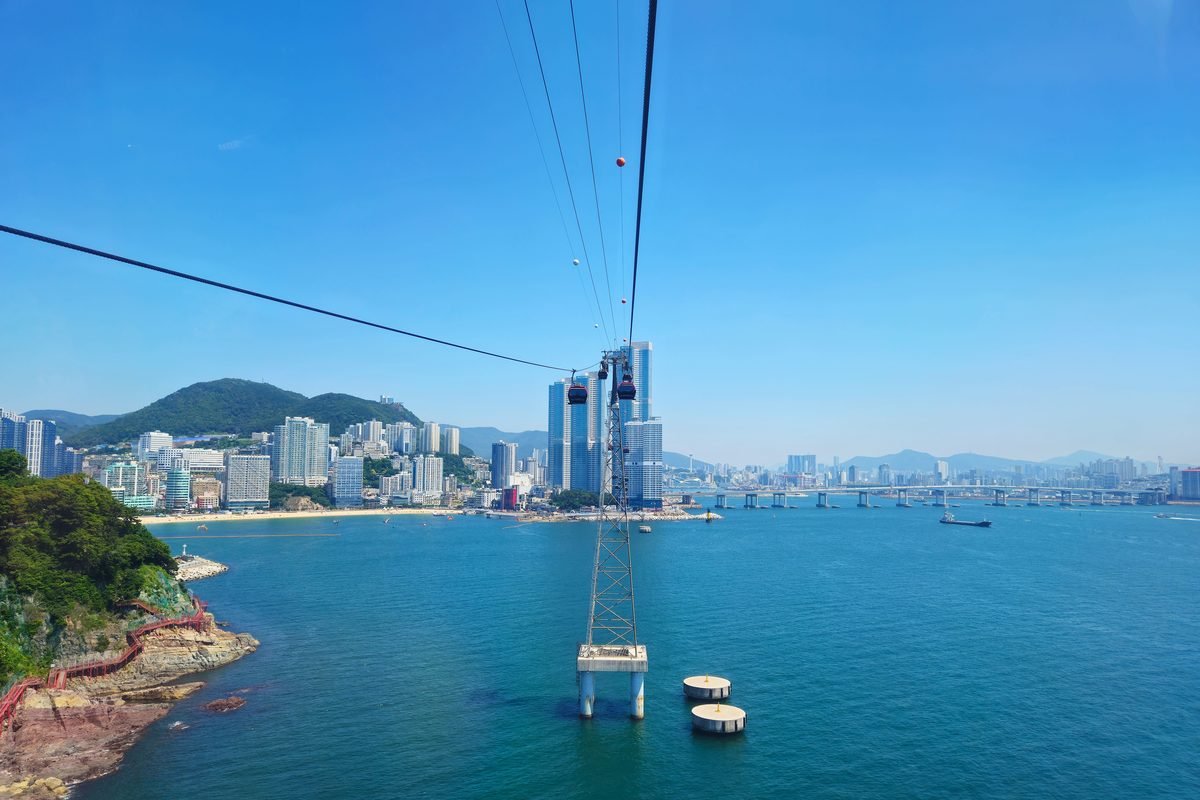
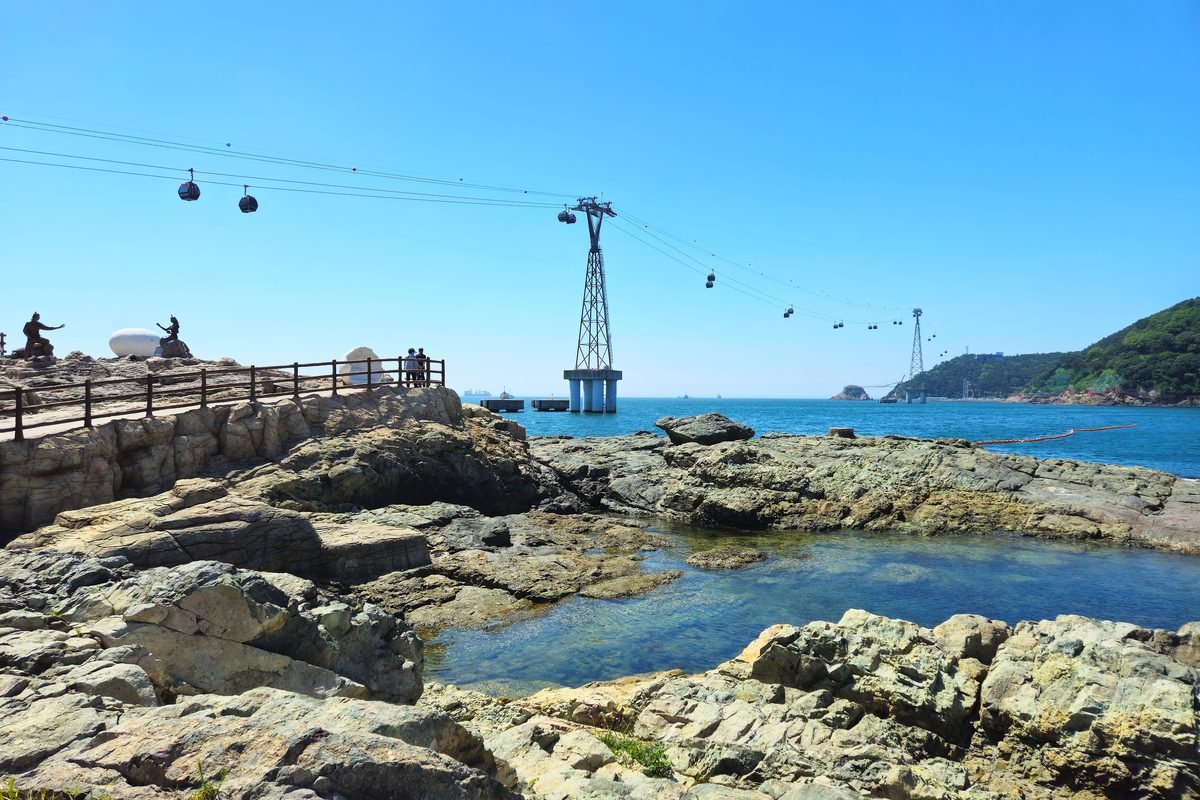
The Songdo Marine Cable Car runs from Songdo Beach to Amnam Park, crossing directly over the ocean. I recommend buying a ticket for the “Crystal Cabin.” These cars have transparent glass floors, allowing you to see the turquoise water and the fishing boats passing underneath you. A round-trip ticket for the Crystal Cabin costs ₩22,000 (about $16.50). The view of the Busan coastline and the Namhang Bridge is spectacular. The ride is about 1.6 kilometers long and takes roughly 10 minutes each way.
At the other end, in Amnam Park, there are forest trails and a giant dinosaur exhibit that kids seem to love. There is also a yellow “clover” shaped skywalk that extends out over the cliffs. If you have time, walk the Songdo Yonggung Suspension Bridge, which connects the park to a small uninhabited island. Entry is ₩1,000 (about $0.75). It can be quite windy on the bridge, so hold onto your hat. Combining Gamcheon and Songdo gives you a perfect mix of hillside culture and coastal scenery in a single afternoon.
Book ahead: Skip the Line
On weekends, the line for the Crystal Cabin can exceed an hour. Book your tickets online in advance to use the express boarding lane.
Best time to visit Gamcheon
Timing is everything when visiting a place this popular. Most tour buses arrive around 10:30 AM and stay until 3:00 PM. To have the best experience, try to arrive by 9:00 AM. The morning light is soft, and the temperature in September is usually a comfortable 22°C (72°F). You will be able to get your stamps and take photos at the Little Prince statue without a long wait. Most of the smaller shops and galleries open between 9:00 AM and 10:00 AM. The village feels much more authentic before the speakers start playing music for the tourists.
Alternatively, visit in the late afternoon. Around 4:30 PM, the day-trippers begin to leave. The “golden hour” before sunset makes the pastel houses glow. However, keep in mind that many of the stamp locations and shops close by 6:00 PM. The village is technically open 24 hours because it is a residential area, but it is not recommended to wander deep into the alleys after dark. It is poorly lit, and the noise from visitors is much more disruptive to residents at night. Sunset over the harbor from the Haneul Maru observatory is a great way to end your visit.
September is one of the best months for Busan. The summer humidity has faded, but the air is still warm. You should check the weather forecast for typhoons, which can occasionally hit the coast this time of year. If it is a clear day, you can see all the way to the islands in the distance. If you visit on a weekday, you will find it significantly quieter than on a Saturday or Sunday. Avoid public holidays like Chuseok, as the village becomes extremely crowded with domestic travelers.
Practical tips for your Busan trip
Wear very comfortable shoes. This is my most important piece of advice. You will be walking on uneven stone, climbing hundreds of stairs, and navigating steep slopes. Sandals or heels are a bad idea here. Also, make sure your T-money card is topped up before you leave Toseong Station. While you can use cash on the buses, it is much slower and costs more. You can refill your card at any convenience store like 7-Eleven or CU. A blank card costs about ₩4,000 (about $3).
Do not rely on Google Maps. It does not work well for walking directions in South Korea. Download Naver Map or KakaoMap before you arrive. These apps will show you exactly which bus is coming and how many minutes are left until it arrives. They also have much more accurate maps of the tiny alleys inside Gamcheon. If you get lost, look for the large maps posted at major intersections or follow the wooden fish on the walls. Most of the main paths eventually lead back to the entrance road.
Carry a bottle of water with you. While there are cafes, the climb up the “Stairs to See Stars” can be draining in the sun. There are no convenience stores in the middle of the residential alleys, only on the main perimeter road. Finally, keep your voice down. You will see many signs reminding you that this is a “quiet village.” Being a respectful visitor ensures that the residents continue to welcome travelers into their unique neighborhood. It is a privilege to walk through someone’s backyard, so treat it with care.

Heads up: No Google Maps
Google Maps will not give you accurate walking directions in the village. Download Naver Map for the best navigation.
What it costs in Busan
| Item | Local price | USD |
|---|---|---|
| Subway to Toseong Station | ₩1,600 | $1.20 |
| Village Bus (maeul bus) | ₩1,200 | $0.90 |
| Gamcheon Stamp Map | ₩2,000 | $1.50 |
| Ssiat Hotteok Snack | ₩2,000 | $1.50 |
| Taxi to Songdo Beach | ₩6,000 | $4.50 |
| Songdo Cable Car (Crystal) | ₩22,000 | $16.50 |
| Pork Soup Lunch (Gukbap) | ₩9,000 | $6.75 |
| Total per person | ₩43,800 | $32.85 |
Prices checked September 2026. Always confirm with the provider before you book.
Where to stay in Busan
Budget
Nampo-dong, for guesthouses near the port
This area is perfect for those who want to be close to Gamcheon and the Jagalchi Fish Market. You can find clean hostel beds and small guesthouses for ₩30,000 to ₩50,000 (about $22-$37) per night.
Mid-range
Seomyeon, for central business hotels
Seomyeon is the transit hub of Busan, making it easy to reach both the beaches and the village. Expect to pay ₩80,000 to ₩130,000 (about $60-$97) for a modern, well-located hotel room.
Splurge
Haeundae, for high-rise ocean views
This is the most famous beach area with luxury international hotels overlooking the sand. Rooms here typically range from ₩200,000 to ₩450,000 (about $150-$335) depending on the view.
Mistakes to avoid
- Walking up the hill from the subway station instead of taking the green village bus.
- Entering private residential alleys that are marked with ‘no entry’ or ‘shhh’ signs.
- Visiting in the middle of the day when the tour bus crowds are at their peak.
FAQ
Is there an entry fee for Gamcheon Culture Village?
No, there is no entry fee to enter the village itself. However, I highly recommend spending ₩2,000 (about $1.50) on the official stamp map to support the community and help you navigate.
What is the best Gamcheon Culture Village guide for transport?
The most reliable way is taking Busan Subway Line 1 to Toseong Station, Exit 6, and transferring to the small green bus (1-1, 2, or 2-2) which drops you at the main gate.
How long should I spend at the village?
Most visitors spend between 2 and 3 hours exploring the alleys, taking photos, and collecting stamps. If you stop for coffee or lunch, plan for about 4 hours.
Can I visit Gamcheon Culture Village at night?
While you can walk the main road at night, most shops and art galleries close by 6:00 PM. It is a residential area, so wandering the narrow alleys after dark is discouraged to respect the locals’ privacy.
Are there a lot of stairs in the village?
Yes, the village is built on a steep mountain. While the main path is relatively flat, many of the best views and art pieces require climbing steep staircases, including the famous 148-step ‘Stairs to See Stars’.