Seoul Traditional Tea House Guide: Best Hanok Courtyards

Rain falls on the tiles. Inside, the steam from a cup of hot jujube tea smells of honey, earth, and quiet afternoons. It is 3:00 PM on a chilly Tuesday, and the fast-paced city outside feels miles away. Seoul moves fast. Yet, behind the towering glass skyscrapers of the capital, there are quiet pockets where time slows to a crawl.
This is my personal Seoul traditional tea house guide, written from my perspective as a local resident. If you want to escape the crowded modern cafes and experience the slower side of Korean culture, this guide is for you. We will cover the best historic courtyards in Insadong, the quietest spaces in Bukchon, essential shoe-removal etiquette, and exactly what to order.
What to expect at a traditional Korean tea house
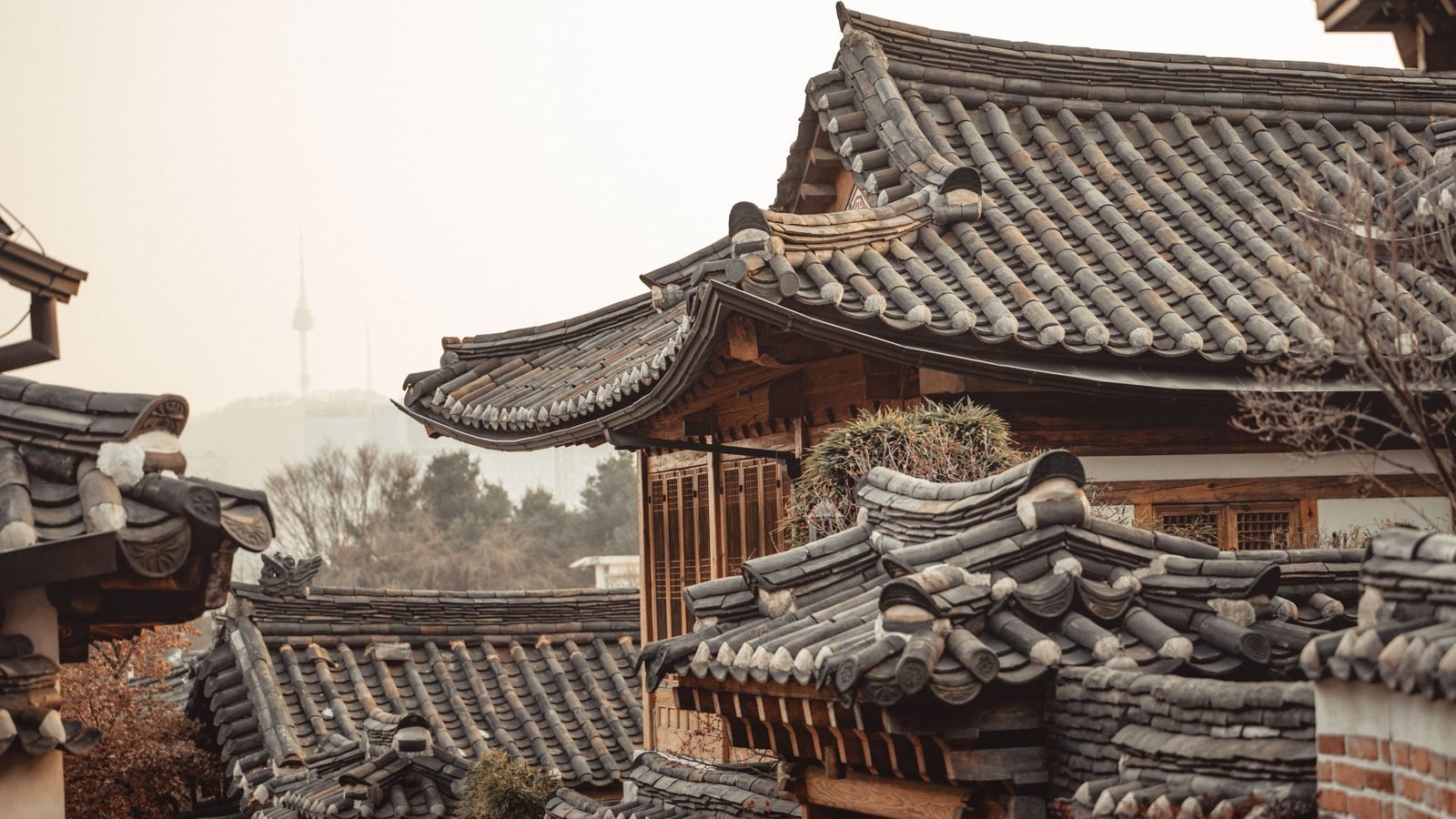
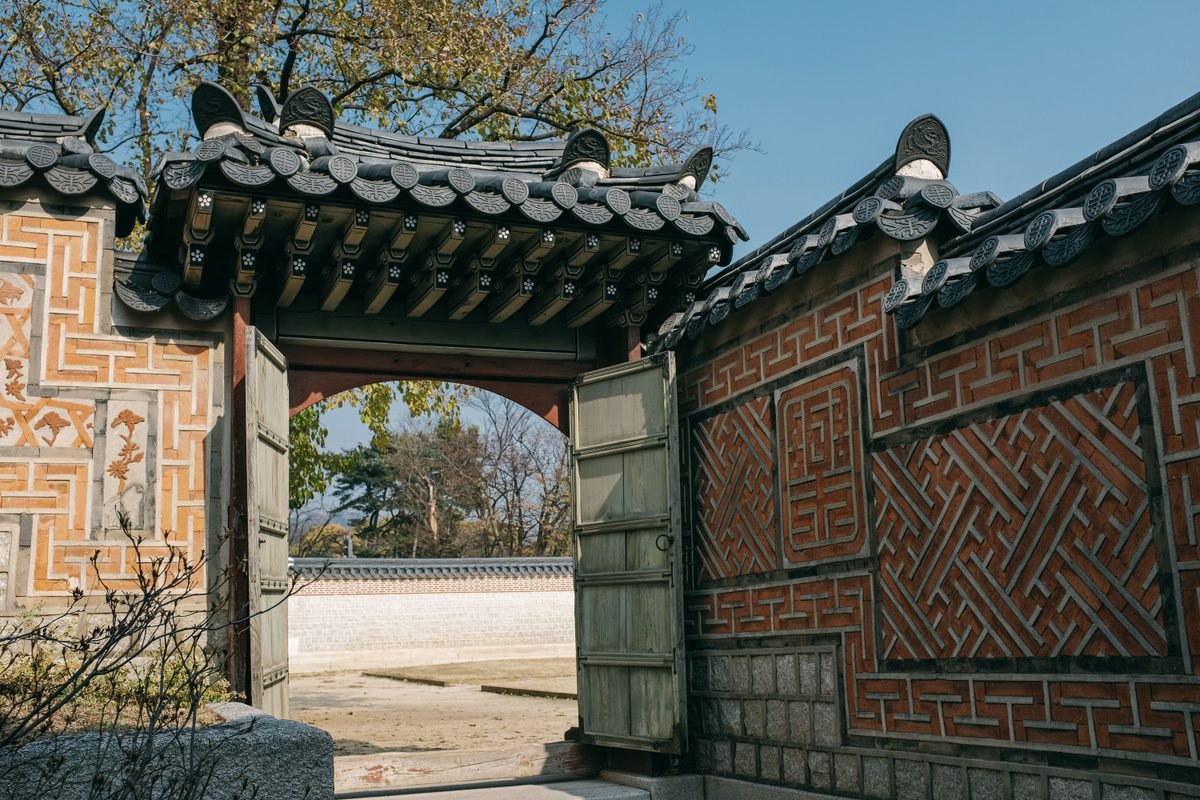
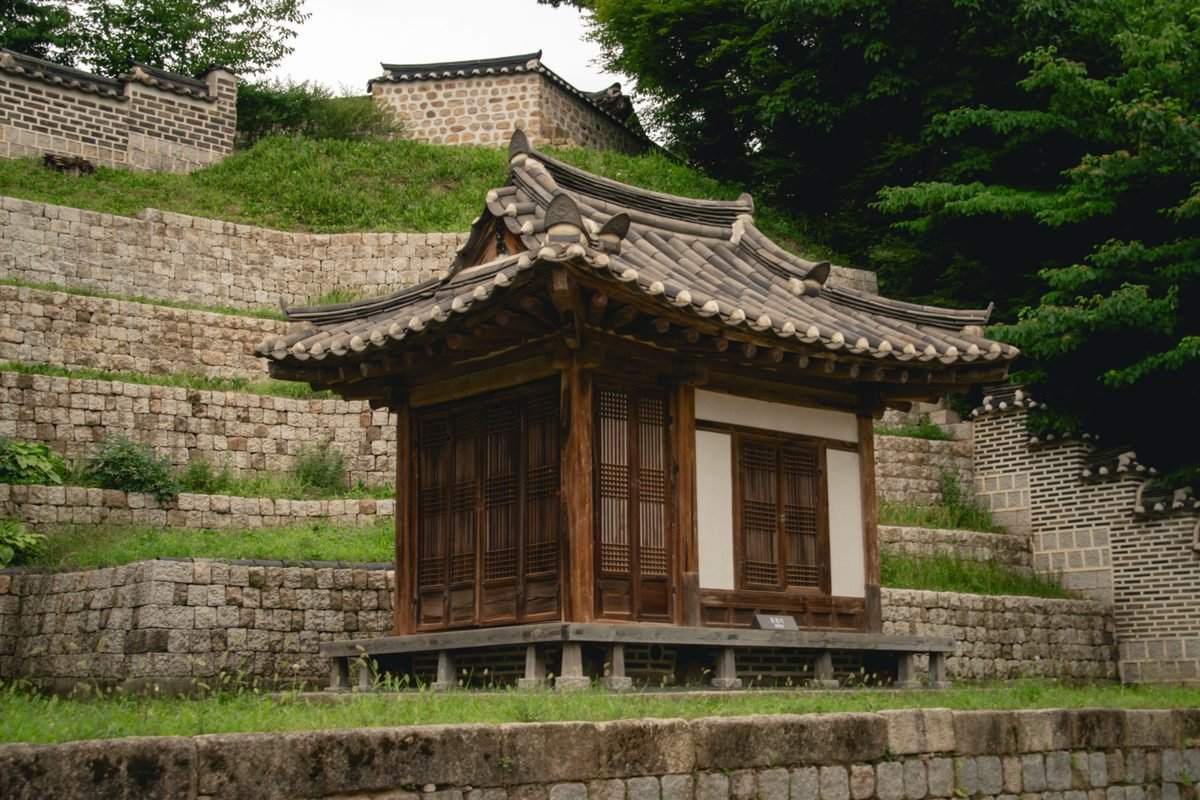
To understand the appeal of these spaces, you must first forget everything you know about modern cafe culture. In Seoul, modern coffee shops are everywhere, filled with the hum of espresso machines and the click of laptop keyboards. Traditional tea houses, known as dawon or chatjip, offer the exact opposite. They are designed as sanctuaries of stillness. The architecture itself plays a huge role in this experience. Most authentic tea houses are housed in restored hanok (traditional Korean wooden homes) featuring clay tiled roofs, exposed pine beams, and central courtyards that let in natural light and seasonal rain.
When you step inside, the sensory experience shifts immediately. The air smells of dried roots, roasted grains, and sweet herbs. Instead of loud pop music, you will hear the soft trickle of water from a courtyard fountain, the rustle of paper sliding doors, or quiet instrumental music played on the gayageum (a traditional zither). The seating is designed to encourage relaxation, often featuring low wooden tables with thick floor cushions over heated floors.
The drinks themselves are not just beverages; they are traditional remedies. Korean tea culture relies heavily on medicinal infusions made from roots, fruits, seeds, and flowers rather than simple tea leaves. These brews are simmered for hours to extract deep, complex flavors. They are served alongside small, delicate sweets that balance the natural bitterness of the herbs. It is an active practice of mindfulness that has survived for centuries.
From a local: Local Insight
Look for the Korean word 찻집 (chatjip) on signs. These true traditional tea houses offer a completely different, slower experience than standard Western-style cafes.
How to find the best traditional tea houses in Insadong
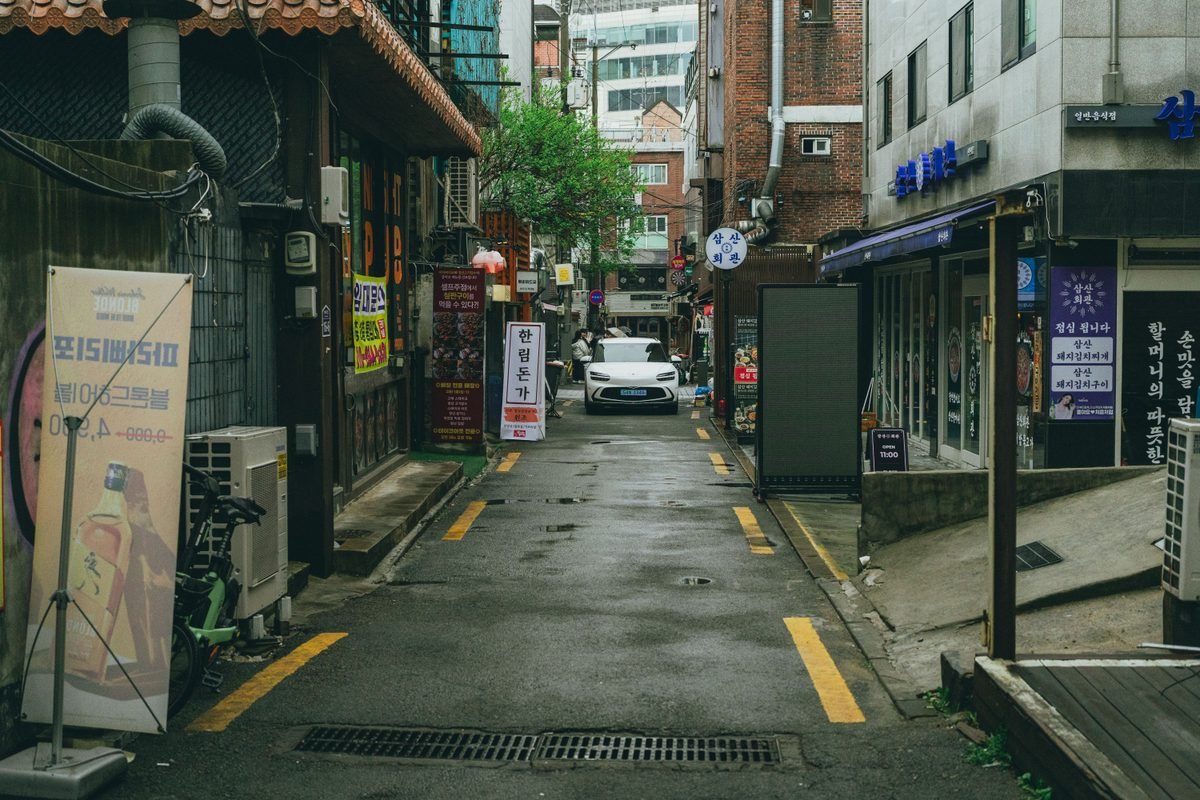
Insadong is the historical heart of Seoul’s tea culture, but you have to know where to look. The main street, Insadong-gil, is lined with souvenir shops and modern storefronts. To find the real treasures, you must turn down the narrow, winding alleys that branch off the main drag. Insadong 12-gil is an excellent place to start. Here, the concrete disappears, replaced by stone-paved lanes and brick walls. One of my favorite spots is Shin Old Tea House, tucked away at the end of a tiny alley. It features a dim, cozy interior with floor seating and a small, beautiful garden courtyard filled with leafy plants.
Another incredible option is the Dawon Traditional Tea Garden, which is located inside the courtyard of the Kyung-in Museum of Fine Art. This space offers a perfect combination of cultural history and natural beauty. You can sit outside on the wooden porch during the warmer months, looking out over the courtyard gardens while sipping your brew. A cup of tea here costs roughly ₩9,000 (about $6.75) to ₩11,000 (about $8.25).
When searching for these spaces, look for wooden signs featuring the Chinese character for tea (茶) or the Korean word 찻집. Do not rush through these alleys. The best spaces are often located behind heavy wooden gates that look like private residences from the street. Push the gate open gently; you will usually find a warm, welcoming courtyard inside.
Where to experience traditional tea in Bukchon Hanok Village
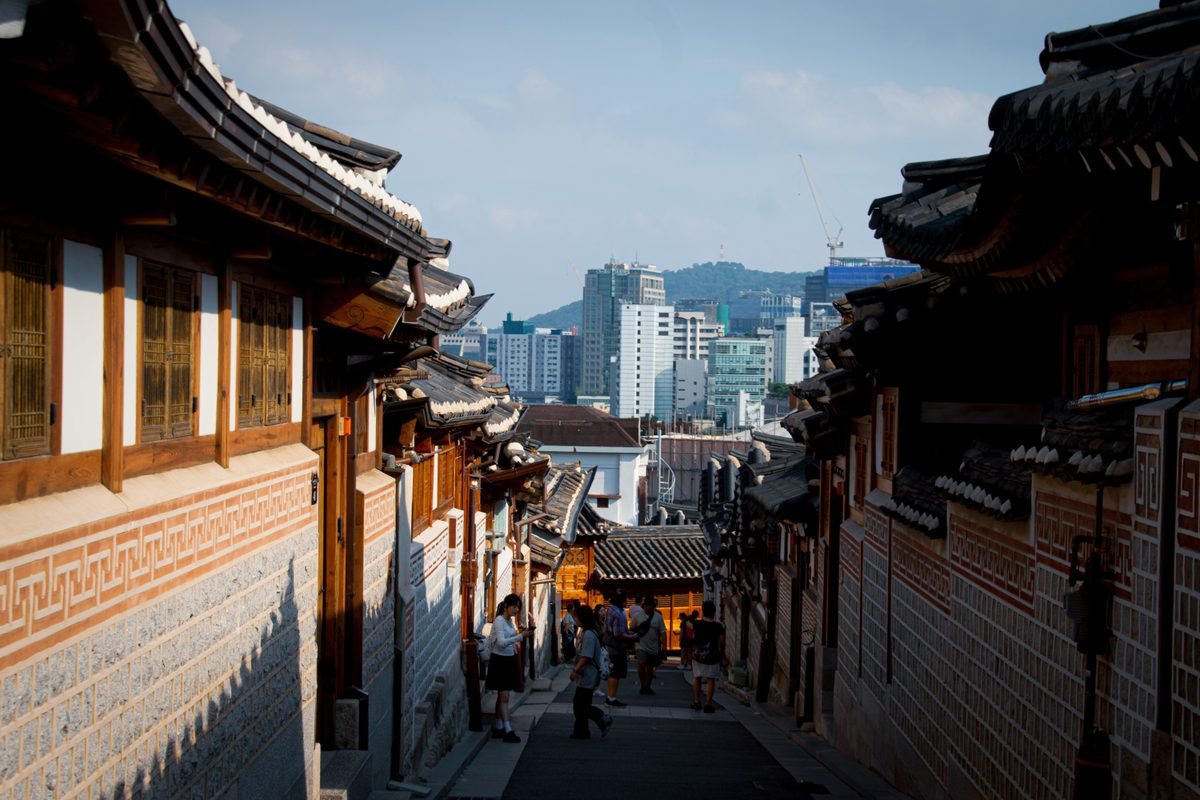
Bukchon Hanok Village is famous for its preserved residential alleys, but it also hosts some of the most scenic tea spaces in the city. Unlike the cozy, tucked-away courtyards of Insadong, the tea houses in Bukchon often take advantage of the hilly terrain. They offer sweeping views over the sea of tiled roofs toward the modern skyline of downtown Seoul. Walking up these steep stone paths can be tiring, making a tea stop the perfect midday break. You can read more about navigating this historic area in our Ikseon-dong and Bukchon guide.
A standout location in this neighborhood is Cha-Teul. This tea house is built in a U-shaped hanok that surrounds a manicured garden. The outer walls are made almost entirely of glass, allowing you to look out over the neighborhood and the distant mountains while you drink. It is an exceptionally peaceful space, though it does get busy on weekend afternoons. Expect to pay about ₩10,000 (about $7.50) for a premium pot of wild pear or ginger tea here.
Visiting Bukchon’s tea houses requires a slightly different mindset than visiting Insadong. Because Bukchon is a residential neighborhood, visitors are asked to keep their voices down even before entering the shops. The tea houses here maintain this quiet atmosphere strictly. It is not a place for loud group conversations, but rather a space to sit quietly, watch the clouds move over the mountains, and enjoy the slow drip of your tea infuser.
Heads up: Respect the Neighbors
Bukchon is a real residential area. Keep your voice down while walking to the tea houses to respect the locals who live here.
What to order: Traditional Korean teas and snacks
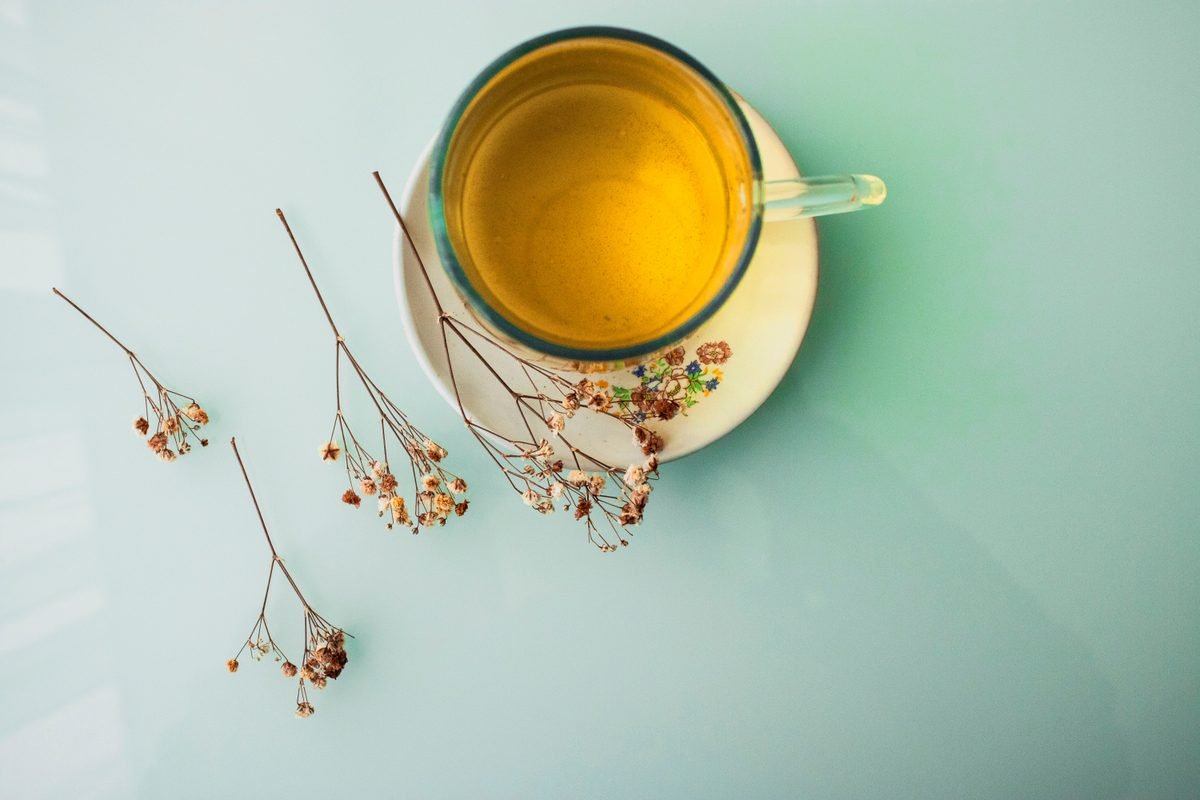
The menu at a traditional tea house can be intimidating if you are only familiar with black or green tea. While high-quality green tea from Boseong or Jeju Island is always available, the herbal and fruit infusions are the true highlights. Order the jujube tea. Known as daechu-cha, this thick, dark brew is made by boiling dried red dates for hours until they break down into a sweet, velvety paste. It is naturally sweet, slightly earthy, and incredibly warming. It is usually served hot, garnished with pine nuts and sliced jujube.
If you prefer something tart and refreshing, try omija-cha, or five-flavor berry tea. Made from magnolia berries, this bright red tea is famous for containing five distinct tastes: sweet, sour, salty, bitter, and pungent. It is excellent served cold on a hot summer afternoon. For those feeling adventurous, ssanghwa-cha is a deep, bitter medicinal tea made from a blend of nine traditional herbs, including licorice and peony root. It is often topped with a generous handful of walnuts, pine nuts, and sunflower seeds, and is traditionally drunk to ward off colds.
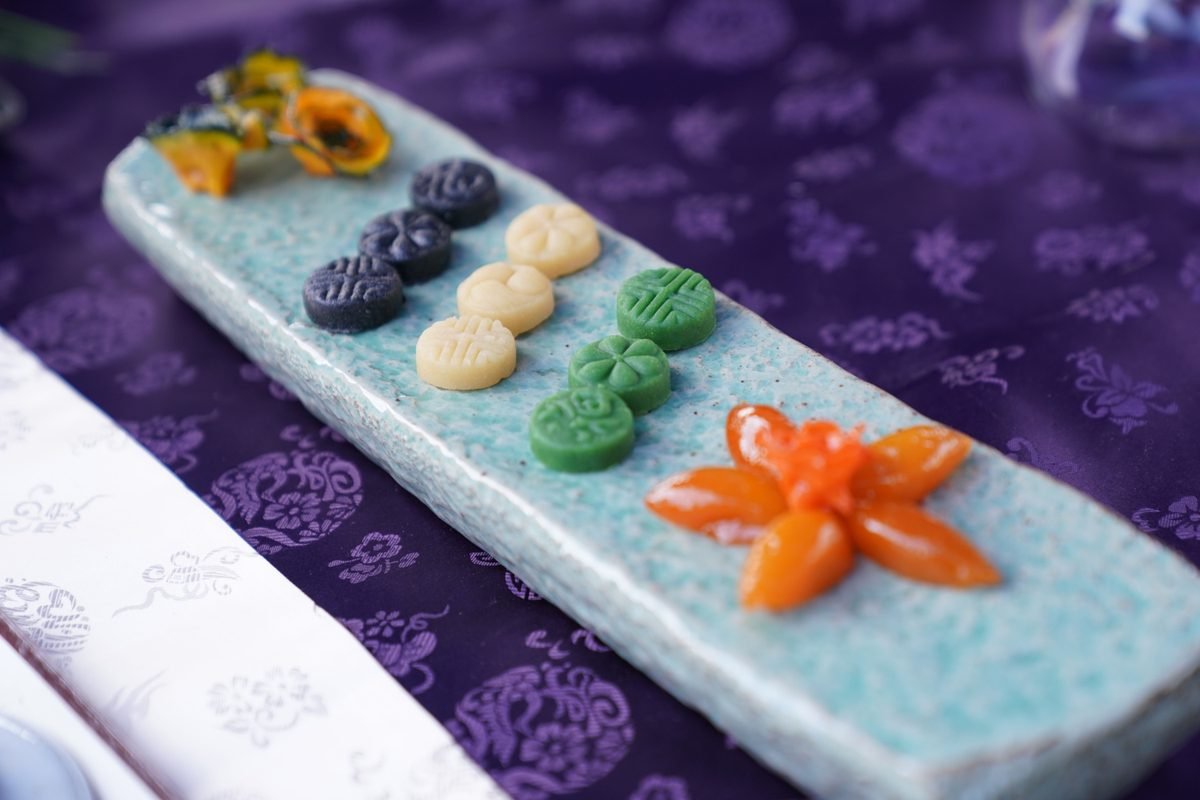
No tea order is complete without traditional snacks, known collectively as hangwa. The most popular accompaniment is yakgwa, a sweet, dense cookie made from wheat flour, sesame oil, ginger, and honey, which is then fried. It has a chewy texture and pairs beautifully with bitter teas. A single piece of yakgwa usually costs around ₩2,000 (about $1.50). You might also be served complimentary roasted rice cakes (garae-tteok) drizzled with grain syrup, or light, crispy puffed rice snacks.
Korean tea house etiquette: Rules for shoes and seating
To feel comfortable during your visit, it helps to understand a few basic cultural rules. The most important rule involves your shoes. Many traditional tea houses require you to remove your footwear at the entrance. Take your shoes off. You will see a stepping stone (called a didimdol) where guests leave their shoes. Some places provide cubbies, while others expect you to leave them neatly aligned on the floor. Because of this, always wear clean, intact socks when planning a tea house day. Walking barefoot on the polished wooden floors or heated paper floors is generally frowned upon.
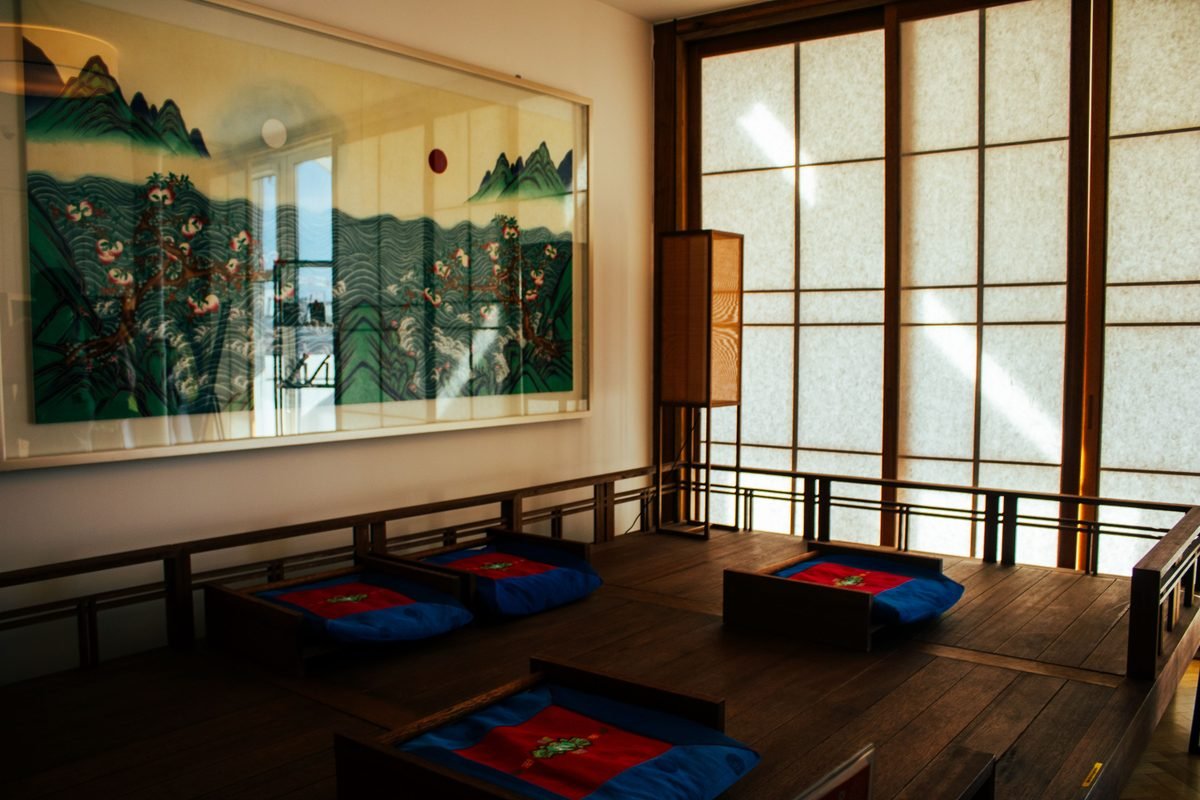
Once inside, you will often be directed to ondol seating. This is traditional floor seating over an underfloor heating system. To sit comfortably, use the provided thick cushions (bangseok). Men traditionally sit cross-legged, while women often sit with their legs folded to one side, though modern venues are highly relaxed about this. If you have joint pain or find floor seating difficult, do not worry. Most larger tea houses also have a few low tables with chairs or western-style seating areas. For more details on local customs, check out our guide to Korean etiquette for travelers.
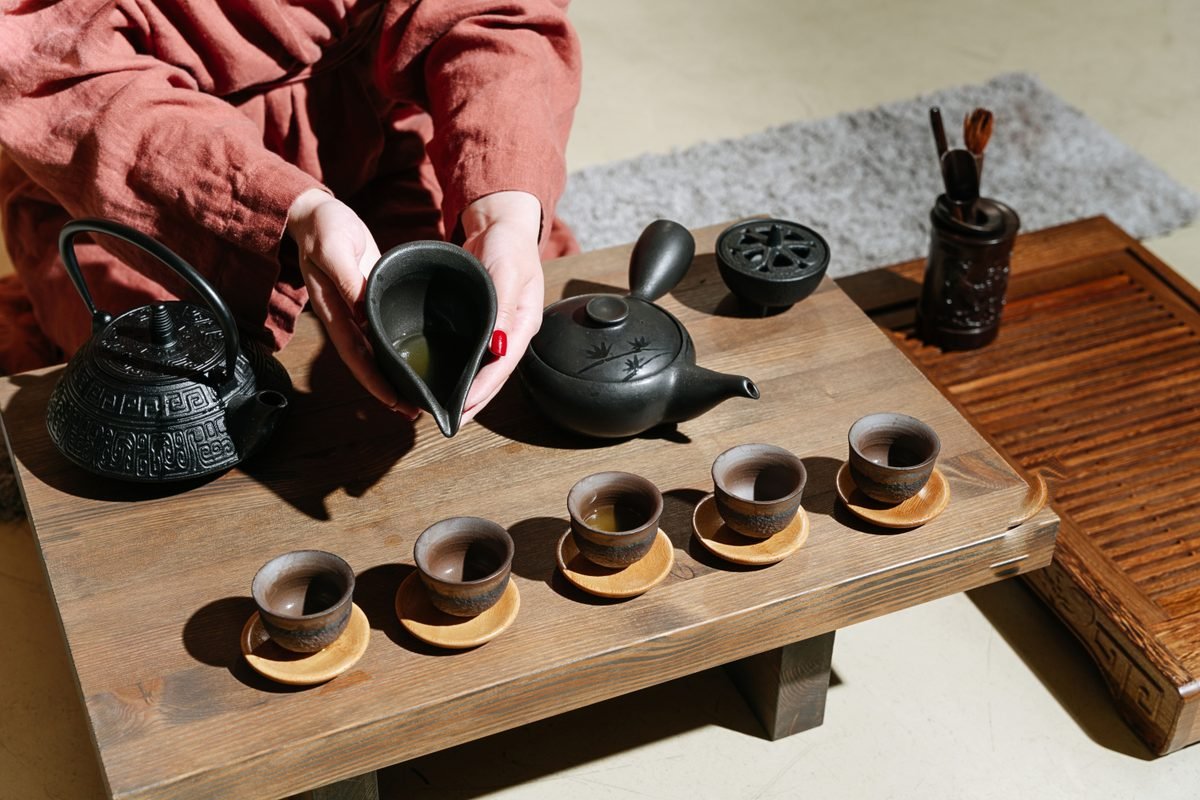
When your tea arrives, the host will often demonstrate how to pour it. If you are served a multi-step loose-leaf tea, pay close attention to their movements. Always hold the teacup with both hands as a sign of respect, especially if someone is pouring for you. Keep your voice at a respectful, conversational volume to preserve the quiet atmosphere for other guests.
Book ahead: Weekend Wait Times
The most popular tea houses do not take reservations. Plan to arrive before 1:00 PM on Saturdays and Sundays to avoid waiting up to 30 minutes for a table.
How to plan your Seoul tea house itinerary
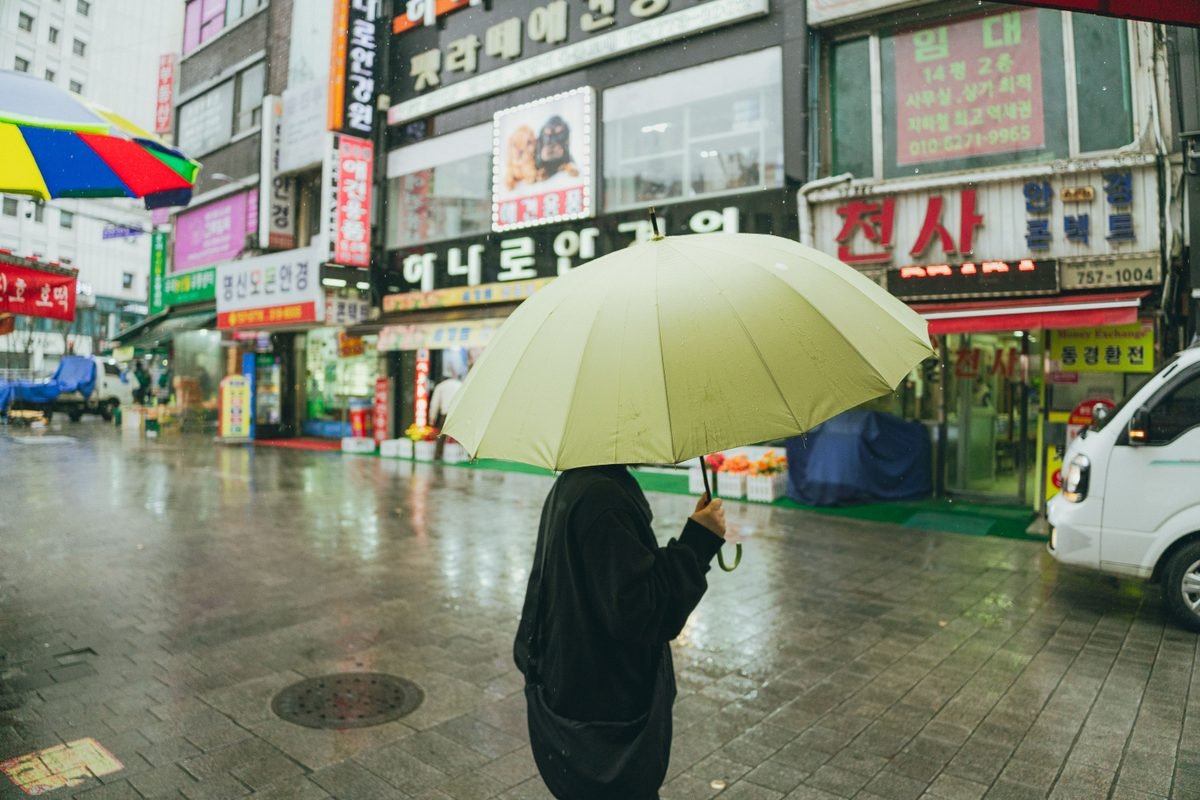
Integrating a traditional tea house visit into your sightseeing schedule is easy, but timing is everything. The best time to visit is during the late afternoon, between 3:00 PM and 5:00 PM. This is when the mid-day sightseeing fatigue sets in, and a warm bowl of medicinal tea can provide a much-needed energy boost. It is also a magical time of day as the sun begins to dip, casting long shadows across the wooden courtyards. If you are lucky enough to experience a rainy day in Seoul, drop your outdoor plans and head straight to a tea house. The sound of rain hitting the clay roof tiles is incredibly peaceful.
You can easily pair a tea house visit with a morning exploring Gyeongbokgung Palace or shopping in Myeongdong. Insadong is located right in the center of these historic sites, making it a natural resting point.
Most traditional tea houses do not take reservations for regular seating, so you can simply walk in. However, the most popular spots in Bukchon and Insadong can have wait times of 20 to 30 minutes on weekend afternoons. If you want to avoid crowds, aim for a weekday visit. Most shops open around 11:00 AM and close by 9:00 PM or 10:00 PM, with last orders typically taken 30 minutes before closing.
What it costs in Seoul
| Item | Local price | USD |
|---|---|---|
| Subway ride (one-way) | ₩1,550 | about $1.15 |
| Premium traditional tea (e.g., Jujube or Omija) | ₩10,000 | about $7.50 |
| Traditional snack (Yakgwa or Rice Cakes) | ₩3,000 | about $2.25 |
| Entry to Kyung-in Museum courtyard | Free | Free |
| Mid-range Hanok Guesthouse (per night) | ₩120,000 | about $90.00 |
| Estimated Daily Total | ₩134,550 | about $100.90 |
Prices checked October 2026. Always confirm with the provider before you book.
Where to stay in Seoul
Budget
Insadong, for cozy hanok guesthouses
This neighborhood puts you within walking distance of the city's best tea houses and historic alleys. Standard rooms in local guesthouses run between ₩70,000 (about $52) and ₩100,000 (about $75) per night.
Mid-range
Ikseon-dong, for boutique hotels near transit
This trendy area features narrow alleys filled with cafes and is located right next to three major subway lines. Expect to pay between ₩110,000 (about $82) and ₩180,000 (about $135) per night.
Splurge
Samcheong-dong, for luxury hanok stays
Located next to Bukchon, this quiet hillside area offers beautifully restored private traditional homes with modern amenities. Rates typically range from ₩250,000 (about $187) to ₩500,000 (about $375) per night.
Mistakes to avoid
- Wearing shoes into areas with floor cushions or raised wooden platforms.
- Ordering standard black tea or coffee instead of trying the house-made medicinal herbal infusions.
- Visiting on weekend afternoons when the quietest tea houses are crowded and have long wait times.
- Forgetting to wear clean socks, which is essential since you must remove your shoes at the door.
FAQ
Where can I find the best tea houses in this Seoul traditional tea house guide?
The highest concentration of authentic tea houses is in the Insadong and Bukchon Hanok Village neighborhoods. Insadong is famous for tucked-away courtyard gardens, while Bukchon offers elevated views over historic tiled roofs.
Do I need to make a reservation for a traditional tea house?
Most traditional tea houses operate on a walk-in basis and do not require reservations. However, popular spots like Cha-Teul in Bukchon can have wait times of 20 to 30 minutes on weekend afternoons, so visiting on weekdays is highly recommended.
Are there caffeine-free options available?
Yes, the vast majority of traditional Korean teas are naturally caffeine-free. Popular options like omija-cha (five-flavor berry tea), daechu-cha (jujube tea), and ginger tea are made from fruits, roots, and herbs rather than actual tea leaves.