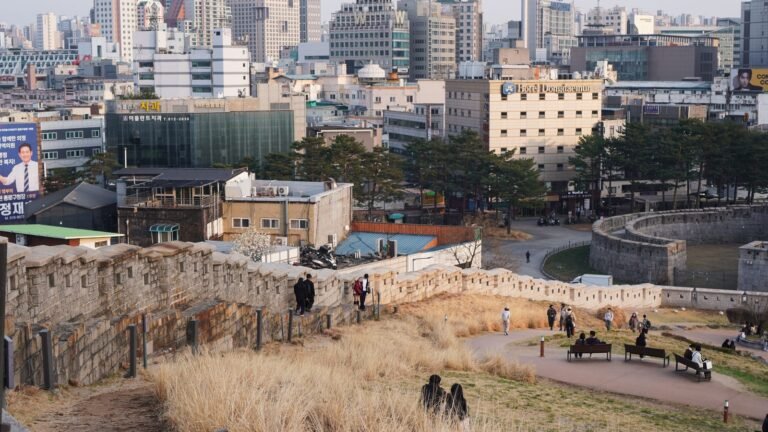
Hadongkwan Seoul: How to Order Myeongdong Gomtang

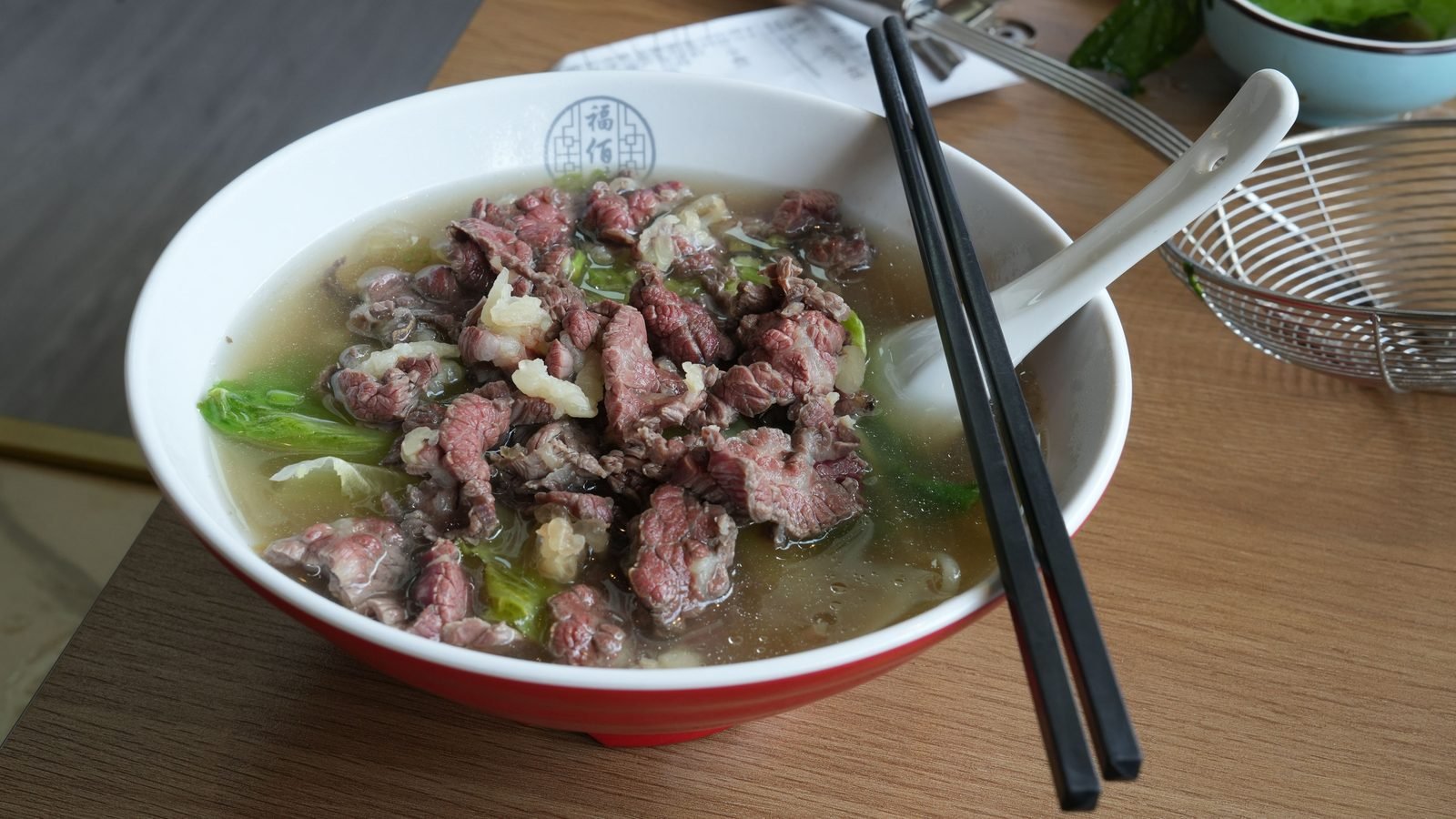
Stepping out of the morning cold into Hadongkwan at 7:30 AM brings the deep aroma of simmering beef brisket and roasted rice broth. Steam rises from large copper cauldrons behind the counter where cooks have been simmering native Hanwoo beef bones and meat since before dawn. Since 1939, this legendary kitchen in Myeongdong has served Seoul residents a clear, fragrant beef bone soup known as gomtang in heavy brass bowls. When you visit Hadongkwan Seoul, you participate in an enduring culinary ritual that has fueled the city through nearly a century of change.
This guide is written for curious travelers who want to experience authentic historic dining in central Seoul without feeling lost. I cover how to navigate to the hidden Myeongdong flagship alley, decipher the traditional counter menu, customize your beef portion and offal cuts, season your broth with scallions and kkakdugi kimchi juice, and time your morning visit so you never face a sold-out kitchen.
What makes Hadongkwan Seoul famous for gomtang
Stepping off the narrow side street in Myeongdong into Hadongkwan at 7:30 AM smells of simmering beef, toasted sesame oil, and hot rice broth. Steam rises from large copper cauldrons in the kitchen where cooks have been simmering Korean beef bones, brisket, and tripe since 3:00 AM. Unlike dense white seollongtang made from heavy leg bones, traditional Hanwoo beef gomtang yields a clear, pale golden broth with deep savory depth. The restaurant has operated continuously since 1939, maintaining the same traditional recipe across generations of Seoul diners.
At Hadongkwan, the broth comes served in heavy forged brass bowls called yugi. The rice is not served on the side. Cooks scoop cooked white rice directly into the bowl and perform a technique called toryeom, pouring hot broth over the rice repeatedly and draining it before filling the bowl for the table. This warms the grains and allows the rice starch to lightly thicken the clear beef broth. The broth arrives piping hot but ready to drink immediately without scalding your tongue. The broth is clear.
What sets this institution apart is its uncompromising focus on Korean beef quality and traditional soup preparation. Every bowl uses native Hanwoo beef, known for its rich fat distribution and clean meat flavor. You will not find modern artificial seasonings or heavy garlic bases in this soup. The stock relies entirely on long-simmered brisket, flank, and internal cuts seasoned with light soy sauce and salt. For travelers exploring the city, stopping here offers an authentic taste of historic Seoul dining culture that has remained unchanged for nearly a century.
The dining room runs with rhythmic efficiency. Waiters weave through low wooden tables carrying metal trays laden with hot brass bowls and house-made kkakdugi. Regulars include corporate executives, market workers, and elderly grandfathers who have frequented this counter for fifty years. Eating here feels like taking part in an enduring morning ritual shared across generations.
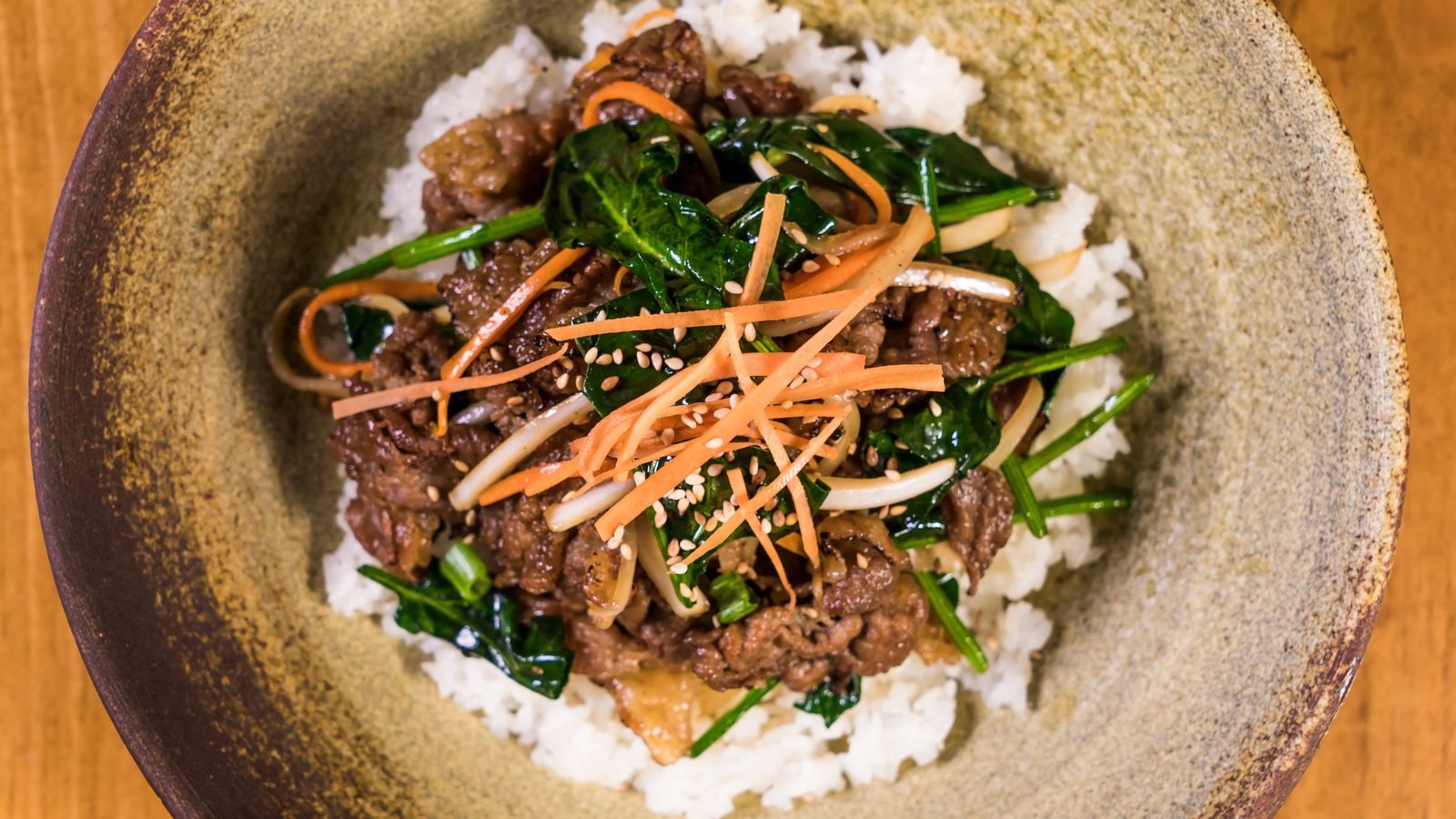
How to get to Hadongkwan in Myeongdong
Hadongkwan sits tucked into a side alley in the heart of Myeongdong, one of the main commercial zones in central Seoul. Finding the restaurant is straightforward if you know which subway exit to target. The fastest route is via Euljiro 1-ga Station on Subway Line 2. Take Exit 5 or Exit 6, walk straight for about 120 meters, and turn right into the main Myeongdong shopping alley. Walk past the cosmetic shops and make a quick left into Myeongdong 9-gil. The restaurant display sign features bold Korean calligraphy reading 하동관.
If you arrive via Subway Line 4 at Myeongdong Station, use Exit 6. Walk down Myeongdong 8-gil toward Euljiro for roughly 350 meters before making a right into Myeongdong 9-gil. A single ride on the Seoul subway costs ₩1,550 (about $1.15) with a T-money transit card. Remember that navigation apps like Naver Map or KakaoMap provide precise walking directions in South Korea, whereas Google Maps often lacks accurate turn-by-turn foot paths in central Seoul neighborhoods. If you are staying around Dongdaemun or Hongdae locations like Dongdaemun or Hongdae, the Line 2 connection straight to Euljiro 1-ga makes for a quick 15-minute transit ride.
Taxis can also drop you at the edge of the pedestrian zone near the Metro Hotel or the Lotte Department Store main entrance. From either drop-off point, walking to the front door takes less than three minutes. Note that delivery scooters and delivery trucks enter the alley early in the morning, so keep an eye out while navigating the pedestrian lanes before 9:00 AM. Arriving by foot from nearby hotels is the smoothest choice during peak breakfast hours.
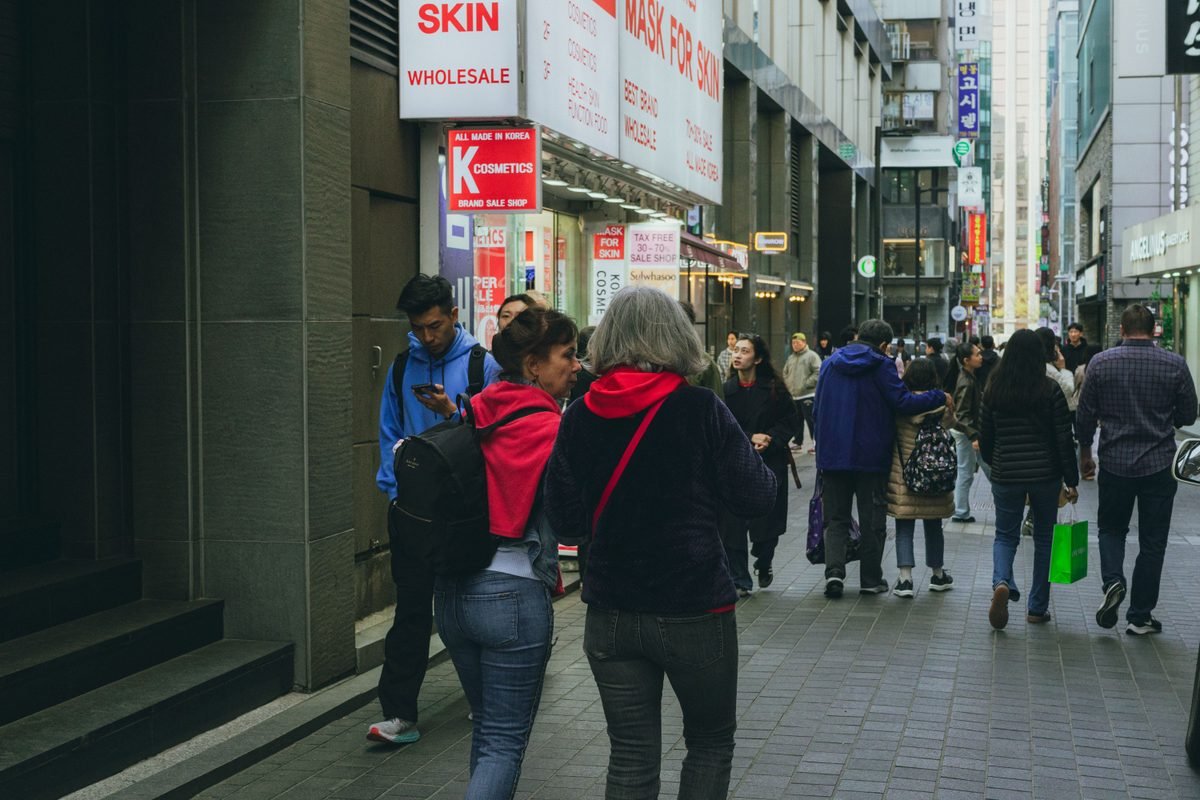
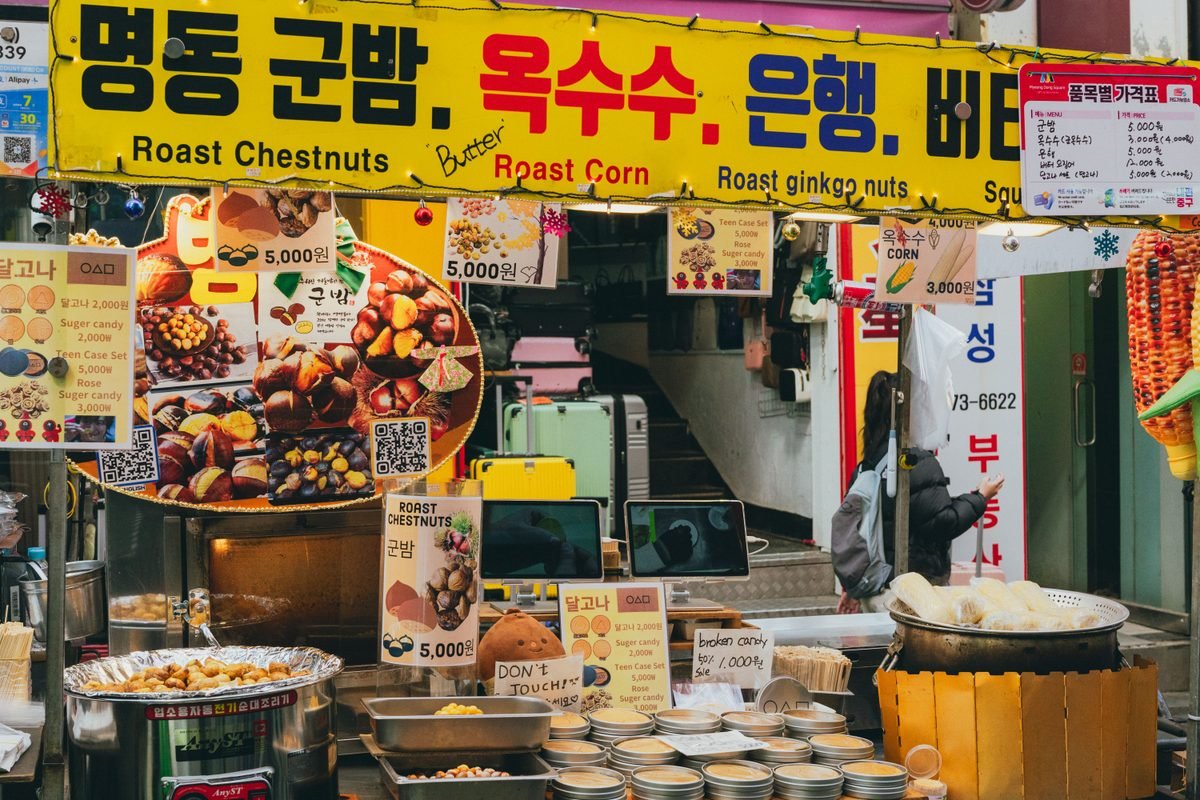
Tip: Subway Navigation Tip
Use Line 2 Euljiro 1-ga Station Exit 5 for the shortest walking distance to Hadongkwan without dealing with heavy Myeongdong shopping street foot traffic.
Understanding the Hadongkwan menu and beef portion sizes
When you walk into Hadongkwan, you will not find a lengthy multi-page menu. The board behind the cashier counter lists only a few variations of gomtang categorized by price point and meat content. Understanding these tiers before reaching the register ensures you order the exact combination you want. The standard bowl, called botong (보통), costs ₩15,000 (about $11.25). This option includes a modest portion of tender beef brisket slices submerged with rice in clear broth. It is light and ideal for a smaller morning meal.
The special size, known as teuk (특), costs ₩18,000 (about $13.50). The teuk upgrade increases the total meat volume and introduces beef tripe alongside thin slices of brisket. The tripe adds a chewiness and rich savory flavor to the broth. If you want a heavier meal, Hadongkwan offers higher-tier custom portions known as 20,000 won (₩20,000, about $15.00), 25,000 won (₩25,000, about $18.75), and 30,000 won (₩30,000, about $22.50) bowls. Locals often refer to the 20,000 won option as seumu-gong in traditional restaurant slang. These premium bowls come packed with extra lean beef, flank, and specialized cuts of intestine.
You can also customize the specific meat cuts in your soup at no additional charge when ordering your chosen size. If you dislike beef tripe, simply request gogi-man (고기만) to receive only sliced beef meat. If you enjoy internal organ cuts, ask for naejang-mix or naejang-man for extra tripe. For visitors planning a busy sight-seeing day after reviewing central Seoul, ordering a 20,000 won bowl provides plenty of clean protein to keep you energized well past noon.
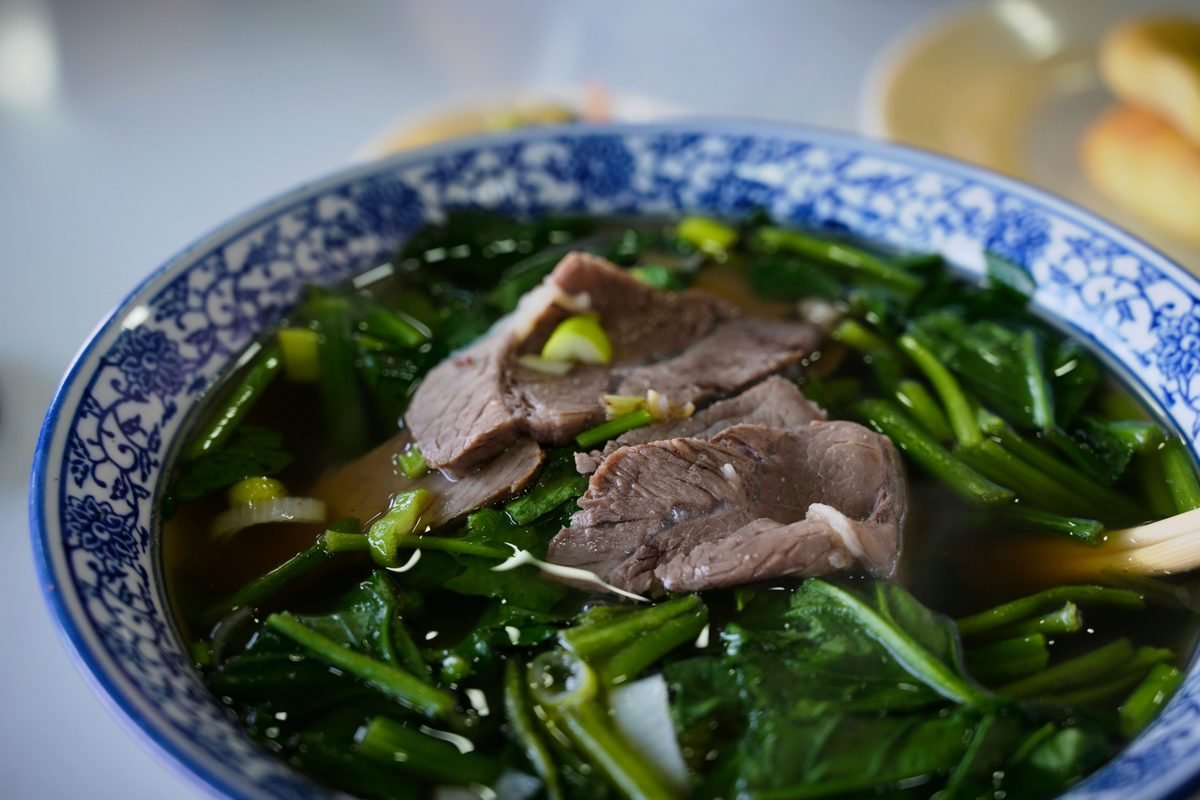
From a local: Local Ordering Secret
If you prefer lean beef without tripe or fat cuts, ask the cashier for gogi-man when paying for your teuk or 20,000 won bowl size.
How to season and eat your gomtang bowl like a local
Hadongkwan serves its soup broth unseasoned so that each guest can adjust the flavor profile at the table. The brass bowl arrives at your table with beef and rice submerged under boiling clear broth. On each table, you will find large containers filled with coarsely chopped green scallions, sea salt, ground black pepper, and chili flakes. First, taste the broth with a spoon before adding anything. The initial sip reveals a clean, delicate beef flavor that serves as your baseline.
Add scallions by the handful. Most local regulars fill the surface of their bowl with chopped green onions, which soften in the hot liquid and release a mild sweet aroma. Next, add half a teaspoon of coarse salt and a light sprinkle of black pepper. Stir thoroughly and taste again until the beef broth reaches a seasoned level. If you prefer a richer flavor, you can ask the server for a raw egg, called nal-gyeran, for ₩1,000 (about $0.75). Cracking a raw egg into the piping hot soup creates a creamy texture as the white gently poaches in the broth.
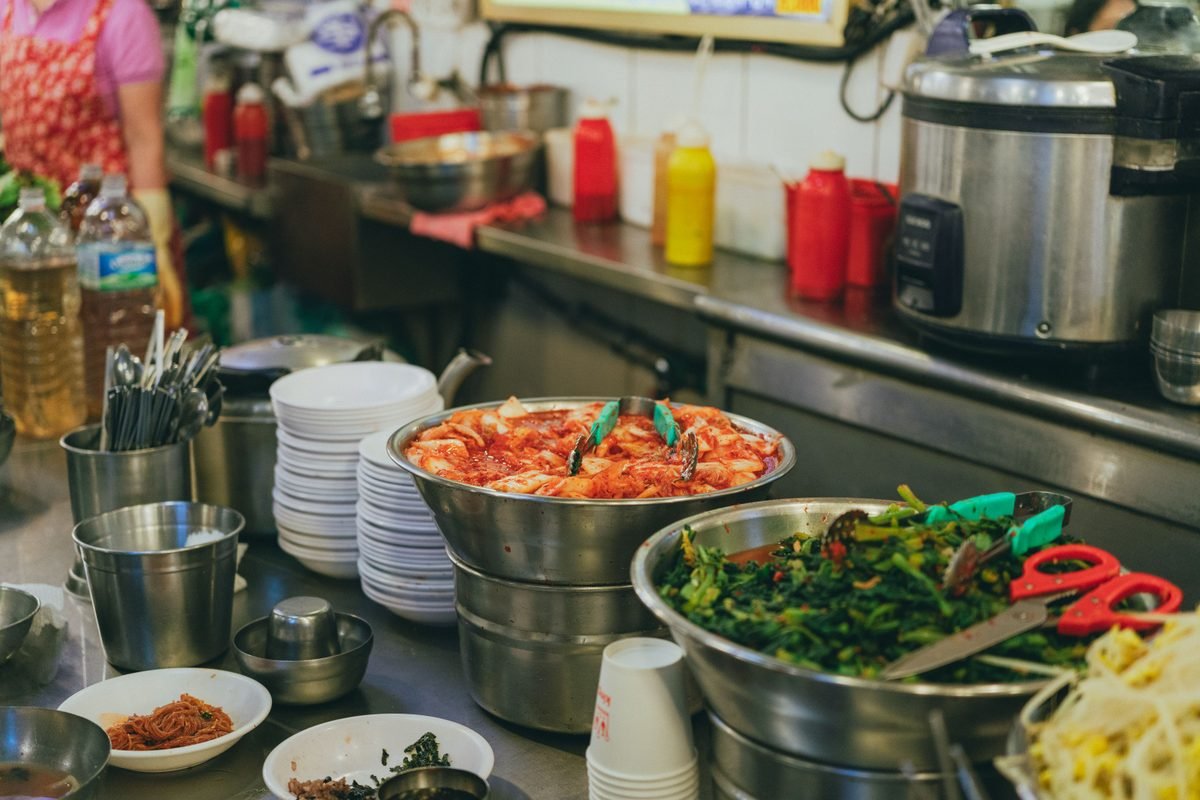
Every order comes served with a personal brass dish containing house-made kkakdugi (cubed radish kimchi) and cabbage kimchi. Hadongkwan kimchi is famous for its crisp texture and slightly sweet, fermented tang. Eat a piece of radish between spoonfuls of soup to clear your palate. Toward the end of your meal, try pouring a spoon of fermented radish kimchi juice directly into your remaining soup broth. This local technique, called kkak-guk, transforms the clear beef soup into a spicy, tangy finishing broth that leaves your bowl completely clean.
Opening hours, sell-out times, and early morning strategy
Hadongkwan operates on a daily schedule that revolves entirely around its fresh soup production. The doors at the Myeongdong flagship open at 7:00 AM every morning except Sundays. The restaurant closes officially at 4:00 PM, but there is an important caveat every diner must know: when the daily batch of beef broth sells out, the kitchen shuts down immediately. On busy weekdays or tourist-heavy Saturdays, the kitchen frequently runs out of soup as early as 1:30 PM or 2:00 PM.
The soup sells out daily. Because of this limited supply, arriving early is essential. Planning your visit between 7:30 AM and 9:30 AM guarantees fresh broth, hot rice, and zero wait time at the cashier counter. Morning dining at Hadongkwan is peaceful and efficient. You will see office workers grabbing breakfast before work alongside long-time neighborhood regulars. By 11:30 AM, lunch crowds begin queuing outside in the alley, and wait times can easily stretch to 30 minutes during peak midday hours.
Keep in mind that Hadongkwan observes regular scheduled rest days. The main Myeongdong branch is closed every Sunday, as well as major national holidays like Chuseok and Lunar New Year. If you arrive past noon and find the door closed, checking nearby local restaurants for a fast alternative might save your morning, but planning an early visit avoids disappointment. Set your alarm early, hop on the subway before 8:30 AM, and enjoy one of Seoul’s most historic breakfast experiences at its absolute freshest state.
Heads up: Early Closure Warning
Hadongkwan closes as soon as their daily beef broth supply finishes, which frequently happens by 2:00 PM on weekends. Aim for breakfast or early lunch.
Payment etiquette and dining tips for foreign visitors
Navigating Hadongkwan as a foreign traveler is smooth and stress-free once you understand the ordering flow. As soon as you enter through the front wooden door, you face a small cashier counter near the entrance. Pay before you sit. State your preferred bowl size, such as botong or teuk, and specify any meat preferences like gogi-man. The cashier accepts local credit cards, international Visa or Mastercard, and South Korean cash in won.
After paying, the cashier hands you a plastic meal coupon token. Take your token and walk into the main dining room. A server will greet you, direct you to an open table, and collect your plastic token. Within two minutes, your steaming bowl of soup, chopsticks, spoon, and personal plate of kimchi will arrive at your table. Service is remarkably fast because the broth and cooked rice are kept ready in big cauldrons behind the counter. Brass bowls hold heat well.
Water is self-serve from metal water dispensers located in the corners of the dining space. Once you finish eating, there is no need to wait for a bill or visit the counter again. Simply leave your utensils on the table and walk out into Myeongdong. Tipping is not practiced anywhere in South Korea, so leaving coins on the table is unnecessary and may confuse the waitstaff. The streamlined process allows you to enjoy a nourishing, traditional meal and return to exploring Seoul in under twenty minutes.
What it costs in Seoul
| Item | Local price | USD |
|---|---|---|
| Standard Gomtang (Botong) | ₩15,000 | about $11.25 |
| Special Gomtang with Tripe (Teuk) | ₩18,000 | about $13.50 |
| Large Gomtang Portion (20,000 Won) | ₩20,000 | about $15.00 |
| Raw Egg Addition (Nal-gyeran) | ₩1,000 | about $0.75 |
| Seoul Subway Single Ride (Card) | ₩1,550 | about $1.15 |
| Typical Breakfast Total per Person | ₩16,550 | about $12.40 |
Prices checked October 2026. Always confirm with the provider before you book.
Where to stay in Seoul
Budget
Myeongdong, for guesthouses within five minutes of Euljiro 1-ga Station
This central area is ideal for budget travelers who want immediate access to Line 2 subways and early morning dining options like Hadongkwan. Expect clean private rooms or dormitory beds ranging from ₩45,000 to ₩80,000 (about $33.75 to $60.00) per night.
Mid-range
Euljiro, for business hotels near Cheonggyecheon Stream
Euljiro offers quieter modern hotels within a seven-minute walk of Myeongdong's soup houses and shopping streets. Nightly rates run roughly ₩110,000 to ₩180,000 (about $82.50 to $135.00) with direct subway connections across central Seoul.
Splurge
Sogong-dong, for luxury high-rise hotels next to City Hall
Base yourself in upper-tier international hotels steps from Deoksugung Palace, Lotte Department Store, and Myeongdong's food alleys. Luxury rooms average ₩320,000 to ₩550,000 (about $240.00 to $412.50) per night with premium amenities and central location.
Mistakes to avoid
- Arriving after 2:00 PM expecting the full menu, only to find the restaurant sold out of broth for the day.
- Searching for Google Maps walking directions in Myeongdong instead of using Naver Map or KakaoMap.
- Waiting at a table to pay after eating, rather than paying at the cashier counter upon arrival.
- Adding salt without tasting the broth first, over-salting the delicate Hanwoo beef flavor.
FAQ
Where is the original Hadongkwan Seoul location?
The flagship branch of Hadongkwan Seoul is located in Myeongdong at 12 Myeongdong 9-gil, Jung-gu. It is easily reached within a five-minute walk from Exit 5 of Euljiro 1-ga Station on Subway Line 2. Additional branches exist in Yeouido and COEX, but the Myeongdong location is the oldest continuous shop.
What is the difference between gomtang and seollongtang in Korea?
Gomtang is made primarily by simmering beef meat, flank, and offal, producing a clear golden broth with a refined flavor. Seollongtang is simmered for long hours with heavy ox leg bones, creating a milky white, opaque soup base. Both are traditional beef soups served hot with rice and kkakdugi kimchi.
Do I need to speak Korean to order at Hadongkwan?
No, ordering is simple even for non-Korean speakers because the menu is short. You can point to the price tier on the counter menu or say basic terms like botong or teuk when paying. Staff at the cashier counter are accustomed to foreign visitors and point clearly to available sizes.