Best Things to do in Daegu: A Local’s Guide

Sitting on a plastic stool in a smoky Daegu alleyway at ten o’clock at night, watching a plate of pork makchang sizzle over red-hot charcoal, you realize why this city is special. Daegu often gets bypassed by travelers rushing between Seoul and Busan on the high-speed train. But this basin city in the south has an energetic, gritty charm that rewards those who stop.
If you are looking for the best things to do in Daegu, this local guide has you covered. While I live up north in Seoul, I travel down to Daegu several times a year to eat, hike, and explore. This guide covers everything from KTX transit logistics and the mountain cable car to night market schedules and the legendary local food alleys.
How to get to Daegu and find the best things to do
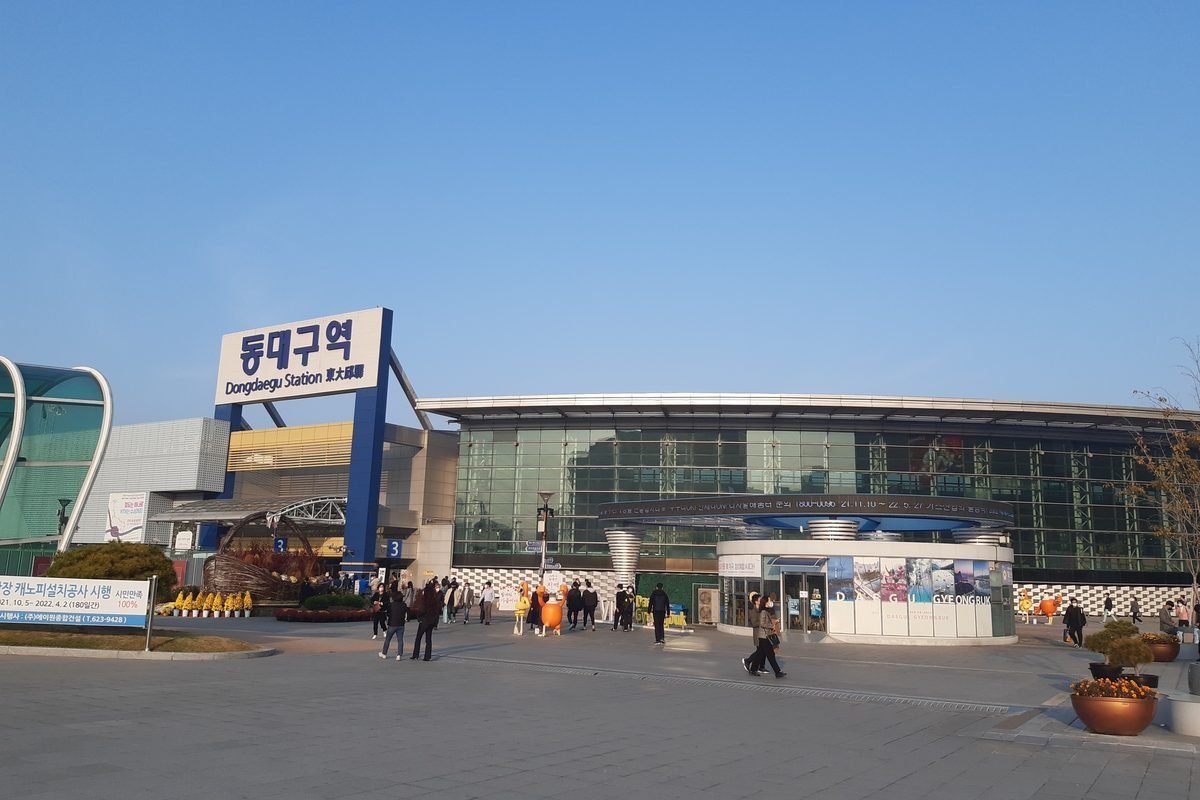
Getting to Daegu from Seoul is incredibly fast. You will board the KTX at Seoul Station and arrive at Dongdaegu Station in just under two hours. A standard one-way ticket costs about ₩43,500 (about $33). Trains run constantly throughout the day, but booking a few days in advance is wise on weekends. If you are planning a longer trip around the country, look into a Korean rail pass guide to save on multiple high-speed train journeys. Once you step off the high-speed train, you are immediately connected to the local transit system.
Dongdaegu is a massive transport hub. It integrates the train station, a huge express bus terminal, and the city subway line. Navigating the city is straightforward if you avoid one common trap. Do not rely on Google Maps here. It does not work for walking or transit directions in Korea. Instead, download Naver Map or KakaoMap before you arrive. You can use your standard T-money card on all Daegu buses and subways. A single subway ride costs ₩1,500 (about $1.15) when using a transit card.
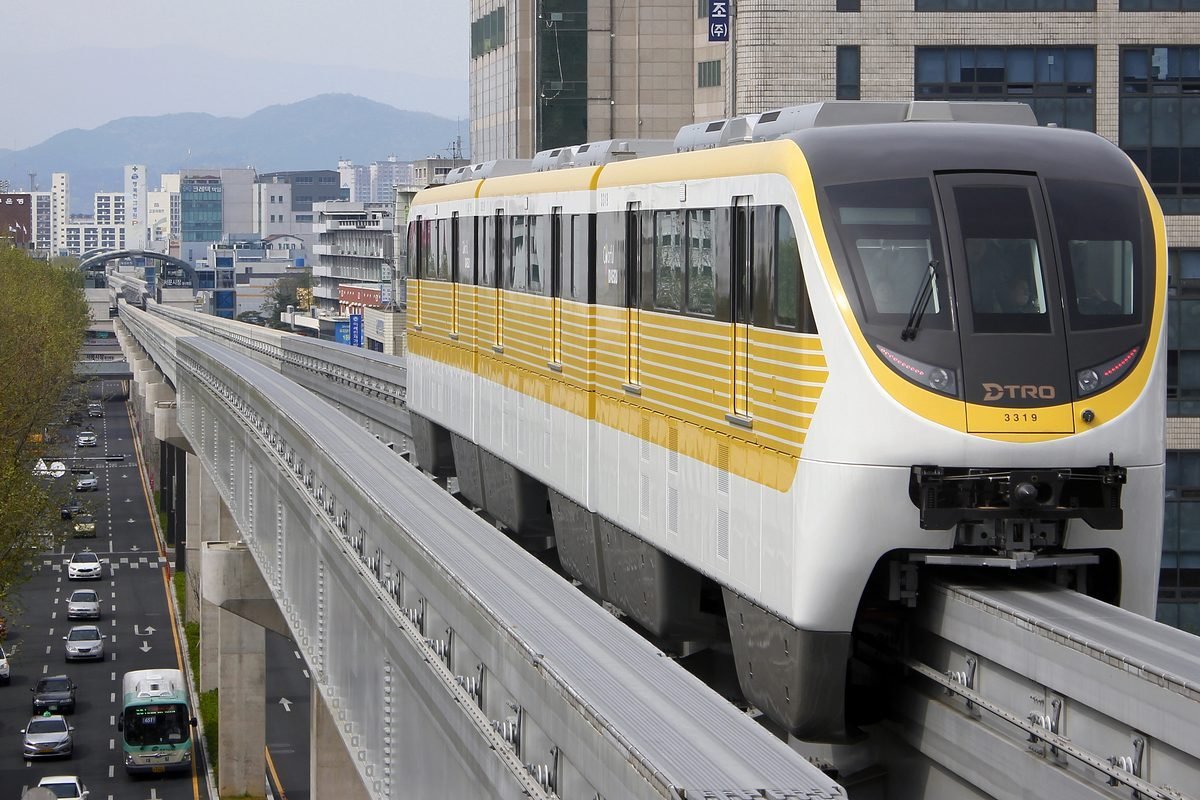
The city has three main subway lines. Line 3 is actually an elevated monorail. It offers a fantastic view of the urban landscape as it cuts across the city. It is clean, fast, and very easy to navigate. If you plan to explore the central shopping districts, Line 1 and Line 2 will be your main transit options. They intersect at Banwoldang Station, which is the busiest spot in town. Taxis are also highly affordable. The base fare starts at ₩4,500 (about $3.40), making them a great option if you are traveling in a small group or carrying heavy bags.
From a local: Watch the exit numbers
Always look for the numbered exits on Naver Map. Daegu’s underground shopping stations are massive, and taking the wrong exit can put you blocks away from your destination.
When to go and climbing Palgongsan by cable car
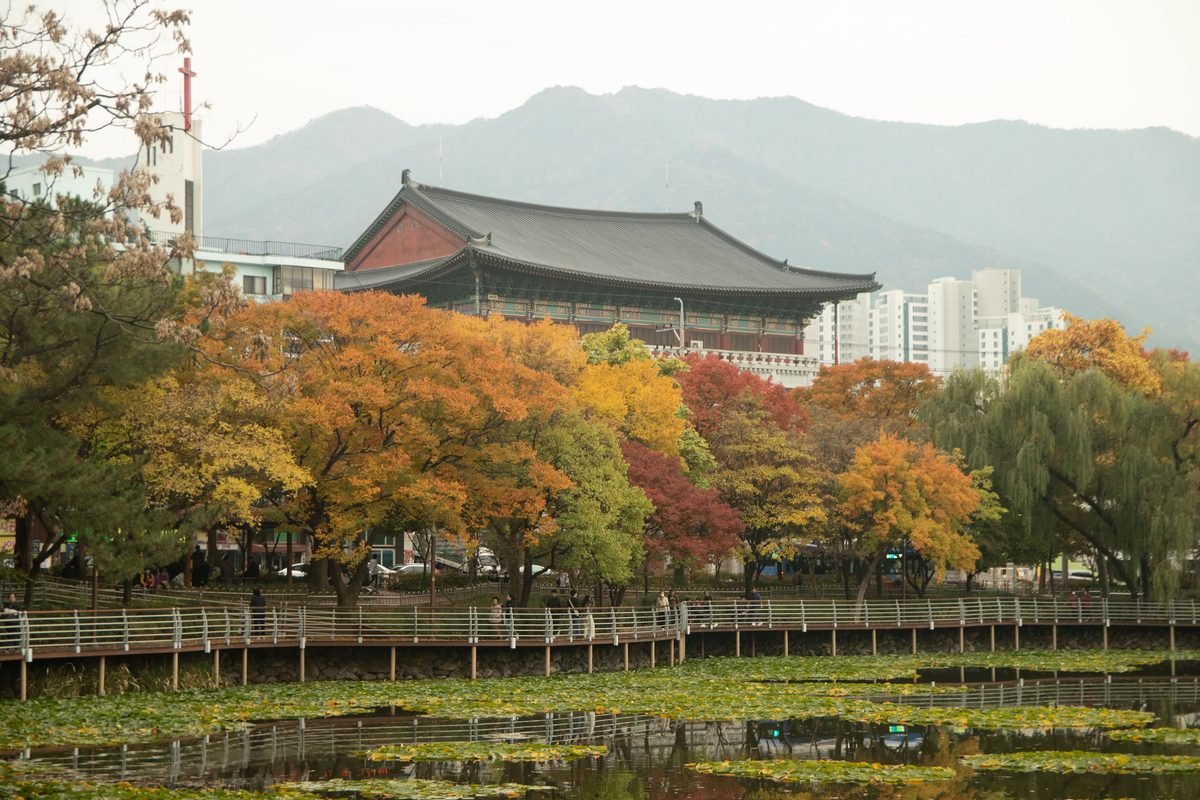
Daegu sits in a flat basin surrounded by low mountains. This geography traps heat. Locals call the city “Daefrica” because summer temperatures regularly soar past 38°C (100°F). July and August can be brutal. Therefore, the absolute best time to visit is during the autumn months. From late September through November, the air cools down, and the surrounding mountains turn brilliant shades of orange and red. If you want to combine this with other historic cities nearby, check out our Gyeongju 2-day itinerary for an easy side trip.
Your first stop should be Palgongsan. This massive mountain guards the northern border of the city. It is a spiritual hub and a favorite weekend escape for locals. To get there, take express bus Express 1 from the city center directly to the mountain park terminal. The ride takes about 45 minutes. From the park entrance, you can walk to the Palgongsan Cable Car.
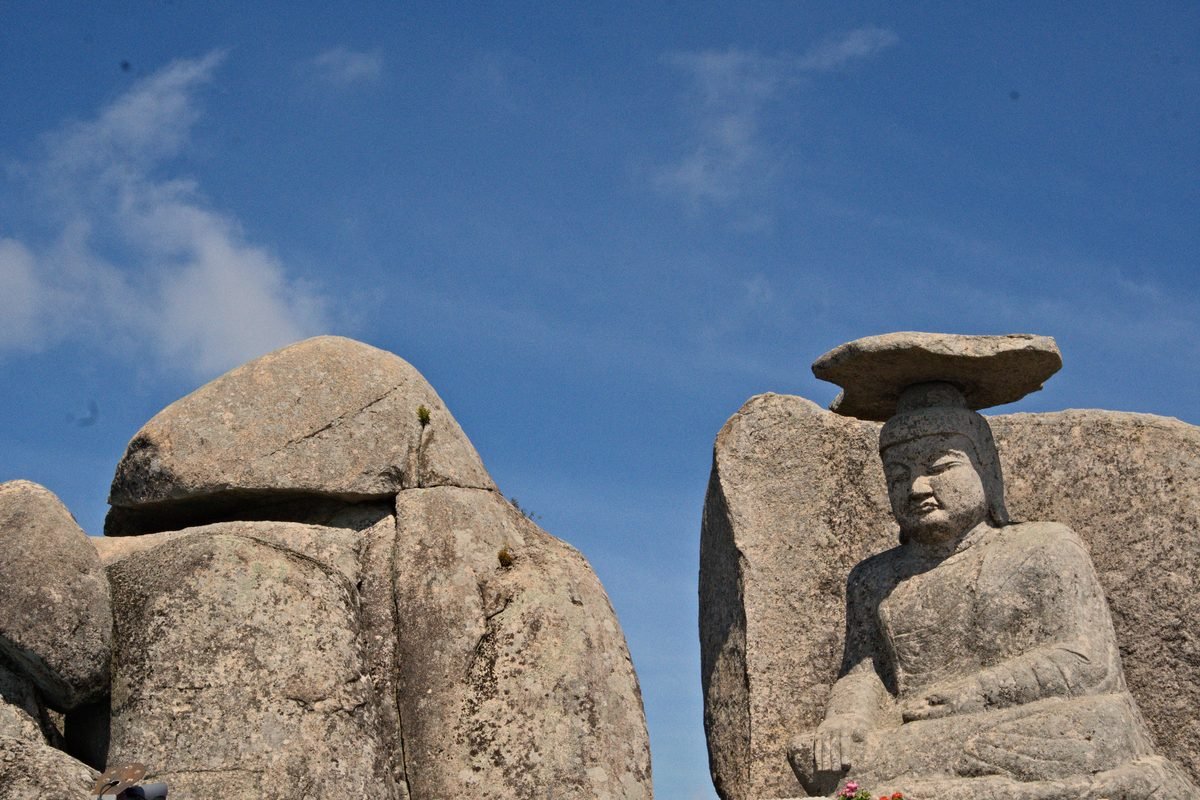
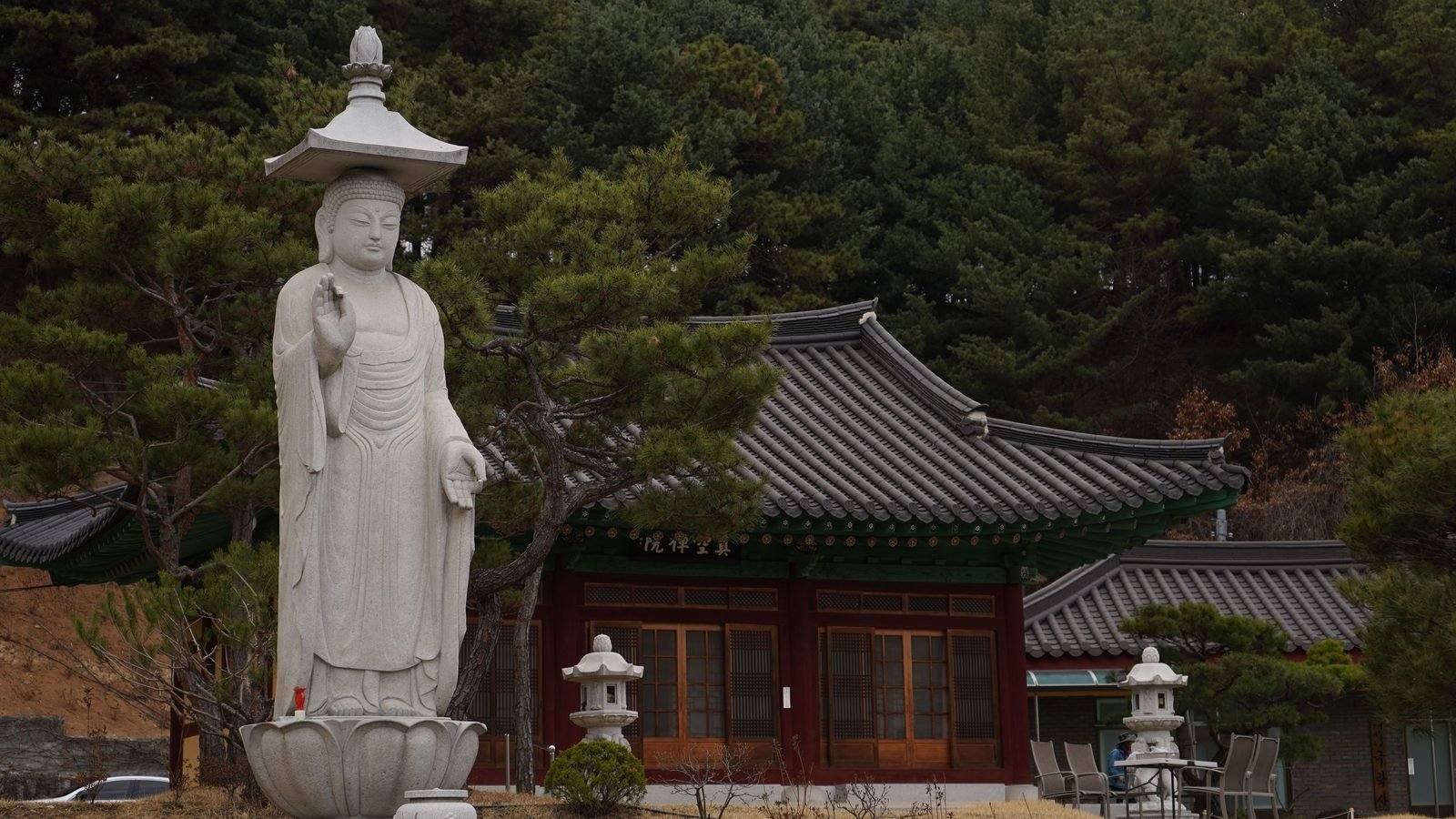
The cable car glides up to a high ridge at 820 meters. A round-trip ticket costs ₩13,000 (about $10). Up top, you will find walking trails, observation decks, and a small mountain restaurant. The air up here is noticeably cooler than in the concrete streets below. You can look down over the entire valley. After riding back down, walk over to Donghwasa Temple. This historic Buddhist temple complex dates back to the eighth century. It features a giant 17-meter-tall stone Buddha statue standing in a wide courtyard. Following the May 2023 policy change, admission to Donghwasa is completely free. It is a peaceful place to wander under the tall pine trees.
Tip: Avoid the weekend crowd
Palgongsan is incredibly popular with local hikers on Saturdays and Sundays. Go on a weekday morning to get the cable car and temple paths mostly to yourself.
Exploring the musical alleys of Kim Kwang-seok Street
One of the most unique cultural spots in the city is Kim Kwang-seok Street. This 350-meter-long alleyway is dedicated to a beloved Korean folk singer-songwriter who grew up nearby. Kim Kwang-seok was a cultural icon in the late 1980s and 1990s. His melancholic voice and poetic lyrics still resonate deeply with Koreans of all generations. He tragically passed away in 1996, but his memory lives on along this colorful canal-side path.
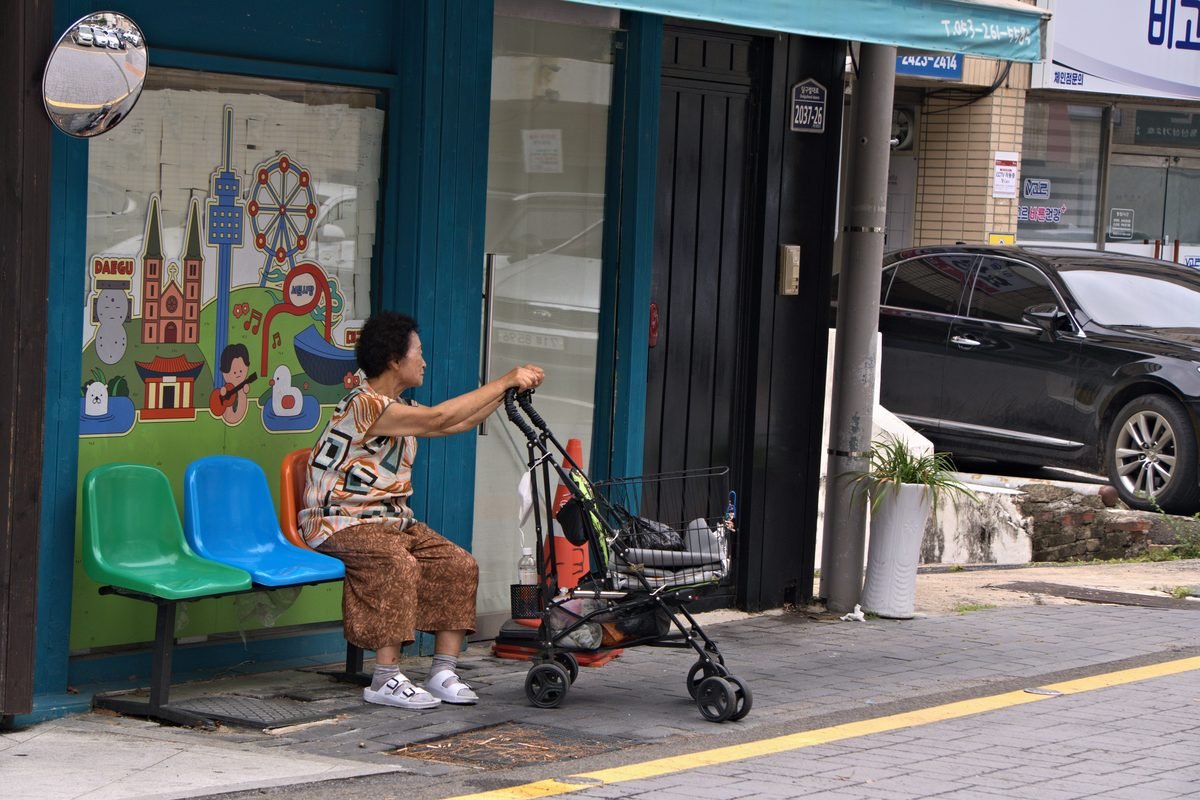
As you walk down the paved lane, his soft acoustic music plays gently from speakers hidden in the trees. The walls are covered in beautiful murals. They depict scenes from his life, portraits of his expressive face, and lines of his most famous songs. Even if you do not know his music, the artistic energy here is infectious. This is a place to slow down.
The street is lined with small independent coffee shops, retro toy stores, and workshops where you can paint your own pottery. Many of these cafes have rooftop seating. You can order a cold matcha latte for about ₩5,500 (about $4) and listen to the music drift up from below. The street sits right next to the Sincheon stream. If you walk behind the mural wall, you will find a wide elevated path that runs along the water. It is a popular spot for locals to jog and ride bikes. I highly recommend visiting in the late afternoon. The warm golden hour light makes the murals glow, and local street musicians often set up busking stages to play acoustic covers of Kim’s classics.
From a local: Find the guitar locks
Look closely at the fences near the middle of the street. Instead of standard love locks, locals hang colorful guitar-shaped wooden plaques with handwritten wishes.
Shopping and history in Dongseongno and Jung-gu
To experience the modern heartbeat of the city, head straight to Dongseongno. This is Daegu’s premier fashion and shopping district. It is a massive network of pedestrian-only streets packed with clothing boutiques, cosmetics stores, and trendy dessert spots. On any given evening, thousands of young locals gather here to shop, eat, and hang out. It feels intensely alive. But Dongseongno is not just about modern retail.
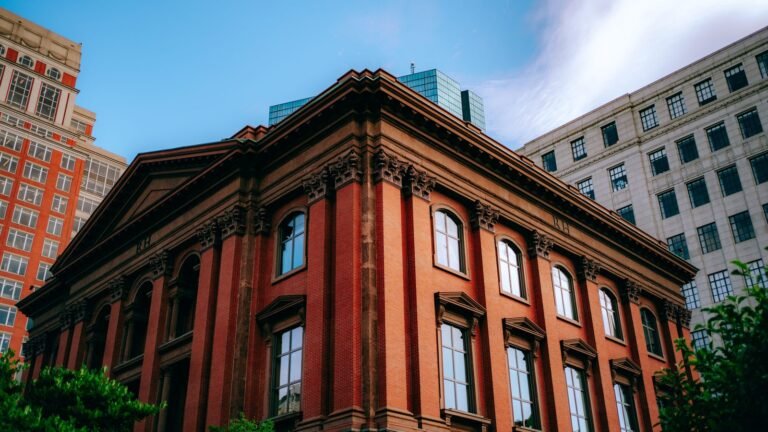
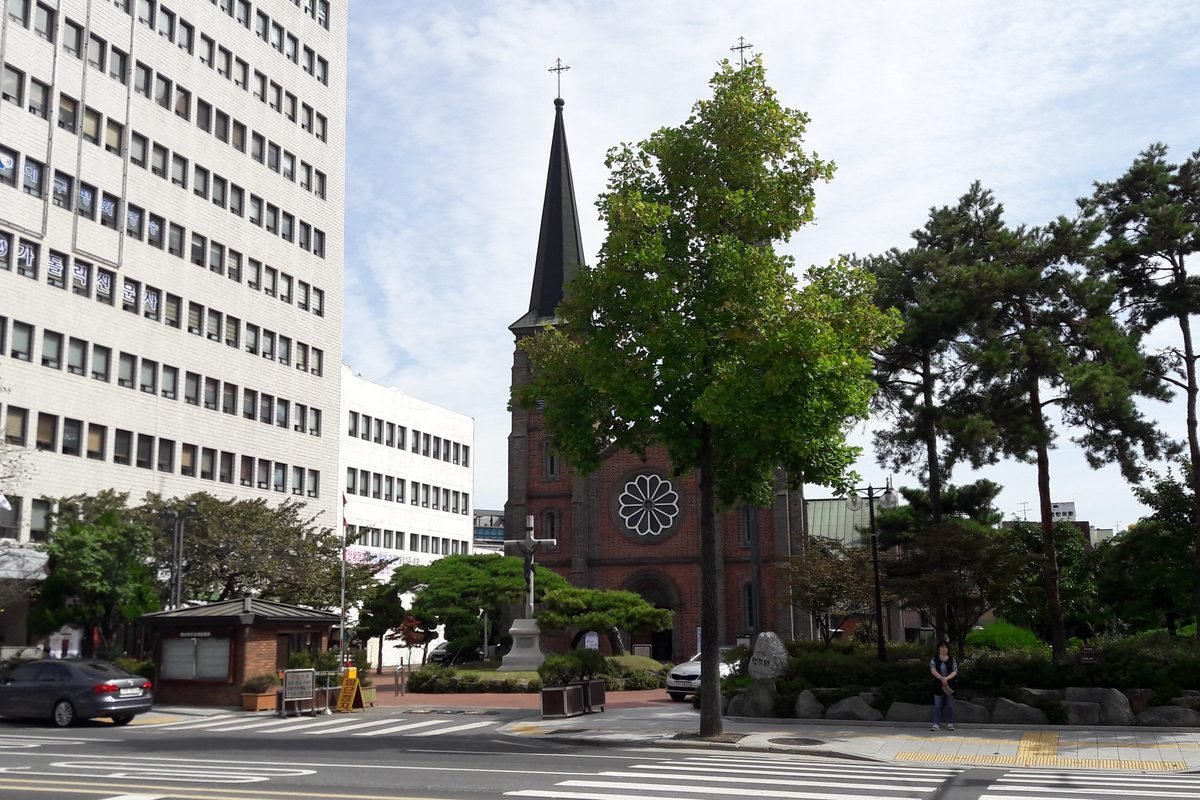
If you step off the main shopping strip, you will enter the historic alleys of Jung-gu. Daegu was one of the few major Korean cities that escaped heavy destruction during the Korean War. Because of this, many historic buildings from the early 20th century still stand. You can follow the signposted Daegu Modern History Streets walking tour. It takes you past red-brick missionary houses from the 1890s, historic school buildings, and Gyesan Cathedral. This gothic cathedral was built in 1902 and features beautiful stained-glass windows. Entry is free, and it offers a striking contrast to the glass skyscrapers nearby.
Another fascinating stop is the Yangnyeongsi Herbal Medicine Market. This market has been operating since 1658. As you walk through the streets, the rich, earthy scent of ginseng, roots, and dried herbs fills the air. You can buy traditional herbal teas or even book a relaxing foot bath at the Daegu Yangnyeongsi Museum of Oriental Medicine for about ₩5,000 (about $3.80). It is a great way to rest your feet after walking the shopping streets.
Where to eat: Seomun Night Market and Makchang Alley
Daegu is a paradise for food lovers, and two culinary experiences stand far above the rest. First, you must visit Seomun Market. By day, this is one of Korea’s oldest and largest traditional markets, famous for textiles and street food like flat dumplings. If you want to compare this with the food scene in the capital, read our Seoul food guide. But the real magic in Daegu happens after dark.
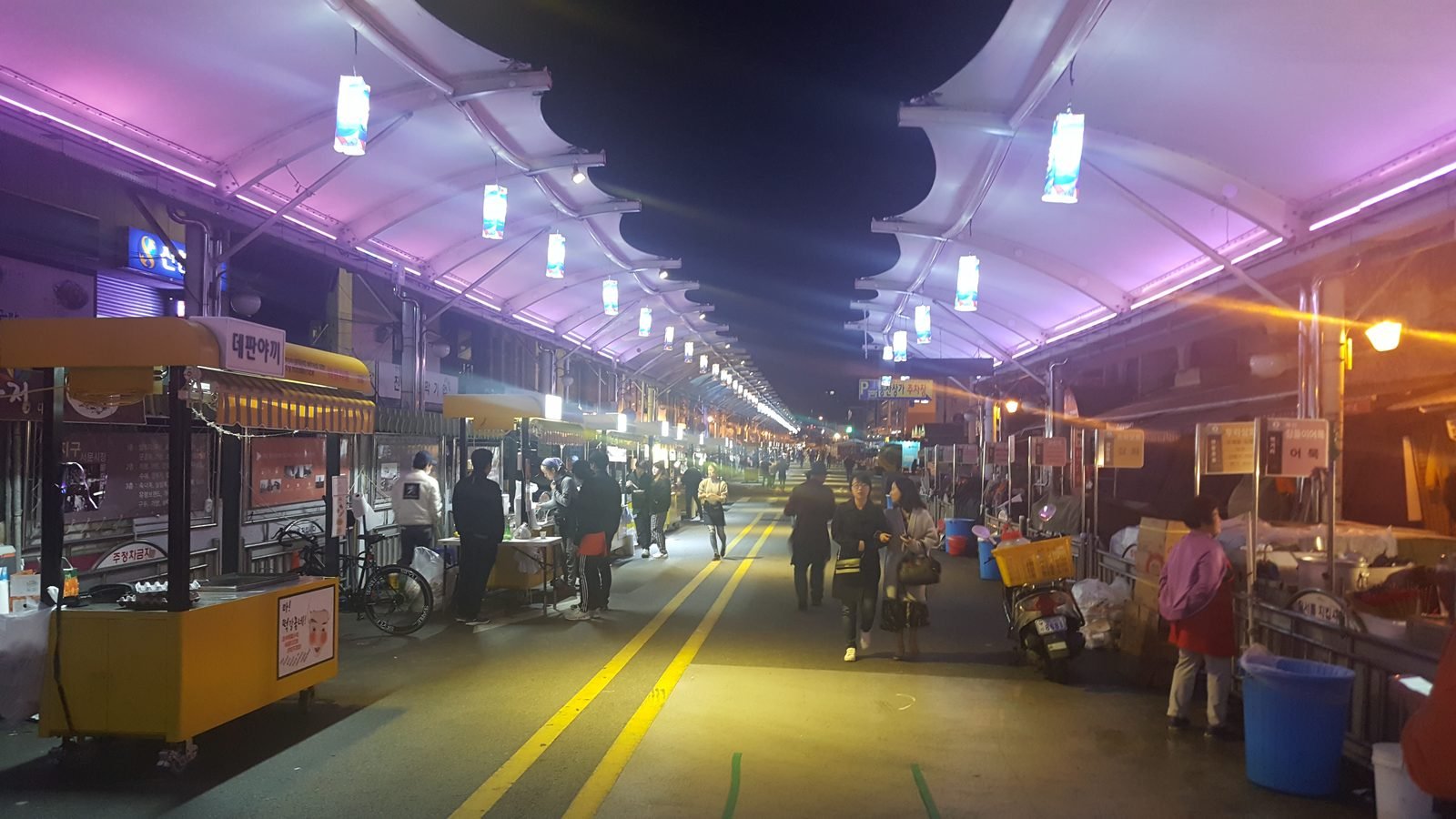
The Seomun Night Market opens daily at 7:00 PM. Dozens of yellow food carts line the central lane, selling everything from traditional Korean street food to global fusion dishes. You can try grilled pork belly cups, cheese-topped lobster tails, and sweet hotteok pancakes. Most dishes cost between ₩4,000 and ₩9,000 (about $3 to $7). The market is incredibly popular, so expect to wait in short lines. Grab a few different dishes and find a spot at the standing tables to eat.
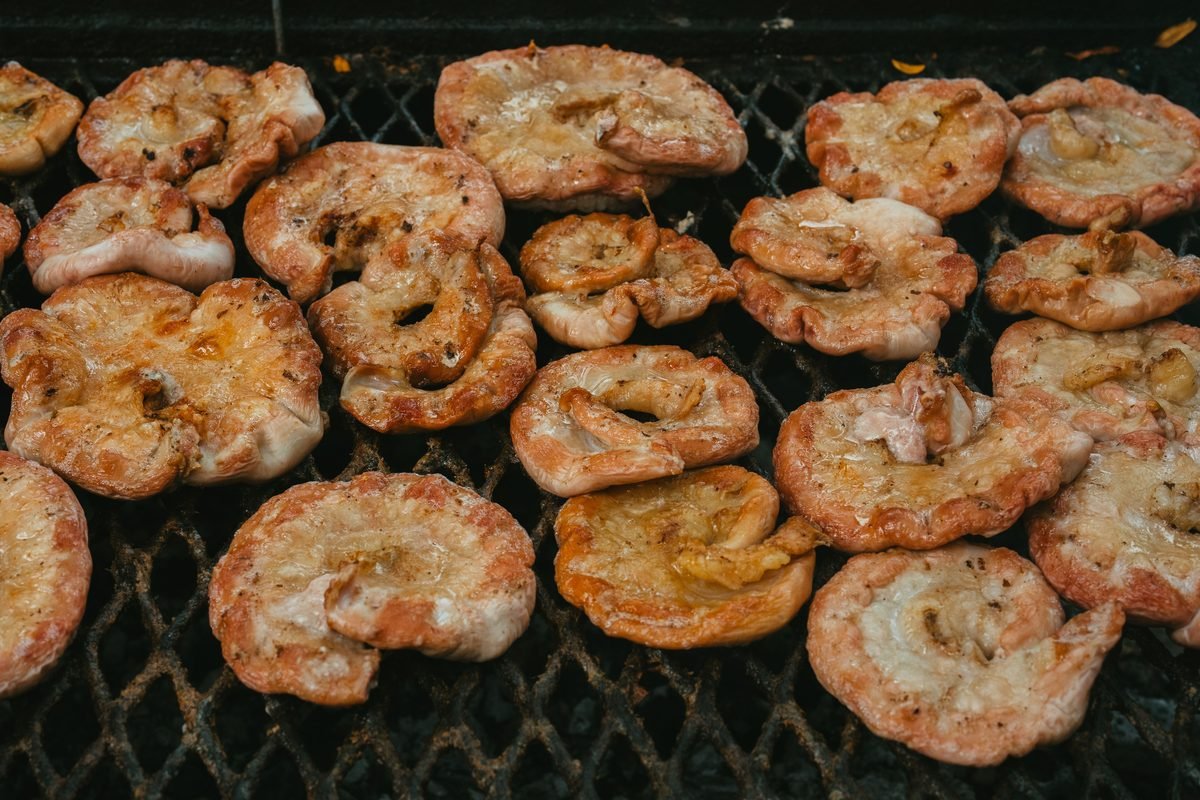
Your second culinary mission is to try makchang. These are grilled pork rectum or beef abomasum. It might sound intimidating, but it is incredibly delicious. The meat is chewy, savory, and grilled over charcoal until crispy on the outside. You dip it in a savory soybean paste sauce mixed with chopped green onions and hot peppers. To experience this, head to Anjirang Gopchang Alley, a street lined with dozens of nearly identical grill houses serving both gopchang (small intestine) and makchang. A standard portion for two people costs about ₩24,000 (about $18). The atmosphere is loud, smoky, and incredibly social. Locals wash the rich meat down with cold beer or local Soju. It is an essential Daegu experience that you cannot miss.
Heads up: Check the night market days
While Seomun Night Market operates daily during peak seasons, the number of active food stalls can drop significantly on cold winter weekdays. Aim for Friday or Saturday night for the full experience.
Practical tips for exploring Daegu
To make your trip to Daegu as smooth as possible, keep a few practical details in mind. First, while credit cards are accepted almost everywhere in Korea, it is always smart to carry some cash. You will need physical Korean Won coins or notes to top up your T-money transit card at subway stations. Cash is also highly preferred at the smaller food stalls inside Seomun Market.
The language barrier in Daegu can be slightly higher than in Seoul. While younger locals in Dongseongno speak some English, many market vendors and taxi drivers do not. Download a translation app like Papago. It is much more accurate for Korean than Google Translate. You can use the photo feature to translate menus that do not have English text.
Daegu is exceptionally safe. You can walk around the city late at night without any worry. Like most of Korea, violent crime is almost non-existent. However, keep an eye out for scooters on the sidewalks, which can zoom past unexpectedly in busy shopping districts.
If you plan to use taxis, download the Kakao T app. This is the local equivalent of Uber. It allows you to hail a licensed taxi and set your destination in English, which completely eliminates the language barrier with the driver. You can link your foreign credit card directly to the app or choose to pay the driver directly with cash or card at the end of the ride.
Book ahead: Book KTX weekend tickets early
High-speed KTX trains between Seoul and Dongdaegu sell out quickly on Friday afternoons and Sunday evenings. Book your seats online up to a month in advance.
What it costs in Daegu
| Item | Local price | USD |
|---|---|---|
| KTX train from Seoul (one-way) | ₩43,500 | about $33.00 |
| Subway / Monorail ride (with transit card) | ₩1,500 | about $1.15 |
| Palgongsan Cable Car (round-trip) | ₩13,000 | about $10.00 |
| Donghwasa Temple entry | Free | $0.00 |
| Dinner at Anjirang Makchang Alley (per person) | ₩12,000 | about $9.00 |
| Street food dish at Seomun Night Market | ₩6,000 | about $4.50 |
| Average mid-range hotel room (per night) | ₩90,000 | about $68.00 |
| Realistic daily budget (excluding lodging) | ₩55,000 | about $42.00 |
Prices checked September 2026. Always confirm with the provider before you book.
Where to stay in Daegu
Budget
A business hotel near Dongdaegu Station
Perfect for solo travelers arriving late by train who want easy transit access. Expect to pay ₩50,000 to ₩75,000 (about $38 to $57) per night.
Mid-range
A modern boutique hotel in Dongseongno
Ideal for those who want to be steps away from the best restaurants, cafes, and central subway lines. Expect to pay ₩80,000 to ₩130,000 (about $61 to $99) per night.
Splurge
A luxury hotel near Suseong Lake
Best for travelers seeking quiet lakeside views, premium spa services, and upscale dining away from the city center. Expect to pay ₩180,000 to ₩300,000 (about $137 to $228) per night.
Mistakes to avoid
- Using Google Maps for walking directions, which often shows broken routes or fails to load entirely.
- Visiting Seomun Market on the first or third Sunday of the month, when many vendors close for their regular rest days.
- Planning a trip in mid-August without realizing that Daegu is the hottest city in South Korea, making daytime walking exhausting.
FAQ
What are the best things to do in Daegu for first-time visitors?
First-time visitors should start by taking the Palgongsan cable car for panoramic mountain views and visiting the historic Donghwasa Temple. In the afternoon, explore the artistic murals of Kim Kwang-seok Street before heading to Dongseongno for shopping. End your night tasting local street food at the Seomun Night Market or grilled pork at Anjirang Makchang Alley.
How do I get to Daegu from Seoul?
The fastest and most convenient way is to take the KTX high-speed train from Seoul Station to Dongdaegu Station. The journey takes roughly 1 hour and 45 minutes and costs about ₩43,500 (about $33) one way. You can also take cheaper but slower express buses from the Seoul Express Bus Terminal.
What time does Seomun Night Market open?
The Seomun Night Market officially opens every night at 7:00 PM. The food stalls usually stay open until 10:30 PM on weekdays and until 11:30 PM on Fridays and Saturdays. It is best to arrive around 7:30 PM when all stalls are fully set up and the atmosphere is lively.
Is Daegu safe for solo female travelers?
Yes, Daegu is extremely safe for solo female travelers, matching the high safety standards found throughout South Korea. Street crime is incredibly rare, and walking alone at night in well-lit areas like Dongseongno or near major transit hubs is perfectly safe. Standard travel precautions are all you need.
Is one day enough to visit Daegu?
While you can see the main city center sights in a single day, spending two days is highly recommended. A two-day itinerary allows you to head out to Palgongsan mountain without rushing, while leaving plenty of time to enjoy the evening food markets and vibrant shopping alleys.