
Can Foreigners Use Kakao Taxi? Yes — Here’s How

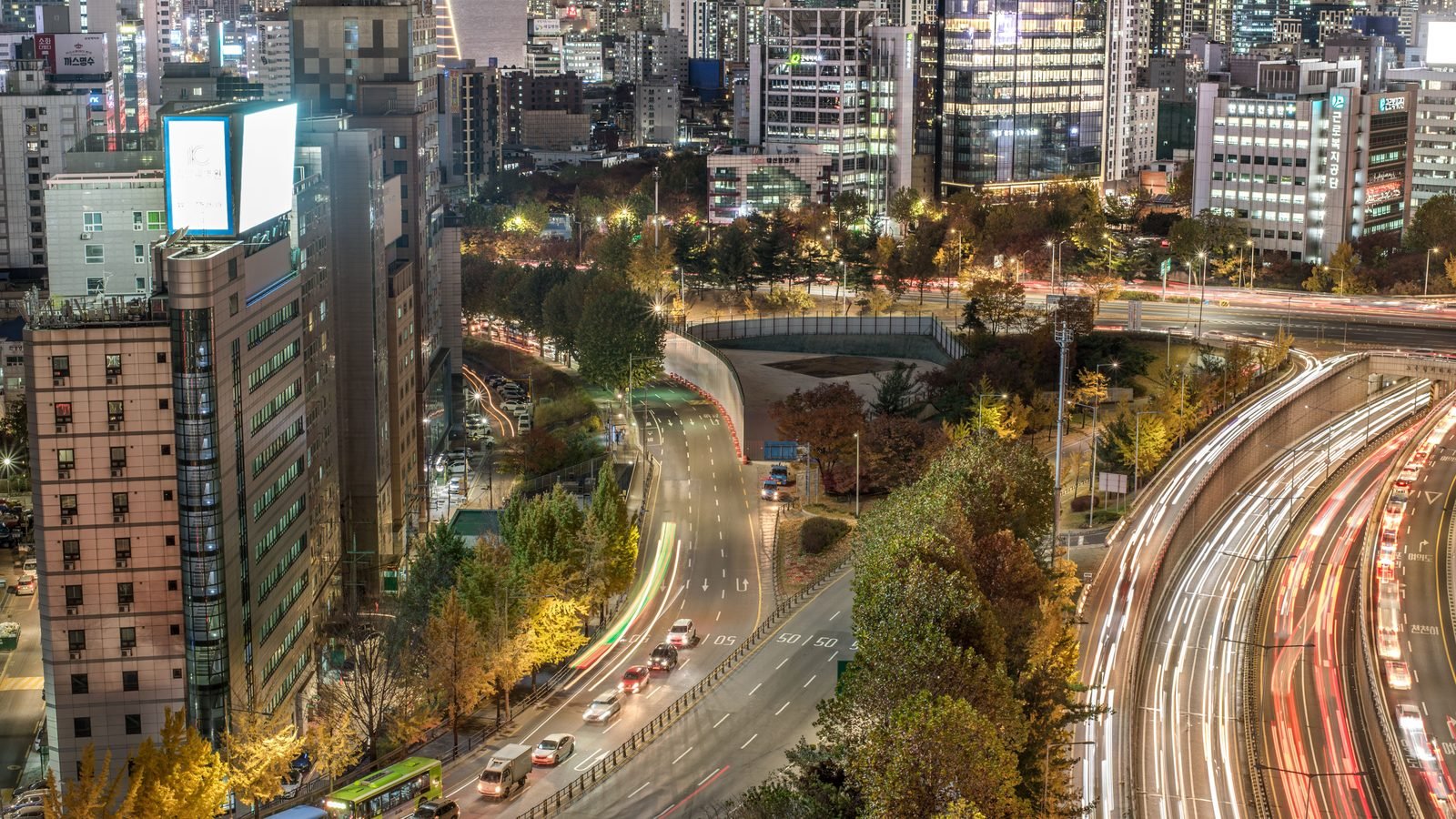
It is 11:45 PM on a Saturday night in the middle of Hongdae, and the last subway train has already pulled out of the station. You are standing on a corner with hundreds of other people, all staring at their phones while bright silver and white cars with yellow roof lights zoom past, ignoring every outstretched hand. In Seoul, the days of whistling for a cab are mostly over. If you want a ride home, you need to be on the app that everyone else is using.
This guide explains exactly how to use Kakao Taxi as a foreigner to navigate South Korea with ease. We will cover the initial setup with a non-Korean phone number, the process of linking your international credit card, and how to avoid the most common mistakes that lead to canceled rides. By the time you finish reading, you will be able to summon a car to any corner of the country without saying a single word to the driver.
Setting up the Kakao T app before you arrive
The first step to mastering transport in Korea is getting the right software on your phone. You should download the Kakao T app from the App Store or Google Play before you even leave the airport. The app is available in English, but there is a catch: it works best when linked to a KakaoTalk account. KakaoTalk is the messaging app that literally everyone in Korea uses, and having a verified account there makes the taxi registration process significantly smoother. I recommend setting up your KakaoTalk account while you are still in your home country to avoid any issues with SMS verification codes.
Once you have the messenger app ready, open Kakao T and log in using your Kakao account. The app will ask for permission to access your location; this is vital, so choose “Allow while using app.” You will also need a working phone number. If you are using a Korea SIM card vs eSIM, make sure you know your local 010 number. While the app has improved its support for international roaming numbers, having a local Korean number is still the gold standard for ensuring drivers can call you if they cannot find your exact pickup spot. I have seen many travelers struggle with international numbers because the driver’s phone system sometimes flags them as spam or simply fails to connect the call.
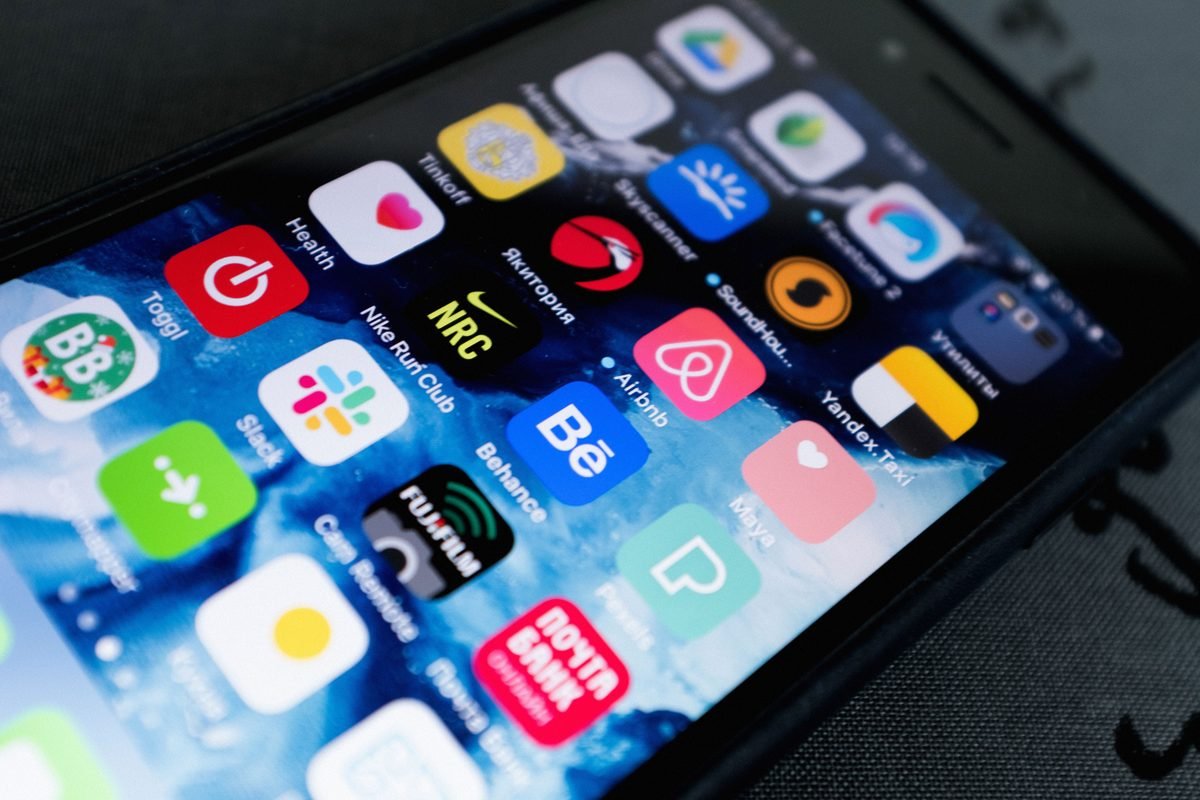
After logging in, you will see a main dashboard with various icons like Taxi, Black, Bike, and Venti. For most of your trips, you will only care about the Taxi icon. Before you try to book anything, go into the “My Page” tab at the bottom right. This is where you will manage your profile and, most importantly, your payment settings. Ensure your name is entered as it appears on your passport, as this helps if you ever need to verify your identity for lost items or payment disputes later on.
From a local: The Messaging Link
Always set up your KakaoTalk messenger account first. The taxi app relies on this backbone for verification and customer support, and it is much harder to fix account issues once you are already on the street.
Linking your international credit card and payments
For a long time, the biggest hurdle for travelers was the inability to link a non-Korean credit card to the app. In 2026, the situation has improved, but it still requires a specific path. When you go to “My Page” and select “Manage Payment Methods,” you will see an option for “Credit/Debit Card.” If you have a standard Visa or Mastercard from the US, UK, or Europe, you can now register it under the “Automatic Payment” section. This allows you to step out of the car at the end of your ride without fumbling for cash or a physical card, as the fare is charged directly through the app.
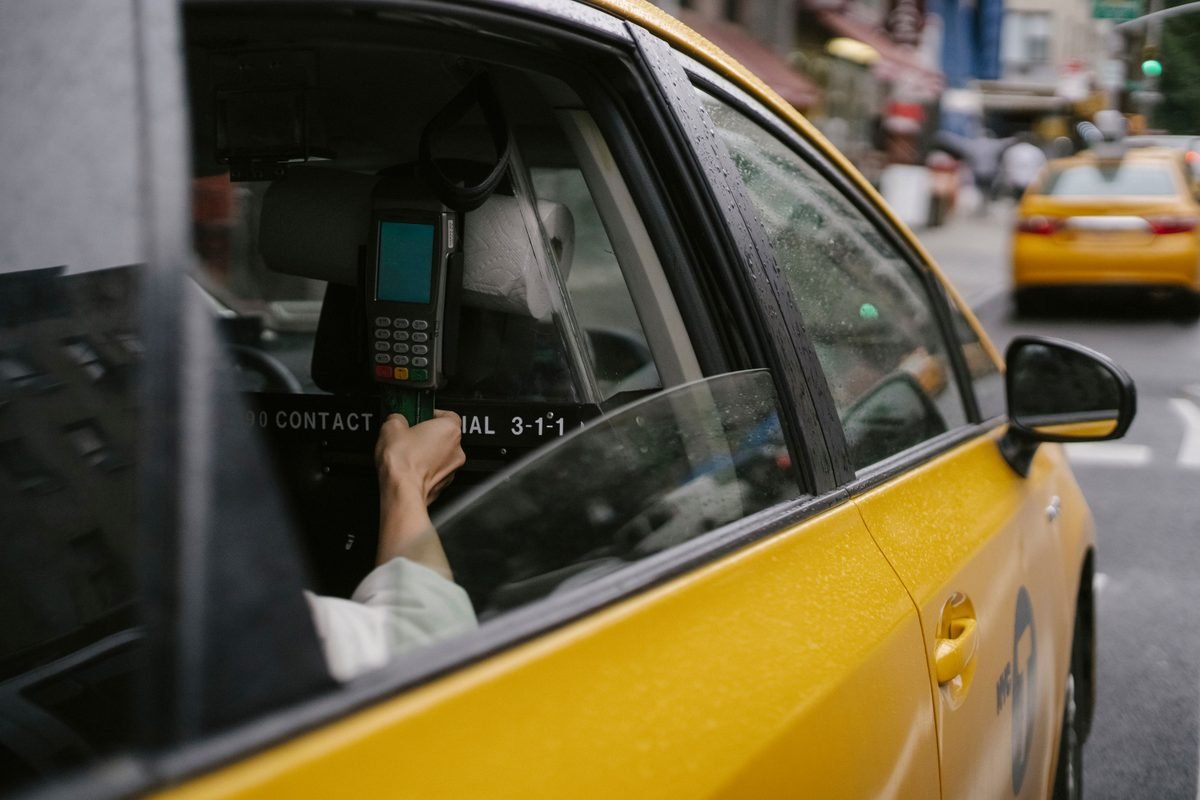
However, if the app rejects your international card during the registration phase—which still happens with certain smaller banks—do not panic. There is a reliable workaround. When you are actually booking a ride, you can choose “Pay to Driver” as your payment method. This bypasses the app’s internal payment system entirely. At the end of the trip, you simply hand the driver your physical credit card or use your T-money card Seoul transit guide to tap the terminal in the car. Most Korean taxis accept international cards via their physical terminals even if the app won’t take them. A standard 15-minute ride might cost around ₩12,000 (about $9), and the terminal handles the conversion automatically.
One thing to watch out for is the “General Pay” vs “Kakao Pay” distinction. Kakao Pay is a separate digital wallet that usually requires a Korean bank account and a resident registration number. As a traveler, you should ignore the Kakao Pay balance and focus on either the registered “Credit/Debit Card” or the “Pay to Driver” option. If you use a card that has no foreign transaction fees, this is often the most cost-effective way to travel, as you get the mid-market exchange rate provided by your bank rather than a marked-up rate from a currency exchange booth.
Tip: The Backup Method
If your card won’t register in the app, always select ‘Pay to Driver’ in the payment options. It is the most reliable way for foreigners to ensure they can actually book a car.
Choosing between General, Blue, and Venti rides
When you input your destination, Kakao T will present you with several vehicle tiers. The most common is “General Taxi.” These are the standard silver, white, or orange cars you see everywhere. They are the cheapest option, but there is a catch: drivers can see your destination before they accept. If you are only going a very short distance or trying to go to an unpopular area late at night, General Taxi drivers might ignore your request. The base fare for these starts at ₩4,800 (about $3.50) in Seoul, with surcharges added for distance and time.
If you are in a hurry or in a crowded area like Myeongdong, I highly recommend selecting “Kakao T Blue.” These are franchise taxis that are automatically assigned to the nearest driver. The driver cannot see your destination until they accept the call, which virtually eliminates the problem of being ignored for short trips. There is a service fee for Blue taxis, usually ranging from ₩1,000 to ₩3,000 (about $0.75 to $2.25), but the reliability is worth the extra couple of dollars. You can easily spot them by the bright blue branding and the yellow “Ryan” character on the side of the car.
For groups of more than three people with luggage, look for “Venti.” These are large black vans, similar to a Toyota Alphard or a large Kia Carnival. They are significantly more expensive than a standard taxi, but they offer a much higher level of comfort and can fit up to five or six passengers. If you are traveling from Incheon Airport to your hotel in central Seoul, a Venti might cost around ₩100,000 (about $75), whereas a standard taxi would be closer to ₩60,000 (about $45). Finally, there is “Black,” which is the luxury limousine service. These cars have no taxi signs on top and offer professional drivers in suits, perfect for a special occasion or a high-end business meeting.

Book ahead: High Demand Times
During Friday nights or heavy rain, ‘General’ taxis will be impossible to catch. Pay the small extra fee for ‘Blue’ or ‘Venti’ to jump the queue.
Navigating the app and destination entry
While the Kakao T interface is in English, the map data and place names can still be a bit tricky. The app’s search engine is decent at recognizing major landmarks in English, such as “Seoul Station” or “Gyeongbokgung Palace.” However, if you are trying to find a specific small cafe or a boutique hotel in a residential area, the English search might fail. The best way to handle this is to use a secondary app. I always recommend travelers keep the best travel apps like Naver Map or KakaoMap open alongside the taxi app.
Find your destination in Naver Map first, as it has the most up-to-date database of local businesses. Copy the address in Korean (Hangeul) or the name of the place, then paste it into the destination search bar in Kakao T. This ensures that the driver’s GPS will take you to the exact doorstep rather than a generic point on the street. Once you select the destination, the app will show you a predicted route and an estimated fare. This estimate is usually very accurate, though it can fluctuate slightly based on real-time traffic conditions or highway tolls.
Before you hit the “Request” button, double-check your pickup location. The app uses your phone’s GPS to set the pickup point, but in areas with tall buildings like Gangnam, the blue dot can bounce around. Look at the map and make sure the “Departure” pin is on the correct side of the street. In Korea, making a U-turn can take ten minutes due to the way city blocks are designed. If you are on the wrong side of a six-lane boulevard, your driver will have to go far out of their way to reach you, which often leads to them canceling the ride out of frustration. Move the pin manually to the exact spot where you are standing.

Taxi etiquette and tipping in South Korea
Once your ride is confirmed, the app will show you the driver’s photo, their license plate number, and the car model. When the car arrives, check the plate to ensure it matches. Unlike in some countries, you should not wait for the driver to open the door for you; just hop in the back seat. If you have luggage, you can gesture to the trunk, and the driver will usually pop it open from the inside. Most drivers will greet you with a simple “Annyeonghaseyo,” and it is polite to say the same back. You do not need to show them your phone or explain the destination, as it is already programmed into their dashboard GPS.
One of the most important things for travelers to understand is that there is absolutely no tipping culture in South Korean taxis. If your fare is ₩8,700 and you are paying by card, that is exactly what you will be charged. If you are paying in cash and tell the driver to “keep the change” for a small amount, they will likely appreciate it, but it is never expected. In fact, some drivers might even try to chase you down to give you back a ₩100 coin. It is much more important to be a polite passenger. Avoid eating smelly food in the car and keep your voice at a moderate level if you are on a phone call.
Safety is generally very high in Korean taxis. All licensed cabs have cameras facing both inside and outside for the protection of both the driver and the passenger. If you ever feel uncomfortable or if the driver is taking a route that looks wildly different from the app’s suggestion, you can use the “Share Trip Details” feature within Kakao T. This sends a link to a friend or family member via KakaoTalk that allows them to track your vehicle’s location in real-time. It is a great peace of mind feature, especially when traveling alone late at night in an unfamiliar neighborhood.
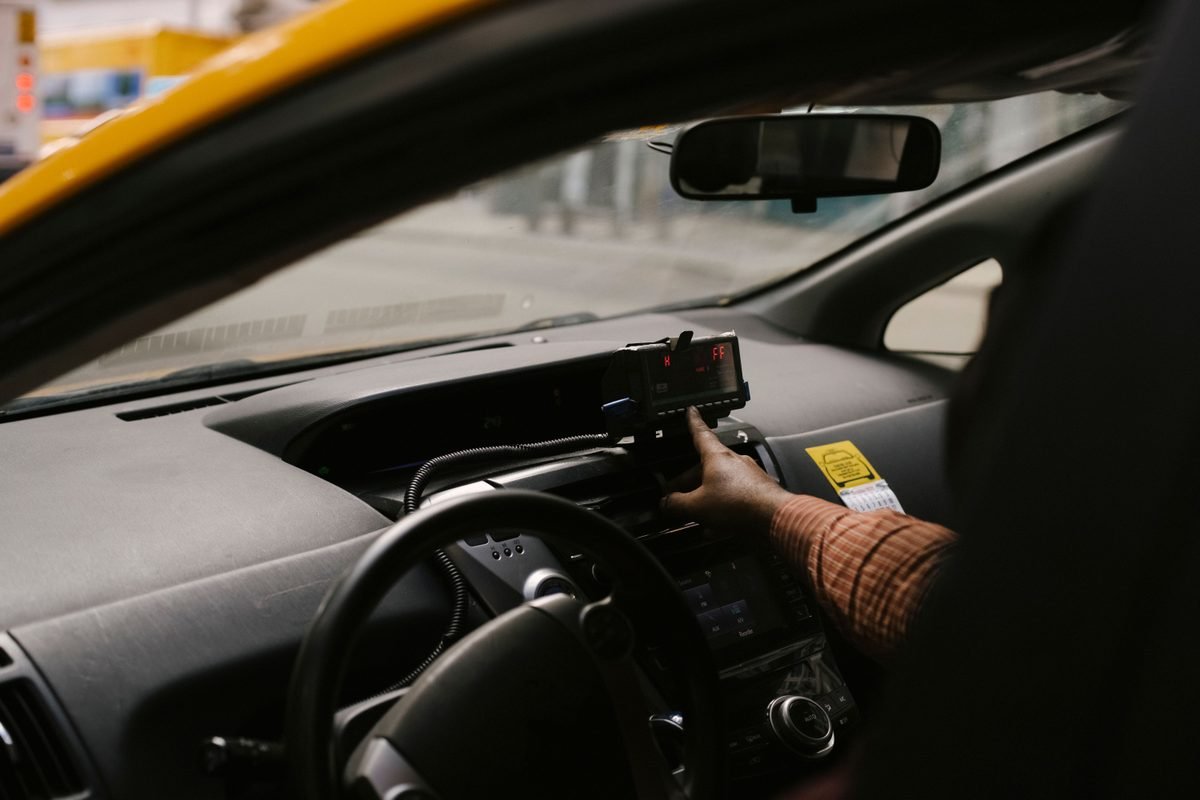
Heads up: No Automatic Doors
Unlike taxis in Japan, doors in Korea are not automatic. You must open and close them yourself, but be careful not to slam them, as it is considered quite rude.
Common reasons for cancellations and how to fix them
It can be incredibly frustrating when a driver accepts your request and then cancels it thirty seconds later. The most common reason for this is a mismatch between your location and the direction the taxi is already heading. If a driver is in the middle of a busy lane and sees that your pickup point requires three difficult lane changes or a massive detour, they might cancel to find a more convenient fare. To minimize this, try to walk to a major intersection or a clearly marked “Taxi Stand” before you call for a ride. This makes you much easier to spot and reach.
Another reason for cancellations is the “short distance” problem. While it is technically illegal for drivers to refuse a fare based on distance, they can easily do so by simply not accepting the request or canceling it before they arrive. If you are trying to go somewhere that is less than a 10-minute walk away, many drivers won’t find it worth their time. In these cases, your best bet is to select the “Blue” taxi option mentioned earlier, as those drivers are penalized for canceling. Also, be aware of Korea public holidays travel patterns; during Chuseok or Seollal, or even just during a heavy Friday evening rush hour, demand is so high that the system can become overwhelmed.
Finally, make sure you are actually standing where you said you would be. If a driver arrives and cannot see you within a minute or two, they will often cancel and move on. They are working on tight margins and cannot afford to block traffic while waiting. If you are at a massive complex like a department store or a major subway station with multiple exits, specify the exit number in the “Notes to Driver” section (though this requires some basic Korean). If you cannot speak Korean, just make sure you are standing exactly on the blue dot on the map and waving your phone when you see the car with the matching license plate approaching.
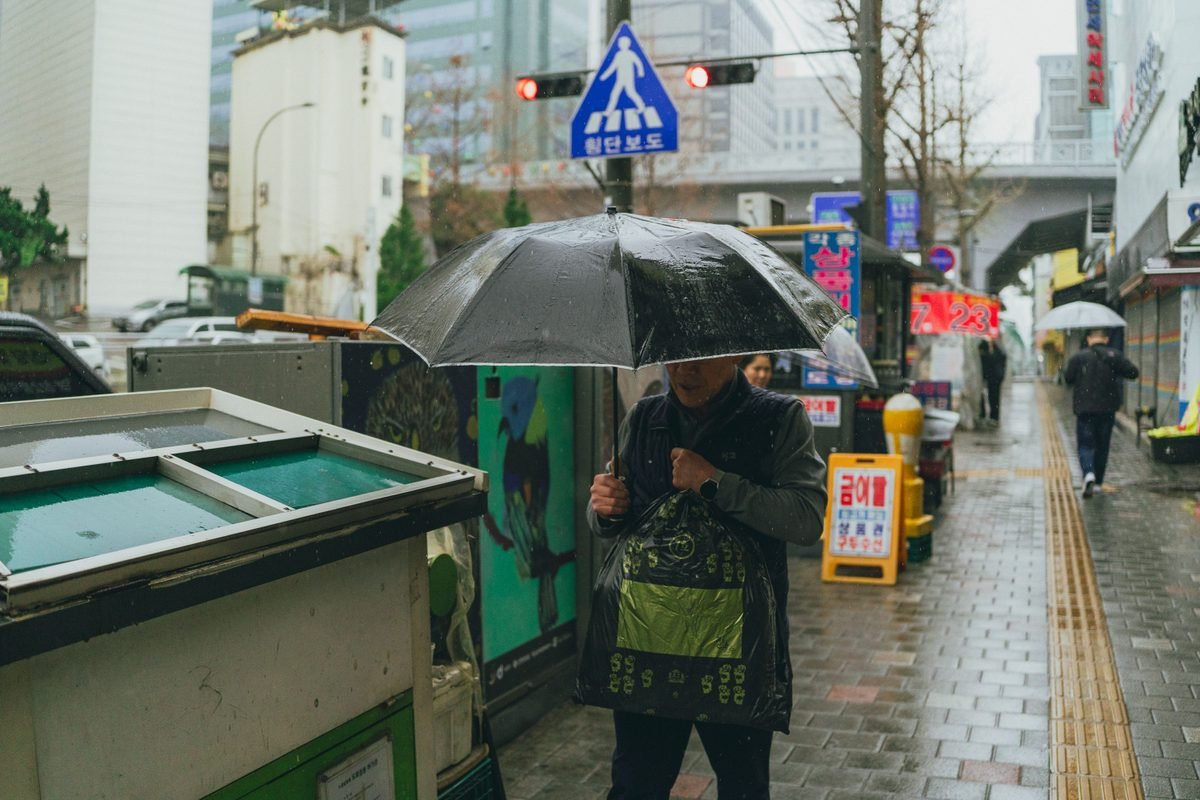
From a local: The Late Night Rush
Between 11:00 PM and 1:00 AM, taxis are in extremely high demand. If you can’t get a car, wait until 1:30 AM when the rush dies down, or head to a nearby 24-hour cafe.
What it costs in Seoul
| Item | Local price | USD |
|---|---|---|
| Standard Base Fare (2km) | ₩4,800 | about $3.50 |
| Kakao T Blue Service Fee | ₩2,000 | about $1.50 |
| Venti Base Fare | ₩8,000 | about $6.00 |
| 10km Ride (Mid-day) | ₩15,000 | about $11.00 |
| Incheon Airport to Myeongdong (Standard) | ₩60,000 | about $45.00 |
| Late Night Surcharge (20-40%) | Variable | Variable |
| Estimated Daily Taxi Budget | ₩30,000 | about $22.00 |
Prices checked October 2026. Always confirm with the provider before you book.
Mistakes to avoid
- Trying to flag down a taxi with a ‘Reserved’ (yeyak) sign on the roof; these are already booked via the app.
- Standing on the wrong side of a major road, forcing the driver into a 10-minute U-turn.
- Assuming all taxis take international cards via the app without checking the payment method first.
- Not having a backup map app like Naver to verify the exact address in Korean.
- Expecting the driver to speak fluent English; most only know basic phrases related to the destination.
FAQ
Can I use Kakao Taxi without a Korean phone number?
Yes, you can register with an international number, but it is less reliable. Drivers may have trouble calling you, and some international numbers fail the initial SMS verification. A local eSIM is highly recommended.
How do I know if a taxi is available when flagging one on the street?
Look for the LED sign in the front windshield. A red sign means ‘Empty’ (bin-cha), while a green or blue sign usually means ‘Reserved’ (yeyak) or that the driver is currently on a call.
How to use Kakao Taxi as a foreigner if I don't speak any Korean?
The app interface is in English, and the destination is sent directly to the driver’s GPS. You don’t need to speak; just confirm the license plate, get in, and the app handles the rest.