Seoul Makgeolli Brewery Tasting Room Guide: Craft Rice Wine


The condensation on the ceramic bowl feels cold against my palm as the rain starts to drum against the window in Mapo-gu. Inside this minimalist tasting room, the air smells faintly of sweet, fermenting grain and steamed rice. This isn’t the fizzy, headache-inducing stuff sold in green plastic bottles at the convenience store. This is artisanal makgeolli, a thick, unpasteurized rice wine that carries the complex flavors of the specific brewery where it was born.
I live in Seoul and have watched the craft fermentation scene explode over the last few years. This Seoul makgeolli brewery tasting room guide is for independent travelers who want to move beyond the basics of Korean nightlife. We will cover how to find these small-batch producers in neighborhoods like Yeonnam-dong and Gongdeok, what to look for in a tasting flight, and how to navigate the etiquette of a modern Korean drinking house.
The Rise of Artisanal Makgeolli in Seoul
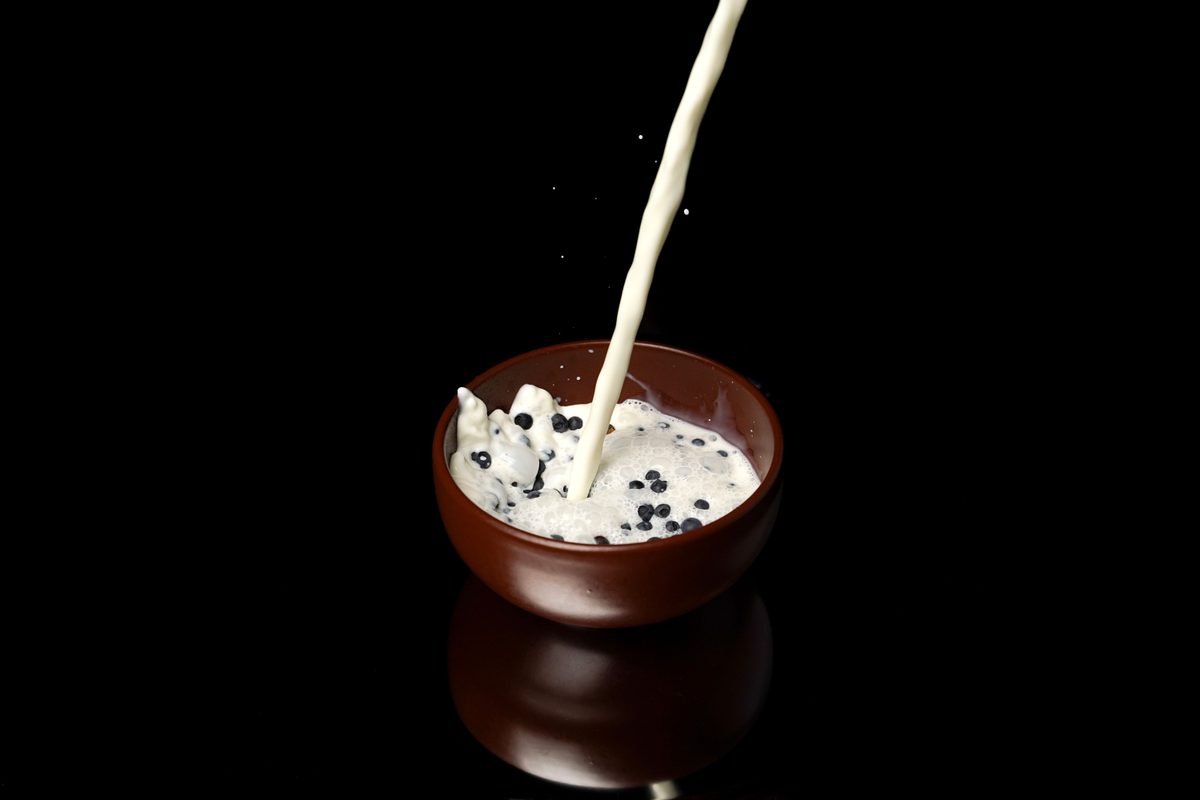
For decades, makgeolli was seen as a cheap drink for farmers or older men at mountain trailheads. It was mass-produced, heavily carbonated, and often sweetened with aspartame. However, a new generation of brewers in Seoul has reclaimed the traditional methods. They focus on three core ingredients: rice, water, and nuruk, which is the traditional fermentation starter. These craft versions are often unpasteurized, meaning the yeast is still alive and the flavor continues to evolve in the bottle. It is thick. The rice settles at the bottom. You will notice the difference immediately.
The current movement is centered on transparency and premium ingredients. Instead of using imported rice flour, these brewers use high-quality local grains, sometimes even specialty varieties like black rice or sticky rice. This results in a drink that is creamy, naturally sweet, and slightly tart, reminiscent of a sophisticated sparkling cider or a dry yogurt. When you visit a tasting room, you are often sitting just a few feet away from the stainless steel tanks where the current batch is bubbling. The atmosphere in these spaces has shifted from the loud, chaotic halls of the past to refined, quiet lounges that feel more like a wine bar in Europe.
Understanding this shift is key to enjoying the experience. You are not just there to get a drink; you are there to taste the terroir of the city. Many of these brewers are happy to explain their specific fermentation timelines, which can range from a few weeks to several months. Because these wines are alive, the flavor you taste today might be slightly different from the flavor next week. This unpredictability is part of the charm. If you want to dive deeper into the social rules of these spaces, check out our Korean Drinking Culture Guide before you head out for the night.
Finding the Best Seoul Makgeolli Brewery Tasting Room
Mapo-gu is the undisputed heart of the craft rice wine scene. This district, which encompasses Hongdae, Yeonnam-dong, and Gongdeok, is home to several micro-breweries that operate their own tasting rooms. I recommend starting your journey in Yeonnam-dong. This neighborhood has transitioned from a quiet residential area into a hub for independent makers. You can find tasting rooms tucked into the ground floors of converted villas, often marked only by a small wooden sign or a stack of empty glass bottles. These spaces usually offer a curated selection of their own brews alongside guest bottles from other small producers across the country.
Another essential stop is the area near Gongdeok Station. While Gongdeok is famous for its traditional market and “pancake alley,” the backstreets now house sleek, modern breweries that contrast sharply with the old-school stalls. These venues often feature industrial-chic interiors with glass walls that allow you to see the brewing equipment. It is a fascinating juxtaposition of old and new Seoul. To navigate these narrow alleys effectively, I suggest using a local mapping tool, as discussed in our Naver Map vs Kakao Map for Tourists guide. Most of these tasting rooms open in the late afternoon, around 16:00 or 17:00, and stay open until midnight.
When searching for a spot, look for the words yangjo-jang (brewery) or tab-reum (taproom) on the sign. Some of the best experiences are found in places that limit their seating to just ten or twelve people. This allows the staff to give you personal attention and explain the nuances of each bottle. Many of these small-batch breweries do not distribute to supermarkets, so the tasting room is the only place you can sample their work. Ask for the sampler. It is the best way to compare different styles in one sitting. Prices for a flight typically range from ₩15,000 to ₩25,000 (about $11 to $18.75).


From a local: The Rain Connection
Locals believe makgeolli tastes best on rainy days because the sound of rain mimics the sizzling of frying pancakes. Expect tasting rooms to be much busier if there is a drizzle in the forecast.
Understanding the Ingredients: Rice, Water, and Nuruk
The soul of any makgeolli lies in the nuruk. This is a dry cake of wheat, rice, or barley that has been inoculated with wild yeasts and molds. Unlike commercial yeast used in beer, nuruk is a complex ecosystem of microorganisms. Every brewery has its own source or recipe for nuruk, which dictates the funkiness, acidity, and sweetness of the final product. In a tasting room, you might see a display of these rugged, earthy cakes. They are the reason craft makgeolli has such a deep, multi-layered profile compared to the one-dimensional sweetness of mass-market brands.
Water quality is the second pillar. Many artisanal brewers in Seoul source water from specific mountain springs or use advanced filtration systems to ensure a clean slate for the fermentation. The rice itself provides the body. Most brewers use chapssal (sticky rice) for a creamier, sweeter finish or mepssal (non-sticky rice) for a drier, lighter drink. Some even experiment with roasting the rice first to add nutty, toasted notes. You might find a brew that tastes like chestnuts or one that has a floral aroma despite no flowers being added. This is the magic of fermentation. It is truly a living product.
When you look at a bottle in a tasting room, check the ingredients list. You should only see rice, water, and nuruk. If you see aspartame or other artificial sweeteners, it is likely not a true craft product. The natural sugars from the rice should provide all the sweetness necessary. Some brewers also add seasonal ingredients like pumpkin, citrus peel, or lotus leaves. These are usually listed clearly and added during the secondary fermentation stage. To see where some of these medicinal and herbal additives come from, you might enjoy a visit to the Seoul Traditional Korean Medicine Market during your trip.


Booking a Tasting Flight and What to Expect
Most modern tasting rooms in Seoul are small and popular. While some accept walk-ins, I highly recommend booking a table if you are visiting on a Friday or Saturday night. Many breweries use Instagram for bookings, or you can use a local app if you have a Korean phone number. If you are just exploring, aim for a weekday visit around 17:30 to beat the office crowds. When you arrive, you will usually be presented with a menu that lists the alcohol by volume (ABV), which typically ranges from 6% to 12% for makgeolli, though some undiluted versions called wonju can reach 15% or higher.
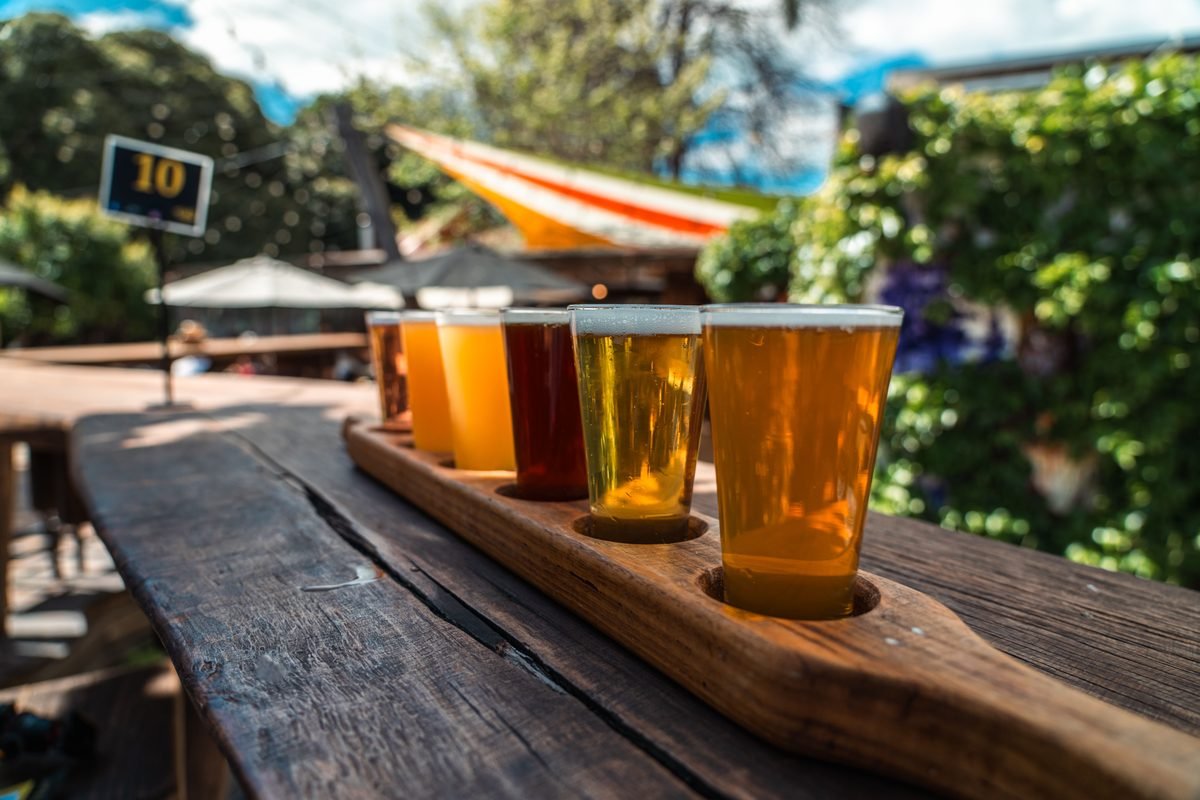
The best way to start is with a tasting flight. This usually consists of three to five small glasses arranged from lightest to heaviest. The staff will often provide a tasting note card in English or explain the flavors verbally. Start with the lightest, most carbonated brew and move toward the thick, sediment-heavy ones. Do not shake it yet. Often, the wine is served with the sediment settled at the bottom so you can taste the clear liquid at the top first. This clear layer, called yakcheong, is incredibly refined and elegant. Then, you can stir the rest to experience the full, creamy body of the drink.
Expect to pay about ₩8,000 to ₩12,000 (about $6 to $9) for a single glass, or ₩18,000 to ₩35,000 (about $13.50 to $26) for a full bottle. In Korea, it is standard practice to order a bottle for the table to share. The glassware is also part of the experience. While traditional places use brass or ceramic bowls, modern tasting rooms often use stemmed wine glasses to help concentrate the aromas. The lighting is usually dim, the music is curated, and the focus is entirely on the liquid in your glass. It is a peaceful way to spend an evening.

Book ahead: Weekend Reservations
For popular spots in Yeonnam-dong, book at least 3 to 4 days in advance via Instagram DM. Most places will respond in English if you keep your request simple.
The Art of Pairing: Makgeolli and Anju
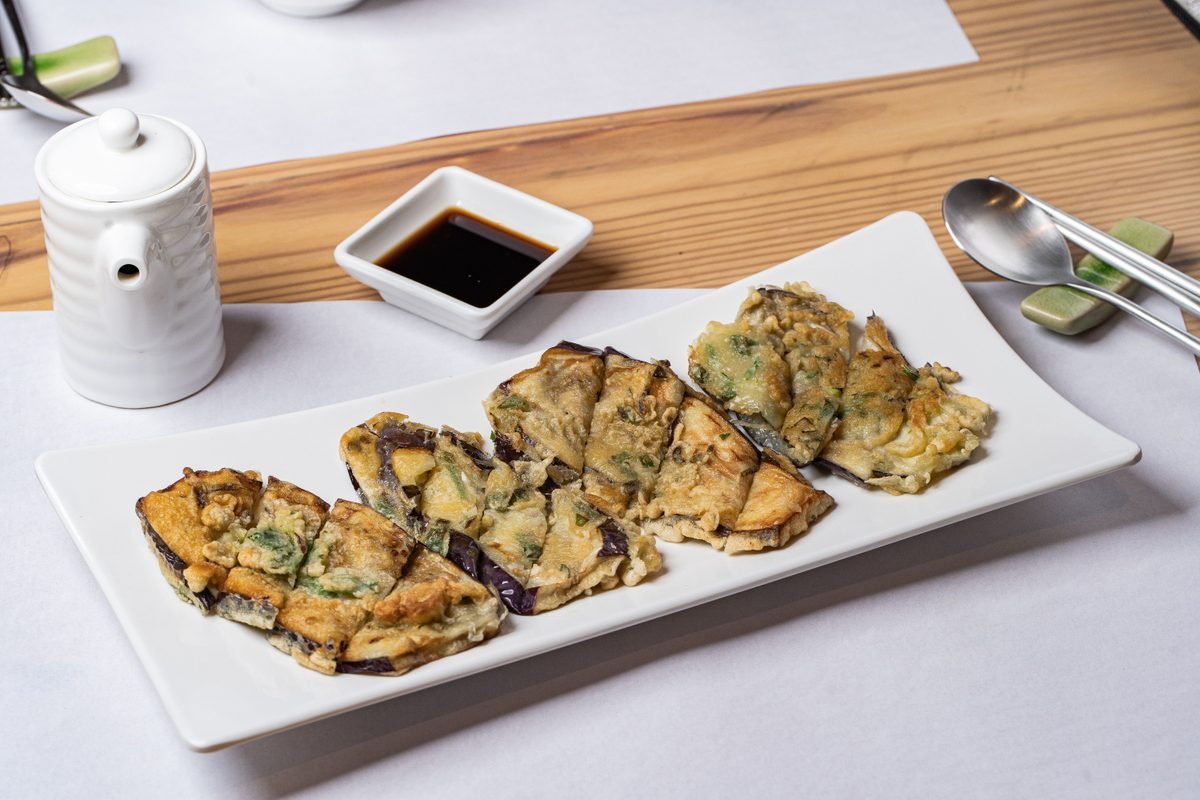
In Korea, you rarely drink without eating. The food served with alcohol is called anju. The classic pairing for makgeolli is jeon, which are savory Korean pancakes. The grease and crunch of a fried pancake provide the perfect counterpoint to the cool, acidic, and creamy rice wine. In Mapo-gu, you will find a wide variety of these, from pajeon (green onion pancake) to bindaetteok (mung bean pancake). Eat the pancake hot. The steam rising from the plate and the cold bowl of wine is a sensory highlight of any Seoul trip.
Beyond pancakes, many tasting rooms offer modern twists on traditional snacks. You might find spicy pork stir-fry, acorn jelly salad (dotori-muk), or even platters of aged cheese and nuts that pair surprisingly well with the more acidic craft brews. The acidity in the wine cuts through the richness of fried or fatty foods, acting much like a dry white wine or a sparkling cider. If you are in a more traditional mood, look for dubu-kimchi, which is warm tofu served with stir-fried aged kimchi and pork. The sourness of the kimchi mirrors the fermentation notes in the makgeolli.
Most tasting rooms have a mandatory food order policy. This means you must order at least one dish for the table. Prices for anju usually range from ₩18,000 to ₩30,000 (about $13.50 to $22.50) depending on the complexity of the dish. Portions are generally designed for sharing between two to four people. If you find yourself in the Hongdae area, you can use our Local Hongdae and Yeonnam-dong Guide to find specific restaurants that specialize in these pairings. Do not be afraid to ask the server for a recommendation; they often have a specific dish that they feel best complements their house brew.

Heads up: Mandatory Food Orders
Almost all Seoul tasting rooms require you to order one food dish per table. Do not expect to only order drinks, even if you have already eaten dinner.
Practical Tips for a Makgeolli Night
Getting around Seoul for your brewery tour is straightforward. The subway is your best friend. A single ride starts at ₩1,550 (about $1.15) with a transit card. Most of the Mapo-gu spots are within walking distance of Hongik University Station (Line 2, AREX) or Gongdeok Station (Lines 5, 6, AREX, and Gyeongui-Jungang). If you are coming from further away, a taxi is affordable; the base fare is ₩4,800 (about $3.60) for the first 1.6 km. Just remember that traffic in Mapo-gu can be heavy on weekend evenings, so the subway is often faster.
When you are at the brewery, remember that craft makgeolli is alive. If you buy a bottle to take back to your accommodation, keep it upright and refrigerated. Because it is unpasteurized, the cap is often designed to let gas escape, so laying it sideways will result in a messy leak in your bag. Most unpasteurized bottles have a shelf life of only 10 to 30 days. Check the date on the bottle; it usually shows the brewing date rather than an expiration date. The flavor will be sweeter and fruitier in the first few days and become drier and more carbonated as it ages in the fridge.
Finally, pace yourself. Makgeolli goes down easy because of its milky texture and low ABV, but the sediment can lead to a heavy feeling the next morning if you overindulge. Drink plenty of water between bowls. Most tasting rooms provide filtered water for free. If you want to see how this drinking culture differs in other parts of the country, you might want to compare your experience with the Jeonju Makgeolli Alley Drinking Guide, where the service style is entirely different. In Seoul, it is about the craft; in Jeonju, it is about the abundance of side dishes. Both are worth experiencing.

What it costs in Seoul
| Item | Local price | USD |
|---|---|---|
| Subway fare (one way) | ₩1,550 | $1.15 |
| Makgeolli tasting flight (3-5 types) | ₩20,000 | $15.00 |
| Premium bottle of house makgeolli | ₩22,000 | $16.50 |
| Savory pancake (Pajeon/Bindaetteok) | ₩19,000 | $14.25 |
| Spicy pork or Tofu dish (Anju) | ₩24,000 | $18.00 |
| Taxi base fare | ₩4,800 | $3.60 |
| Total for two people (approximate) | ₩90,000 | $67.50 |
Prices checked October 2026. Always confirm with the provider before you book.
Where to stay in Seoul
Budget
Gongdeok, for guesthouses near the market
This area is perfect for food lovers who want to be steps away from the famous pancake alley and several micro-breweries. You can find clean, simple guesthouses for about ₩65,000 to ₩90,000 per night.
Mid-range
Yeonnam-dong, for boutique studios and villas
This is the heart of the craft scene with the highest density of tasting rooms and independent cafes. Expect to pay ₩120,000 to ₩180,000 for a stylish apartment or a small hotel room.
Splurge
Mapo-dong, for riverside hotels with skyline views
Located south of Gongdeok, this area offers high-end hotels overlooking the Han River. It is a quiet, professional neighborhood with rooms ranging from ₩250,000 to ₩450,000 per night.
Mistakes to avoid
- Shaking the bottle vigorously before opening; unpasteurized makgeolli can explode like champagne if the gas isn’t released slowly.
- Forgetting that most tasting rooms have a mandatory food order policy even if you aren’t hungry.
- Laying unpasteurized bottles flat in a bag; the vented caps will leak liquid everywhere.
- Assuming all makgeolli is gluten-free; many traditional ‘nuruk’ starters are made with wheat.
- Arriving at a small brewery on a Saturday night without a reservation and expecting a table.
FAQ
How solo travelers can enjoy Seoul makgeolli tasting rooms
Yes, many modern tasting rooms have bar seating that is perfect for solo visitors. However, keep in mind that the mandatory food portions are often large, so you may want to ask for a half-portion or be prepared to take leftovers with you.
Can I take unpasteurized makgeolli home on a flight?
It is very risky. Because unpasteurized wine is alive and constantly producing gas, the pressure change in an airplane cargo hold can cause the bottles to leak or burst. It is better to buy pasteurized versions at the airport if you want to take some home.
What is the difference between makgeolli and dongdongju?
They are very similar, but dongdongju is typically pulled from the tank earlier and often has grains of cooked rice floating on top. Makgeolli is usually strained more thoroughly and has a more uniform, milky consistency.