
How to Pack Light for Winter Travel: Carry-On Only


A 28-inch checked suitcase stuffed with three bulky down jackets and five heavy acrylic sweaters is the fastest way to ruin a cold-weather trip. Maneuvering a 20-kilogram rolling bag across icy sidewalks, up train station staircases with frozen handrails, and through narrow metro turnstiles will exhaust you before lunchtime. Many travelers assume sub-zero temperatures demand massive luggage, but moving through freezing climates with a single 35-liter carry-on backpack is entirely feasible when you stop packing bulk and start packing fabric density.
This detailed guide explains exactly how to pack light for winter travel without spending your holiday shivering. Whether you are heading to snowy mountain towns, exploring northern cities, or planning a multi-week transit across frosty regions, here is how to assemble a warm, odor-resistant capsule wardrobe, layer with technical precision, wear your heaviest gear onto the plane, and manage laundry on the go.
How to Pack Light for Winter Travel with the Three-Layer System
The core secret of cold-weather travel is understanding that thick garments do not keep you warm on their own. Trapped dead air does. A single puffy jacket over a cotton T-shirt creates cold bridges, traps sweat against your ribs, and leaves you chilled the moment you step into a heated subway carriage. Instead of packing heavyweight outerwear, build your clothing around a disciplined three-layer system consisting of a next-to-skin base layer, an insulating mid-layer, and a protective shell.
Your base layer must manage moisture and retain body heat. It sits flush against your skin, pulling sweat away so moisture does not cool and freeze. Your mid-layer provides the thermal loft, trapping the warm air your body naturally generates. This can be a high-pile fleece, a grid fleece, or an ultralight compressible down jacket. The outer shell blocks wind and precipitation. Wind is what strips away heat. A lightweight, uninsulated windproof shell often makes you feel warmer than an enormous wool overcoat because it seals your insulating layer from biting gusts.
This modular setup adapts instantly to wildly fluctuating temperatures throughout the day. When you hike up a snow-dusted hill or navigate crowded platforms, you can peel off the shell and mid-layer to prevent sweating. When you step out into sub-zero winds at night, all three pieces combine to deliver serious warmth. More importantly, this entire trio compresses down to the size of a two-liter water bottle inside your carry-on, leaving ample space for everything else. For broader carry-on strategies, read our carry-on only packing list 2 weeks system.
Tip: Skip the Built-In Heavy Parka
Avoid heavy insulated winter coats with non-removable linings. A packable down sweater paired with an unlined technical rain shell gives identical warmth with five times more packing flexibility.
Why Merino Wool Base Layers Are Worth Every Dollar
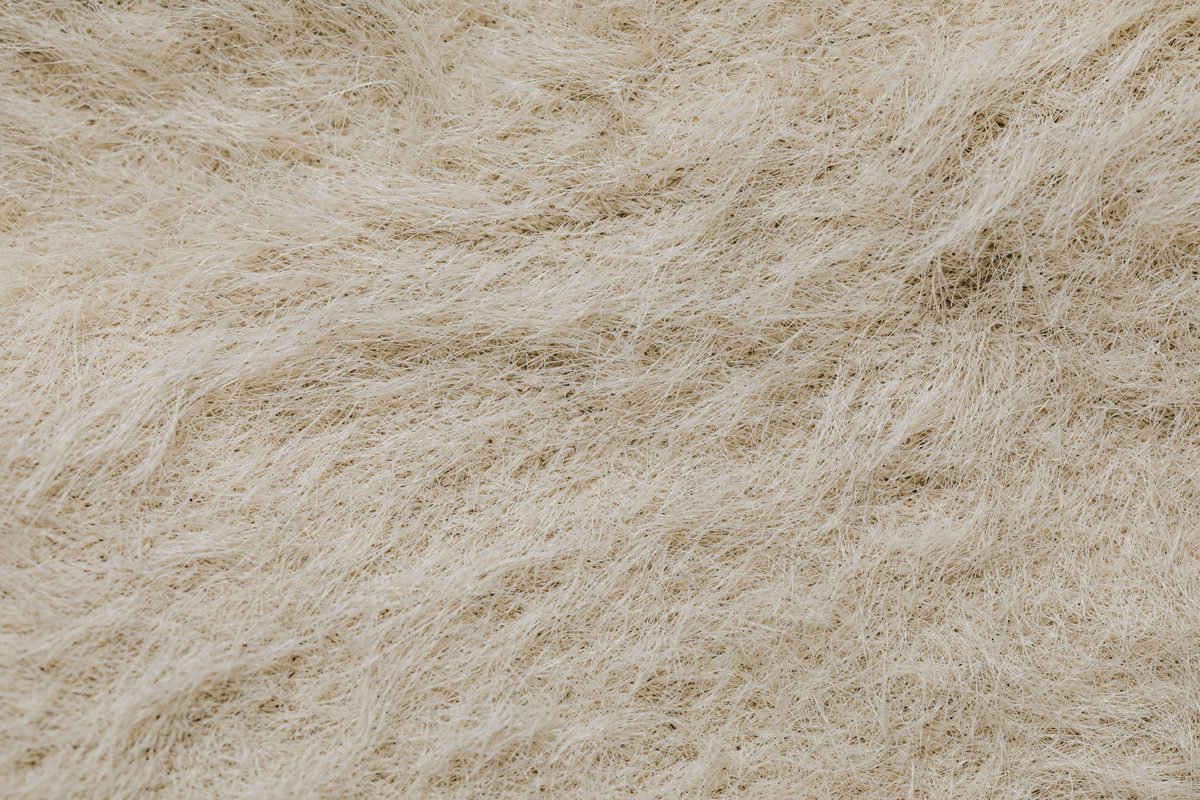
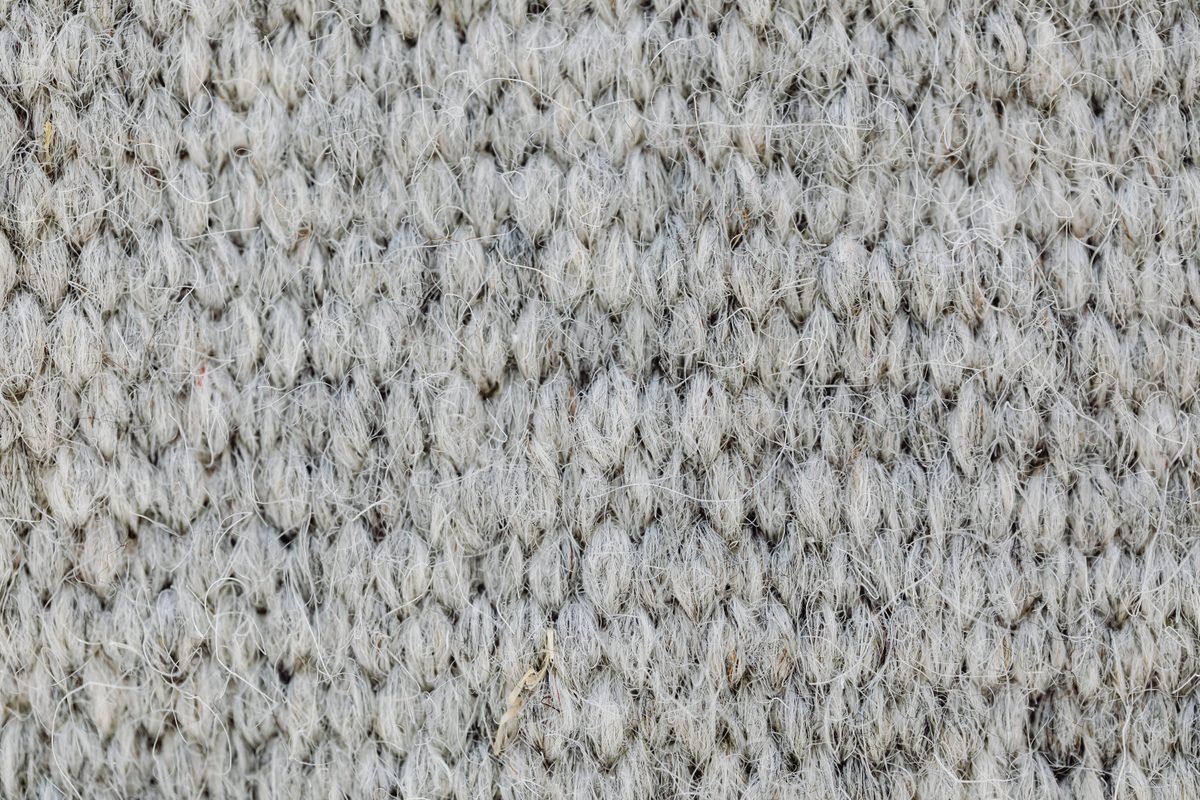
If you want to cut your luggage volume in half, eliminate cotton entirely. Cotton absorbs perspiration like a sponge, loses all insulating properties when wet, and takes up to two days to dry in a cold hotel room. Merino wool is the gold standard fabric for winter travel. Sourced from merino sheep, the individual fibers are far finer than traditional sheep wool, which means they flex against your skin without itching. It breathes exceptionally well and stays warm even if damp.
The superpower of merino wool is natural antimicrobial resistance. Keratin proteins in the wool fiber lock away odor molecules, releasing them only during washing. You can wear a 200 gsm (grams per square meter) merino long-sleeve crew for five consecutive days of heavy city walking without it developing an odor. You simply hang it up over a chair at night to air out. In a standard two-week winter trip, you only need to pack two merino long-sleeve tops and two pairs of merino leggings. One set is on your body; the other is neatly folded in your backpack.
Expect to pay around $85 to $110 for a high-quality 200 gsm top from brands like Icebreaker, Smartwool, or Ridge Merino. While the upfront investment is higher than synthetic thermal underwear, two merino tops replace five bulky cotton sweaters. Merino socks follow the same rule. Three pairs of cushioned merino wool socks are all you need for a fortnight in snowy weather. You wash one pair in the bathroom sink, let it dry, and rotate seamlessly.
Tip: Check the Fabric Tag Before Buying
Look for garments with at least 80 percent merino wool content. Cheaper blends with 60 percent polyester or acrylic hold body odor much faster and pill quickly.
Building a Cohesive Winter Capsule Wardrobe
Packing light collapses the moment you bring clothes that only match one specific outfit. A successful winter travel capsule relies on strict color cohesion. Stick to a neutral palette of three or four compatible shades: black, charcoal grey, navy, and deep olive or camel. When every bottom works with every top, you unlock twenty outfit combinations from just seven core garments. This discipline keeps your bag light and makes dressing in dim morning light effortless.
A proven carry-on packing roster for two weeks of winter city travel looks surprisingly compact. Limit your packed bottoms to two pairs of durable trousers. Technical stretch-twill pants or water-repellent travel trousers dry quickly and resist slush stains far better than denim jeans. For tops, bring two merino long-sleeve base layers, one button-down shirt or smart crew neck, and one lightweight knit or quarter-zip fleece. Add one compressible down jacket (around 800-fill down) and a minimal waterproof outer shell.
Accessories should carry their weight. A thin merino beanie, a cashmere neck gaiter, and touchscreen-compatible leather or fleece gloves slip into coat pockets without taking luggage space. Cashmere or merino neck gaiters are far superior to long fringed scarves. They seal wind out of your collar, weigh under 60 grams, and will never dangle into your soup bowl at a cramped food stall. For regional packing context in cold destinations, browse our Korea winter travel guide.
How to Wear Your Heaviest Winter Gear on the Plane
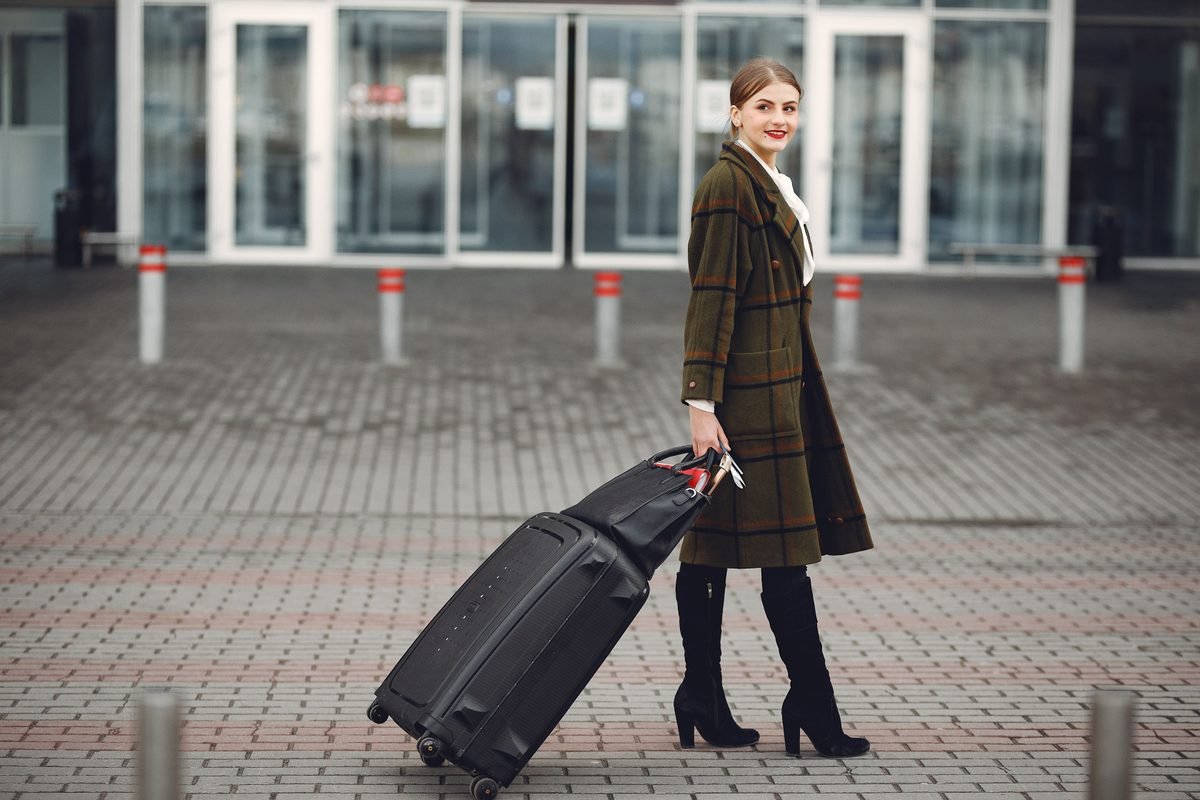
Airlines do not weigh the clothes you are physically wearing. This simple fact is your greatest asset when flying carry-on only in winter. The bulkiest items on your packing list should never sit inside your bag during transit. They belong on your body at the check-in desk and boarding gate. This single habit immediately frees up roughly 10 to 12 liters of pack volume and shaves two to three kilograms from your luggage scale weight.
Board your flight wearing your heaviest footwear, your bulkiest trousers, your mid-layer fleece, and your packable down jacket. Winter boots with lugged rubber soles consume enormous volume in a backpack, but on your feet, they take up zero luggage allowance. Slip your gloves and merino beanie into your jacket pockets. If cabin temperatures warm up during boarding, simply take off your jacket once you find your seat and stow it overhead or use it as a lumbar pillow. For more cabin comfort tricks, check out our long haul flight tips economy.
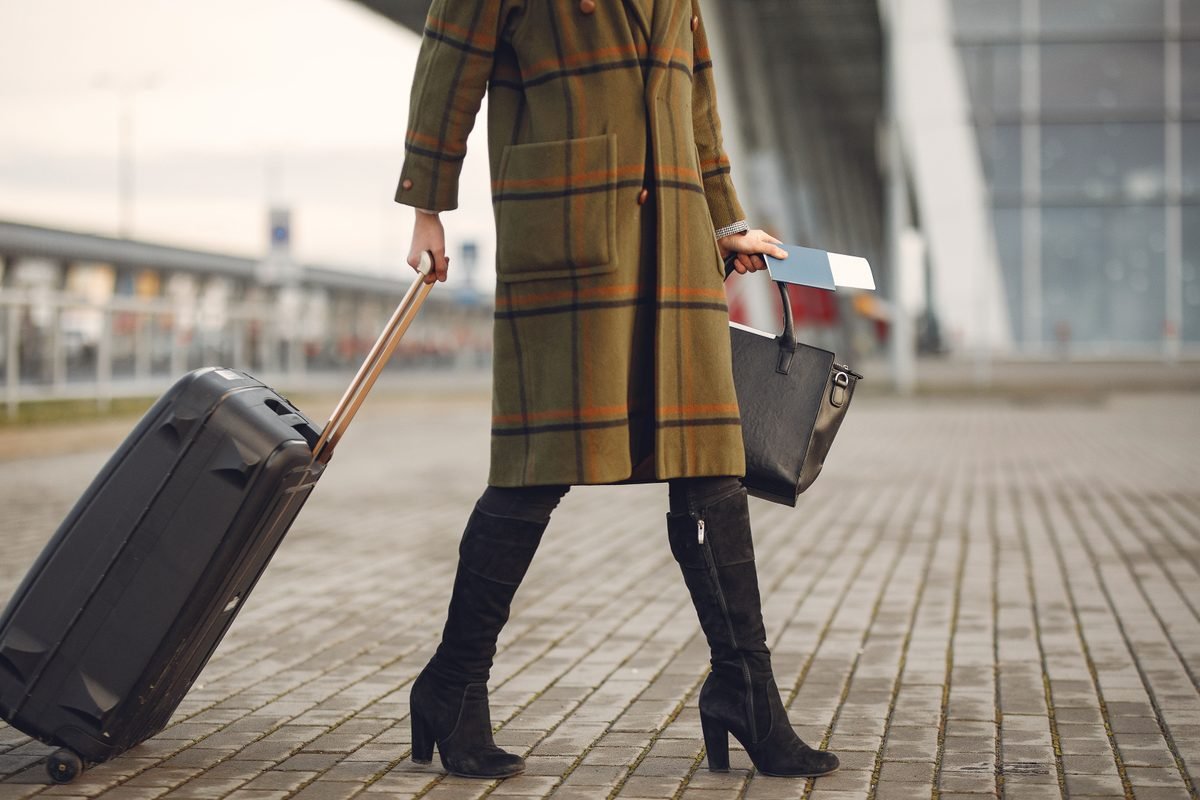
Footwear choice is critical here. Avoid rigid, knee-high snow boots unless you are heading into deep backcountry drifts. A pair of ankle-height, waterproof leather boots with Vibram Arctic Grip or textured rubber soles will easily handle icy city pavements, cobblestones, and light slush. Treat the leather with waterproofing wax before departure. Wear them through airport security with wool socks, and you will never have to wrestle heavy boots into a cramped suitcase.
Heads up: Do Not Pack Wet Boots
Never pack footwear damp from melted snow directly into your luggage. Wear them on travel days or use newspaper balls inside the footbeds overnight to pull out moisture.
Mastering Sink Laundry and Compression Cubes
You cannot pack light for a two-week winter trip without a realistic laundry plan. The good news is that you do not need to wash bulky outer sweaters or jackets during your journey. Outer layers do not touch your skin. Your laundry tasks are strictly confined to base layers, underwear, and socks. These thin, lightweight garments wash quickly in a hotel sink and dry overnight if you understand the towel-rolling technique.
Carry a small 50ml bottle of concentrated wool-safe liquid wash or laundry soap sheets. Fill your bathroom sink with lukewarm water, swirl your merino top and socks with soap for two minutes, rinse thoroughly with cold water, and press the excess water out gently. Never wring wool aggressively, as twisting distorts the knit fibers. Next, lay the washed garment flat on a clean dry hotel bath towel. Roll the towel tightly into a cylinder like a sleeping bag, then walk across it with your feet. The towel absorbs roughly 80 percent of the remaining water. Hang the garment on a hanger near a heater or ventilation vent, and it will be bone dry by morning.
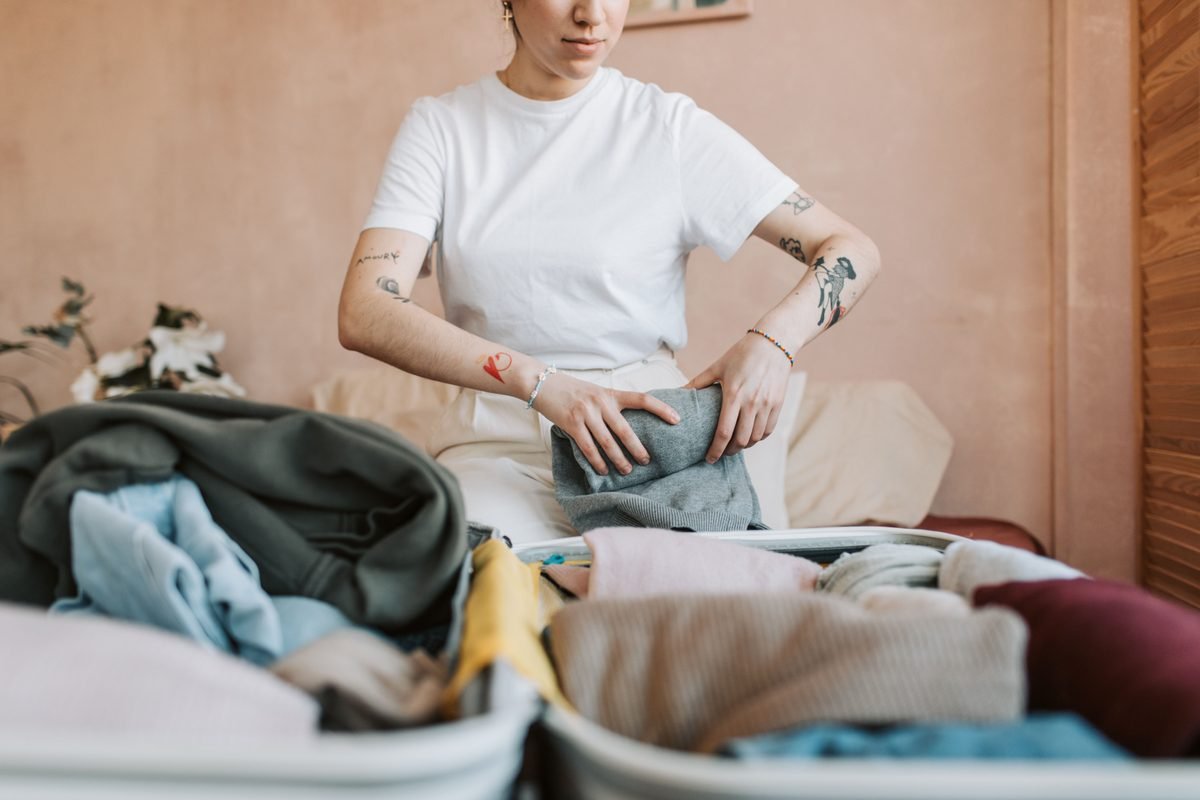
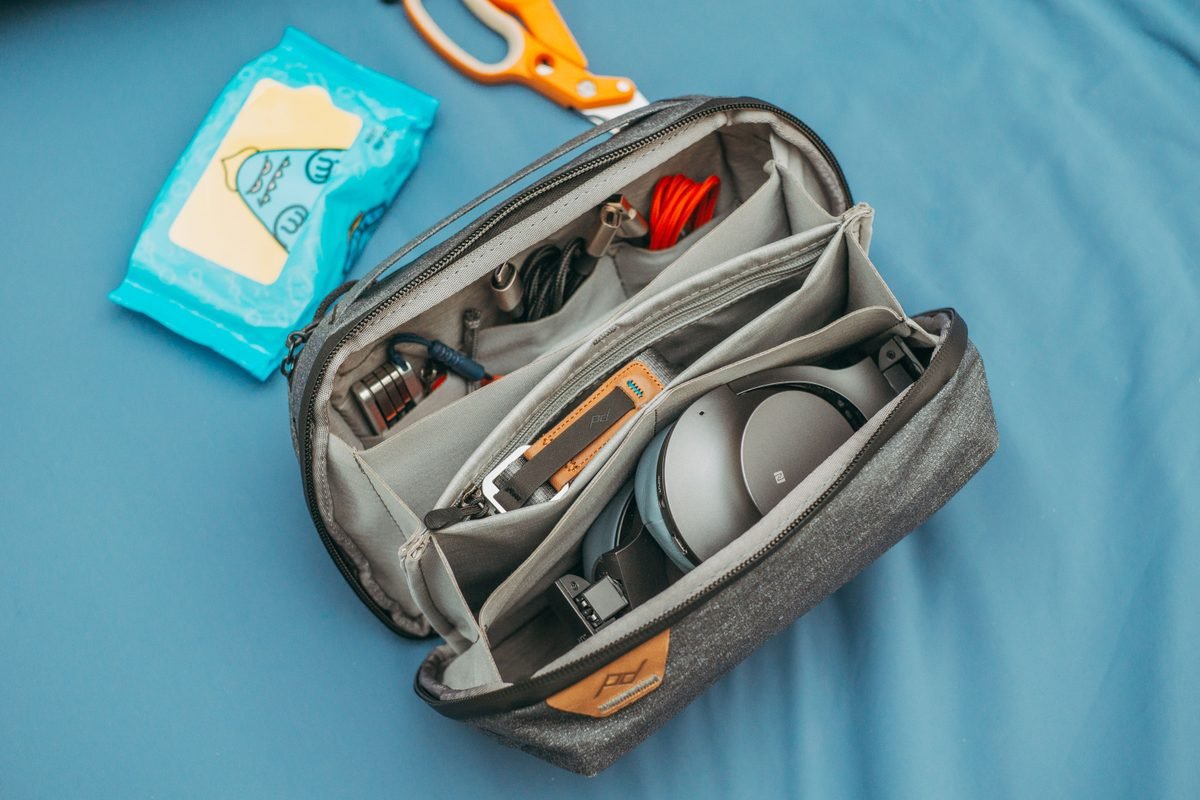
For packing everything else, invest in compression packing cubes rather than standard zippered pouches. Compression cubes use an exterior perimeter zipper to squash out trapped air between folded garments. Unlike vacuum bags that require a pump and leave clothes heavily wrinkled, double-zipper compression cubes reduce fabric bulk by about 30 percent while keeping shirts organized. Group your base layers in one medium compression cube and your socks and undergarments in a smaller one. You will find that an entire cold-weather wardrobe occupies barely half of your main backpack compartment.

From a local: Use Hotel Bath Towels Wisely
Always do the towel-press roll with the towel you used that morning before housekeeping swaps it out. It extracts moisture without wasting a clean dry towel for your evening shower.
What this trip costs
| Item | Local price | USD |
|---|---|---|
| Merino Wool Long-Sleeve Base Top (200 gsm) | $95 | $95 |
| Merino Wool Thermal Leggings | $90 | $90 |
| Cushioned Merino Wool Socks (3 pairs) | $66 | $66 |
| Packable 800-Fill Down Jacket | $180 | $180 |
| Lightweight Waterproof Wind Shell | $120 | $120 |
| Compression Packing Cubes (Set of 3) | $38 | $38 |
| Waterproof Ankle Winter Boots | $160 | $160 |
| Total Core Winter System | $749 | $749 |
Prices checked October 2026. Always confirm with the provider before you book.
Mistakes to avoid
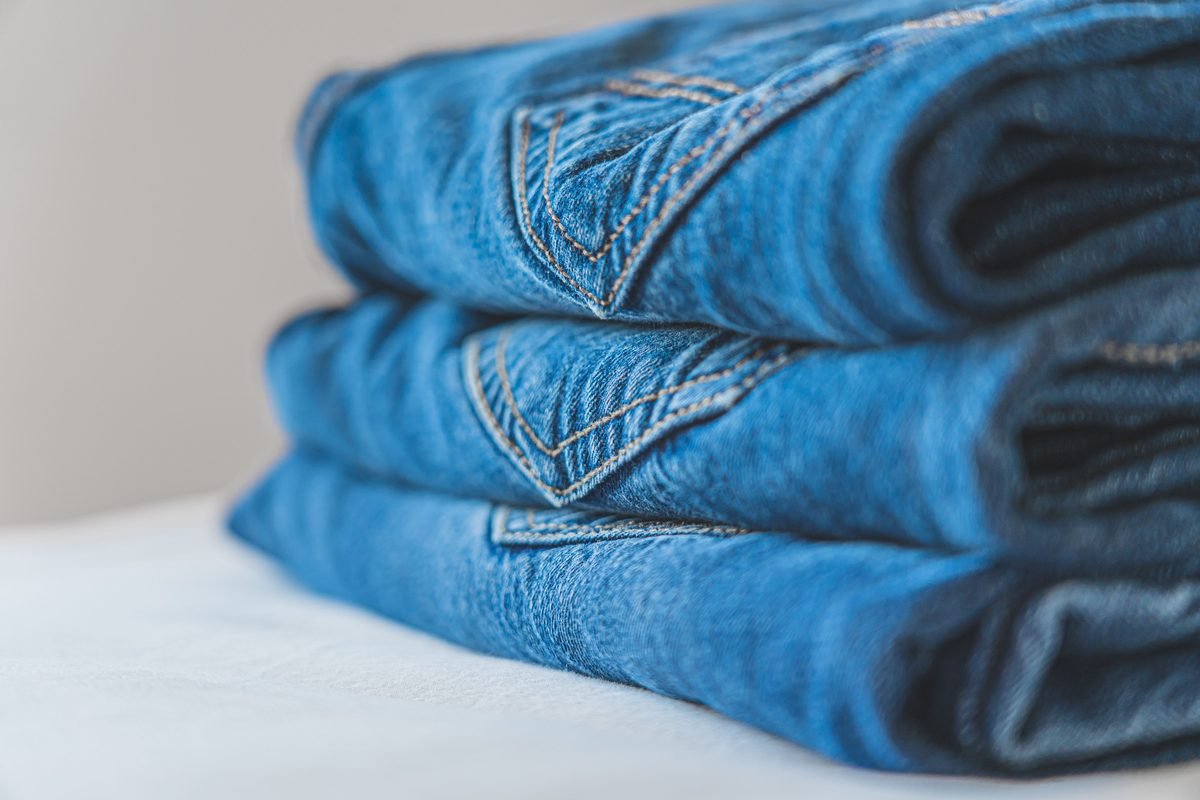
- Packing heavy cotton denim jeans that absorb road slush, freeze stiff, and take two full days to air-dry in a hotel room.
- Bringing a single enormous shearling or puffer coat that cannot be removed when entering overheated trains, cafes, and museums.
- Using vacuum compression plastic bags that require a hotel vacuum cleaner to repack and crush garment loft permanently.
- Packing three pairs of footwear instead of wearing one versatile, waterproof leather boot throughout the journey.
- Assuming down jackets must be heavily padded; high-fill down (750 to 850 fill power) compresses to fist-size while providing elite thermal warmth.
FAQ
How many days can you really wear merino wool before washing?
You can comfortably wear a quality 200 gsm merino wool base layer for three to five days without odor buildup. Hang it on a hanger overnight to air out between wears, and only wash it when it looks visibly soiled or starts losing shape.
What size carry-on backpack is best for freezing destinations?
A 35-liter to 40-liter backpack fits standard overhead bin dimensions while offering enough volume for a three-layer clothing system, compact down jacket, and spare boots. Anything larger than 40 liters frequently exceeds international carry-on weight limits.
Can you bring hand warmers through airport security in a carry-on?
Yes, disposable air-activated chemical heat packs (iron powder packets) are permitted in carry-on baggage by TSA and international aviation authorities. However, rechargeable lithium-ion electric hand warmers must stay strictly in your cabin bag and cannot be checked.
Will down jackets lose their insulating warmth if packed in compression cubes?
Compressing a down jacket for travel transit of a few hours will not harm the feathers. Once you arrive at your lodging, unpack the jacket immediately, give it a vigorous shake, and hang it up to let the down clusters re-loft.






One Comment