Seoul Traditional Stamp Carving Craft Guide: Dojang

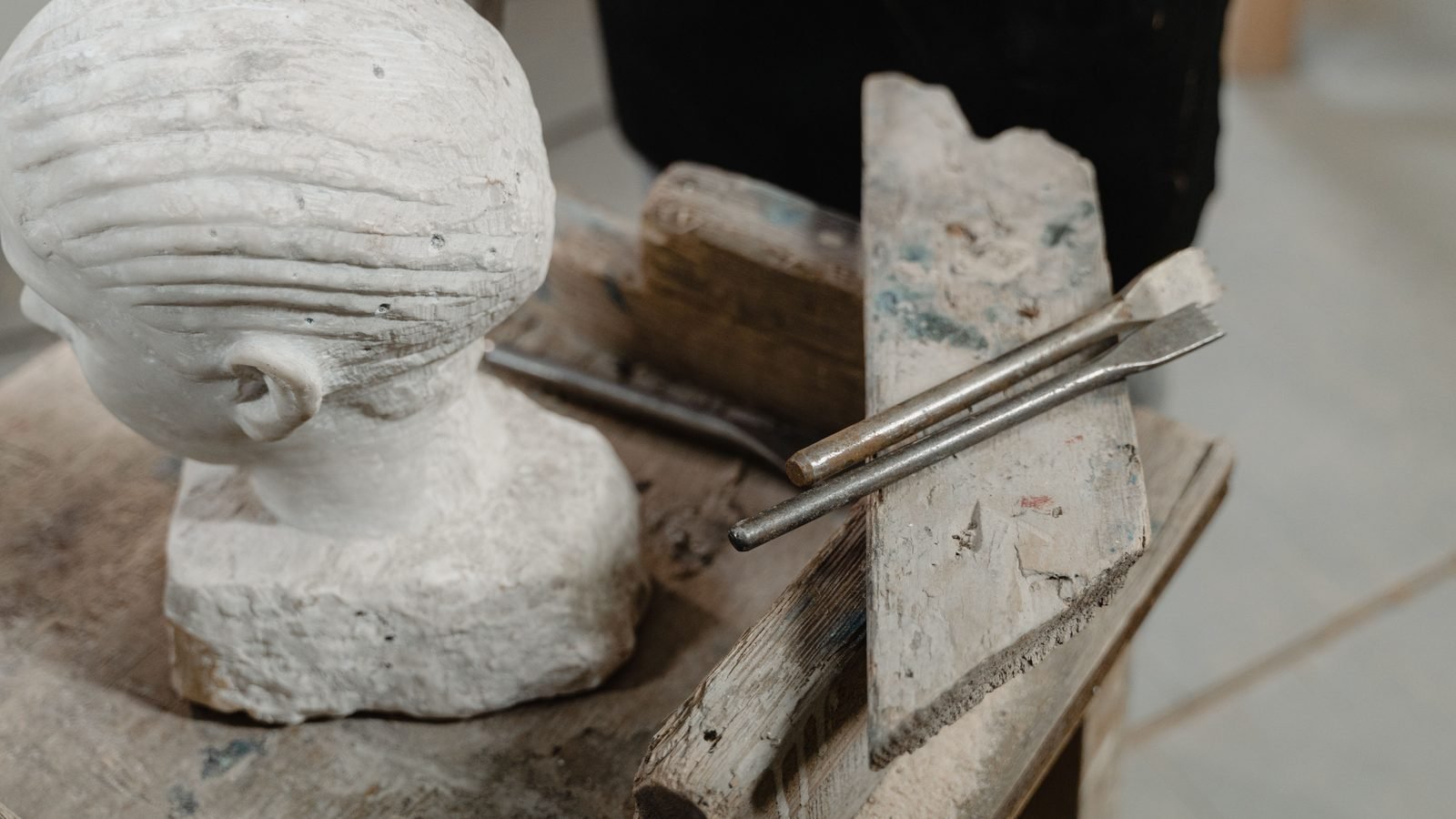
Tucked into an alleyway off Insadong-gil, a stone carver sits behind a glass counter covered in red vermilion dust. In his left hand, he holds a clamp securing a rectangular block of dark mottled stone no thicker than your thumb. In his right hand, a hardened steel chisel scrapes away microscopic curls of rock with crisp, rhythmic clicks. This is the art of the dojang (도장), the personal name seal that Koreans have used for centuries to sign property contracts, endorse banking records, and seal personal letters. It remains one of the most functional artisan souvenirs you can acquire in South Korea.
This Seoul traditional stamp carving craft guide covers everything you need to know about making or commissioning your own personalized stone seal in Insadong. I will walk you through choosing between soft pyrophyllite and polished gemstones, picking the right Hangul font style, navigating the difference between a DIY carving workshop and hiring a master engraver, and understanding real turn-around times and pricing.
Seoul Traditional Stamp Carving Craft Guide: How It Works
A Korean personal seal is more than a novelty trinket; it is a legal and cultural signature. In South Korea, registered seals called ingam (인감) carry the same legal weight as a handwritten signature in Western countries. When you buy a house or open a major commercial contract, your registered stamp impression is pressed onto the paper using permanent vermilion paste. While casual stamps used for personal receipts and journal entries are called makdojang (막도장), bespoke artisan seals crafted from carved stone bridge the gap between practical administrative tool and exquisite personal heirloom.
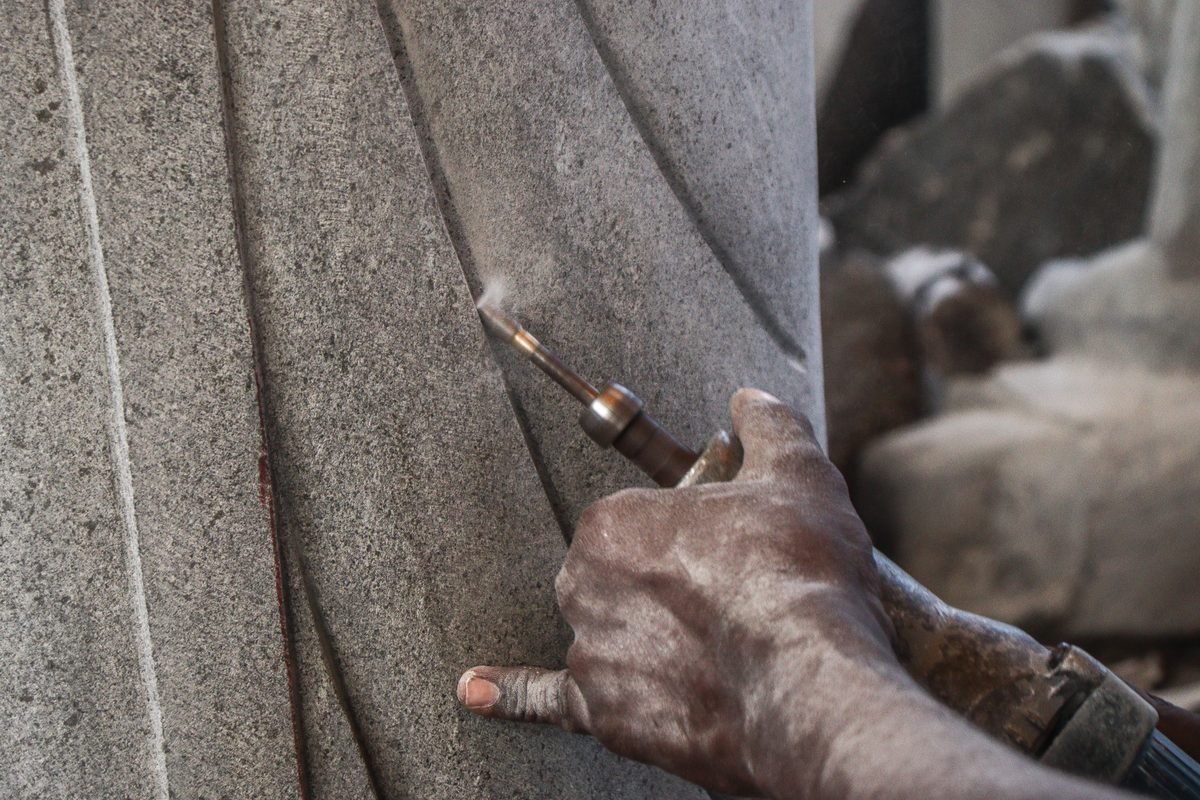
The craft itself is known as jeongak (전각). It combines sculpture, calligraphy, and printmaking. The artisan begins by polishing the bottom facet of the stone on fine-grit sandpaper to ensure a dead-flat surface. Next, they sketch your chosen name in reverse onto the stone face using ink or water-soluble transfer pencil. Because a stamp imprints a mirror image, a single backward stroke ruins the entire seal. The carver then braces the stone block in a wooden vise called an in-sang (인상) and uses specialized angled chisels called indo (인도) to shave away the stone.
Carvers categorize stamp impressions into two distinct typographic methods. Eumgak (음각), or intaglio carving, cuts your name directly into the stone; when stamped, the characters appear white against a solid red background. Yanggak (양각), or relief carving, requires the craftsman to hollow out the entire background, leaving only the raised strokes of the characters to take the red ink. Yanggak requires substantially more chisel control, physical endurance, and bench time, which is why workshops and shops charge a modest premium for it.
Whether you design your own seal during a hands-on class or leave the work to an experienced master, the finished product serves as a permanent physical artifact of your time in the city. Best of all, it fits neatly in your coat pocket.
From a local: Local Insight
If you want your English name carved instead of Korean characters, opt for intaglio (eumgak). Latin alphabet letters have thin curved lines that chip easily when carved in relief, while intaglio preserves crisp lettering.
Choosing Your Stamp Material: Stone, Gemstone, and Wood
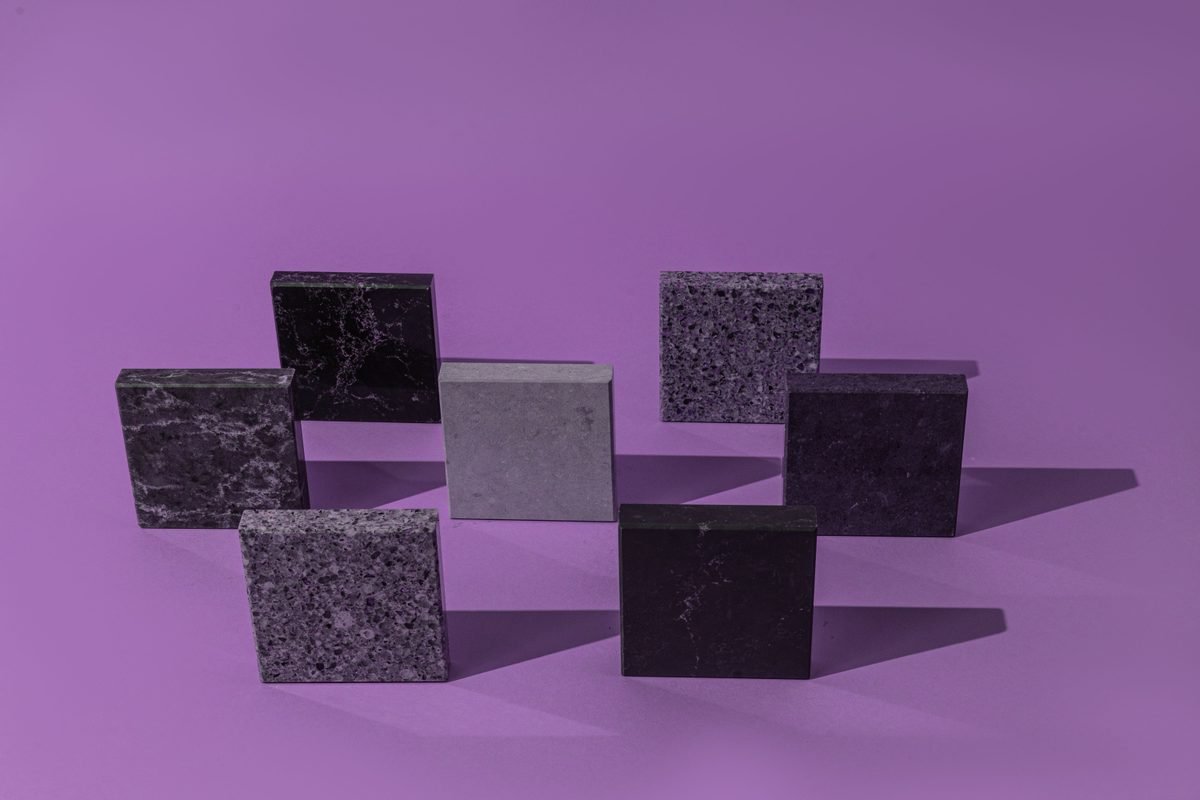
Walking into a stamp shop along Insadong-gil presents you with trays of raw, uncarved stamp blanks known as in-jae (인재). The material you select dictates not only how the stamp looks and feels in your hand, but also how crisp your ink impression will be on paper. Most beginner carving workshops hand you a standard rectangular block of soft pyrophyllite, commonly called soapstone. Soapstone is dense yet soft enough to yield easily under a steel chisel without chipping unpredictably. Standard soapstone blanks range from pale gray to deep charcoal, often cut into 1.5 cm or 1.8 cm square columns measuring about 6 cm tall.
If you commission an artisan or attend an upgraded workshop, you can select premium materials. Jade (ok) is traditional and historically associated with royal Korean decrees. Natural jade ranges from pale milky green to mottled spinach tones. Because true jade is hard and brittle, carvers must use rotary diamond bits rather than manual chisels, making custom jade stamps significantly more expensive. Another popular mineral is agalmatolite from Haenam in South Jeolla province, known for deep red and warm ochre marbling that takes a brilliant wax polish.
Wooden blanks offer a warmer, lighter alternative. Boxwood (hwang-yang-mok) has an exceptionally tight grain that resists splitting even under pressure. Jujube wood (daechu-namu) is favored for its rich reddish-brown luster and cultural association with protection and longevity. Some older shops stock lightning-struck jujube wood, believed in Korean folklore to ward off negative spirits, though genuine pieces command steep prices.
Standard blanks are included in base workshop fees, typically around ₩25,000 to ₩35,000 (about $18.75 to $26.25). Upgrading to a colored natural stone, a semi-precious quartz block, or an ornate column featuring carved dragons or floral patterns on the handle will add ₩10,000 to ₩50,000 (about $7.50 to $37.50) to the total price tag.

Selecting Font Styles and Hangul Calligraphy for Your Name
Before a single chisel stroke touches the stone, you must settle on the typographic character of your seal. Historically, Korean seals used archaic Chinese seal script known as jeonseo (전서체). Seal script features geometric, elongated strokes with rounded corners, originally designed to fit neatly into square boundaries. It remains popular for official business stamps because the intricate, compressed strokes make the signature exceptionally difficult to forge. However, for a personal keepsake, modern travelers overwhelmingly favor Hangul, the phonetic Korean alphabet created under King Sejong in 1443.
Hangul can be carved in three primary aesthetic treatments. The first is Hunminjeongeum style, based on the original 15th-century woodblock typography. This typeface uses geometric lines, perfect circles, and stark perpendicular bars. It looks clean, modernist, and strikingly graphic on paper. It is also the easiest script for beginners in a carving workshop because straight chisel lines are far simpler to control than organic curves.
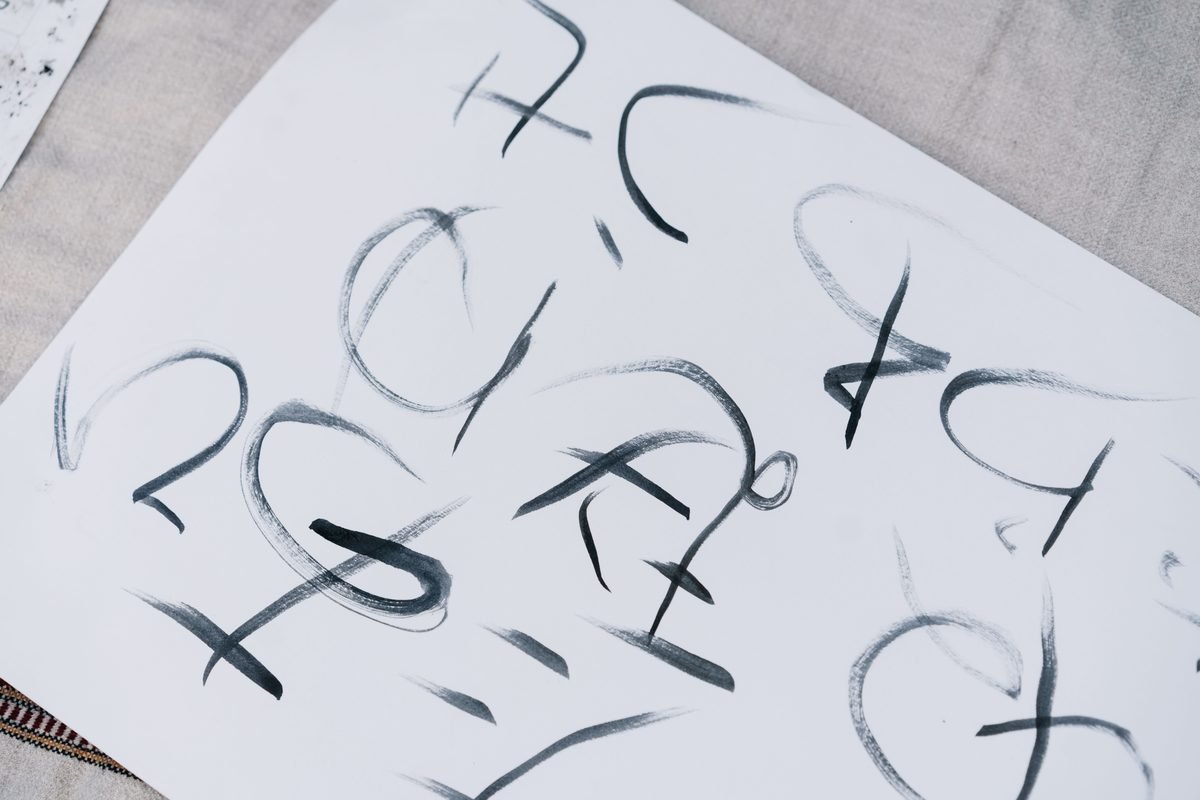
The second option is Gungseo, or court calligraphy style. This mimics the fluid, tapered brush strokes used by royal scribes during the Joseon dynasty. Carving Gungseo requires skilled knife manipulation to recreate the flick of a brush tip and the swelling ink weight of downward strokes. It yields an elegant, classical look. The third treatment is modern freeform calligraphy (calli-dojang), where the artisan arranges the letters with playful proportions, sometimes incorporating tiny floral motifs or a stylized heart within the square footprint.
If you do not have a Korean name, the shop staff or workshop instructor will translate your English name phonetically into Hangul. For instance, “Sarah” becomes “세라” (Se-ra) and “David” becomes “데이비드” (De-i-bi-deu). Because Korean characters group syllables into balanced blocks, two- to three-syllable names fit the square stone face naturally. Four-syllable names require smaller, tighter cuts.
Tip: Name Layout Advice
Ask to keep your phonetic Korean name to two or three syllables if possible. A three-character name leaves room for a small engraved graphic, such as a plum blossom or traditional cloud symbol, to balance the square.
DIY Carving Workshops vs Commissioning an Insadong Master
When acquiring a custom stone seal in Seoul, you have two practical paths: you can spend two hours carving the stone yourself at an artisan studio, or you can commission an experienced carver while you explore nearby alleys. Both approaches offer great value, but they cater to very different travel styles and schedules.
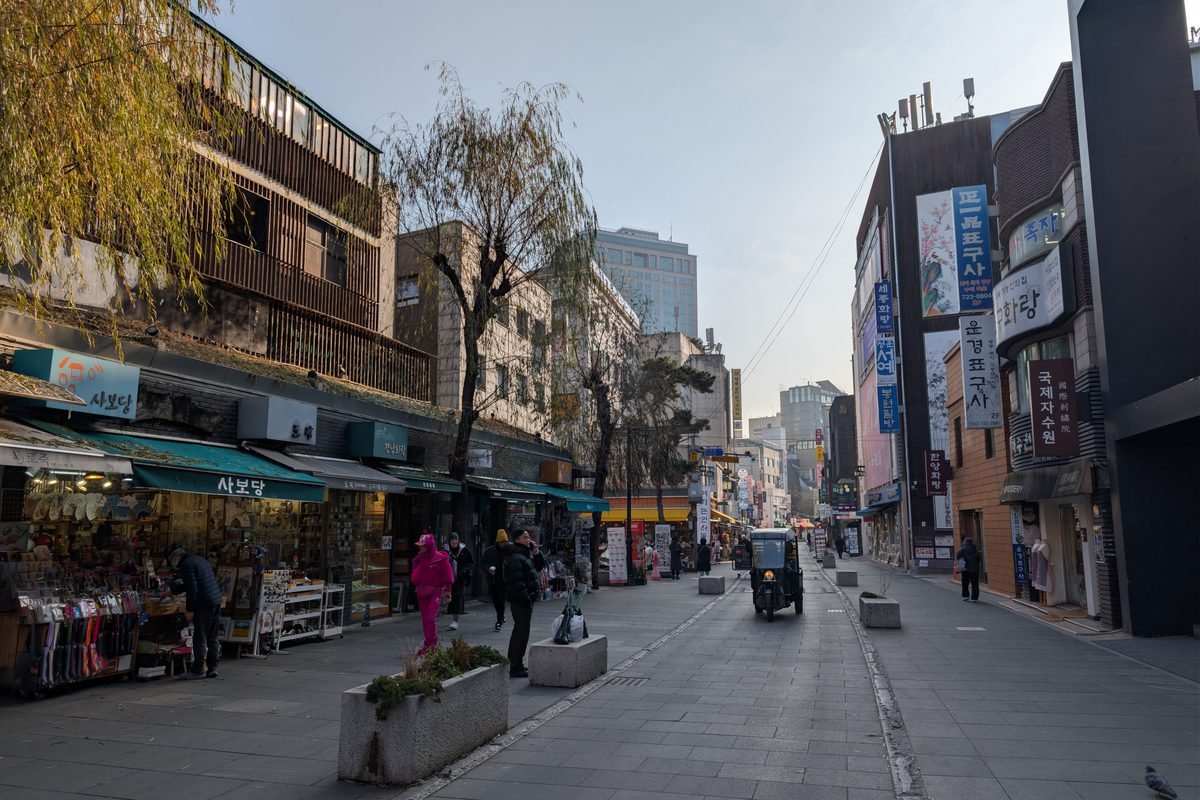
If you prefer tactile experiences, booking a workshop is deeply rewarding. Popular studios like Yhlayuen Gongbang or the workshops located inside Ssamzigil mall in Insadong host daily sessions in English. During a 90-minute class, an instructor guides you through transferring your design, teaches you how to brace your fingers against the wooden vise, and supervises every stroke. If your chisel slips and gouges a line, the instructor can often sand down minor blunders or reshape the character with an expert flick of their blade. You finish the class with a stamp you carved with your own hands, complete with a presentation pouch and a bookmark featuring your initial test prints. Expect to pay roughly ₩28,000 to ₩38,000 (about $21.00 to $28.50) for a standard class.
On the other hand, if you want flawless, razor-sharp calligraphy, commissioning an independent master carver along Insadong-gil is the better route. These older craftsmen have operated out of narrow shopfronts for thirty to forty years. Their lines possess a micro-precision that no first-time carver can match. When you commission a master, you select your blank stone, write down your name, choose the script style, and let them execute the cut. A master-engraved stone stamp typically costs between ₩40,000 and ₩70,000 (about $30.00 to $52.50) depending on the stone quality and whether you request side-engraving (cheukmyeon-gak) along the body of the column.
Pairing a morning carving workshop with afternoon tea at one of the spots highlighted in our Seoul traditional tea house guide makes for a relaxed, culturally rich itinerary within walking distance of Gyeongbokgung palace.
Book ahead: Workshop Reservations
Weekend DIY carving classes at Ssamzigil fill quickly with local couples and visitors. Reserve your spot at least three to five days ahead online or drop by on a weekday morning for walk-in availability.
Turnaround Times, Same-Day Pickup, and Side Engravings
One of the best aspects of commissioning a stamp in Seoul is the rapid turnaround time. Hand-carving an intricate four-character seal requires immense focus, but a seasoned Insadong artisan works with astonishing speed. For a straightforward name carving in soapstone or soft mineral stone, most shops finish the work in about 30 to 60 minutes. You can place your order, stroll down the street to browse antique galleries, and return before your afternoon coffee gets cold.
During peak autumn tourist weeks in October or holiday weekends, wait times can stretch to two or three hours. If you drop off your order late in the afternoon, after 17:30, the shopkeeper might ask you to collect it the following morning. If your schedule is tight, tell the artisan when you need to depart. Most shops accommodate urgent requests without charging an express fee, provided you pick a standard stone that does not require water-cooled power tools.
Consider adding a side engraving along the vertical shaft of your stone. This decorative technique allows the artist to carve delicate imagery along the exposed exterior facets. Popular motifs include Korean plum blossoms (maehwa), bamboo stalks, pine trees, mountain silhouettes, or the date of your trip etched in tiny Hangul letters. Many shops include a simple side illustration in the base price, while elaborate four-sided narrative carvings will add about ₩10,000 to ₩15,000 (about $7.50 to $11.25) to the bill.
When planning your shopping route through central Seoul, remember that Insadong sits right between the popular markets and boutique fashion hubs covered in our Seoul shopping districts guide. Combining your stamp pickup with visits to neighboring Hanok districts makes logistical sense. You can compare traditional architecture styles in our Ikseon-dong vs Bukchon Hanok Village comparison to plan the rest of your walking day.
How to Care for Your Seal and Use Traditional Inju Inkpad
A custom stone seal can last for generations, but stone is inherently vulnerable to impact damage. The finely carved ridges of your name on the bottom face are only one to two millimeters thick. If you drop the stamp onto a tiled floor or hardwood desk, the corner characters will chip instantly. Always store your stamp inside its padded brocade case or a snug leather pouch when traveling. Keep the protective plastic sleeve over the carved base if one was provided by the workshop.
The ink you use matters just as much as the stone. Standard office ink pads (the blue or black water-based felt sponges used for rubber office stamps) produce muddy, blurry impressions on porous paper. A genuine Korean seal requires traditional vermilion paste known as injung (인중) or injeol (인절). Authentic inju is not a sponge soaked in liquid ink; it is a thick, clay-like paste made from ground cinnabar mineral pigment, castor oil, and fine moxa silk plant fibers that bind the mixture together.
To ink your stamp properly, do not smash the stone downward into the pad. Instead, hold the stamp upright and gently tap the carved face against the surface of the paste three or four times. The silk fibers will transfer a thin, uniform red film onto the raised stone ridges without clogging the recessed valleys. When stamping onto paper, place a soft pad—such as a leather desk mat or a small stack of scrap sheets—underneath your paper. Press firmly straight down, rock the stamp very slightly along its four edges without twisting, and lift cleanly.
After stamping, immediately wipe residual red paste off the stone face using a soft tissue or a microfiber cloth. Leaving oil-based cinnabar paste to harden in the crevices will blur fine strokes over time. Never scrub the carved face with metal needles or stiff wire brushes, which scratch soft soapstone permanently.


Heads up: Cleaning Precaution
Never wash a soapstone seal with dish soap and water. Moisture can seep into natural mineral micro-fissures and weaken the stone. Use a dry tissue to dab away leftover paste after every stamping.
What it costs in Seoul
| Item | Local price | USD |
|---|---|---|
| Standard DIY Stamp Carving Workshop (90 min) | ₩28,000–₩38,000 | $21.00–$28.50 |
| Master Carver Custom Commission (Basic Soapstone) | ₩40,000–₩70,000 | $30.00–$52.50 |
| Natural Jade or Quartz Blank Upgrade | ₩10,000–₩50,000 | $7.50–$37.50 |
| Decorative Side Column Engraving (Cheukmyeon-gak) | ₩10,000–₩15,000 | $7.50–$11.25 |
| Traditional Cinnabar Red Inkpad (Porcelain Dish) | ₩8,000–₩18,000 | $6.00–$13.50 |
| Padded Silk Brocade Storage Pouch | ₩3,000–₩7,000 | $2.25–$5.25 |
| Realistic DIY Workshop Total (Base Stone + Inkpad) | ₩26,000–₩56,000 | $19.50–$42.00 |
Prices checked October 2026. Always confirm with the provider before you book.
Mistakes to avoid
- Twisting the stamp while pressing down on paper, which smears the character edges instead of creating a sharp print.
- Using cheap water-based office stamp pads instead of traditional oil-based cinnabar paste (inju), resulting in fuzzy, bled lettering.
- Selecting relief carving (yanggak) for an intricate English name in a DIY workshop, which frequently leads to broken strokes for beginners.
- Cleaning stone seal crevices with metal pins or keys, permanently gouging the soft mineral face.
- Carrying an unprotected stone stamp loose in a backpack pocket where keys or coins can chip the corners.
FAQ
Can I have my non-Korean name carved on a dojang?
Yes, shops and workshops carve English names every day. You can either have your English initials or short name carved directly in Latin script, or have the carver translate your name phonetically into Korean Hangul characters.
How long does a master carver take to finish a custom stamp?
Most master carvers in Insadong complete a single custom stone seal in about 30 to 60 minutes. On busy weekend afternoons, wait times can extend to two hours, so it is best to place your order before exploring the neighborhood.
Is a stone stamp made in Insadong legally valid for foreigners?
Yes, if you hold a Korean Residence Card (renamed from the Alien Registration Card in 2021, and still widely called an ARC), you can take your finished seal with your legal Korean name or official English name to your local community service center (dong resident center) to register it as an official legal seal (ingam).
What is the difference between eumgak and yanggak carving?
Eumgak is intaglio carving where the letters are carved into the stone, producing white characters on a red background. Yanggak is relief carving where the negative space is chipped away, leaving raised characters that print in solid red ink.